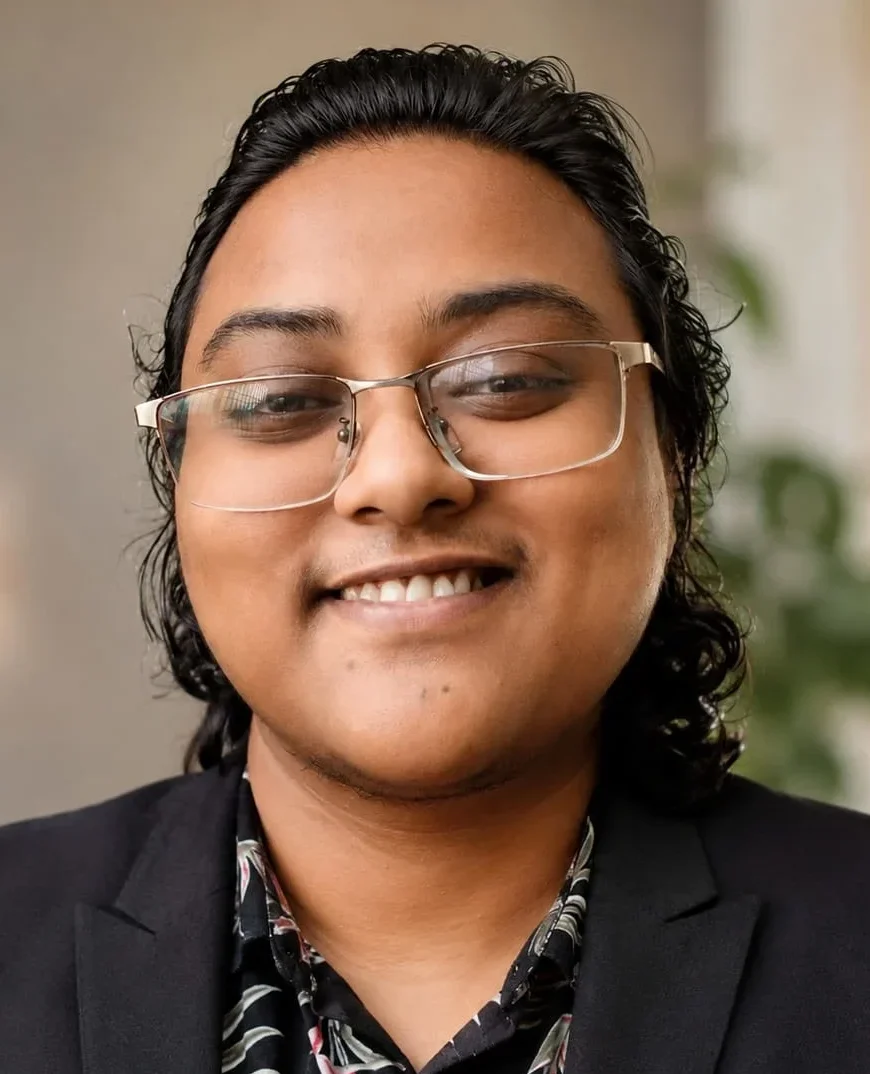


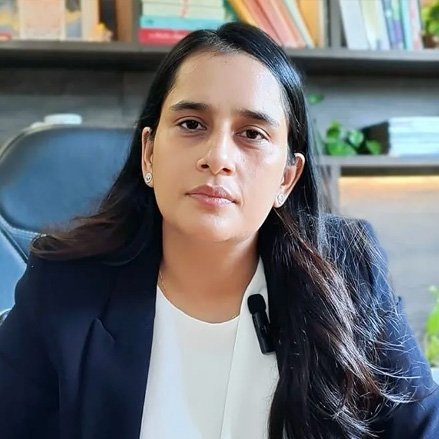
Dr. Sneha Sharma
Consultant Psychiatrist | De-Addiction Specialist
MBBS, MD (Psychiatry)
VIEW PROFILEDr. Sneha Sharma
Consultant Psychiatrist | De-Addiction Specialist
MBBS, MD (Psychiatry)
Experience: 14+ Years
TALK TO US
info@anvayahealthcare.com
+91-9810659825
Just like the Gym is for your body, Therapy is for your Mind
Dr. Sneha Sharma
Psychiatrist, Anvaya Healthcare
Get compassionate, evidence-based depression treatment in Kolkata at Anvaya Healthcare. Our personalised care focuses on managing symptoms, improving emotional well-being, and supporting long-term recovery. With expert mental health support, therapy, medication management when clinically appropriate, and tailored treatment plans, we help individuals work towards greater stability and an improved quality of life.
📅 Book Consultation
Sadness is an ordinary response to hard circumstances — a loss, a reversal, a difficult stretch. It arrives, it hurts, it passes. Depression behaves differently. It needs no trigger, keeps no timetable, and does not lift merely because circumstances improve. It alters how the brain handles mood, motivation, and energy, and like any other medical condition it calls for treatment.
You have moved from a bad patch into the illness once symptoms hold a fortnight or longer, once they visibly obstruct work, relationships, and looking after yourself, and once the usual remedies stop touching them — a proper rest, a free weekend, an evening among people you are fond of.
India’s figures are well documented and higher than most assume. The Chennai Urban Rural Epidemiology Study, among the country’s largest population-based works, put prevalence at 15.1% in an urban South Indian population, rising to 15.9% once age-adjusted. It found depression markedly commoner in women (16.3%) than men (13.9%), and considerably commoner in lower-income groups (19.3%) than higher-income ones (5.9%) — a pattern showing how financial strain and depression compound each other. A Lancet study estimated close to 197 million people in India live with a mental health disorder, depression prominent among them.
In Bengal the language itself gets in the way. Mon kharap covers everything from a dull afternoon to an illness that has held somebody for years, and a phrase that ordinary hardly sounds like grounds for seeing a doctor. Something else works against recognition too: sadness carries a certain standing here, written about, set to music, and quietly admired for generations, so a person gone flat and withdrawn passes for thoughtful rather than unwell. Households empty as the young leave for work in other cities, and the parents left behind grow quieter without anyone registering it. Stoicism completes the picture — the relative who never complains is praised for precisely that, and nobody asks what the silence has been costing.
None of which weakens the case for calling this illness by its name and treating it as one. Remote appointments put that within reach across the city, with no repeated journeys to a clinic in the way.
The Chennai Urban Rural Epidemiology Study reported a depression prevalence of 15.1% in an urban South Indian population.
The study reported an age-adjusted prevalence of 15.9%.
Depression prevalence was 16.3% among women, compared with 13.9% among men.
Conduct comprehensive psychiatric assessments, evaluate depression symptoms, and provide personalised treatment plans, including medication management when clinically appropriate and ongoing clinical support.
Provide evidence-based psychological interventions, psychoeducation, and counselling to help manage depressive symptoms, develop healthy coping strategies, improve daily functioning, and support long-term recovery.
Sadness, emptiness, or a flatness that occupies the greater part of most days, whatever happens to be going on around you
Whatever used to give satisfaction has stopped, and the appetite to reach for it has gone too, taking hobbies and relationships that once counted
Trivial jobs turning absurdly hard, with neither broken sleep nor illness accounting for it. No symptom is mistaken for simple tiredness more often, least of all among people putting in long days
Far more sleep than usual or far less, appetite swollen or vanished, the movement running in either direction
Concentration failing at work, decisions impossible to settle, tasks that once posed nothing left unfinished
A fixed belief that nothing ahead will get better, that trying achieves nothing, that the future holds little. Should that reach as far as thoughts of self-harm or of not wanting to be alive, it is urgent and needs professional attention immediately, never to be waited out
Rarely does an illness of this kind trace to a single origin. Usually it surfaces where several things converge:
Strain at work left unmanaged long enough ranks among the commonest precursors in Indian working adults, and this city's high-pressure professional culture sharpens it. Burnout nobody attends to hardens into clinical depression with some regularity, and separating the two takes proper assessment.
Conflict in a marriage, a family coming apart, or losing someone central are substantial risks, especially where the support that would normally help absorb them is absent or unreachable.
A death close to home, an important relationship ending, or other weighty losses will set depression running, particularly where grief has been granted neither room nor time.
There is a real hereditary component here. Depression or other mood disorders among close relatives lift a person's risk appreciably, even when their present circumstances look perfectly manageable.
Rates run higher among those managing long-term physical illness, partly from the weight of the illness itself and partly through biological links between certain conditions and how mood is regulated.
Hard experience in the past, with major transitions such as losing work, moving, or a sharp change in money, will each set off an episode, above all arriving together or one upon another with no space to recover.
Contact our team to begin your journey. We assess your symptoms, their duration and severity, previous treatment, and how depression is affecting your daily life. Depending on your needs, you may consult a psychiatrist, clinical psychologist, or both.
Our specialists develop a clear clinical understanding of your symptoms and identify any accompanying concerns, such as anxiety, sleep difficulties, or other health conditions.
Your treatment plan is tailored to your symptoms, circumstances, and recovery goals. Depending on your needs, it may include evidence-based therapy, medication, or a combination of both.
Receive regular therapy and psychiatric support where medication is appropriate. Your progress is monitored through ongoing follow-ups, allowing your treatment plan to be adjusted as your needs and response to treatment evolve.
Nothing here carries a deeper research base. It finds and dislodges the negative habits of thought and conduct keeping low mood standing, and the skills it teaches outlast the sessions by years.
Fixes on whichever relationships and transitions sustain the illness, whether grief, an altered role, or conflict that will not resolve, working them through directly instead of restricting itself to how a person thinks.
A broader, more searching route into whatever lies beneath an illness that keeps coming back or has been present for years, suited to anyone who wants the roots reached rather than the surface managed.
A structured return to whatever activity and routine the illness has stripped away. In the opening stages it often beats insight-led work, because doing something can come first and motivation follow behind.
Especially worthwhile where episodes keep recurring, training a person to catch the earliest signals and respond to them differently before anything takes hold.
Once the illness is moderate or severe, or therapy alone has not shifted enough, psychiatric evaluation and medication change matters substantially. That call is made with the patient, not for them, and never assumed at the outset.
Consultant Psychiatrist | De-Addiction Specialist
MBBS, MD (Psychiatry)
VIEW PROFILEConsultant Psychiatrist | De-Addiction Specialist
MBBS, MD (Psychiatry)
Experience: 14+ Years
TALK TO US
Clinical Psychologist
PsyD, RCI (Psychology)
Experience: 3+ Years
TALK TO US
Clinical Psychologist
M.A & M.Phil (Clinical Psychology)
Experience: 3+ Years
TALK TO US
Consultation Psychiatrist
MBBS, MD (Psychiatry)
Experience: 6+ Years
TALK TO US
Consultant Psychiatrist
MBBS, MD (Psychiatry)
Experience: 15+ Years
TALK TO US
Counselling Psychologist & Behavioral Therapist
MA - Psychology
Experience: 13+ Years
TALK TO US
Psychiatrist
MBBS, DNB (Psychiatry)
Experience: 8+ Years
TALK TO US
Clinical Psychologist
MA & M.Phil (Clinical Psychology)
Experience: 3+ Years
TALK TO US
Clinical Psychologist
MA & M.Phil (Clinical Psychology)
Experience: 7+ Years
TALK TO US
Clinical Psychologist
MA (Clinical Psychology), RCI Registered
Experience: 5+ Years
TALK TO US
Clinical Psychologist
M.Phil. | MA | PG Diploma in Counselling & Family Therapy
VIEW PROFILEClinical Psychologist
M.Phil. | MA | PG Diploma in Counselling & Family Therapy
Experience: 3+ Years
TALK TO US
Psychiatrist & De-Addiction Specialist
MBBS | DPM (Psychiatry) | DNB (Neuropsychiatry)
VIEW PROFILEPsychiatrist & De-Addiction Specialist
MBBS | DPM (Psychiatry) | DNB (Neuropsychiatry)
Experience: 8+ Years
TALK TO US
Clinical Psychologist
M.Phil (Clinical Psychology)
Experience: 15+ Years
TALK TO US
Clinical Psychologist
M.Phil in Clinical Psychology (IHBAS, Delhi University)
VIEW PROFILEClinical Psychologist
M.Phil in Clinical Psychology (IHBAS, Delhi University)
Experience: 2+ Years
TALK TO US
Counselling Psychologist
M.A. Clinical Psychology | PG Diploma in Guidance & Counselling (PGDGC)
VIEW PROFILECounselling Psychologist
M.A. Clinical Psychology | PG Diploma in Guidance & Counselling (PGDGC)
Experience: 3+ Years
TALK TO US
Clinical Psychologist
M.Phil. Clinical Psychology (IHBAS)
Experience: 2+ Years
TALK TO US
Counselling Psychologist
MA - Psychology | Diploma in Guidance and Counseling
VIEW PROFILECounselling Psychologist
MA - Psychology | Diploma in Guidance and Counseling
Experience: 6+ Years
TALK TO US
Drama & Movement Therapist
BA Hons. | MA | PG Diploma, Trauma Focused Therapy
VIEW PROFILEDrama & Movement Therapist
BA Hons. | MA | PG Diploma, Trauma Focused Therapy
Experience: 6+ Years
TALK TO US
Counselling Psychologist
B.Sc, MA - Psychology
Experience: 4+ Years
TALK TO US
Nowhere does this matter more, since flattened energy and absent motivation make simply reaching a clinic feel beyond doing. Meeting remotely lifts that obstacle where it inflicts most harm
No waiting room and nobody there to recognise you, which weighs heavily given the stigma still persisting in Indian families and offices
Evening and weekend slots, built around a working week instead of requiring leave from it
Clinicians trained at the country's foremost institutions become available without any holding a practice inside the city
Where energy is already scarce, cutting out the journey is frequently what decides whether an appointment is kept or abandoned
Should work take you elsewhere, or should you move altogether, the treatment simply continues
Our psychiatrists and psychologists trained at India’s most rigorous institutions — AIIMS, NIMHANS, IHBAS, Lady Hardinge Medical College, and VIMHANS — and hold the MCI/NMC or RCI registration required here. Every clinician on the team meets that standard without exception.
What we offer has evidence beneath it, pairing therapies with genuine research behind them and medication supervision wherever it is warranted. A clinical illness never receives a generic wellness answer here.
No two care plans here are alike, each being shaped to a particular presentation, a particular history, a particular set of circumstances. What burnout at work leaves behind differs clinically from what settles after a bereavement, and the treatment follows that difference instead of stretching one template across both.
Naming the thing plainly is itself a part of the work here. Where an illness has passed for years as a temperament, or as the disposition of somebody who merely feels things deeply, hearing without ambiguity that this is depression, and that depression answers to treatment, is frequently the point at which recovery begins.
For residents weighing options, government services do necessary work but carry long waits and brief appointments — constraints making the sustained treatment this illness requires hard to deliver. What we have built rests on seeing the same specialist each time, on sessions long enough for real clinical work, and on progress watched from start to finish.
Consultations start from ₹1,500 per session, with pricing varying by the specialist’s experience and seniority. Centres in Dwarka, Vasant Vihar, and Gurugram remain available for in-person care where it is needed.
For depression, especially when symptoms overlap with anxiety, sleep difficulties, or other mental health concerns, specialised psychiatric expertise is essential for accurate assessment, personalised treatment, and long-term recovery.
Treatment is tailored to each individual's needs. Depression symptoms and recovery journeys vary from person to person. At Anvaya Healthcare, we provide confidential, personalised depression treatment in Kolkata, with convenient consultations, therapy, medication management when clinically appropriate, and ongoing psychiatric support available across India.
Depression is a treatable mental health condition, not a weakness. Access confidential, professional depression treatment from the comfort of your home in Kolkata, with personalised care, evidence-based therapy, and ongoing mental health support.
When both work together, treatment becomes more effective. At Anvaya Healthcare, psychological and clinical care are coordinated within one integrated setting.
Whether you're in Kolkata or anywhere across India, Anvaya Healthcare provides access to professional sleep disorder care through convenient consultations.
Should low mood have persisted a fortnight or longer together with lost interest in your usual pleasures, exhaustion, unsettled sleep or appetite, or concentration that will not hold, and all of it is showing in how your days go, an assessment serves you better than guesswork. No checklist off a website substitutes for somebody trained to make that judgement.
It is. Successive studies show CBT and its evidence-based companions producing results at a distance that hold up beside anything achieved in a consulting room. Attendance kept up reliably, and a plan genuinely fitted to the presentation in front of it, are what settle the outcome.
Severity decides. Where the illness is mild or moderate, real improvement commonly appears across 8 to 16 sessions of structured therapy. Where it runs severe, or keeps returning, the work extends further and often brings medication in, with review carrying on beyond that first course.
For a great many, yes. Mild to moderate presentations frequently respond to therapy by itself, and that is usually what gets tried first. Where matters are moderate to severe, or therapy alone falls short, adding medication tends to produce the stronger result — a question settled with the patient, not decided over their head.
Yes. We see people from anywhere in the country, this city entirely included. Make contact to set up a first assessment and we will match you to whichever specialist your circumstances require.
Chats continue on WhatsApp. Please avoid sharing clinical details here.