

Just like the Gym is for your body, Therapy is for your Mind
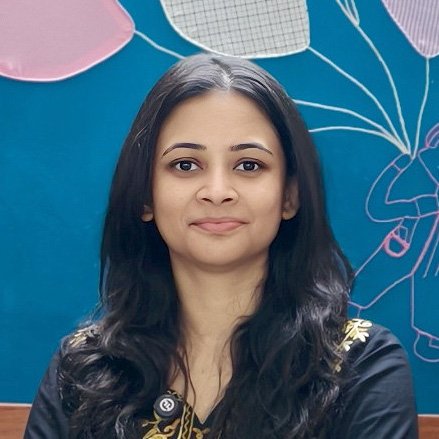
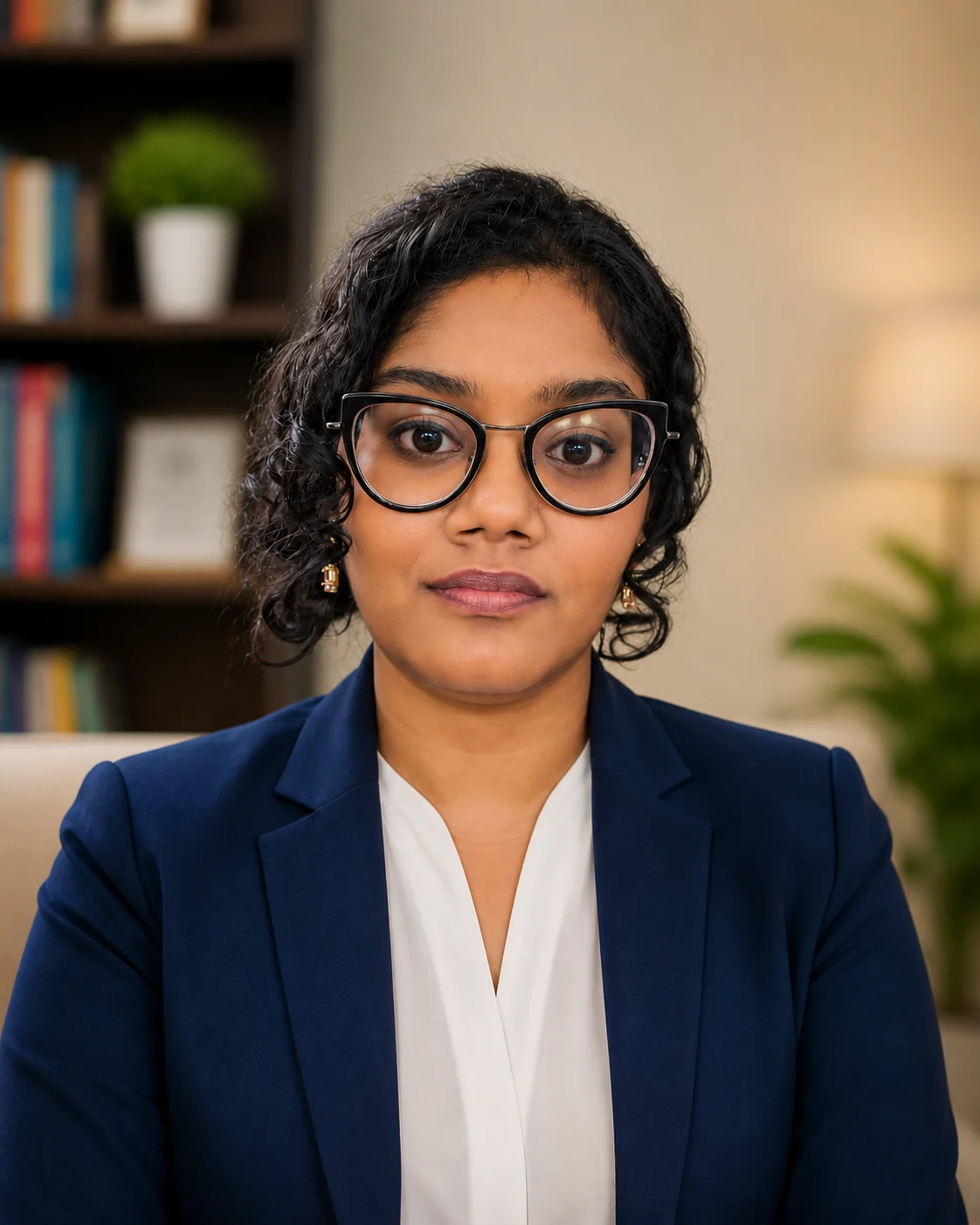
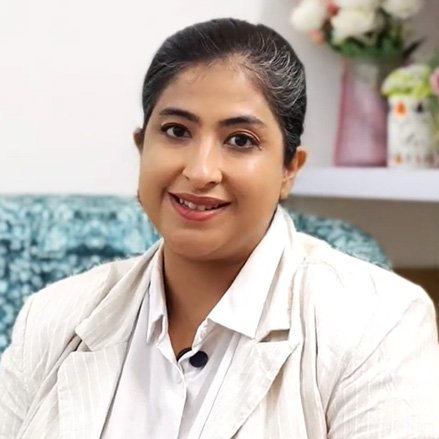
Dr. Sneha Sharma
Psychiatrist, Anvaya Healthcare
Online Anxiety Treatment, Therapy & Counselling in India with AIIMS, LHMC & NIMHANS-trained psychiatrists & psychologists. Evidence-based care from home—pan India, confidential, and covered by insurance.
Patients Helped
Specialists
Online Access
Satisfaction Rate
Anxiety is a common mental health condition in India. India’s National Mental Health Survey 2016 found the treatment gap for anxiety disorders sitting at 82.9% — meaning more than 8 in 10 people with a diagnosable anxiety condition receive no treatment at all. A separate large-scale WHO-affiliated survey found that only 5 out of every 100 Indians with a common mental disorder — anxiety included — received any treatment in the previous year.
This isn’t because anxiety is untreatable. It responds extremely well to both therapy and medication. The problem is access — getting to a qualified psychiatrist or psychologist is genuinely difficult in India, especially outside the major cities. And for a condition that makes social situations hard, picking up the phone to make an appointment can itself feel like a mountain.
Over 8 in 10 people with anxiety in India receive no professional care
Just 5 out of 100 Indians with anxiety or similar disorders received treatment in the past year
Anxiety responds well to therapy and medication when accessed early
Limited experts and hesitation to seek help prevent most people from getting care
Anxiety doesn’t have one treatment. It has several, and the right one depends on what you’re dealing with and how severely it’s affecting your life.
(MBBS + MD in Psychiatry) can diagnose, assess severity, and prescribe medication where it’s appropriate. For moderate to severe anxiety — panic disorder, OCD, severe generalised anxiety that’s impairing daily function — a psychiatrist should usually be the first stop. They can also rule out physical causes that sometimes present as anxiety symptoms.
Offers emotional support, practical coping tools, and a regular space to process what’s happening. Valuable for someone whose anxiety is tied to specific life stressors, or as a complement to clinical treatment.
(M.Phil. + RCI registration) provides structured therapy. CBT for anxiety has one of the strongest evidence bases in all of mental health research. Effect sizes in trials are consistently in the large category, well above what most psychiatric medications achieve at equivalent follow-up periods. Psychologists can’t prescribe, but for mild to moderate anxiety, therapy alone is often sufficient and more durable than medication alone.
For moderate to severe presentations, the most effective approach combines psychiatrist and psychologist — one managing medication, one delivering therapy. That integrated model, rather than treating each specialist as a separate referral, produces meaningfully better outcomes.
Anxiety becomes a clinical matter when it stops being a reaction to something real and starts running on its own schedule. Excessive worry that you can’t switch off — about things that others around you don’t seem to find threatening. Panic attacks: sudden waves of intense fear accompanied by physical symptoms like racing heart, chest tightness, shortness of breath, dizziness. These can feel like a medical emergency and often send people to A&E before anyone thinks to consider anxiety.
Restlessness and an inability to settle. Sleep disturbances — taking a long time to fall asleep, waking frequently, mind racing in the early hours. Persistent fatigue even when sleep isn’t obviously disturbed. Difficulty concentrating, because anxious attention tends to narrow and fixate rather than scan freely. Physical symptoms that don’t have a clear medical cause: palpitations, muscle tension, headaches, gastrointestinal upset. Avoidance behaviour — steering around situations, people, or activities because of what might happen — is often the most limiting symptom and the one that most narrows a person’s life over time. When symptoms are present most days and interfering with work, relationships, or the things you used to do without thinking — that’s when professional help is needed.
Persistent, uncontrollable worry about everyday situations, often disproportionate to reality. Thoughts keep looping even when there’s no immediate threat, making it hard to relax or switch off mentally. This constant overthinking can interfere with decision-making, productivity, and overall peace of mind.
Sudden episodes of intense fear that peak within minutes, often without warning. Symptoms include a racing heart, chest tightness, breathlessness, dizziness, and a feeling of losing control. These episodes can feel like a medical emergency, leading many to seek urgent care before recognizing anxiety as the cause.
Difficulty falling asleep, frequent night awakenings, or waking up with a racing mind. Anxiety keeps the brain in an alert state, preventing restful sleep. Over time, poor sleep worsens emotional regulation, increases irritability, and reduces the ability to cope with daily stress effectively.
Actively avoiding places, people, or situations due to fear of triggering anxiety. While it may provide short-term relief, avoidance reinforces anxiety over time and limits daily functioning. It can gradually shrink a person’s comfort zone, affecting work, relationships, and overall quality of life.
You book a consultation with a psychiatrist or a psychologist. At Anvaya Healthcare, if you’re not sure which is right for your situation, the team will guide you.
The first session is assessment. Not a quick form-fill — a proper conversation about what’s happening, when it started, how it manifests, what makes it better or worse, what you’ve already tried. The clinician needs the full picture before any diagnosis or plan gets made. From there, a treatment plan is built around your specific presentation. Generalised anxiety, panic disorder, social anxiety, health anxiety — each has a somewhat different therapeutic approach. Medication may be part of the picture, prescribed legally under India’s Telemedicine Practice Guidelines (2020) by the psychiatrist via video consultation.
Follow-ups track what’s shifting. Medication responses are monitored. Therapy goals are reviewed. When something isn’t working — and sometimes adjustments are needed — the plan changes. That monitoring is what separates adequate treatment from treatment that actually works.
Book online or call us. Our team helps you decide — psychiatrist or psychologist first. For panic attack, it's almost always the psychiatrist.
A thorough psychiatric assessment for panic attacks, not a quick form. A conversation covering episodes, triggers, patterns, and current functioning.
Diagnosis per DSM-5 / ICD-11 criteria. Medication introduced carefully with explanation. Legal prescription via online consultation.
Psychoeducation, CBT for panic, and regular follow-ups layered in as you stabilise. Long-term care — not a one-off consultation.
CBT — Cognitive Behavioural Therapy — is the gold standard for anxiety. It identifies the thought patterns that trigger and sustain anxiety, then systematically challenges them. It also addresses avoidance — the behavioural habit that maintains anxiety by preventing the nervous system from learning that feared situations are survivable. Exposure therapy is a CBT technique particularly effective for phobias, social anxiety, panic disorder, and OCD. Gradual, structured confrontation of feared situations — done properly, with a skilled clinician — is one of the most effective interventions in psychiatry.
Relaxation and mindfulness techniques address the physical component of anxiety: the arousal that won’t switch off. Diaphragmatic breathing, grounding methods, and progressive muscle relaxation. Useful adjuncts to therapy, especially for managing acute symptoms between sessions. Psychodynamic approaches suit anxiety rooted in older relational or developmental patterns, where CBT’s structured format doesn’t reach the source.
Cognitive Behavioural Therapy (CBT) is the gold standard treatment for anxiety disorders. It focuses on identifying negative thought patterns that trigger anxiety and replacing them with more realistic, balanced thinking. CBT also addresses behavioural responses like avoidance, helping individuals gradually face fears and regain control over their thoughts, emotions, and daily functioning.
Exposure Therapy is a structured CBT-based technique that helps individuals confront feared situations gradually and safely. Instead of avoiding triggers, patients are guided to face them step-by-step, allowing the brain to learn that these situations are not dangerous. It is highly effective for phobias, panic disorder, social anxiety, and OCD, reducing fear intensity over time.
Relaxation and mindfulness techniques help manage the physical symptoms of anxiety by calming the nervous system. Practices such as deep breathing, progressive muscle relaxation, and grounding techniques reduce stress, improve emotional regulation, and enhance present-moment awareness. These techniques are especially useful for controlling acute anxiety symptoms between therapy sessions.
Psychodynamic therapy explores deeper emotional patterns and unresolved past experiences that may contribute to anxiety. It focuses on understanding how early relationships and unconscious conflicts shape current thoughts and behaviours. This approach is particularly helpful when anxiety is rooted in long-standing emotional issues that structured therapies like CBT may not fully address.
Consultant Psychiatrist | Co-Founder
Psychiatrist
Psychiatrist & Addiction Specialist
Psychiatrist
Consultant Psychiatrist
Clinical Psychologist
Counselling Psychologist & Behavioral Therapist
Clinical Psychologist
Loading booking form…
Here’s something worth acknowledging: anxiety itself makes accessing help harder. The phone call feels daunting. The waiting room is uncomfortable. Being seen walking into a mental health clinic — in India, with the stigma that still exists — can feel like a risk some people won’t take. Online treatment removes most of that. You access care from your own space. Privacy is essentially guaranteed. Flexible scheduling means evening and weekend sessions are possible. Pan India reach via Anvaya Healthcare means someone in a city without a local specialist gets access to the same clinical team as someone in South Delhi.
Package plans reduce per-session cost. Always worth asking about before booking individually. Insurance coverage for psychiatric treatment continues to improve under the Mental Healthcare Act 2017, though outpatient therapy coverage is still inconsistently applied across insurers. Check the OPD clause in your policy specifically, rather than assuming.
PD clause.
₹1,500 – ₹2,500 per session
₹1,500 – ₹8,000 per session
The clinical team at Anvaya Healthcare trained at institutions including AIIMS, NIMHANS, IHBAS, Lady Hardinge Medical College, and VIMHANS. For anxiety specifically — where presentations vary significantly between panic disorder, GAD, social anxiety, and OCD — that training depth makes a practical difference. Treatment is personalised. Therapy type, session frequency, whether medication is indicated — all built around the individual, not the diagnosis label alone. Sessions are confidential. Booking is easy. Because psychiatry and psychology sit under one clinical roof, the integration that matters for complex presentations actually happens.
For Anxiety Treatment, where medication management over years requires careful clinical judgement, training depth matters in ways that are hard to overstate.
Treatment is built around the individual — history, symptoms, family context, and goals for recovery. Not a standard protocol applied to everyone.
Consult from home. The stigma around Anxiety Treatment in India is among the harshest. Privacy is a clinical necessity, not just a feature.
When both work in coordination, outcomes are substantially better. At Anvaya, that coordination actually happens — both are within the same clinical setting.
A family in Kanpur, Bhopal, or any smaller city gets the same quality of psychiatric expertise as someone in South Delhi. That's the whole point.
Write down your triggers before the session. Not polished — just what sets off your anxiety, what the physical sensations are, and how long episodes last. Specific information moves things much faster than general descriptions. Note what you’ve already tried: previous therapy, medications, self-help strategies. What helped even slightly, and what made things worse. List the situations you’re avoiding. Avoidance narrows life quietly, and it can be hard to raise spontaneously in a first session. Write it down first. Private space, stable internet, earphones. Join a few minutes early. And be straight with the clinician — including about how bad things actually are. Understating symptoms leads to undertreated anxiety.
Yes. CBT delivered online produces outcomes comparable to in-person delivery for anxiety disorders across multiple large meta-analyses. Medication management via telemedicine is also clinically sound under India's 2020 guidelines.
Yes. Registered psychiatrists are legally permitted to prescribe medications during online consultations.
CBT for anxiety typically runs 8 to 16 sessions. Panic disorder and specific phobias often resolve faster than generalised anxiety. OCD usually requires longer treatment. Your clinician should give you a realistic estimate by session two.
Yes. Professional ethical guidelines apply regardless of format. Nothing is shared without your consent.
CBT has the strongest evidence base. Exposure therapy for phobias, panic, and OCD. Mindfulness-based approaches for chronic worry. Medication often helps in moderate to severe presentations, particularly while therapy is getting established.
Mild to moderate anxiety with no history of treatment failure — start with a psychologist trained in CBT. Moderate to severe, or where medication may help, or where previous therapy hasn't worked — start with a psychiatrist. When unsure, a psychiatric assessment will identify the right pathway.
Second floor, Plot No 28,
Sector-12A Rd, Block A,
Sector 12 Dwarka
Call Now: +91-9810659825
Ground Floor, Plot No. - E-7/5, Block E,
Vasant Vihar, South Delhi
Call Now: +91-9650277301
1 in every 5 individuals
suffers from some form of mental health illness