
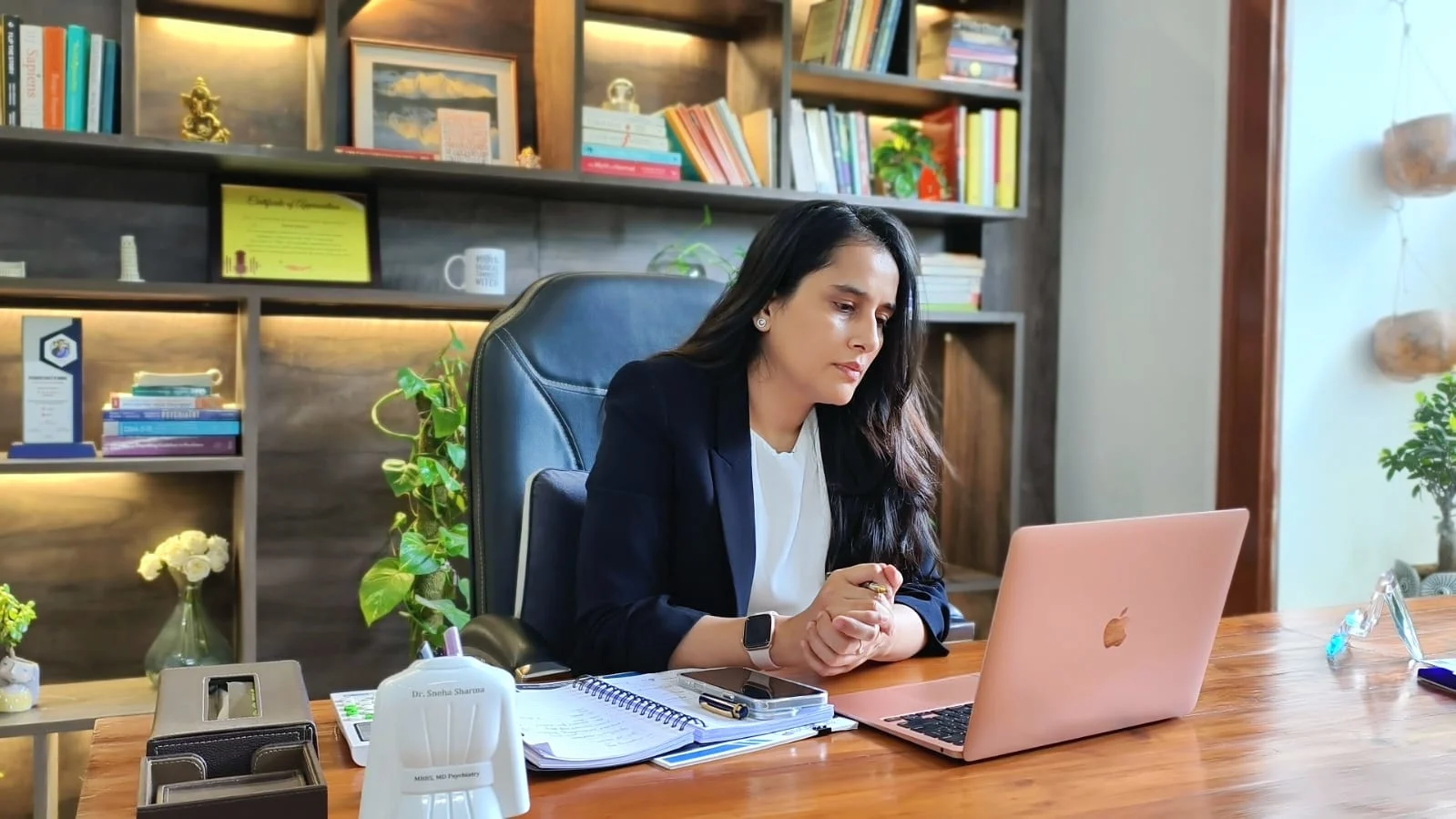
Just like the Gym is for your body, Therapy is for your Mind
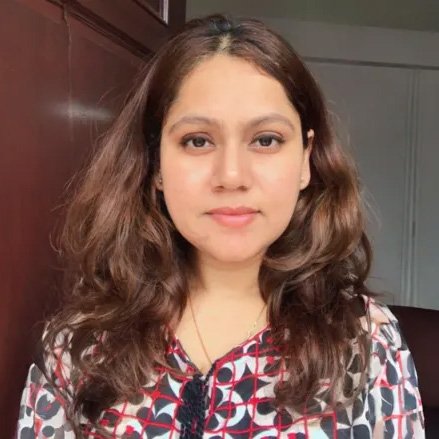
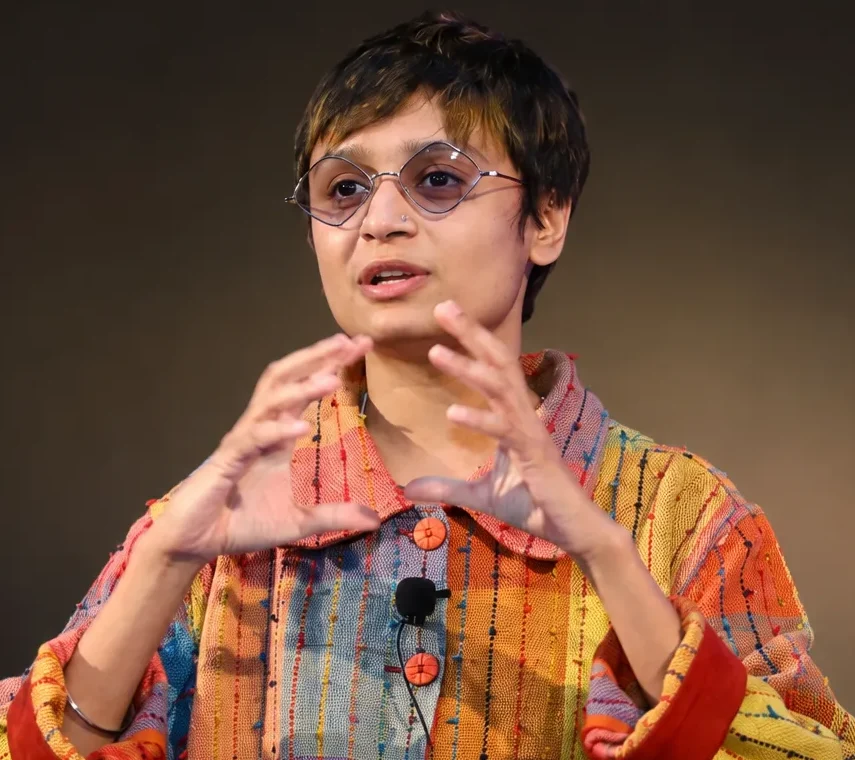
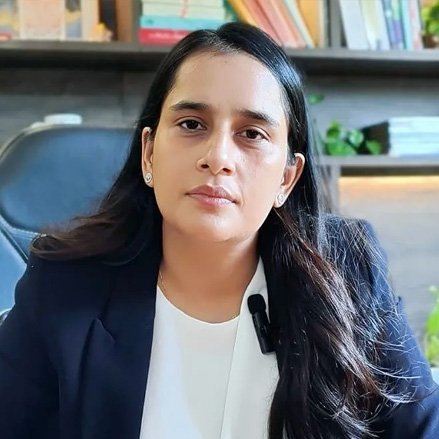
Dr. Sneha Sharma
Psychiatrist, Anvaya Healthcare
Experience healing from the safety of your sanctuary. Our encrypted platform connects you with world-class specialists for confidential, convenient, and compassionate psychiatric care.
This is the question most people ask first — and rightly so. The answer, supported by a growing body of evidence, is a clear yes.
A landmark 2021 ICMR study on teletherapy in India found that online therapy delivered outcomes equivalent to in-person sessions for depression, anxiety, and stress — while reducing overall mental healthcare costs by nearly 40%. Multiple meta-analyses published in journals like The Lancet Psychiatry confirm the same.
The key difference between effective online therapy and ineffective chat-based support is who you see. At Anvaya Healthcare, you are seen by board-qualified psychiatrists and RCI-licensed clinical psychologists — not a wellness coach or a freshly certified counsellor.
For most mental health conditions, a structured course of 8–16 online sessions produces measurable, lasting improvement. Medication, when needed, can be prescribed and managed legally via online psychiatric consultation under India’s Telemedicine Guidelines 2020.
Therapy works best when you feel comfortable. Being at home removes the social anxiety of walking into a clinic.
Access Delhi's top AIIMS-trained psychiatrist from Lucknow, Jaipur, Pune, or any city in India.
No waiting room. No chance of being seen by someone you know. Sessions are between you and your therapist only.
Book sessions around your office hours, college schedule, or family routine. Evening and weekend slots available.
No travel time or cost. Online sessions typically cost 20–30% less than equivalent in-clinic consultations.
Starting therapy should not feel complicated. Here is exactly what to expect from the moment you reach out to your first session and beyond.
Call us or fill the online form. Tell us briefly what you're going through — we'll ask a few questions to understand your concern and match you with the right specialist.
Based on your concern, we assign a psychiatrist, clinical psychologist, or both. You receive appointment details and a secure video link — nothing to install.
Your first 60-minute session is a thorough clinical assessment. Your specialist listens, understands your history, and proposes a personalised treatment plan.
Regular sessions, medication review if needed, and between-session support tools. Your care plan is adjusted as you progress — not a one-size-fits-all protocol.
Online therapy is not just for “serious” problems. It helps with a wide range of emotional, psychological, and psychiatric concerns — from daily stress to complex clinical conditions.
When sadness lasts more than two weeks, affects your sleep, appetite, or ability to work — that's depression, and it is very treatable with the right care.
Racing thoughts, difficulty relaxing, physical tension, or panic attacks that won't go away. Anxiety disorders respond very well to structured online therapy.
Unwanted repetitive thoughts and rituals that take up hours each day. OCD is one of the most effectively treated conditions with ERP therapy.
Flashbacks, nightmares, emotional numbing, or hypervigilance after difficult events. EMDR and trauma-focused CBT are highly effective — and can be delivered online.
When the pressure of work, responsibilities, or life events becomes too heavy to manage alone. Online therapy gives you tools, perspective, and a skilled sounding board.
Communication breakdowns, marital conflict, separation, or family tension. Individual or couples therapy can rebuild understanding and connection.
Online psychiatric consultations for diagnosis, medication management, and CBTp. Family support and psychoeducation also available remotely.
School anxiety, behavioural issues, ADHD, depression, and developmental concerns in children and teenagers — treated with age-appropriate therapy and parent involvement.
Chronic sleeplessness, racing thoughts at night, or disrupted sleep cycles addressed through CBT-I — the most evidence-backed non-medication sleep treatment.
This is the most common question — and the most important. Getting the right type of specialist for your concern makes a significant difference in treatment outcomes.
A psychiatrist is a medical doctor who specialises in mental health. They can diagnose mental illnesses, prescribe medication (antidepressants, antipsychotics, mood stabilisers), and provide medical management. For conditions like schizophrenia, bipolar disorder, severe depression, and psychosis — a psychiatrist is essential, not optional.
A clinical psychologist is a trained mental health expert specialising in evidence-based psychotherapy. They cannot prescribe medication, but their tools — CBT, DBT, EMDR, psychodynamic therapy — can be equally powerful for the right conditions. Psychologists also conduct formal psychological assessments (IQ, personality, neuropsychological).
A counsellor provides structured supportive therapy for everyday emotional challenges, relationship issues, life transitions, and moderate stress. They are not equipped to diagnose mental illness or prescribe medication. For mild-to-moderate concerns and personal growth, counselling is an accessible and effective starting point.
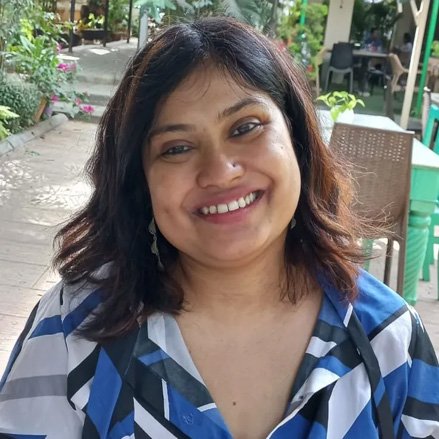
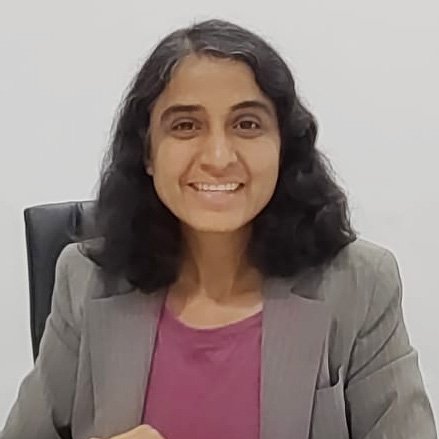
Consultant Psychiatrist | Co-Founder
Psychiatrist
Psychiatrist & Addiction Specialist
Consultant Psychiatrist
Clinical Psychologist
Counselling Psychologist
Counselling Psychologist & Behavioral Therapist
Loading booking form…
Not all therapy is the same. Different conditions respond to different evidence-based approaches. Our psychologists are trained in multiple modalities and select the most effective one for your specific concern.
Cognitive Behavioural Therapy
CBT is the gold standard for anxiety, depression, OCD, and panic disorder. It works by identifying and restructuring negative thought patterns and behaviours that sustain emotional distress. CBT is structured, goal-oriented, and typically runs for 12–16 sessions. Research consistently shows it produces durable improvement — not just symptom relief. Highly effective as online therapy via video sessions.
Dialectical Behaviour Therapy
DBT was developed specifically for people with intense emotional experiences, self-harm urges, and borderline personality patterns. It combines cognitive therapy with mindfulness, distress tolerance, and interpersonal effectiveness skills. DBT is delivered in individual sessions and skills-training format — both available online. It is the most evidence-backed treatment for emotional dysregulation and borderline personality disorder.
Eye Movement Desensitisation & Reprocessing
EMDR is the most evidence-backed therapy for PTSD and complex trauma. It helps the brain reprocess traumatic memories through bilateral stimulation — shown to work as effectively via online video as in person. EMDR does not require the client to talk in detail about the trauma, which makes it preferable for many people who find verbal processing too distressing. WHO-endorsed for trauma treatment.
Cognitive Behavioural Therapy for Psychosis
CBTp is specifically adapted for people experiencing psychosis, schizophrenia, or bipolar disorder. It helps individuals make sense of their symptoms, reduce the distress associated with persistent hallucinations and delusions, and build relapse-prevention skills. CBTp is most effective alongside antipsychotic medication — which is why integrated psychiatric + psychological care matters for these conditions.
Exposure & Response Prevention
ERP is the most effective treatment for OCD. It involves gradual, structured exposure to feared thoughts or situations while resisting the urge to perform compulsive rituals. ERP sounds challenging but is delivered carefully and collaboratively — at a pace the client controls. Online delivery of ERP is well-validated in clinical research and works for the full spectrum of OCD subtypes.
Acceptance & Commitment Therapy
ACT helps people build psychological flexibility — accepting difficult thoughts and feelings without being controlled by them, while clarifying personal values and committing to meaningful action. Particularly effective for chronic pain, anxiety, depression, and perfectionism. ACT complements CBT well and is growing rapidly as an evidence-based approach for a wide range of emotional concerns.
Mindfulness-Based Cognitive Therapy
MBCT combines mindfulness meditation practices with CBT to prevent relapse in recurrent depression. It teaches people to recognise and disengage from the rumination patterns that trigger depressive episodes. MBCT is recommended by NICE (UK) and the APA for patients who have experienced three or more depressive episodes. Fully deliverable online with high effectiveness.
Gottman Method · EFT · Systemic Family Therapy
Our trained couples therapists use the Gottman Method and Emotionally Focused Therapy (EFT) to work with marital conflict, communication breakdown, and emotional disconnection. Online couples therapy is highly effective — both partners join the same video session from different locations if needed. Family therapy is available for parent-child conflict, family grief, and systemic issues.
Both work — but online therapy has distinct advantages for most people. Here is an honest, evidence-based comparison.
| Factor | Online Therapy (Anvaya) | Traditional In-Person |
|---|---|---|
| Clinical Effectiveness | ✓ Equal — research confirmed | ✓ Equal |
| Access — Any City in India | ✓ Pan India — anywhere | ✗ Limited to your city |
| Specialist Quality | ✓ AIIMS/NIMHANS trained | Varies widely by location |
| Privacy & Anonymity | ✓ No waiting room exposure | ✗ Risk of being seen |
| Cost (per session) | ✓ ₹1,500–₹3,000 | ₹2,000–₹5,000+ |
| Scheduling Flexibility | ✓ Evenings & weekends | Limited by clinic hours |
| Travel Time & Cost | ✓ Zero — from home | ✗ Commute required |
| Medication Prescription | ✓ Legal online (TM 2020) | ✓ Always available |
| Insurance Coverage | ✓ Covered (MHA 2017) | ✓ Covered |
| Session Consistency | ✓ Fewer missed sessions | ✗ Cancellations common |
Our specialists have experience across the full spectrum of mental health conditions — from everyday stress to complex psychiatric disorders.
Most clients feel relief after just 2–3 sessions. The first step is a simple conversation.
If you have landed on this page, you are probably asking yourself one of these questions: Is online therapy real? Is it as good as going to a clinic? How do I even start? Will it stay private? This guide answers all of them — honestly, and in plain language.
India carries one of the largest mental health burdens in the world. The NMHS (National Mental Health Survey) estimates that over 150 million Indians need active mental health care — yet fewer than 30 million ever receive it. The treatment gap is not primarily a willingness problem. It’s an access problem: not enough qualified specialists, geographic concentration in metros, high costs, and the persistent social stigma of walking into a psychiatrist’s clinic.
Online therapy directly addresses every one of these barriers. A family in Lucknow can now see the same AIIMS-trained psychiatrist as a family in South Delhi. A corporate professional in Pune does not have to take a half-day off work to attend therapy. A college student in Chandigarh does not have to worry about being seen at a mental health clinic by someone they know.
The short answer is: yes, for the vast majority of conditions and people. This is not marketing — it is what the evidence says. A 2021 systematic review in World Psychiatry covering 452 randomised controlled trials confirmed that internet-delivered cognitive behavioural therapy (iCBT) produced outcomes comparable to face-to-face CBT for depression, anxiety, OCD, and PTSD. The ICMR’s 2021 report on telepsychiatry in India reached the same conclusion specifically for the Indian population and healthcare context.
There are specific situations where in-person therapy is preferable or necessary — severe eating disorders requiring medical monitoring, acute psychiatric crises needing physical assessment, or young children requiring play therapy materials. For everything else, online delivery is clinically equivalent and often superior in terms of consistency and accessibility.
An online therapy session at Anvaya Healthcare is a 45–60 minute secure video call — no different in structure from any other consultation you’ve had with a doctor online. Your therapist is on screen, listening, asking questions, and working through exercises with you. For CBT, you might review a thought record together. For EMDR, bilateral stimulation is adapted for video delivery. For a psychiatric review, your doctor assesses your symptoms, reviews your response to medication, and adjusts your care plan.
Between sessions, your therapist may assign structured self-monitoring tools, thought diaries, or mindfulness exercises. Progress is tracked and reviewed at regular intervals. The session ends with a clear plan for what you’re working on before the next appointment.
Honest, detailed answers to the questions we hear most — before people book their first session.
Second floor, Plot No 28,
Sector-12A Rd, Block A,
Sector 12 Dwarka
Call Now: +91-9810659825
Ground Floor, Plot No. - E-7/5, Block E,
Vasant Vihar, South Delhi
Call Now: +91-9650277301
1 in every 5 individuals
suffers from some form of mental health illness