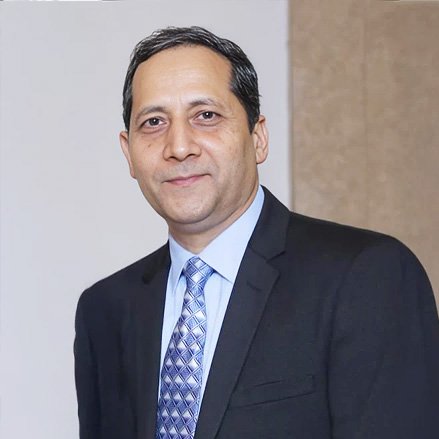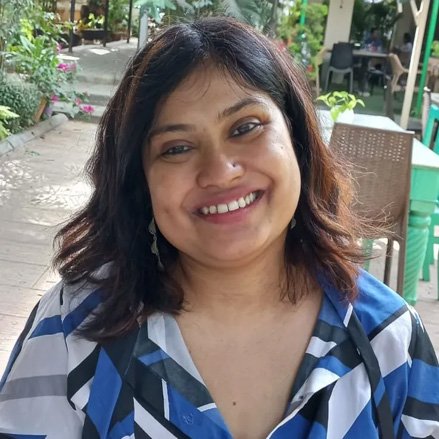


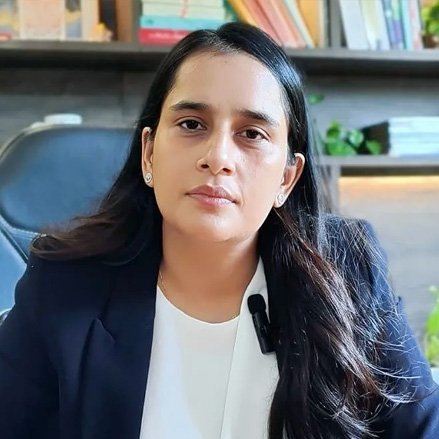
Just like the Gym is for your body, Therapy is for your Mind
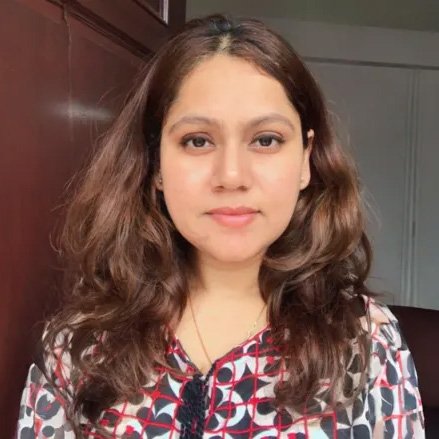
Dr. Sneha Sharma
Psychiatrist, Anvaya Healthcare
AIIMS, LHMC & NIMHANS-trained psychiatrists & psychologists offering bipolar disorder treatment with evidence-based care from the comfort of your home — pan India, confidential, and covered by insurance.
Patients Helped
Specialists
Online Access
Satisfaction Rate
Bipolar disorder is one of the most commonly misdiagnosed mental health conditions in India. People spend years — sometimes over a decade — cycling through episodes of depression and unexplained high energy, getting treated for one or the other, never getting the full picture.
India’s National Mental Health Survey 2016 found a current prevalence of 0.3% and a lifetime prevalence of 0.5% for bipolar disorder — translating to millions of people. Nearly 80% of survey respondents had never heard of bipolar disorder at all. The treatment gap sits at 70.4% for current bipolar disorder, meaning 7 in 10 people with an active diagnosis are receiving no treatment. Two-thirds of those with the condition reported moderate to severe disability across work, social life, and family — not because the condition can’t be managed, but because it so rarely gets properly identified.
That’s what makes early diagnosis important, and what makes platforms like Anvaya Healthcare genuinely useful — connecting people across India to the psychiatric expertise that accurate bipolar diagnosis and long-term management actually requires.
Around 70% of people with bipolar disorder in India do not receive treatment (NMHS-based data)
Despite affecting millions, nearly 80% of people in India have never heard of bipolar disorder, leading to delayed recognition and lack of timely help
Psychiatrists can legally prescribe antipsychotics online under India's Telemedicine Guidelines 2020
Bipolar disorder is frequently misdiagnosed, with many individuals treated only for depression or high energy phases separately, missing the full pattern of mood episodes for years.
MBBS plus MD in Psychiatry — is usually the essential first step. Bipolar disorder requires accurate diagnosis, which is harder than it sounds — the depressive episodes get noticed, the manic ones often don’t, and misdiagnosis as unipolar depression is common. Once the full picture is clear, a psychiatrist manages the mood-stabilising medication that forms the clinical foundation of treatment.
M.Phil. plus RCI registration — builds on that foundation with structured psychological work. CBT adapted for bipolar disorder addresses the thought patterns that amplify episodes, helps with lifestyle and routine management, and develops the relapse-prevention skills that make long-term stability possible. Psychoeducation — understanding the condition, recognising early warning signs, knowing what to do with that knowledge — is also the psychologist’s domain.
For most people with bipolar disorder, medication and therapy running together produces significantly better outcomes than either alone.
The defining feature of bipolar disorder is episodes — distinct periods when mood, energy, and behaviour shift significantly from the person’s baseline. What makes it hard to spot is that the two poles feel completely different, and people often seek help only during depression. Manic episodes: elevated or irritable mood, sharply reduced need for sleep without tiredness, racing thoughts, impulsive decisions that don’t reflect the person’s usual judgment. A sense of being unusually capable that people around them experience very differently.
Depressive episodes: persistent low mood, loss of interest, exhaustion, cognitive slowing, feelings of worthlessness — often indistinguishable from unipolar depression unless someone also asks about the other side. Mixed states — manic energy alongside depressive mood — are particularly distressing and particularly easy to misread. Sleep disturbances and behavioural changes that arrive without obvious cause. Functional impairment that tracks with episodes but doesn’t fully resolve between them. If this pattern — not just depression, but episodes that swing — sounds familiar, a proper psychiatric assessment is the right step.
A continuous, heavy sense of sadness, emptiness, or emotional numbness that lasts for days or weeks, making it difficult to function, stay motivated, or find relief even in situations that would normally bring comfort or joy.
Sleeping far less than usual without feeling tired, often accompanied by increased energy, restlessness, and prolonged activity, which may go unnoticed at first but can escalate into poor judgment and exhaustion later.
A rapid, uncontrollable stream of ideas or thoughts that jump quickly from one topic to another, making it difficult to concentrate, follow conversations, or complete tasks in an organized and coherent way.
A noticeable decline in motivation or pleasure in activities once enjoyed, such as hobbies, work, or social interactions, often leading to withdrawal, reduced engagement, and a sense of disconnection from everyday life.
You can book a session at Anvaya Healthcare, where you start with a psychiatrist or psychologist. The initial assessment is detailed. A psychiatrist maps the full episode history: how long the person has experienced mood swings, what each pole looks like, whether there are patterns to the triggers, what current functioning looks like, any family psychiatric history. Diagnosing bipolar disorder requires that full picture. It’s not a quick process, and it shouldn’t be.
Medication is introduced carefully — mood stabilisers like lithium remain the most commonly recommended treatment in Indian clinical practice. Therapy is layered in alongside. Follow-up sessions monitor mood patterns over time, assess medication response, and track the leading indicators of an oncoming episode. For bipolar disorder specifically, that ongoing monitoring isn’t optional — it’s where the value of sustained psychiatric care actually lives. All medication is legally prescribed under India’s Telemedicine Practice Guidelines (2020)
is the clinical backbone. Lithium, valproate, lamotrigine — the right choice depends on the predominant pole, episode history, and individual factors. Getting it right takes time and monitoring. This isn’t a condition where medication is set once and forgotten.
CBT for bipolar disorder targets the patterns that worsen episodes: overconfident planning during hypomania, avoidance during depression, the sleep habits that destabilise mood. It’s adapted for the episodic nature of the condition — not generic CBT.
Psychoeducation is often underestimated. People who understand their condition — who recognise early warning signs and know what to do when they notice a shift — manage their illness more effectively. Their families do too.
Relapse prevention and lifestyle management are where long-term work happens: sleep routine, activity levels, substance avoidance, social rhythm. The connection between routine and mood stability in bipolar disorder is well-established — disruption, even positive disruption, can trigger an episode.
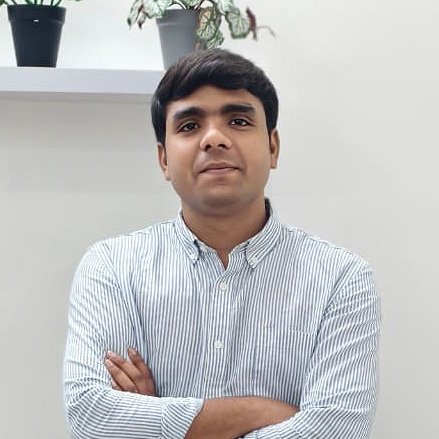
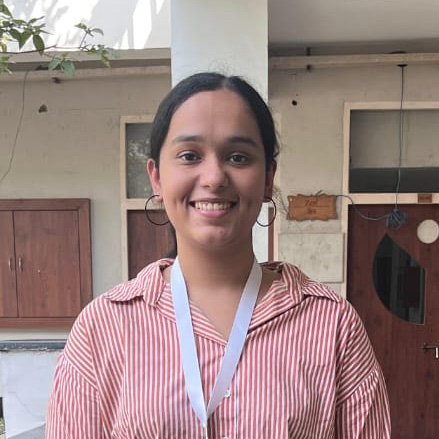
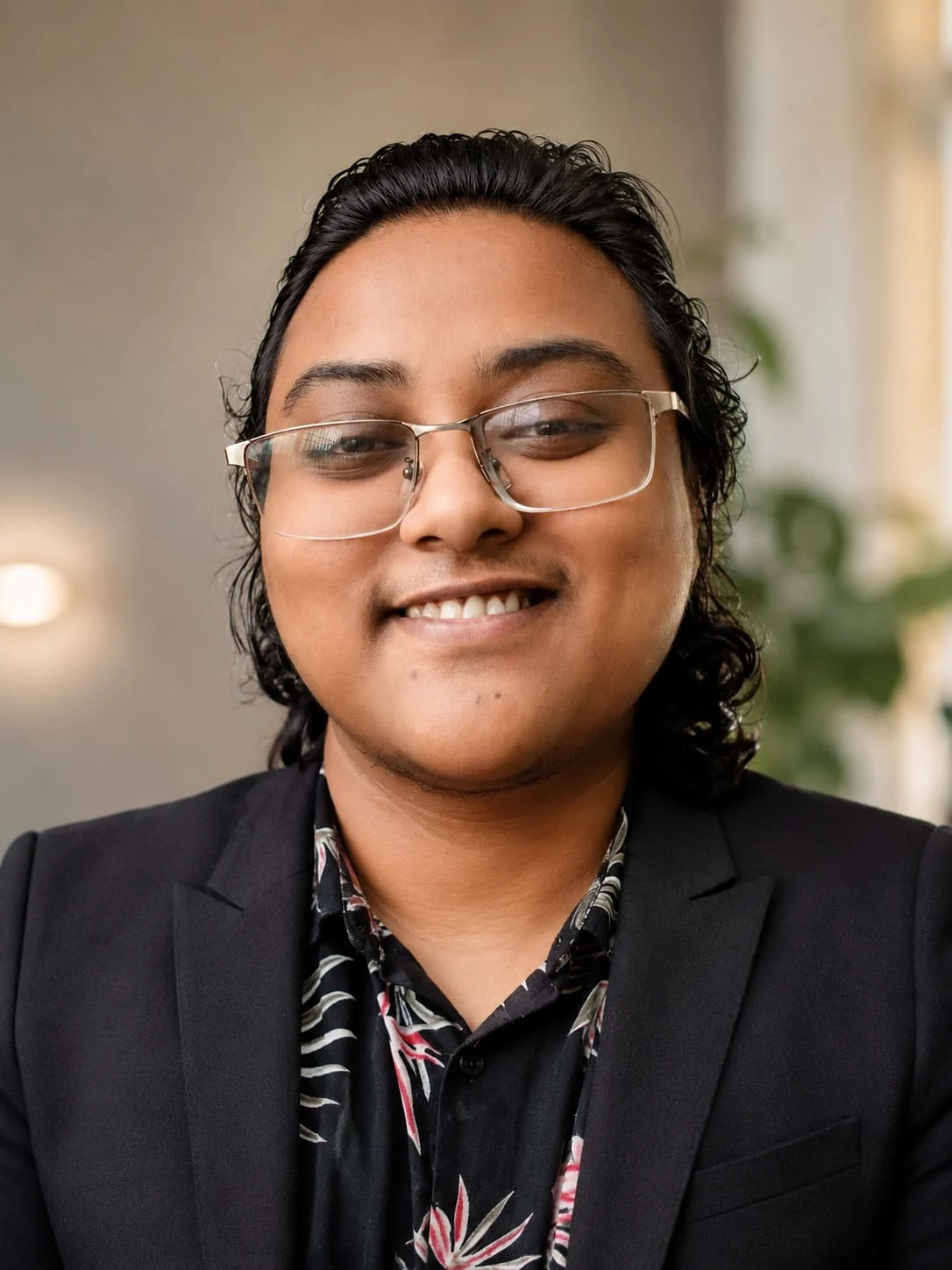
Consultant Psychiatrist | Co-Founder
Psychiatrist
Psychiatrist & Addiction Specialist
Psychiatrist
Consultant Psychiatrist
Clinical Psychologist
Loading booking form…
Bipolar disorder is a long-term condition. It doesn’t resolve after a course of treatment and stop needing attention. Online care makes that long-term reality manageable in a way that requiring regular in-person clinic visits simply doesn’t for most people. Privacy matters here too. The stigma around bipolar disorder in India is significant — the episodes, the behaviour during them, the medication. Consulting privately from home removes the exposure that keeps many people from seeking help in the first place. Continuous monitoring is one of the most important things a clinical team can provide for bipolar disorder — catching the early warning signs of an emerging episode before it fully develops. Online follow-ups make that monitoring sustainable. Flexible scheduling fits around the reality that mood and energy fluctuate. Pan India accessibility via Anvaya Healthcare means people in cities without strong psychiatric infrastructure reach the same quality of care as someone in Delhi.
Affordable, transparent pricing. The Mental Healthcare Act 2017 mandates insurance parity for mental health — check your policy’s OPD clause.
₹1500 – ₹2,500 per session
₹1,500 – ₹8,000 per session
The psychiatrists and psychologists at Anvaya Healthcare trained at AIIMS, NIMHANS, IHBAS, Lady Hardinge Medical College, and VIMHANS. Bipolar disorder is a condition where diagnostic accuracy shapes everything — misdiagnosis as unipolar depression leads to antidepressant-only treatment that can destabilise mood further. Treatment is personalised. Bipolar I and II have different clinical profiles. The approach reflects that. Confidential, easy to book, available across India.
For bipolar disorder, where long-term mood stabilization and medication management require careful clinical judgment, the depth of training is hard to overstate.
Treatment is built around the individual — history, symptoms, family context, and goals for recovery. Not a standard protocol applied to everyone.
Consult from home. The stigma around bipolar disorder in India remains strong. Privacy isn’t optional—it’s essential for effective treatment.
When both work in coordination, outcomes are substantially better. At Anvaya, that coordination actually happens — both are within the same clinical setting.
A family in Kanpur, Bhopal, or any smaller city gets the same quality of psychiatric expertise as someone in South Delhi. That's the whole point.
Before the first session, track your mood patterns — not just the current state, but any pattern you’ve noticed over months or years. The psychiatrist needs both poles, not just the one that prompted the booking. Prepare your medical and medication history: previous diagnoses, medications tried, whether antidepressants have ever made things worse. Family history of mood disorders is relevant — bipolar disorder has a strong hereditary component.
List current symptoms and how long they’ve been present. Note any recent sleep disruption, significant life changes, or stressors. Private space, stable internet, earphones. Be honest during the session — including about the episodes you’re less comfortable discussing. The manic or hypomanic side gets minimised in consultations because it felt good at the time, or because there’s shame about decisions made during it. That information is exactly what the psychiatrist needs.
Yes. Psychiatric assessment, medication management, psychoeducation, and CBT all transfer well to online delivery. Regular monitoring — which is particularly important for bipolar disorder — is if anything easier to sustain in an online model than one that requires travelling to a clinic every time.
Yes. The psychiatrists are qualified medical doctors registered with state medical councils, legally permitted to prescribe mood stabilisers and other medications under India's Telemedicine Practice Guidelines (2020).
Bipolar disorder is a long-term condition requiring sustained treatment. The goal is stability and relapse prevention, not a fixed endpoint. Most people remain on medication and in periodic review for years — which is appropriate and reflects good clinical management, not failure.
For most people, yes. Medication stabilises mood; therapy builds the skills, awareness, and lifestyle habits that make that stability durable. Psychoeducation specifically has strong evidence for reducing relapse rates in bipolar disorder.
Yes. Your sessions are private and protected, with strict confidentiality standards followed by qualified professionals at every step of care.
Start with a psychiatrist — accurate diagnosis and medication management are the foundation. A clinical psychologist for CBT and psychoeducation should follow, or run in parallel. Therapist experience with bipolar disorder specifically matters; the approach differs meaningfully from general mood disorder work.
Second floor, Plot No 28,
Sector-12A Rd, Block A,
Sector 12 Dwarka
Call Now: +91-9810659825
Ground Floor, Plot No. - E-7/5, Block E,
Vasant Vihar, South Delhi
Call Now: +91-9650277301
1 in every 5 individuals
suffers from some form of mental health illness