

Just like the Gym is for your body, Therapy is for your Mind
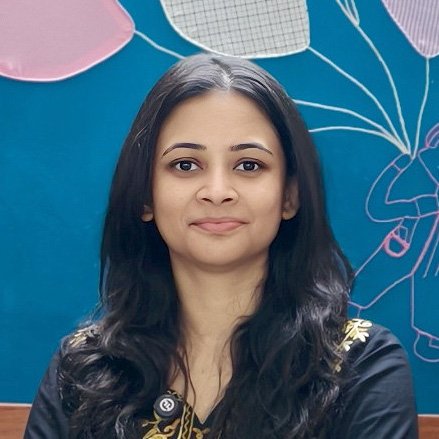
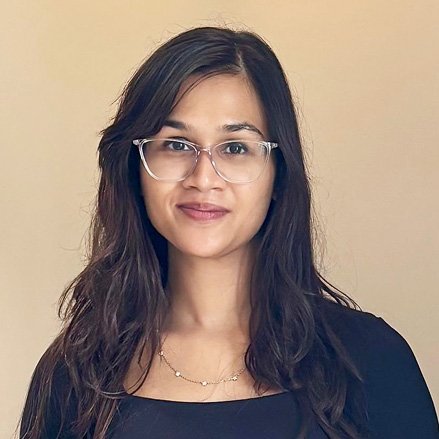
Dr. Sneha Sharma
Psychiatrist, Anvaya Healthcare
Get specialized online eating disorder treatment in india from highly qualified psychiatrists and psychologists, alumni from AIIMS, LHMC, and NIMHANS. Work with experts to get confidential and evidence-based care for the treatment of anorexia, bulimia, and binge eating disorder.
Patients Helped
Specialists
Online Access
Satisfaction Rate
Anorexia nervosa has one of the highest mortality rates of any mental health condition globally. And yet in India, most people with eating disorders spend years undiagnosed, because the condition looks nothing like what most people imagine.
It’s not always about being thin. Binge eating disorder is the most common eating disorder, affecting people across all body sizes. Bulimia stays hidden for years behind a facade of normal functioning. Anorexia is sometimes not even fat-phobic in the Indian clinical context — non-fat-phobic presentations are significantly more common here than in Western populations. India’s National Mental Health Survey estimated eating disorders affect 2 to 2.4% of the population. A Mysore study found 26% of students showed signs of abnormal eating attitudes. Among female medical students in southern India, the figure was 13%. These aren’t edge cases.
Getting the right treatment requires the right professionals — and for most people in India, that path isn’t obvious. Platforms like Anvaya Healthcare make specialist psychiatric and psychological care accessible to people across the country who wouldn’t otherwise find it.
Anorexia nervosa has one of the highest mortality rates among all mental health conditions globally.
India’s National Mental Health Survey estimates that eating disorders impact up to 2.4% of the population.
Psychiatrists can legally prescribe antipsychotics online under India's Telemedicine Guidelines 2020
A psychiatrist (MBBS + MD in Psychiatry) leads on diagnosis, medical monitoring, and medication. Eating disorders sit at the intersection of psychiatric and physical health — the cardiac, hormonal, and nutritional consequences of restriction, bingeing, and purging need medical oversight that only a qualified doctor can provide. Medication is also a meaningful part of treatment for bulimia and binge eating disorder specifically, and for the depression and anxiety that almost always co-occur.
A clinical psychologist (M.Phil. + RCI registration) delivers the psychological treatment that is the core of recovery. CBT for eating disorders has the strongest evidence base. Family-based therapy for adolescents has decades of research behind it. Psychotherapy that addresses the underlying emotional patterns — the perfectionism, the shame, the relationship with control — is where lasting change tends to come from.
The hardest thing about eating disorders is that the person experiencing one is usually the last to name it.
Persistent restriction of food beyond normal dieting. Recurring episodes of eating large amounts quickly, with loss of control. Purging behaviours — vomiting, laxatives, or excessive exercise — to compensate. Rituals around food, eating in secret, and avoiding meals with others.
Preoccupying fear of weight gain or body image that doesn’t match reality. The disorder distorts perception of what’s actually happening. Beliefs like “it isn’t serious enough” delay recognition and help-seeking.
Physical signs such as dizziness, hair thinning, dental erosion, missed periods, and feeling cold constantly. Mood swings that intensify around mealtimes. Withdrawal from social situations involving food — gradually affecting most interactions.
A strong need for control, alongside anxiety and shame. Disconnection between how someone feels about food and how they think they should feel. The person experiencing it is often the last to recognise or name the problem.
You book a session by phone or online. At Anvaya Healthcare, the team can guide who aren’t sure where to begin. For eating disorders, starting with a psychiatrist makes sense: medical safety needs to be established first, co-occurring conditions need to be identified, and the full clinical picture needs to be mapped before therapy begins.
You book a session by phone or online. Medical safety needs to be established first, co-occurring conditions need to be identified, and the full clinical picture needs to be mapped before therapy begins.
The initial assessment covers eating behaviours and patterns, the history of the condition, physical health status, and the emotional and relational context. It's detailed. Nothing useful gets built on a rushed assessment.
CBT as the primary approach, with family-based therapy or psychotherapy as needed. The focus is not just on food, but on underlying beliefs, emotions, and patterns. Where needed, a registered dietitian is included alongside therapy.
Follow-ups track eating, mood, health, and therapy progress — essential since recovery is non-linear. Medication, if needed, is prescribed under India’s Telemedicine Practice Guidelines (2020).
CBT for eating disorders is the most evidence-backed approach. It targets the distorted cognitions maintaining these conditions — the rules about food, the beliefs linking body and worth, the emotional logic that makes restriction or bingeing feel necessary — and dismantles them while building more functional patterns.
Family-based therapy — the Maudsley approach — is the treatment of choice for adolescents with anorexia. It treats parents as the most important resource for supporting recovery at home, not as a cause of the problem.
Psychotherapy works on what’s underneath: perfectionism that turns food into a domain of control, shame that resists direct challenge, relational wounds CBT doesn’t always reach. For some people, this is what makes CBT sustainable rather than a temporary fix.
Medication management for bulimia, binge eating, and co-occurring depression or anxiety is the psychiatrist’s domain. The psychiatric and psychological tracks run alongside each other, not in sequence.
Consultant Psychiatrist | Co-Founder
Psychiatrist
Psychiatrist & Addiction Specialist
Psychiatrist
Consultant Psychiatrist
Clinical Psychologist
Loading booking form…
Home matters for eating disorder treatment in a way it doesn’t for every condition. The triggers are at home. The bathroom where purging happens is at home. The kitchen where bingeing happens is at home. Doing therapy from that environment means the work is happening in the actual context of the struggle — not in a clinical office that feels removed from daily life. Privacy is the other significant factor. The shame around eating disorders, particularly bulimia and binge eating, keeps people from seeking help for years. An online consultation — no visible clinic visit, no reception area — changes what’s possible for a lot of people.
Flexible scheduling fits the reality that eating disorder recovery isn’t linear. Some days are harder than others. Pan India accessibility via Anvaya Healthcare means someone in a city without an eating disorder specialist — which is most cities in India — reaches the same quality of care as someone in the metros where specialist clinicians are actually based. Continuous monitoring between sessions is built into the process. The periods when someone most wants to disengage from treatment are often the periods when staying in contact matters most.
Affordable, transparent pricing. The Mental Healthcare Act 2017 mandates insurance parity for mental health — check your policy’s OPD clause.
₹1500 – ₹2,500 per session
₹1,500 – ₹5,500 per session
The psychiatrists and psychologists at Anvaya Healthcare trained at AIIMS, NIMHANS, IHBAS, Lady Hardinge Medical College, and VIMHANS. Eating disorders are one of the more specialised areas of mental health — not every clinician has worked with them, and general training doesn’t cover the specific therapeutic approaches these conditions require. That specialisation matters at the assessment stage especially, where the difference between an accurate clinical picture and a missed diagnosis shapes everything that follows. Treatment is built around the individual. The approach reflects that. Confidential. Easy to book. Available across India.
For Eating Disorder, where medication management over years requires careful clinical judgement, training depth matters in ways that are hard to overstate.
Treatment is built around the individual — history, symptoms, family context, and goals for recovery. Not a standard protocol applied to everyone.
Consult from home. The stigma around Eating Disorder in India is among the harshest. Privacy is a clinical necessity, not just a feature.
When both work in coordination, outcomes are substantially better. At Anvaya, that coordination actually happens — both are within the same clinical setting.
A family in Kanpur, Bhopal, or any smaller city gets the same quality of psychiatric expertise as someone in South Delhi. That's the whole point.
Before the session, note what your eating actually looks like, not the version you’d be comfortable describing, but what’s actually happening. What does a bad day involve? What triggers it? What comes after? The clinician needs the real picture. Prepare your medical history: previous diagnoses, physical health concerns, medications. If you’ve had eating disorder treatment before, note what it involved and whether it helped.
Think about whether a family member should be present — for younger patients especially, a parent can give the clinician a fuller picture. Private space. Stable internet. And be straight with the clinician. The instinct to minimise is strong with eating disorders. The more accurately you describe what’s happening, the more precisely they can help.
Yes, for therapy, psychiatric management, and ongoing monitoring. Severely medically compromised presentations — very low weight, serious physical complications — may need in-person or inpatient assessment first. For most outpatient presentations, online works well.
Yes. The psychiatrists are qualified medical doctors registered with state medical councils, legally permitted to prescribe under India's Telemedicine Practice Guidelines (2020).
Several months to over a year for most presentations. Recovery isn't a straight line. The goal is durable change, not short-term symptom suppression — and that takes the time it takes.
Nutritional guidance is not part of the clinical team here. Where a registered dietitian is indicated as part of recovery, a referral can be arranged.
Yes, It is confidential.
Start with a psychiatrist medical safety and the full psychiatric picture need to be established first. A clinical psychologist with specific eating disorder experience should follow in parallel. The therapist's background matters: eating disorder work is different from general anxiety or depression therapy.
Second floor, Plot No 28,
Sector-12A Rd, Block A,
Sector 12 Dwarka
Call Now: +91-9810659825
Ground Floor, Plot No. - E-7/5, Block E,
Vasant Vihar, South Delhi
Call Now: +91-9650277301
1 in every 5 individuals
suffers from some form of mental health illness