


Just like the Gym is for your body, Therapy is for your Mind
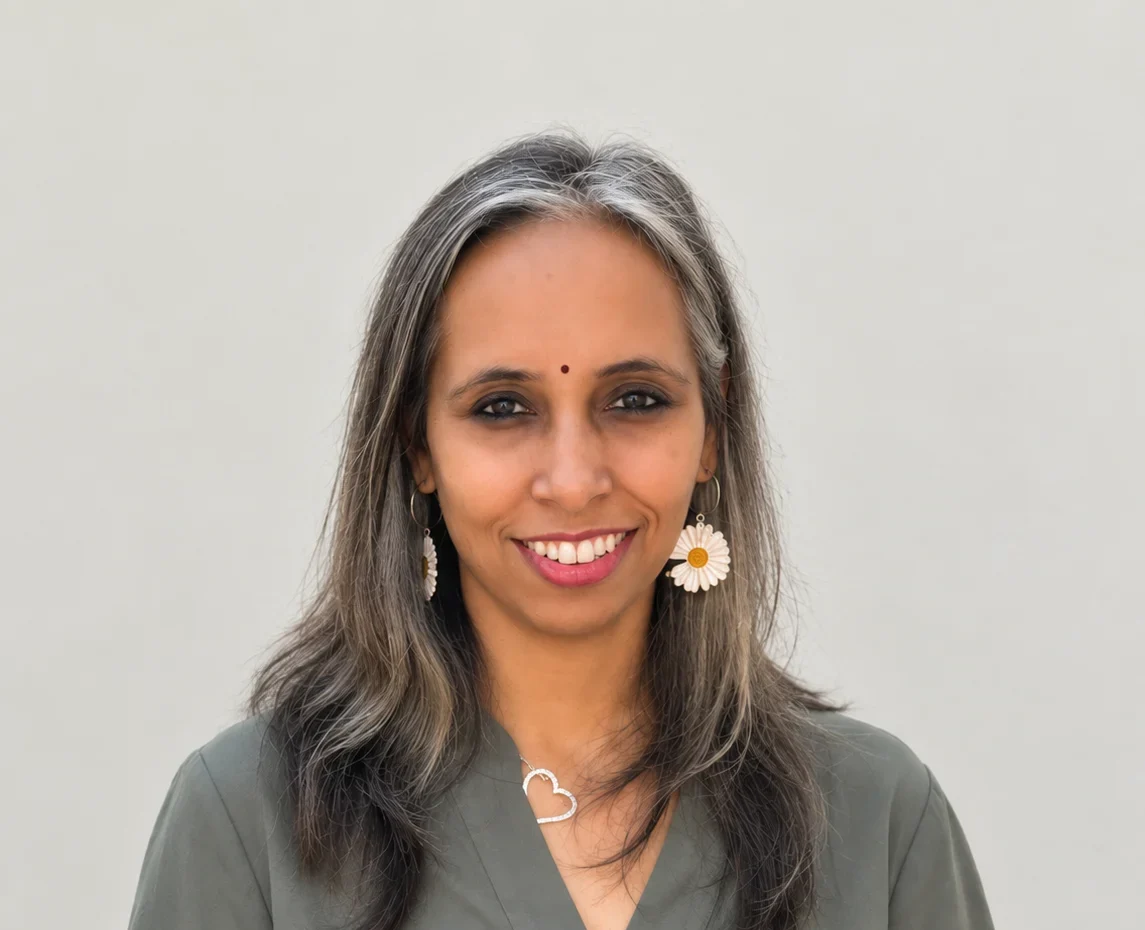
Dr. Sneha Sharma
Psychiatrist, Anvaya Healthcare
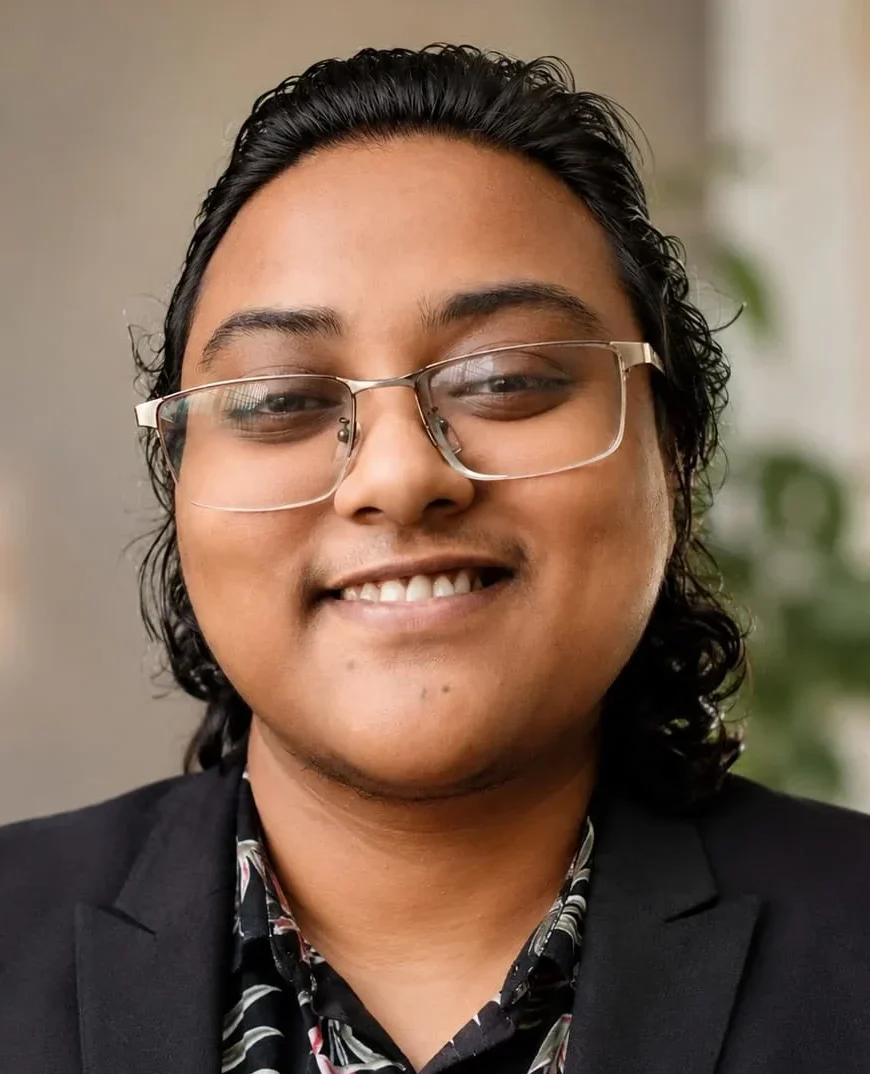
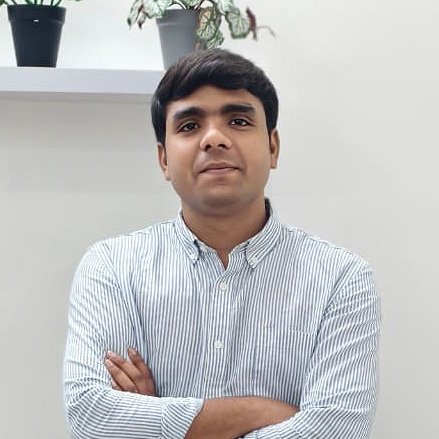
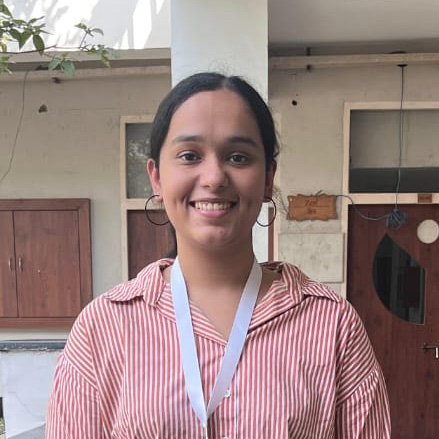
Clinical Psychologists & Counselling Psychologists trained at leading institutions such as AIIMS, LHMC & NIMHANS. Evidence-based DBT therapy delivered online across India — confidential, structured, and accessible from home.
Patients Helped
Specialists
Online Access
Satisfaction Rate
Dialectic Behaviour Therapy is the only treatment with enough replication to be considered evidence-based for borderline personality disorder. That sentence comes from a Cochrane Collaborative Review — not a therapy website. It reflects what decades of research have consistently found: for people struggling with intense emotional dysregulation, self-harm, and the relational chaos that comes with it, DBT outperforms every other intervention tested against it.
But DBT isn’t only for BPD. It was originally developed for chronic suicidality, then extended. Research now supports its use for depression, PTSD, eating disorders, substance use, and any presentation where emotional dysregulation is the central driver of the problem. Studies show DBT reduces self-harm behaviours by up to 50% and significantly reduces suicidal ideation.
In India, access to properly trained DBT therapists is extremely limited. Anvaya Healthcare has therapists with specific DBT training available for online sessions across India, making this approach accessible to people who wouldn’t otherwise be able to reach it.
DBT is a highly researched therapy for borderline personality disorder, backed by strong long-term clinical evidence.
For individuals struggling with intense emotions, self-harm, and unstable relationships, DBT consistently outperforms other therapeutic approaches.
Trained DBT therapists are scarce in India, but online sessions make structured, specialised care accessible across the country.
DBT can cut self-harm behaviours by up to 50% and significantly reduce suicidal thoughts.
A clinical psychologist (M.Phil. + RCI registration with additional DBT training) is the primary DBT provider. DBT is a structured, skills-based therapy — four modules delivered in a specific sequence. The individual therapy component, the skills training, the behavioural chain analysis — these require a clinician who has been specifically trained and supervised in the approach, not just familiar with it.
DBT wasn’t designed to treat diagnoses — it was designed to treat emotional dysregulation as the mechanism underlying a range of problems. That distinction matters for who it can help.
DBT has its strongest evidence base in BPD, targeting unstable relationships, fear of abandonment, identity disturbance, and intense emotional swings by addressing core emotional regulation deficits.
Originally developed for chronic self-harm, DBT remains the most evidence-supported therapy for reducing self-harm and suicidal behaviours outside inpatient settings.
For individuals with intense emotions, anger, and low distress tolerance — even without BPD — DBT helps stabilise reactions and improve relationships.
DBT is effective where emotional avoidance drives depression, anxiety, eating disorders like binge eating, and broader impulse control difficulties.
Book an online DBT session with Anvaya Healthcare via phone or website. Based on your needs, the right specialist guides your assessment and structured DBT treatment from the start.
Book a session at Anvaya Healthcare online or by phone. A clinical psychologist typically leads DBT assessment, with psychiatric input added if medication is needed.
The first session focuses on understanding your concerns — emotional triggers, behaviour patterns, and how dysregulation shows up — with clear, goal-oriented planning.
Sessions follow a structured format: reviewing diary cards, addressing behaviours, and building skills in mindfulness, distress tolerance, emotion regulation, and interpersonal effectiveness.
Progress is tracked using diary cards that record emotions, urges, and skill use, ensuring therapy is based on real, week-to-week patterns and measurable change.
The foundation of DBT. Not mindfulness as a wellness practice—mindfulness as the deliberate, non-judgemental observation of one’s own emotional states, urges, and behaviours. Without this capacity, the other skills don’t work.
Skills for moments when emotion is at its highest and acting on it would make things worse. These are practical techniques for surviving a crisis without escalating, rather than trying to feel better immediately.
Building the ability to understand emotions, reduce vulnerability to them, and change emotional responses over time. These skills work when the emotional state is not yet overwhelming.
Teaches how to navigate relationships while maintaining self-respect and achieving objectives. For people with BPD or relational difficulties, these skills address the most damaging dimensions of the condition.
Maps every link in the sequence when a problematic behaviour occurs—the trigger, vulnerability factors, thoughts, feelings, and actions. Understanding the full chain makes it possible to intervene earlier next time.
Clinical Psychologist
Loading booking form…
DBT is structured. That’s not a limitation — for people who have spent years in open-ended therapy that didn’t produce change, the structure is what makes it different. There are specific skills being taught, specific goals being tracked, specific data being reviewed each session. Progress is observable, not impressionistic. Privacy matters particularly for conditions like BPD and self-harm, which carry significant stigma in India. An online session from home, without any visible clinic attendance, changes what people are willing to pursue. Flexible scheduling fits around the reality that emotional dysregulation doesn’t keep office hours — some days are much harder than others, and online makes attendance more realistic on those days.
Accessible across India through Anvaya Healthcare — which is significant given how few therapists in India have specific DBT training. Affordable compared to equivalent in-person specialist therapy. Continuous support between sessions is built into the DBT model itself — diary cards maintained daily, skills practised between sessions, not just during them.
Affordable, transparent pricing. The Mental Healthcare Act 2017 mandates insurance parity for mental health — check your policy’s OPD clause.
₹1,500 – ₹3,000 per session
DBT requires specific post-qualification training and supervised practice. It’s not a therapy that transfers from general clinical psychology training without additional work. The psychologists at Anvaya Healthcare who deliver DBT have that specific training — alongside foundational qualifications from AIIMS, NIMHANS, IHBAS, Lady Hardinge Medical College, and VIMHANS.
For conditions like BPD and chronic self-harm, the quality of the therapeutic relationship and the therapist’s ability to hold the dialectical stance — validating the person’s experience while simultaneously pushing for change — is as important as technical competence. That balance requires supervision and experience. It’s what Anvaya Healthcare’s DBT clinicians bring. Personalised treatment plans, confidential sessions, easy booking, pan India accessibility.
For online DBT therapy in India, the therapist’s training depth matters, as structured skills and interventions require careful clinical judgement and consistent, long-term application.
Treatment is built around the individual — history, symptoms, family context, and goals for recovery. Not a standard protocol applied to everyone.
Consult from home. Privacy matters in mental health care, making online DBT therapy a practical and comfortable option.
When both work in coordination, outcomes are substantially better. At Anvaya, that coordination actually happens — both are within the same clinical setting.
A family in Kanpur, Bhopal, or any smaller city gets the same quality of psychiatric expertise as someone in South Delhi. That's the whole point.
DBT requires specific post-qualification training and supervised practice. It’s not a therapy that transfers from general clinical psychology training without additional work. The psychologists at Anvaya Healthcare who deliver DBT have that specific training — alongside foundational qualifications from AIIMS, NIMHANS, IHBAS, Lady Hardinge Medical College, and VIMHANS.
For conditions like BPD and chronic self-harm, the quality of the therapeutic relationship and the therapist’s ability to hold the dialectical stance — validating the person’s experience while simultaneously pushing for change — is as important as technical competence. That balance requires supervision and experience. It’s what Anvaya Healthcare’s DBT clinicians bring. Personalised treatment plans, confidential sessions, easy booking, pan India accessibility.
Yes. A review of online DBT found attendance is actually improved in online delivery, with comparable outcomes to in-person for the presenting conditions DBT is designed to treat. The skills-based component translates well to video delivery.
Individual DBT sessions typically run 50 to 60 minutes. Skills training sessions — when delivered in a group format or as a separate module — often run longer, up to 90 minutes. Initial assessment sessions are typically 60 to 75 minutes.
BPD, self-harm, suicidal behaviours, emotional dysregulation, depression, PTSD, eating disorders (particularly binge eating and bulimia), substance use, and impulse control problems.
Yes, counselling is confidential. Your information is kept private and secure.
Through Anvaya Healthcare's website or by calling any of the three branches — Dwarka, Vasant Vihar, or Gurugram. Online and in-clinic options are available.
Standard DBT runs for 6 months to a year of weekly sessions. Adapted programmes are shorter. Your clinician will outline the recommended structure after the initial assessment.
Second floor, Plot No 28,
Sector-12A Rd, Block A,
Sector 12 Dwarka
Call Now: +91-9810659825
Ground Floor, Plot No. - E-7/5, Block E,
Vasant Vihar, South Delhi
Call Now: +91-9650277301
1 in every 5 individuals
suffers from some form of mental health illness