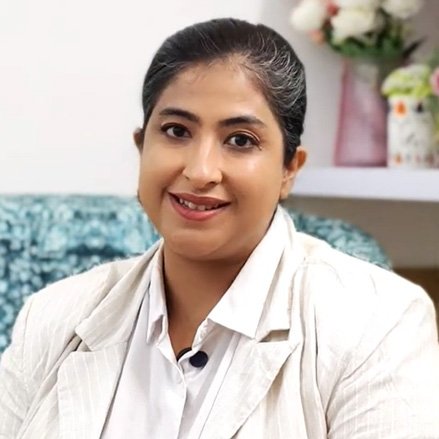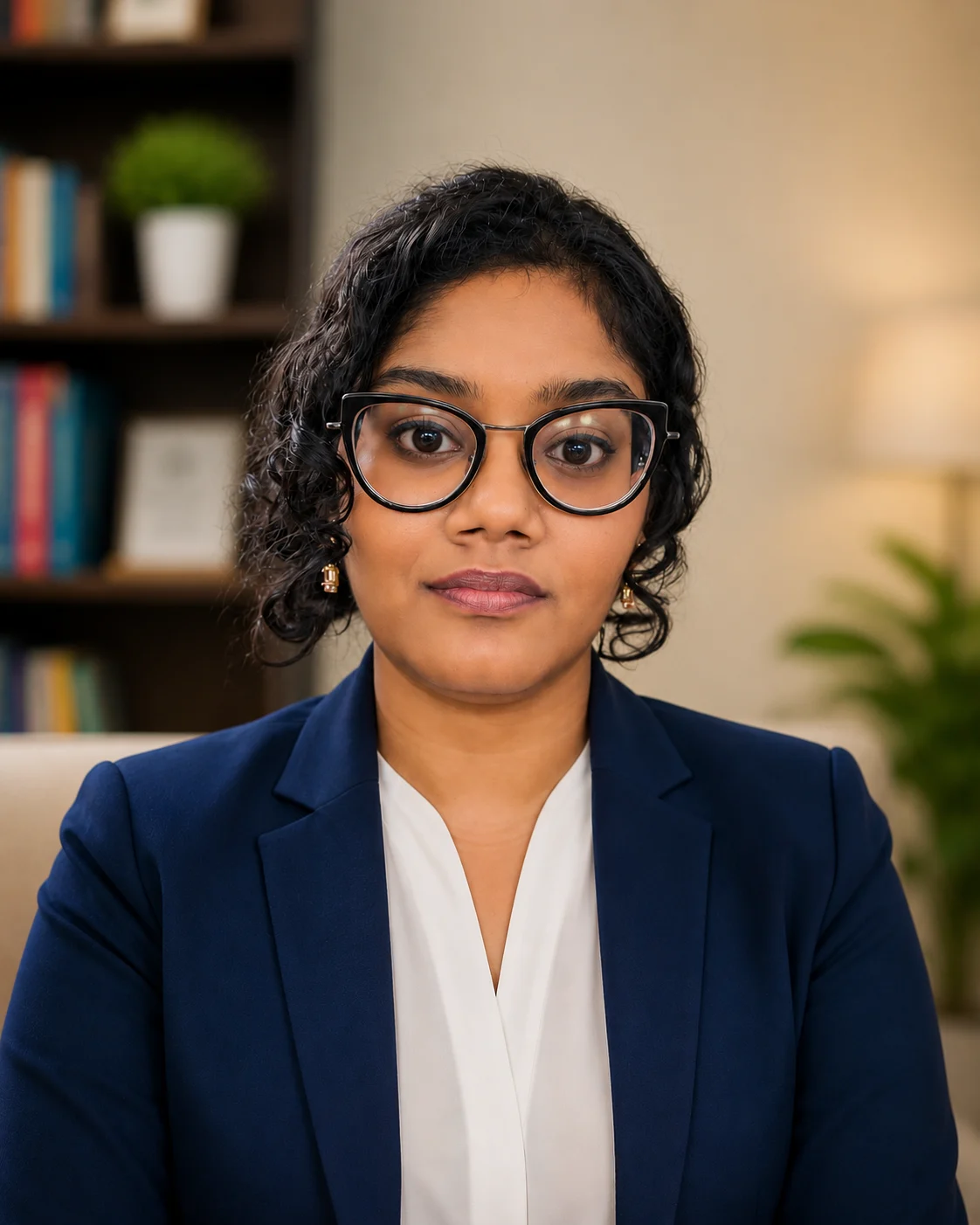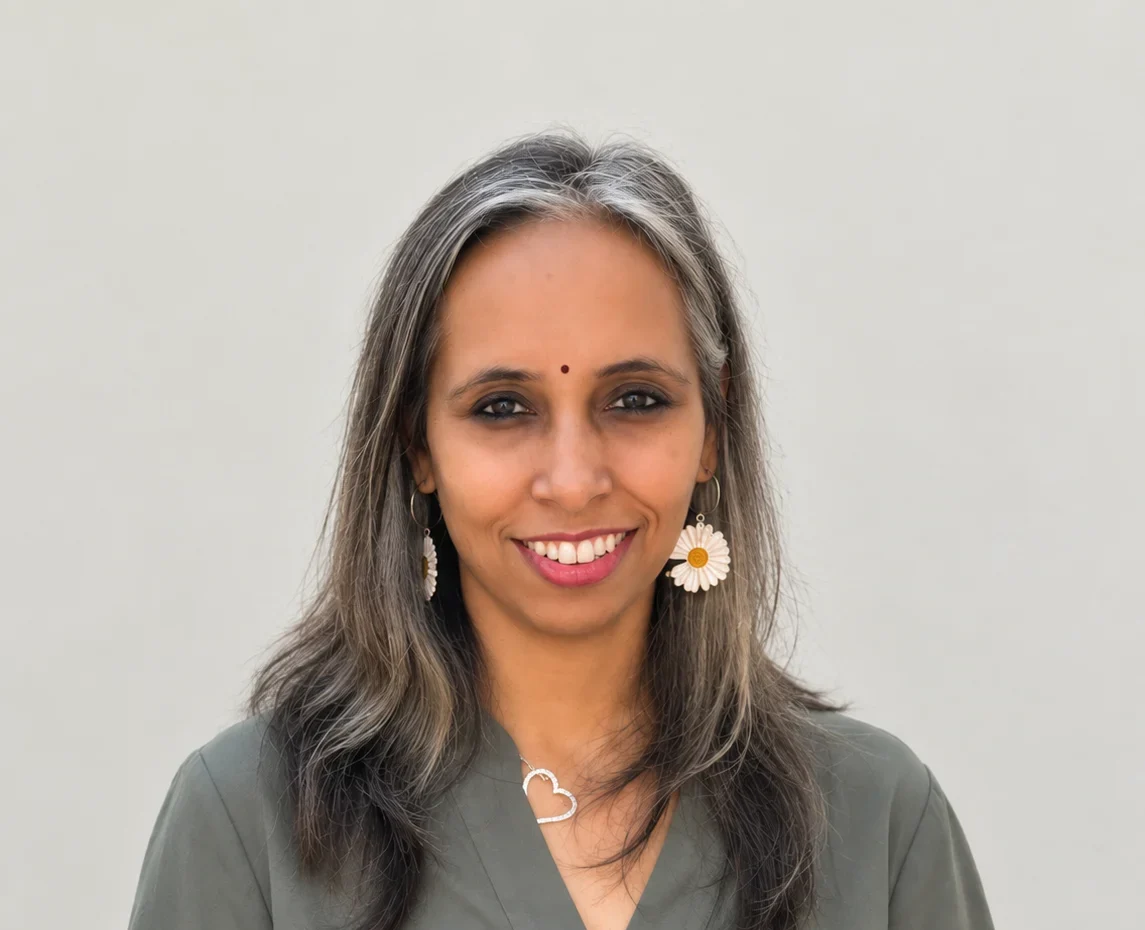


Dr. Purva Agarwal
Clinical Psychologist
PsyD, RCI (Psychology)
Experience: 3+ Years
TALK TO US
info@anvayahealthcare.com
+91-9810659825
Just like the Gym is for your body, Therapy is for your Mind
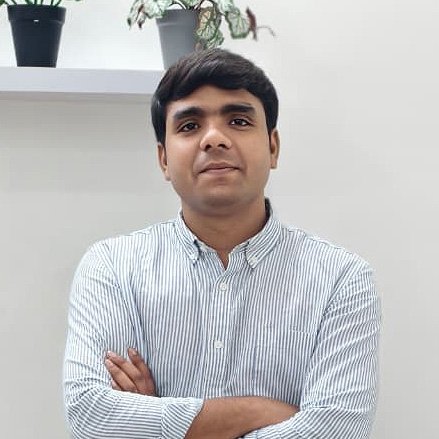
Dr. Sneha Sharma
Psychiatrist, Anvaya Healthcare
Find compassionate, evidence-based occupational therapy in Kolkata at Anvaya Healthcare. Our personalised therapy sessions help individuals develop essential daily living skills, improve independence, and manage challenges affecting their physical, emotional, and cognitive well-being. Whether you're experiencing difficulties with everyday activities, sensory processing, motor skills, or adapting to life changes, our experienced occupational therapy professionals provide confidential, supportive care tailored to your needs. With the right guidance and a structured treatment plan, meaningful progress, greater independence, and improved quality of life are possible.
📅 Book Consulation
That word, occupational, sends most people down the wrong path. It has nothing to do with employment. It refers to the occupations that fill an ordinary day โ the small, unglamorous acts a person must manage to live, study, work, and play. For a child that means gripping a pencil, fastening a shirt, sitting still long enough to take in a lesson, and coping with a noisy classroom. For an adult recovering from illness or injury, it means winning back command of their day.
With children, occupational therapy is among the most valuable supports available and the least understood. A child who cannot grip a pencil properly, comes apart at particular sounds, is still defeated by buttons and laces when classmates are not, or cannot stay seated to finish anything is often written off as careless, clumsy, or badly behaved. What that child needs is skilled, specific help. Once the underlying difficulty is identified and the right support begins, much of the frustration eases.
The INCLEN Trust study places autism at close to 1 in 100 Indian children under ten, and ADHD has been measured among Indian school children as high as 11.3% in some research โ both conditions in which occupational therapy plays a significant part. Beyond them are many more children with sensory processing difficulties, developmental delays, and fine-motor trouble who never reach an assessment, usually because no one told the family such help existed, or the nearest specialist felt out of reach.
In Kolkata, recognition is often delayed for a gentler reason. In many households a child is fed, dressed, and buttoned up long past the age at which they could manage alone โ by a grandmother, an aunt, or the help who has known them since birth. โHe is still small,โ everyone says. โWhere is the hurry?โ It is done out of affection, but it masks the very difficulties an occupational therapist looks for: a child never asked to dress themselves never reveals that they cannot. Consulting online brings assessment into the home before those years are lost, and spares families the long journey across the city with a child who already finds travel hard.
The INCLEN Trust study reported autism prevalence at approximately 1 in 100 Indian children under the age of 10.
Some research has measured ADHD prevalence among Indian school children at as high as 11.3%.
Occupational therapy can support children experiencing sensory processing difficulties, developmental delays, and fine-motor challenges through personalised assessment and targeted intervention.
Writing that is untidy, painfully slow, or laboured, letters that will not form, or a child avoiding written work wherever possible. Where neat hater lekha is prized and two scripts are carried through school, this surfaces early
Difficulty with exact hand movements: gripping a pencil, using scissors, closing buttons, or handling anything small
Still struggling with dressing, eating, or washing well after classmates manage unaided. Sitting down to rice and fish and picking out the bones tests small-muscle control, and a child who avoids it may be telling you something
Knocking into things, falling frequently, or struggling with anything demanding balance and a sense of where the body is
Outsized reactions to sound, texture, light, or movement, or the reverse: a constant search for sensory input
Difficulties surfacing in the classroom, particularly around writing, organisation, and staying with a task
Difficulty holding attention, staying organised, or managing daily routines without prompting
A core area of this work. Children who take in too much or too little of what they hear, touch, or feel are helped to meet the world with less distress.
The small, exact movements behind writing, drawing, handling cutlery, and working a button or zip, each addressed directly.
Sensory processing, self-care, motor coordination, and emotional regulation are worked on, forming one strand of the support autism requires.
Where attention and impulse control are the difficulty, sessions build the self-regulation, organisation, and motor skills that help school and home run smoothly.
When milestones are missed, therapy builds the abilities behind movement, self-care, and daily function so the gap can close.
The motor, visual-processing, and organisational foundations learning rests upon are strengthened, alongside educational and psychological input.
Contact our team to schedule your first consultation at a convenient time, including evenings and weekends. Our occupational therapist assesses your concerns, daily challenges, and developmental or functional needs, incorporating parents' observations where appropriate.
We evaluate essential abilities, including fine and gross motor skills, sensory processing, coordination, self-care, and attention. Individual strengths and challenges are identified to guide personalised therapy.
Our therapists create a practical treatment plan with clear, achievable goals, such as improving handwriting, dressing independently, or developing coordination. Interactive, activity-based sessions use engaging exercises and age-appropriate activities to support skill development.
Receive personalised home activities to reinforce skills between sessions. Progress is reviewed regularly, and the treatment plan is adjusted as abilities develop. Anvaya Healthcare supports Kolkata families through consultations from home, with in-person support where appropriate.
Methodical work on the components handwriting is made of: grip, letter formation, spacing, and control. It is among the commonest reasons a child is referred, and it translates to guided sessions particularly well.
Focused practice building the precise finger and hand movements writing, dressing, and everyday handling demand, using household items rather than specialist clinic equipment.
Graded activities that help a child take in and respond to sensory input more comfortably, adapted for the home setting with the therapist's guidance and the family's own materials.
Games and exercises developing the larger movements, balance, and coordination that physical confidence and participation in play depend on.
Building independence in dressing, grooming, and eating, broken into steps small enough for the child to master one at a time.
Strengthening attention, planning, sequencing, and organisation: the skills behind a child managing their own tasks and routines.
Showing parents the techniques and activities to weave through the day, where most of the lasting progress is actually made.
Clinical Psychologist
PsyD, RCI (Psychology)
Experience: 3+ Years
TALK TO US
Clinical Psychologist
M.A & M.Phil (Clinical Psychology)
Experience: 3+ Years
TALK TO US
Child Psychologist
M.A (Psychology)
Experience: 9+ Years
TALK TO US
Counselling Psychologist & Behavioral Therapist
MA - Psychology
Experience: 13+ Years
TALK TO US
Clinical Psychologist
MA & M.Phil (Clinical Psychology)
Experience: 3+ Years
TALK TO US
Counselling Psychologist
M.Phil.Ed, M.S.Ed
Experience: 5+ Years
TALK TO US
Clinical Psychologist
MA & M.Phil (Clinical Psychology)
Experience: 7+ Years
TALK TO US
Clinical Psychologist
MA (Clinical Psychology), RCI Registered
Experience: 5+ Years
TALK TO US
Clinical Psychologist
M.Phil. | MA | PG Diploma in Counselling & Family Therapy (LHMC)
VIEW PROFILEClinical Psychologist
M.Phil. | MA | PG Diploma in Counselling & Family Therapy (LHMC)
Experience: 3+ Years
TALK TO US
Clinical Psychologist
M.Phil (Clinical Psychology)
Experience: 15+ Years
TALK TO US
Clinical Psychologist
M.Phil in Clinical Psychology (IHBAS, Delhi University)
VIEW PROFILEClinical Psychologist
M.Phil in Clinical Psychology (IHBAS, Delhi University)
Experience: 2+ Years
TALK TO US
Counselling Psychologist
M.A. Clinical Psychology | PG Diploma in Guidance & Counselling (PGDGC)
VIEW PROFILECounselling Psychologist
M.A. Clinical Psychology | PG Diploma in Guidance & Counselling (PGDGC)
Experience: 3+ Years
TALK TO US
Clinical Psychologist
M.Phil. Clinical Psychology (IHBAS)
Experience: 2+ Years
TALK TO US
Counselling Psychologist
MA - Psychology | Diploma in Guidance and Counseling
VIEW PROFILECounselling Psychologist
MA - Psychology | Diploma in Guidance and Counseling
Experience: 6+ Years
TALK TO US
Drama & Movement Therapist
BA Hons. | MA | PG Diploma, Trauma Focused Therapy
VIEW PROFILEDrama & Movement Therapist
BA Hons. | MA | PG Diploma, Trauma Focused Therapy
Experience: 6+ Years
TALK TO US
Counselling Psychologist
B.Sc, MA - Psychology
Experience: 4+ Years
TALK TO US
Consulting from home places parents at the centre, exactly where this work is most effective, since most gains come in ordinary routines rather than the session itself
Children are more relaxed on home ground, and the therapist observes them where these skills must actually work, using the family's own things. That often gives a truer picture than a clinic room
No waiting room and no journey across town, which matters doubly for a child who finds travel and unfamiliar places difficult
Sessions arranged around school and two working parents, without pulling a child from class for an appointment across the city
If a family leaves the city or travels often, therapy continues rather than restarting with someone new and a fresh assessment
Families reach skilled therapists without needing them stationed nearby, opening up far more than whichever clinic is closest
Our occupational therapists work inside a genuinely multidisciplinary team, alongside child psychiatrists and psychologists, and that arrangement earns its keep. Children who need occupational therapy rarely need only that. Where autism, ADHD, or a learning difficulty is also present, the therapy must be joined up with the rest of a child’s care rather than running on its own track, and the team is built to make that happen. Families are spared assembling separate providers who never speak to one another.
Our interventions are evidence-based. This field, like autism support, attracts unproven methods and confident promises, and parents under pressure are the readiest audience for them. What we offer rests on established practice and genuine clinical evidence, not fashionable approaches promising more than they deliver.
Nothing is delivered off the shelf. No two children need quite the same thing, so the assessment builds a detailed profile and the plan grows from it, revisited as the child develops and fresh goals appear.
There is also the question of space. Many Kolkata children grow up in compact flats with no garden and little open ground nearby, their running and climbing confined to a rooftop, a lane, or an occasional trip to the Maidan, and weeks of monsoon close even that off. Gross motor development suffers quietly in such conditions, which is why a good home programme is built around the space a family actually has rather than the space a textbook assumes.
Set against the alternatives, government developmental and rehabilitation services do necessary work but carry long waiting times and infrequent sessions โ especially damaging here, where regular repetition produces the change. A child seen only occasionally, with long gaps between, progresses far more slowly than one with dependable support. Staying with the same therapist shows in the outcome.
Online consultations start from โน1,500 per session, with pricing varying by the therapist’s experience and seniority. Centres in Delhi NCR are available for in-person sessions where hands-on work helps, with progress monitored throughout the course of therapy.
For occupational therapy, improving daily living skills, independence, and functional abilities requires the expertise and personalised guidance of experienced occupational therapists.
Occupational therapy is personalised to your functional abilities, developmental needs, daily challenges, and recovery goalsโensuring care that's tailored to your unique needs.
Consult from the comfort of your home. Online occupational therapy offers privacy, convenience, and personalised professional support to help you develop essential skills and improve daily independence.
When psychotherapy and psychiatric care work together, recovery is often faster and more effective. At Anvaya Healthcare, our integrated team provides coordinated, evidence-based care tailored to your needs.
Same quality of psychiatric care wherever you are, with continuity over years.
Across most of what this work involves, yes. Assessment, coaching parents, home programmes, handwriting practice, and skill-building that can be demonstrated and talked through all translate well. The published evidence on tele-occupational therapy covers a wide range of needs. A few hands-on tasks genuinely require sharing a room, and our clinicians say so openly, so families know what suits their situation rather than being told every element transfers equally well.
Children with autism, ADHD, developmental delays, sensory difficulties, coordination problems, or handwriting and fine-motor challenges, and equally adults rebuilding after injury or a neurological condition. Wherever a developmental, sensory, or physical difficulty stands between someone and the practical business of daily life, an assessment is worth having.
That depends on what the child needs and the goals agreed at the outset. Occupational therapy generally unfolds as a continuing process rather than a fixed course, with regular sessions across several months and the emphasis shifting as abilities grow. Plans are reshaped around observed progress, never a number decided in advance.
With children, taking part is not optional โ it is the mechanism. Much of this work is delivered by showing parents how to run activities themselves between appointments, and consulting from home makes that involvement far easier to sustain than clinic visits allow families juggling office hours and the school run.
Yes โ occupational therapy is available to families anywhere in India, including all of Kolkata, whether you live centrally or out towards its edges. Contact us to arrange an initial assessment and the team will explain what follows and which support would suit your child.
Chats continue on WhatsApp. Please avoid sharing clinical details here.