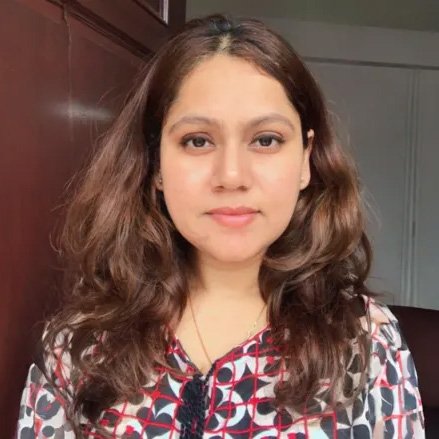


Dr. Sneha Sharma
Consultant Psychiatrist | De-Addiction Specialist
MBBS, MD (Psychiatry)
VIEW PROFILEDr. Sneha Sharma
Consultant Psychiatrist | De-Addiction Specialist
MBBS, MD (Psychiatry)
Experience: 14+ Years
TALK TO US
info@anvayahealthcare.com
+91-9810659825
Just like the Gym is for your body, Therapy is for your Mind
Dr. Sneha Sharma
Psychiatrist, Anvaya Healthcare
Get compassionate, evidence-based stress treatment in Kolkata at Anvaya Healthcare. Our personalised care focuses on understanding the causes of chronic stress, reducing symptoms, building practical coping skills, and supporting long-term emotional well-being. With expert psychological support, psychiatric care where clinically appropriate, and tailored treatment plans, we help individuals regain balance and function more comfortably in daily life.
📅 Book Consultation
Some tiredness does not lift after a weekend off. It is the exhaustion that remains after eight hours of sleep, the irritability that flares over small things, and the sense of moving through a day without being present in it. For many people in Kolkata’s working population, this has become normal rather than exceptional.
Chronic stress is a clinical problem. Left unaddressed, it tends to develop into anxiety, depression, or physical health conditions that are harder to treat than the original stress would have been if caught early.
The scale of the problem in India is well documented. Research has found that 40% of Indian employees frequently experience burnout and a further 38% report moderate distress, so more than three-quarters of the working population carries meaningful occupational strain. A 2015 ASSOCHAM study found that 43% of private-sector employees showed signs of generalised anxiety disorder or depression. A study of IT professionals working from home in India found that 60.66% experienced some stress, with 8.6% at severe levels. Long working days, crowded journeys, and a demanding professional culture mean that much of Kolkata’s workforce is affected.
A good deal of stress here comes from home rather than the office. In many families, one son or daughter stays in the city while the others move to Bengaluru or abroad, and that person quietly becomes responsible for ageing parents, hospital appointments, medicines, and the household. In older neighbourhoods such as Shyambazar, Shobhabazar, and Bhowanipore, the family house is often shared among many heirs and becomes the subject of a partition suit that runs for years, so people spend every evening under the same roof as the relatives with whom they are in dispute. Add a family business in Burrabazar struggling through a slow market, and the strain becomes constant. People rarely call this stress. They call it duty, which is why it goes unaddressed.
Research cited in the supplied content found that 40% of Indian employees frequently experience burnout.
A further 38% of Indian employees were reported to experience moderate distress.
A study of IT professionals working from home in India found that 60.66% experienced some stress.
Conduct comprehensive psychiatric assessments, evaluate stress symptoms and related concerns, and provide personalised treatment plans, including medication management when clinically appropriate and ongoing clinical support.
Provide evidence-based psychological interventions, psychoeducation, counselling, and practical coping strategies to help manage chronic stress, improve daily functioning, and support long-term emotional well-being.
Persistent fatigue that remains after what should be adequate rest. You wake up tired and stay tired, however much you slept. Unlike ordinary tiredness, it does not improve after a good night's sleep or a quiet weekend.
Reacting more sharply than a situation deserves and snapping at people you would not normally snap at, in a way that feels unfamiliar even to you.
Difficulty falling asleep while the mind replays the day's problems, or sleeping too long and still waking exhausted.
Work that once took an hour now takes three, simple decisions feel effortful, and clear thinking stays difficult despite caffeine or willpower.
Frequent headaches, tension in the neck and shoulders, chest tightness, or digestive problems with no other clear medical explanation. These are often the first signs a person notices, long before the person links them to stress.
Going through the motions of work and relationships without real interest, as though you were watching your life rather than living it.
Stress among Kolkata's working population tends to come from a recognisable set of sources, and understanding which of them apply to a particular person is what makes treatment effective rather than generic:
Long hours, tight deadlines, and a work culture that often rewards constant availability over genuine productivity. Being reachable at all hours has become normal, particularly since remote and hybrid working made office time and personal time harder to separate. Replying to a message at 10pm, or staying available across time zones, has quietly become standard.
Crowded suburban trains out of Sealdah and Howrah, packed buses, slow traffic on the bridges, and roads that flood after heavy rain. For many people in Kolkata, the journey to and from work takes a large share of the day and reduces the recovery time the body needs between demanding days.
Living expenses that outpace income, job uncertainty, uneven months for families who depend on a shop or trading business, and the responsibility of supporting extended family. People often carry this silently, without recognising how much it affects their mood.
For students and young professionals, board examinations, competitive entrance tests, and a crowded job market create chronic stress that begins before working life and often continues into the first years of a career.
Looking after children, ageing parents, or both at once, often within joint families where responsibilities are heavy and rarely shared evenly. The strain falls hardest on the family member who stayed while siblings moved away.
Crowding, noise, little privacy in a shared family house, and isolation can add to stress. Perfectionism, a strong tendency to worry, and never building rest into a busy schedule also increase vulnerability to chronic stress.
Contact our team, and we will help you decide whether a psychiatrist, a psychologist, or both would be the right place to start.
Your first consultation looks at the full picture โ what youโve been experiencing, how long it has been happening, triggers, symptom patterns, previous support, and its impact on daily life. This assessment forms the foundation of your care plan.
Based on your needs, your plan may include therapy, practical coping strategies, lifestyle guidance, and other appropriate support. Where clinically appropriate, a psychiatrist can also review whether medication may be helpful.
Treatment develops over time through regular follow-ups and adjustments. Sessions are available in English or Hindi, including convenient evening and weekend options. Our multidisciplinary team coordinates your care and provides support online wherever you are in Kolkata.
Identifying and changing the thought patterns and behaviours that keep stress high. CBT offers practical tools to interrupt unhelpful patterns before they grow into an anxious reaction.
Practical skills in time management, prioritisation, and communication, especially useful for people whose stress comes from difficulty setting limits at work or declining unreasonable demands.
Structured breathing exercises, meditation, and progressive muscle relaxation that allow the body to rest properly. Once learned, these skills can be used independently long after treatment ends.
Setting limits on working hours, reducing chronic overwork, and building skills for managing emotions under pressure. Small changes, such as a fixed end to the working day or a quiet interval between work and sleep, can help when applied consistently.
Where stress has developed into clinical anxiety or depression, or is seriously disrupting sleep, psychiatric evaluation and, where appropriate, medication can form part of a complete plan. This is not the starting point for most people, but it matters when therapy alone is not enough.
Evidence-based psychological support combined with practical strategies for managing triggers, setting boundaries, improving routines, and maintaining progress between sessions.
Consultant Psychiatrist | De-Addiction Specialist
MBBS, MD (Psychiatry)
VIEW PROFILEConsultant Psychiatrist | De-Addiction Specialist
MBBS, MD (Psychiatry)
Experience: 14+ Years
TALK TO US
Clinical Psychologist
PsyD, RCI (Psychology)
Experience: 3+ Years
TALK TO US
Clinical Psychologist
M.A & M.Phil (Clinical Psychology)
Experience: 3+ Years
TALK TO US
Child Psychologist
M.A (Psychology)
Experience: 9+ Years
TALK TO US
Consultation Psychiatrist
MBBS, MD (Psychiatry)
Experience: 6+ Years
TALK TO US
Consultant Psychiatrist
MBBS, MD (Psychiatry)
Experience: 15+ Years
TALK TO US
Counselling Psychologist & Behavioral Therapist
MA - Psychology
Experience: 13+ Years
TALK TO US
Psychiatrist
MBBS, DNB (Psychiatry)
Experience: 8+ Years
TALK TO US
Clinical Psychologist
MA & M.Phil (Clinical Psychology)
Experience: 3+ Years
TALK TO US
Counselling Psychologist
M.Phil.Ed, M.S.Ed
Experience: 5+ Years
TALK TO US
Clinical Psychologist
MA & M.Phil (Clinical Psychology)
Experience: 7+ Years
TALK TO US
Clinical Psychologist
MA (Clinical Psychology), RCI Registered
Experience: 5+ Years
TALK TO US
Clinical Psychologist
M.Phil. | MA | PG Diploma in Counselling & Family Therapy (LHMC)
VIEW PROFILEClinical Psychologist
M.Phil. | MA | PG Diploma in Counselling & Family Therapy (LHMC)
Experience: 3+ Years
TALK TO US
Psychiatrist & De-Addiction Specialist
MBBS | DPM (Psychiatry) | DNB (Neuropsychiatry)
VIEW PROFILEPsychiatrist & De-Addiction Specialist
MBBS | DPM (Psychiatry) | DNB (Neuropsychiatry)
Experience: 8+ Years
TALK TO US
Clinical Psychologist
M.Phil (Clinical Psychology)
Experience: 15+ Years
TALK TO US
Counselling Psychologist
M.A. Clinical Psychology | PG Diploma in Guidance & Counselling (PGDGC)
VIEW PROFILECounselling Psychologist
M.A. Clinical Psychology | PG Diploma in Guidance & Counselling (PGDGC)
Experience: 3+ Years
TALK TO US
Clinical Psychologist
M.Phil. Clinical Psychology (IHBAS)
Experience: 2+ Years
TALK TO US
Counselling Psychologist
B.Sc, MA - Psychology
Experience: 4+ Years
TALK TO US
Sessions can take place wherever you are, removing a practical barrier to attending regularly when work, exhaustion, or a demanding routine already make appointments difficult.
No chance of being seen by a colleague or neighbour as you walk into a clinic, which can make it easier to seek support when privacy matters.
Evening and weekend sessions in English or Hindi can be arranged around working hours rather than requiring leave.
Where appropriate, relatives can take part remotely without anyone having to arrange travel.
You can consult psychiatrists and psychologists trained at India's leading institutions without their being based in Kolkata.
Travel problems, work demands, or exhaustion after a long day are less likely to get in the way of an appointment.
Our psychiatrists and psychologists trained at India’s most rigorous institutions, including AIIMS, NIMHANS, IHBAS, Lady Hardinge Medical College, and VIMHANS, and hold the MCI/NMC or RCI registration required to practise in India.
Treatment is evidence-based and personalised, combining therapy, practical coping techniques, and medication where clinically appropriate, rather than offering one standard response to everyone.
Consultations take place on a confidential, secure platform.
For Kolkata residents comparing options, government mental health services may involve long waiting times, large numbers of patients, and limited time for each consultation. Chronic stress needs unhurried clinical attention, and consistent access to the same specialist over weeks and months, with enough time in each session, can support sustained treatment.
Consultations start from โน1,500 per session, with pricing varying by the specialist’s experience and seniority. Where in-person care is needed, we can refer you to our Dwarka, Vasant Vihar, or Gurugram centres.
Our psychiatrists and psychologists include specialists trained at India's leading institutions and registered with the relevant professional bodies.
Treatment is tailored to the individual's symptoms, circumstances, triggers, and recovery goals rather than using one standard stress-management programme.
Access confidential, professional stress treatment with evidence-based therapy, practical coping strategies, and ongoing mental health support.
Psychological and psychiatric care can be coordinated within one integrated setting when both forms of support are clinically appropriate.
Whether you are in Kolkata or elsewhere in India, Anvaya Healthcare provides access to professional mental health support through convenient consultations.
Stress needs professional attention when it is chronic, out of proportion to the situation, and disrupting daily life through persistent anxiety, burnout, lost sleep, physical symptoms, or a serious effect on work and relationships. At that point, it is worth seeking support rather than waiting.
Structured, evidence-based psychological interventions can significantly reduce stress symptoms for many people. Regular attendance, practical techniques, and a plan fitted to the person’s circumstances are important parts of treatment.
Yes. Consultations are available across India, so you can connect by video with specialists at our Dwarka, Vasant Vihar, and Gurugram centres from anywhere in Kolkata.
This depends on severity, causes, and how a person responds to treatment. Many people notice improvement within the first few sessions, while a fuller course may involve four to twelve weekly sessions followed by occasional maintenance appointments.
Yes. Sessions are private and take place on a secure platform in accordance with India’s Telemedicine Practice Guidelines.
Chats continue on WhatsApp. Please avoid sharing clinical details here.