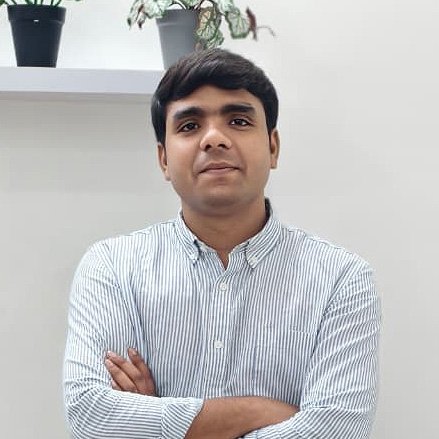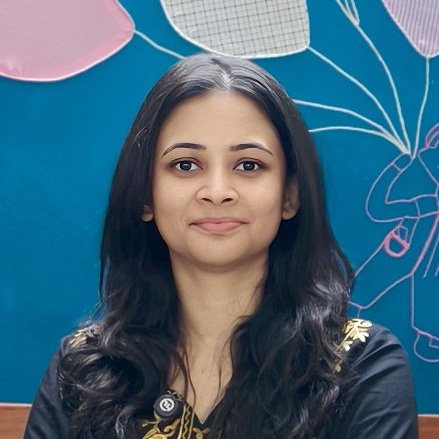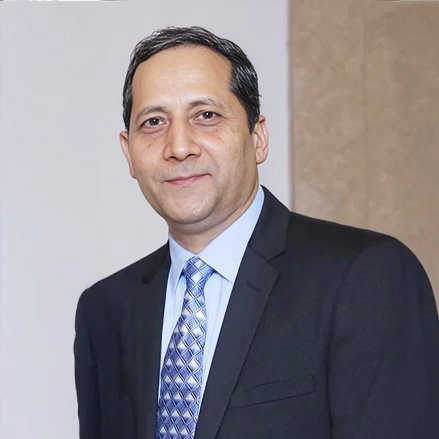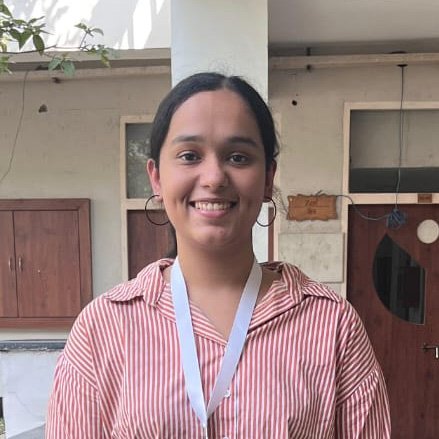


Dr. Sneha Sharma
Consultant Psychiatrist | De-Addiction Specialist
MBBS, MD (Psychiatry)
VIEW PROFILEDr. Sneha Sharma
Consultant Psychiatrist | De-Addiction Specialist
MBBS, MD (Psychiatry)
Experience: 14+ Years
TALK TO US
info@anvayahealthcare.com
+91-9810659825
Just like the Gym is for your body, Therapy is for your Mind
Dr. Sneha Sharma
Psychiatrist, Anvaya Healthcare
Receive expert OCD treatment in Kolkata from experienced psychiatrists, clinical psychologists, and mental health professionals trained at AIIMS, NIMHANS, and IHBAS. We provide comprehensive OCD assessments, accurate diagnosis, personalised treatment plans, medication management, Cognitive Behavioural Therapy (CBT) with Exposure and Response Prevention (ERP), counselling, and ongoing follow-up care. Our evidence-based, confidential approach helps reduce obsessive thoughts, manage compulsive behaviours, improve daily functioning, and support long-term recovery across Kolkata.
📅 Book Consultation
Few mental health conditions are as routinely misunderstood as OCD. It is not simply liking things neat or being particular about a tidy desk. OCD is a distressing illness in which intrusive thoughts, images, or urges return repeatedly and create anxiety, followed by compulsive acts intended to reduce that distress.
Obsessions can involve contamination, fear of causing harm, a need for things to feel exactly right, or thoughts that clash sharply with a person’s values. Compulsions may include washing, checking, counting, repeating actions, or repeatedly seeking reassurance. The relief they provide is usually temporary, which allows the cycle to return and tighten.
In India, the source content describes an estimated diagnostic delay of 11 to 17 years. Symptoms may be mistaken for temperament, excessive cleanliness, spirituality, or moral weakness rather than recognised as a treatable condition. In some Bengali households, practices around cleanliness or religious ritual can make compulsive behaviour harder to recognise when it becomes excessive, time-consuming, and driven by fear.
Between 1 and 2% of India’s population is estimated to live with OCD, corresponding to roughly 14 to 28 million people. Many people remain untreated for years. Specialist assessment can distinguish ordinary preferences or rituals from symptoms that are causing significant distress, consuming hours, or interfering with work, study, relationships, and everyday life.
Naming what is happening is often the first step toward breaking the cycle. At Anvaya Healthcare, assessment and treatment are tailored to the specific obsession-compulsion pattern rather than applying the same approach to every person.
An estimated 1–2% of India’s population lives with Obsessive-Compulsive Disorder (OCD), representing approximately 14–28 million people.
People with OCD in India may experience a prolonged delay before receiving an accurate diagnosis and appropriate treatment, with estimates ranging from 11 to 17 years.
Obsessions and compulsions can take up significant amounts of time each day, interfering with work, education, relationships, household activities, and overall quality of life.
Assess obsessions and compulsions, establish diagnosis, identify co-existing anxiety or depression, manage medication when appropriate, and provide ongoing psychiatric oversight.
Provide evidence-based psychological treatment, particularly ERP and CBT, while helping patients understand the OCD cycle, practise new responses, and build relapse-prevention skills.
OCD can look different from one person to another, but the central pattern involves unwanted obsessions and repetitive compulsions that become difficult to resist and interfere with ordinary life.
Locks, switches, appliances, or other objects may be checked repeatedly, while washing or cleaning can continue far beyond what the situation requires because of fear or doubt.
Thoughts, images, or urges returning again and again, wrong or frightening, uninvited, impossible to shake off, trailing guilt or fear behind them
Acts repeated endlessly to blunt the anxiety an obsession has raised, persisting even when their excess is perfectly obvious to the one performing them
Rituals can take a substantial part of the day, sometimes hours, affecting work, study, relationships, and normal routines.
Pressing others repeatedly for confirmation that nothing dreadful has occurred or looms, which quiets the doubt momentarily before it climbs back
The combined burden of intrusive thoughts and compulsive responses can make ordinary functioning exhausting and difficult.
The moment these rituals start consuming real hours, causing genuine anguish, or blocking ordinary life, an evaluation is justified
OCD does not have one single cause. The source material describes a combination of biological vulnerability, family factors, life experiences, and co-existing mental-health concerns.
Heavy pressure, upheaval, or a sharp change in circumstances can trigger or worsen symptoms in someone who is already susceptible.
The circuits and neurotransmitter systems involved in anxiety, habits, and control operate differently in OCD. It is a neurobiological illness, not a defect of character.
OCD can cluster in families, and having a close relative with the condition can increase vulnerability.
Harsh or frightening early experiences are linked in the source material with a greater chance of OCD symptoms emerging later.
Beyond the disorder itself, anxiety and kindred conditions running through a family lift the risk, reflecting both inheritance and surroundings.
It travels with anxiety and depression very often, each feeding the other, and treatment at Anvaya Healthcare confronts them together rather than in isolation.
Contact the team to arrange an opening appointment and briefly describe the concerns. The first interaction is handled confidentially.
The clinician explores the obsessions and rituals, how long they have been present, how much time they consume, their effect on daily life, and concerns such as anxiety or depression that may occur alongside them.
The assessment identifies the particular themes and compulsive responses involved and distinguishes OCD from conditions that can resemble it, so treatment is matched to the actual presentation.
Treatment may combine ERP, CBT, psychiatric consultation, medication management where appropriate, psychoeducation, and relapse-prevention planning, with regular review so the plan can be adjusted over time.
ERP gradually and safely brings a person into contact with situations that trigger obsessions while supporting them to resist the compulsive response. Repeated practice can weaken the cycle over time.
CBT helps a person understand the thoughts and beliefs feeding OCD and develop different ways of responding to intrusive thoughts rather than automatically performing compulsions.
Provides medical assessment and oversight, particularly when symptoms are severe or when anxiety, depression, or another co-existing concern needs psychiatric attention.
Certain medications can be useful in OCD, particularly in moderate to severe presentations, and may be combined with ERP. A psychiatrist monitors response and side effects when medication is part of the plan.
Helps patients and families understand the illness, the obsession-compulsion cycle, treatment principles, and the reasons behind recommended strategies, which can reduce shame and confusion.
Can help a person notice an intrusive thought without automatically reacting to it or trying to force it away, used alongside the core evidence-based treatment.
Assembling the understanding and the skills to keep hold of progress and handle any resurgence of symptoms, so the gains last.
Consultant Psychiatrist | De-Addiction Specialist
MBBS, MD (Psychiatry)
VIEW PROFILEConsultant Psychiatrist | De-Addiction Specialist
MBBS, MD (Psychiatry)
Experience: 14+ Years
TALK TO US
Clinical Psychologist
PsyD, RCI (Psychology)
Experience: 3+ Years
TALK TO US
Clinical Psychologist
M.A & M.Phil (Clinical Psychology)
Experience: 3+ Years
TALK TO US
Consultation Psychiatrist
MBBS, MD (Psychiatry)
Experience: 6+ Years
TALK TO US
Consultant Psychiatrist
MBBS, MD (Psychiatry)
Experience: 15+ Years
TALK TO US
Psychiatrist
MBBS, DNB (Psychiatry)
Experience: 8+ Years
TALK TO US
Clinical Psychologist
MA & M.Phil (Clinical Psychology)
Experience: 3+ Years
TALK TO US
Clinical Psychologist
MA & M.Phil (Clinical Psychology)
Experience: 7+ Years
TALK TO US
Clinical Psychologist
MA (Clinical Psychology), RCI Registered
Experience: 5+ Years
TALK TO US
Clinical Psychologist
M.Phil. | MA | PG Diploma in Counselling & Family Therapy
VIEW PROFILEClinical Psychologist
M.Phil. | MA | PG Diploma in Counselling & Family Therapy
Experience: 3+ Years
TALK TO US
Psychiatrist & De-Addiction Specialist
MBBS | DPM (Psychiatry) | DNB (Neuropsychiatry)
VIEW PROFILEPsychiatrist & De-Addiction Specialist
MBBS | DPM (Psychiatry) | DNB (Neuropsychiatry)
Experience: 8+ Years
TALK TO US
Clinical Psychologist
M.Phil (Clinical Psychology)
Experience: 15+ Years
TALK TO US
Clinical Psychologist
M.Phil in Clinical Psychology (IHBAS, Delhi University)
VIEW PROFILEClinical Psychologist
M.Phil in Clinical Psychology (IHBAS, Delhi University)
Experience: 2+ Years
TALK TO US
Counselling Psychologist
M.A. Clinical Psychology | PG Diploma in Guidance & Counselling (PGDGC)
VIEW PROFILECounselling Psychologist
M.A. Clinical Psychology | PG Diploma in Guidance & Counselling (PGDGC)
Experience: 3+ Years
TALK TO US
Clinical Psychologist
M.Phil. Clinical Psychology (IHBAS)
Experience: 2+ Years
TALK TO US
No clinic waiting room, which counts for much among people ashamed of obsessions hidden for years, particularly where social circles overlap as closely as here
Much of this work, ERP above all, means engaging the real settings that provoke obsessions. Working from home lets the therapist help someone face the tap, the door, or the shrine that genuinely troubles them
Residents consult clinicians experienced in this illness from India's foremost institutions without their being based anywhere nearby
Structured appointments can be arranged around work, study, and family commitments to make regular attendance more manageable.
Cutting the journey across Kolkata makes steady attendance realistic across a structured course running weeks and months
For those who travel or move away, treatment carries on unbroken, which matters given the sustained effort recovery demands
OCD requires specialist handling, particularly when ERP is part of treatment. Our psychiatrists, psychologists, and therapists are trained in evidence-based OCD care at leading Indian institutions, including AIIMS, NIMHANS, IHBAS, Lady Hardinge Medical College, and VIMHANS, and hold RCI or MCI/NMC registration.
Psychiatrists and psychologists work together where that is clinically useful. Moderate to severe presentations may require ERP and medication together, while anxiety or depression may also need attention. A multidisciplinary plan allows these concerns to be considered together rather than treated as unrelated problems.
Each plan at Anvaya Healthcare is assembled for the individual. OCD can involve contamination fears, compulsive checking, intrusive thoughts, symmetry concerns, religious or moral preoccupations, and other patterns. Treatment follows the pattern actually present rather than a fixed template.
Care is confidential and non-judgmental. Intrusive thoughts are treated as symptoms rather than evidence of character, which is especially important when the content of an obsession is frightening or completely contrary to what the person values.
For Kolkata residents considering treatment, dependable access to a specialist who can deliver evidence-based OCD therapy and provide structured follow-up can make sustained treatment easier to maintain. Consultations start from ₹1,500 per session, with pricing varying by specialist experience and seniority. Physical centres in Delhi NCR are available for in-person care where preferred, with ongoing progress monitoring.
Our psychiatrists, psychologists, and therapists include professionals trained at leading Indian institutions and experienced in evidence-based OCD care.
Treatment is shaped around the person's obsession themes, compulsions, severity, co-existing concerns, goals, and everyday circumstances.
Treatment can include ERP, CBT, psychiatric care, medication management where appropriate, psychoeducation, mindfulness-based strategies, and relapse prevention.
Where medication or management of anxiety, depression, or another co-existing concern is needed, psychological and psychiatric care can be coordinated.
The treatment setting is designed to give people a professional space to discuss intrusive thoughts and compulsive behaviours without judgment.
Yes. The provided source describes OCD as a condition that responds to specialist treatment. ERP, CBT, psychiatric care, and medication where appropriate are among the treatment options used.
Exposure and Response Prevention gradually brings a person into contact with what triggers an obsession while helping them resist the compulsion that normally follows. The process is structured, gradual, and conducted at a pace the person can manage.
For some people, ERP-based psychological treatment can be used without medication. In moderate to severe OCD, the source notes that therapy and medication may be combined, with the plan decided according to the individual’s circumstances.
The source describes meaningful improvement as commonly occurring over a few months of concentrated ERP-based work, while duration varies with severity and how long the condition has been established. Some people benefit from longer-term periodic review.
Yes. Kolkata residents can contact Anvaya Healthcare to arrange an initial evaluation and discuss the specialist and treatment approach most appropriate for their circumstances.
Chats continue on WhatsApp. Please avoid sharing clinical details here.