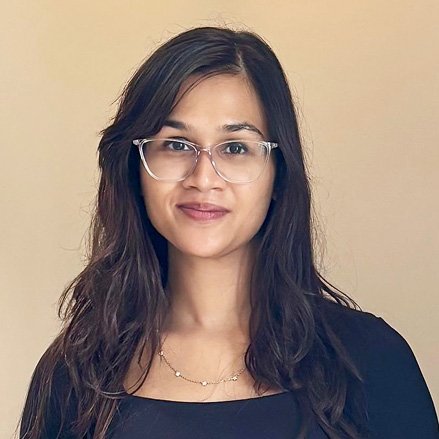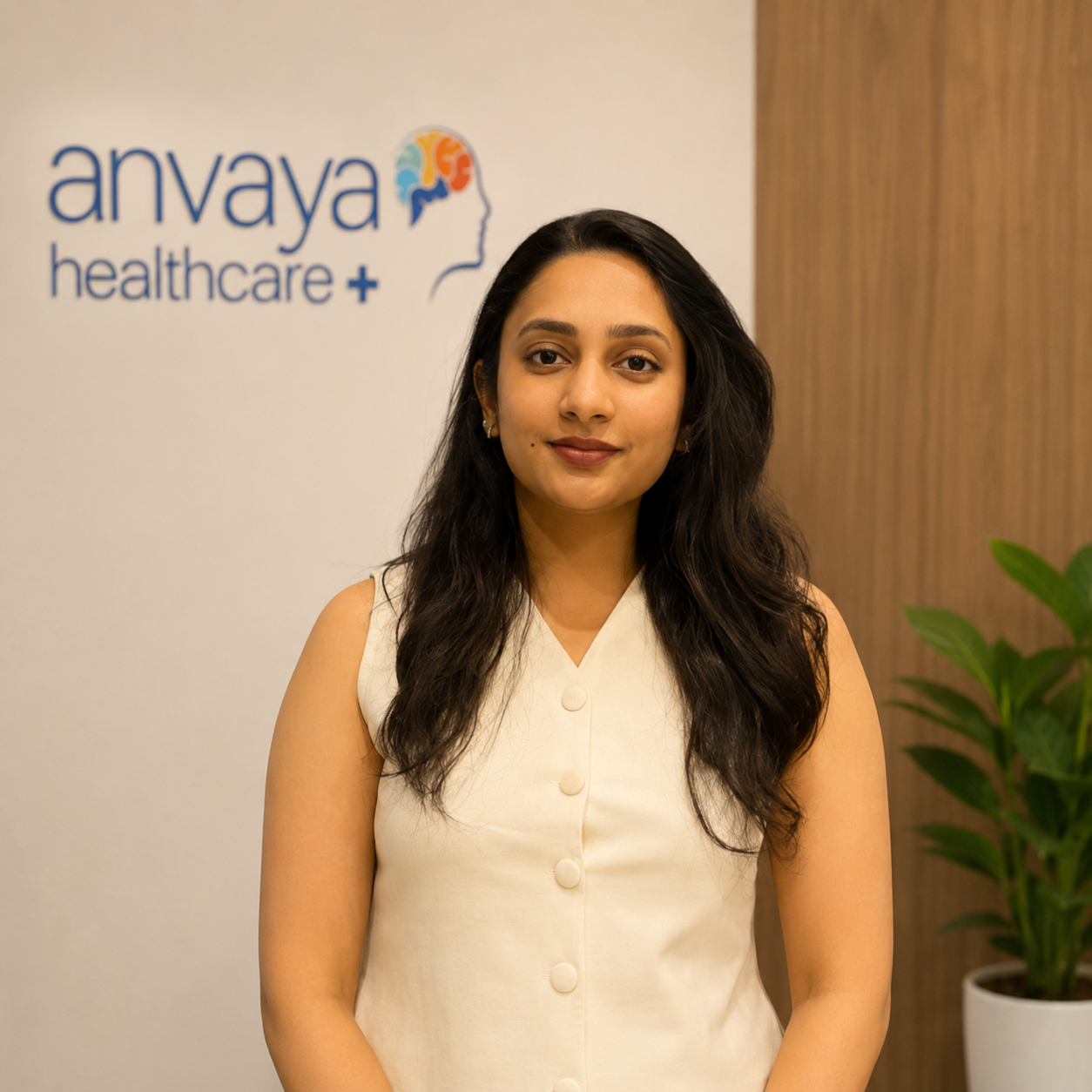

Dr. Sneha Sharma
Consultant Psychiatrist | De-Addiction Specialist
MBBS, MD (Psychiatry)
VIEW PROFILEDr. Sneha Sharma
Consultant Psychiatrist | De-Addiction Specialist
MBBS, MD (Psychiatry)
Experience: 14+ Years
TALK TO US
info@anvayahealthcare.com
+91-9810659825
Just like the Gym is for your body, Therapy is for your Mind
Dr. Sneha Sharma
Psychiatrist, Anvaya Healthcare
Get compassionate, evidence-based eating disorder treatment in Kolkata at Anvaya Healthcare. Our personalised care focuses on addressing unhealthy eating patterns, improving emotional well-being, and supporting sustainable recovery. With expert mental health support, nutritional guidance, and tailored treatment plans, we help individuals build a healthier relationship with food and work towards greater confidence and quality of life.
📅 Book Consultation
Few mental health conditions are misread as badly as eating disorders. They pass for a lifestyle choice, a phase, or somebody being difficult about food, when in truth they are serious psychiatric illnesses with real physical and emotional consequences. They are also treatable, and the sooner that starts the better. Recovery is genuinely achievable, reached every day by people given the right support.
What defines one is a relationship with food, eating, and often one’s own body that has turned deeply distressing and hard to govern. None of it is fundamentally about food or vanity — eating becomes the means of managing painful feeling, control slipping away, or acute distress about the body. Which is why treatment must reach beneath the eating rather than stop at it. Every gender, age, body type, and background is affected, a large part of why so much goes unnoticed: these conditions rarely look as people expect.
Medicine recognises several types. Anorexia nervosa brings severe restriction with intense fear around weight and shape. Bulimia nervosa brings cycles where control over eating gives way and compensatory behaviour follows. Binge eating disorder brings recurring episodes beyond a person’s command, attended by real distress. ARFID means food avoided or restricted for reasons unconnected to body image — sensory difficulty, or no interest in eating. Many others live with serious disordered eating fitting no category neatly, no less real. All respond to treatment, and none is a matter of willpower.
Acting early matters, since these conditions entrench and grow harder to shift the longer they run. Disordered eating is rising in India, chiefly among urban adolescents and young women — a Kolkata study of 2,000 adolescents found high rates of binge eating behaviour, and work in other Indian cities places roughly one in ten adolescents at high risk. Social media, academic strain, and social pressure are established drivers, and in an image-conscious city moving at this pace they press hard.
Bengali households make recognition harder still, because food here is how affection gets expressed. A plate is refilled before it empties, a guest is pressed to take a little more, and declining reads less as preference than as a slight against whoever cooked. Relatives remark on bodies as easily as on the weather, noting weight gained or lost by way of greeting, while elders who equate a healthy child with a well-fed one collide with a generation measuring itself against something else entirely. Someone eating less is called fussy for months, or praised for discipline during a festival fast, long before anyone asks what is actually happening.
Consulting remotely puts specialist, confidential support within reach across Kolkata without repeated clinic trips. With something so wrapped in secrecy that many never ask at all, approaching somebody privately from home is often what finally makes treatment feel possible.
A recent study of 860 Indian adolescents found that 24.7% screened positive for eating-disorder risk using the EAT-26.
An Indian adolescent study reported disordered eating behaviours in 17.2% of participants.
A study of 860 Indian adolescents found that 17.0% reported experiencing eating binges.
Conduct comprehensive psychiatric assessments, evaluate eating disorder symptoms, and provide personalised treatment plans, including medication management when clinically appropriate and ongoing clinical support.
Provide evidence-based psychological interventions, psychoeducation, and counselling to address disordered eating patterns, body image concerns, emotional triggers, and coping strategies while supporting long-term recovery.
Rigid rules over what may be eaten, concealment about meals, meals skipped, or eating that feels beyond control
Weight shifting either way over a relatively short stretch
Anxiety about weight or shape intense enough to dominate thinking and dictate how a person eats
Recurring episodes that feel compulsive and impossible to halt, usually followed by shame
Restricting how much or how varied the eating is, ruling out whole categories, or dieting long past anything healthy
A distorted or severely critical sense of one's body, self-worth fastened to weight or shape
Fatigue, dizziness, changes in menstruation, withdrawal from eating in company, mood shifts, anxiety, and a mind constantly occupied by food
Restriction, acute fear around weight, and a distorted reading of one's body. The physical risk is serious and treatment must be skilled and careful, drawing on medical as much as psychological attention.
Cycles where command over eating gives way and compensatory behaviour follows, driven by distress over weight and shape, and commonly hidden a long while before anyone is told.
Recurring episodes in which a great deal is eaten with no power to stop, trailed by shame and distress. Among the most widespread of these illnesses, yet seldom recognised as treatable.
Food avoided or restricted for reasons unconnected to body image: sensory sensitivity, fear of choking, or plain absence of appetite. It tends to start in childhood and demands a different approach.
Disordered eating serious enough to cause real distress and impairment while fitting none of the categories neatly.
Anxiety and depression turn up beside these constantly, and treatment that works confronts them together, since each sustains the other.
Contact our team to arrange a confidential first consultation. Our specialists assess eating difficulties, physical health, emotional well-being, and any accompanying concerns in a supportive, non-judgmental environment.
We explore the thoughts, emotions, behaviours, and circumstances contributing to disordered eating, helping create a clearer understanding of your individual needs.
Based on your symptoms, physical health, eating disorder type, and recovery goals, we develop a personalised treatment plan. Nutritional support is coordinated with the wider care plan when clinically appropriate.
Receive evidence-based therapy and regular follow-ups to support recovery and monitor progress. Your treatment plan is adjusted as your needs change, with multidisciplinary support from Anvaya Healthcare.
Brings a person to recognise and shift the thoughts and behaviours propping it up, among the most effective options available.
A form of CBT built expressly for these conditions, going at the core difficulties common to all of them, and a foremost evidence-based option for adults and older adolescents.
Especially effective with children and adolescents, putting the family at the heart of recovery and equipping them to carry it at home.
Broader work reaching the emotions, experiences, and difficulties beneath the disorder, rebuilding a sounder sense of self and of food.
Medical appraisal and oversight, weighing heavily given the physical and psychiatric dimensions of these illnesses and whatever accompanies them.
Where depression, anxiety, or something else accompanies it, medication can underpin recovery within a wider plan, always talked through openly rather than presumed.
Assembling the understanding and tactics to keep progress intact and catch warning signs early, so gains endure and slips are spotted quickly.
Consultant Psychiatrist | De-Addiction Specialist
MBBS, MD (Psychiatry)
VIEW PROFILEConsultant Psychiatrist | De-Addiction Specialist
MBBS, MD (Psychiatry)
Experience: 14+ Years
TALK TO US
Clinical Psychologist
PsyD, RCI (Psychology)
Experience: 3+ Years
TALK TO US
Clinical Psychologist
M.A & M.Phil (Clinical Psychology)
Experience: 3+ Years
TALK TO US
Consultation Psychiatrist
MBBS, MD (Psychiatry)
Experience: 6+ Years
TALK TO US
Consultant Psychiatrist
MBBS, MD (Psychiatry)
Experience: 15+ Years
TALK TO US
Psychiatrist
MBBS, DNB (Psychiatry)
Experience: 8+ Years
TALK TO US
Clinical Psychologist
MA & M.Phil (Clinical Psychology)
Experience: 3+ Years
TALK TO US
Clinical Psychologist
MA & M.Phil (Clinical Psychology)
Experience: 7+ Years
TALK TO US
Clinical Psychologist
MA (Clinical Psychology), RCI Registered
Experience: 5+ Years
TALK TO US
Clinical Psychologist
M.Phil. | MA | PG Diploma in Counselling & Family Therapy
VIEW PROFILEClinical Psychologist
M.Phil. | MA | PG Diploma in Counselling & Family Therapy
Experience: 3+ Years
TALK TO US
Psychiatrist & De-Addiction Specialist
MBBS | DPM (Psychiatry) | DNB (Neuropsychiatry)
VIEW PROFILEPsychiatrist & De-Addiction Specialist
MBBS | DPM (Psychiatry) | DNB (Neuropsychiatry)
Experience: 8+ Years
TALK TO US
Clinical Psychologist
M.Phil (Clinical Psychology)
Experience: 15+ Years
TALK TO US
Counselling Psychologist
M.A. Clinical Psychology | PG Diploma in Guidance & Counselling (PGDGC)
VIEW PROFILECounselling Psychologist
M.A. Clinical Psychology | PG Diploma in Guidance & Counselling (PGDGC)
Experience: 3+ Years
TALK TO US
Secrecy and shame run right through these illnesses, and approaching somebody privately from home dismantles a barrier that stops many from ever asking
Confidentiality holds from that first contact, which weighs heavily with something people hide even from those nearest them, and heavier still where social circles are as tightly woven as here
Sessions set around school, work, and the household, at hours suiting how this city runs, evenings and weekends included
Residents consult psychiatrists and psychologists experienced in these conditions from India's foremost institutions, none of whom need practise nearby
The psychological, psychiatric, and nutritional strands stay tied together as one thing, not scattered across separate providers for the patient to chase
Stripping out the journey keeps attendance steady through a long stretch of treatment
These are complicated illnesses sitting where the psychological, physical, and emotional meet, and treating them well takes genuine expertise. Our psychiatrists, psychologists, and therapists trained at India’s leading institutions, including AIIMS, NIMHANS, IHBAS, Lady Hardinge Medical College, and VIMHANS, and hold RCI or MCI/NMC registration.
A multidisciplinary approach counts here more than almost anywhere. These illnesses need psychological therapy, psychiatric oversight, and often nutritional and medical input working in concert — and psychiatrists and psychologists on one team, coordinating with nutritional support, means recovery is managed whole instead of in pieces the patient must hold together.
Every plan at Anvaya Healthcare is built for the individual, never issued from a template. What a teenager restricting under exam pressure needs differs entirely from what an adult who has concealed binge eating for years needs, and the treatment answers to that.
Care is confidential and compassionate. People living with these illnesses commonly carry intense shame and have concealed things a long time, so we work with warmth and without judgment, concentrating on recovery rather than blame. That includes taking the family seriously — relatives who have spent years urging somebody to eat more, or remarking on their appearance, are rarely being unkind, and showing them what actually supports recovery changes the atmosphere at home considerably.
For residents weighing options, government services do important work but carry long waits and infrequent sessions — constraints making the sustained, coordinated effort recovery needs hard to deliver. Where the pressures feeding disordered eating are never far away, steady access to one team over time shapes whether recovery holds.
Online consultations start from ₹1,500 per session, with pricing varying by the individual specialist’s experience and seniority. Physical centres in Delhi NCR are available for in-person care where that is clinically needed.
For eating disorders, especially when symptoms overlap with anxiety, depression, or other mental health concerns, specialised expertise is essential for accurate assessment, personalised treatment, and long-term recovery.
Treatment is tailored to each individual's needs. Eating disorder symptoms and recovery journeys vary from person to person. At Anvaya Healthcare, we provide confidential, personalised eating disorder treatment in Kolkata, with convenient consultations, personalised therapy, nutritional support, and ongoing mental health care available across India.
Eating disorders are treatable mental health conditions, not a weakness or lack of willpower. Access confidential, professional eating disorder treatment from the comfort of your home in Kolkata, with personalised care, therapy, and ongoing mental health support.
When both work together, treatment becomes more effective. At Anvaya Healthcare, psychological and clinical care are coordinated within one integrated setting.
Whether you're in Kolkata or anywhere across India, Anvaya Healthcare provides access to professional sleep disorder care through convenient consultations.
For a great many, yes. Therapy, psychiatric care, and follow-up all work well remotely, and research supports delivering this treatment that way. Where physical health needs close medical monitoring, in-person or higher-level care may be advised, and the Anvaya Healthcare team says so plainly rather than continuing remotely when that would not be safe.
If how you relate to food or to your own body is causing distress, occupying a great deal of head space, or telling on your health and your days, that alone warrants an assessment. No crisis need be reached first, no certainty that it counts as serious enough — an assessment exists to establish what is happening and whether help would make a difference.
This is a process, not a quick repair, and its length turns on which disorder is involved and how severe. Most stay in therapy several months, occasionally longer, the intensity dropping as things improve. What makes recovery last is support held steady over time.
They can, and with children and adolescents it is frequently the centre of the whole effort. Family-based approaches teach parents and relatives to hold the work up at home, and they may join from wherever they live, useful when a household is scattered across this city or beyond.
Certainly — this is open to anyone across India, all of Kolkata included. Write or call to arrange an opening assessment and we will pair you with the right specialist.
Chats continue on WhatsApp. Please avoid sharing clinical details here.