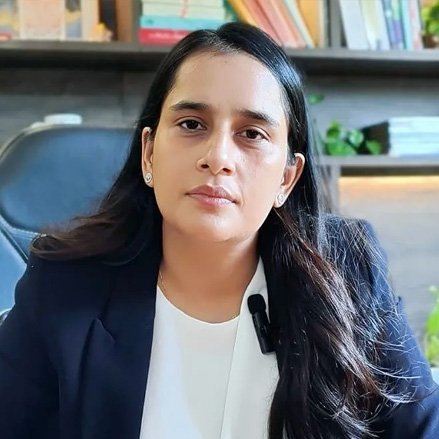
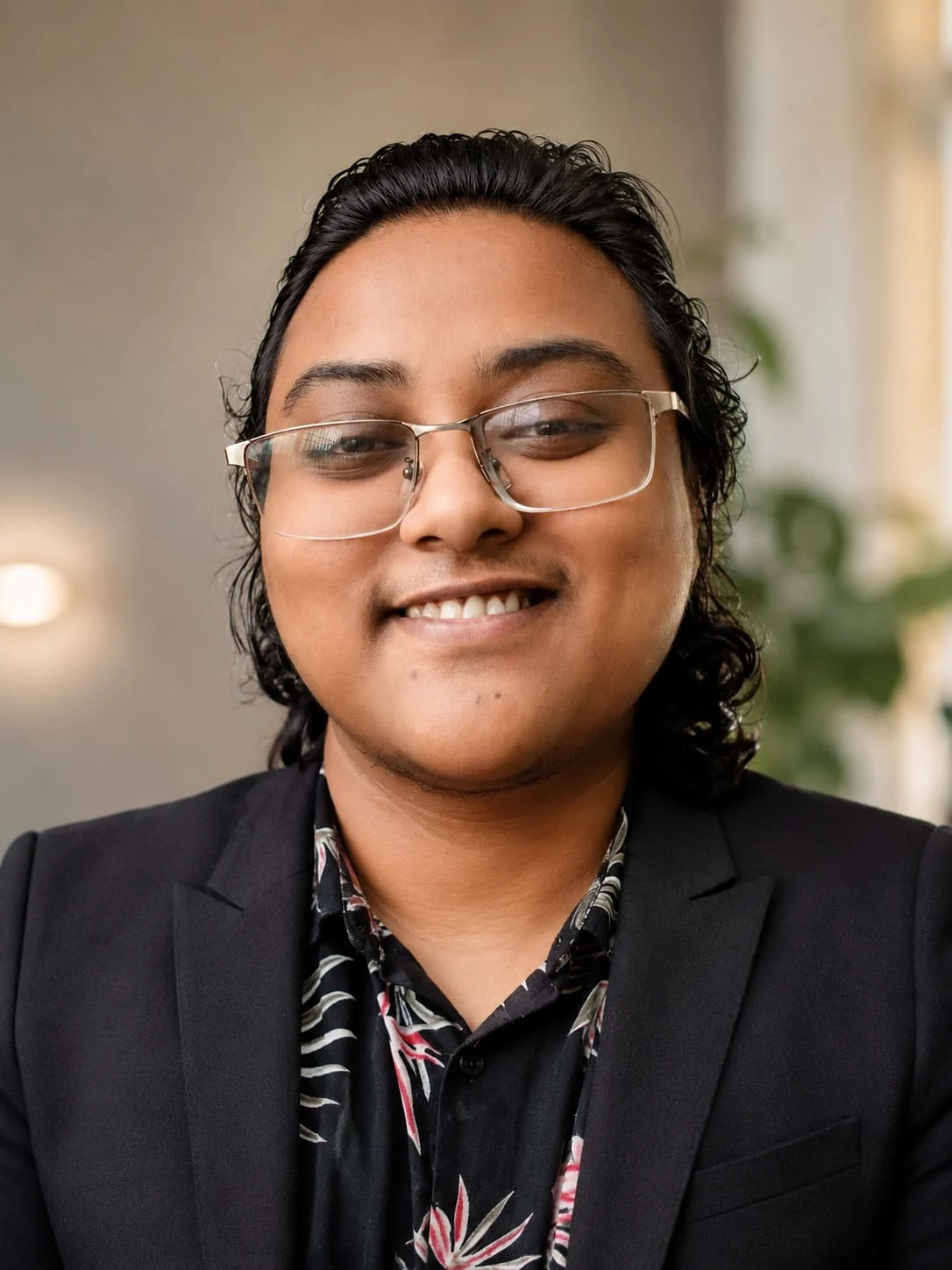
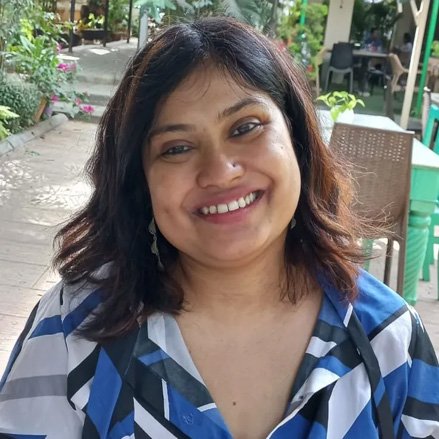
Dr. Sneha Sharma
Consultant Psychiatrist | De-Addiction Specialist
MBBS, MD (Psychiatry)
Dr. Sneha Sharma
Consultant Psychiatrist | De-Addiction Specialist
MBBS, MD (Psychiatry)
Experience: 14+ Years
Just like the Gym is for your body, Therapy is for your Mind
Dr. Sneha Sharma
Psychiatrist, Anvaya Healthcare
Get your life back on track with evidence-based alcohol addiction treatment in Delhi provided by the experienced psychiatrists and mental health specialists at Anvaya Healthcare. We offer confidential assessments, detox support, counseling, relapse prevention, and long-term recovery care.
Recovered
Specialists
Delhi
Satisfaction Rate
Being addicted to alcohol means someone relies heavily on drinking and can’t stop, even when it ruins their health, family life, job, and everything else. Casual drinking can become a habit that feels impossible to break without professional support. Individuals suffering from alcohol addiction often experience intense cravings for alcohol, consume more than they intended, and may continue drinking despite negative consequences. Many make repeated attempts to quit or cut down on alcohol, yet they frequently revert to their old drinking habits. With appropriate treatment, support, and guidance, recovery is possible, helping individuals regain control over their lives and develop healthy habits for the future.
Alcohol addiction can gradually affect every aspect of a person's life. Over time, it may take a serious toll on physical health, emotional well-being, relationships, career, and overall quality of life. What often begins as occasional drinking can develop into a pattern that becomes increasingly difficult to control without professional support.
At Anvaya Healthcare, we understand that recovering from alcohol addiction is about much more than simply stopping alcohol consumption. Effective treatment requires addressing the emotional, psychological, and behavioral factors that contribute to addiction. Our approach focuses on helping individuals understand the root causes of their alcohol use while building healthier coping strategies for long-term recovery.
If you are looking for alcohol addiction treatment in Delhi for yourself or a loved one, Anvaya Healthcare offers a structured and personalized treatment program designed to meet individual needs.
Depending on the severity of the condition, treatment may include comprehensive psychological assessments, medication management, detoxification support, counseling, psychotherapy, family interventions, and relapse prevention planning. We recognize that every person's recovery journey is unique. That is why our mental health professionals develop individualized treatment plans tailored to each patient's specific challenges, goals, and family circumstances. Our aim is not only to help individuals overcome alcohol dependence but also to improve their overall mental health, emotional resilience, and quality of life.
At Anvaya Healthcare, we work closely with patients at every stage of recovery. We understand that overcoming alcohol addiction is a complex process that cannot be achieved through willpower alone. With the support of our experienced team, patients are guided through a comprehensive treatment journey that addresses the deeper psychological impact of addiction. The first step in treatment involves understanding the nature and severity of the addiction through detailed assessments and counseling sessions. Based on these findings, our specialists create a structured treatment plan. For individuals experiencing withdrawal symptoms, we provide detoxification support and medical management whenever necessary.
At the same time, counseling and therapy sessions help patients identify triggers, understand unhealthy behavioral patterns, and develop healthier ways of coping with stress and emotional challenges.Our therapeutic approach may include Cognitive Behavioral Therapy (CBT), Motivational Enhancement Therapy, Family Counseling, Relapse Prevention Therapy, and other evidence-based interventions. Through a combination of professional support, therapeutic guidance, and personalized care, we help individuals build a strong foundation for lasting recovery and a healthier, more fulfilling life.

Consultant Psychiatrist | De-Addiction Specialist
MBBS, MD (Psychiatry)
Consultant Psychiatrist | De-Addiction Specialist
MBBS, MD (Psychiatry)
Experience: 14+ Years
Psychiatrist
MBBS, MD (Psychiatry)
Experience: 6+ Years
Psychiatrist & Addiction Specialist
MBBS | DPM (Psychiatry) | DNB (Neuropsychiatry)
Psychiatrist & Addiction Specialist
MBBS | DPM (Psychiatry) | DNB (Neuropsychiatry)
Experience: 8+ Years
Psychiatrist
MBBS, DNB (Psychiatry)
Experience: 8+ Years
Consultant Psychiatrist
MBBS, MD (Psychiatry)
Experience: 15+ Years
Loading booking form…
Clinical Psychologist
M.A & M.Phil (Clinical Psychology)
Experience: 3+ Years
Clinical Psychologist
MA & M.Phil (Clinical Psychology)
Experience: 3+ Years
Clinical Psychologist
M.Phil. | MA | PG Diploma in Counselling & Family Therapy
Clinical Psychologist
M.Phil. | MA | PG Diploma in Counselling & Family Therapy
Experience: 3+ Years
Clinical Psychologist
MA (Clinical Psychology), RCI Registered
Clinical Psychologist
MA (Clinical Psychology), RCI Registered
Experience: 5+ Years
Clinical Psychologist
M.Phil, RCI Registered
Experience: 5+ Years
Clinical Psychologist
MA & M.Phil (Clinical Psychology)
Experience: 7+ Years
Clinical Psychologist
PsyD, RCI (Psychology)
Experience: 3+ Years
Clinical Psychologist
M.Phil (Clinical Psychology)
Experience: 15+ Years
Counselling Psychologist
M.Phil.Ed, M.S.Ed
Experience: 4+ Years
Counselling Psychologist & Behavioral Therapist
MA - Psychology
Counselling Psychologist & Behavioral Therapist
MA - Psychology
Experience: 13+ Years
In the treatment of alcohol addiction, simply saying “give up alcohol” does not constitute treatment. Actual treatment involves several stages, which are determined based on the patient’s condition.
In Short, Alcohol Addiction Treatment = Assessment + Withdrawal Management + Medicines (if needed) + Therapy + Family Support + Relapse Prevention
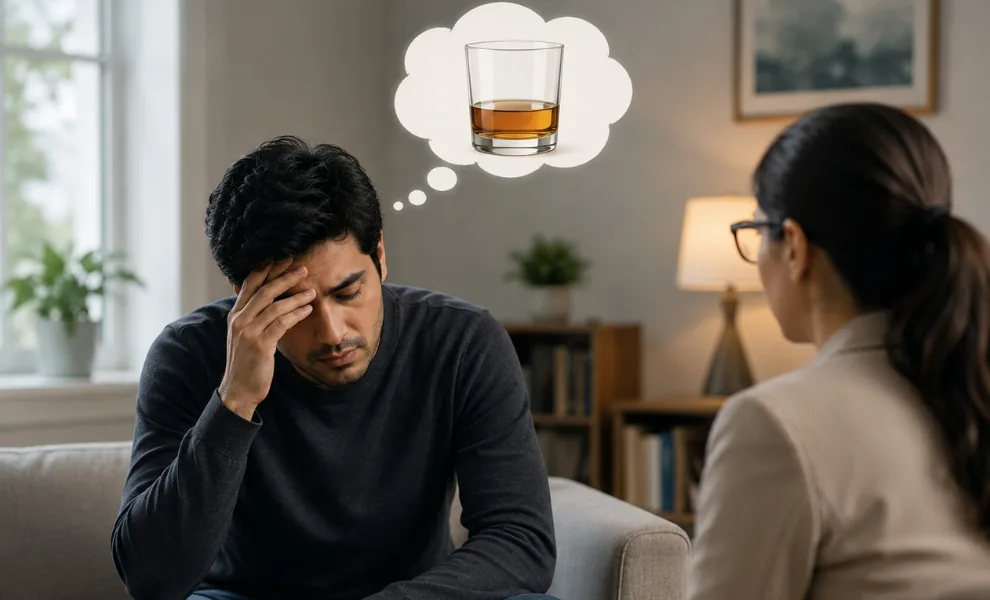
First, the psychiatrist assesses the patient by engaging in a conversation to understand:
For how long they have been consuming alcohol
The daily quantity consumed
Whether they have attempted to quit previously
Whether they experience withdrawal symptoms
If there are any underlying issues such as depression, anxiety, or other mental health conditions
Based on this assessment, a treatment plan is formulated.
If an individual has developed a physical dependence on alcohol, suddenly discontinuing it may trigger withdrawal symptoms:
A psychiatrist safely manages the withdrawal process, utilizing medication and monitoring as needed.
Some patients may be prescribed medications that:
Help reduce alcohol cravings
Lower the risk of relapse
Manage anxiety or depression (if present)
It is not necessary to prescribe medication to every patient.
This constitutes the most important part of the treatment.
During therapy, the patient is taught:
What the triggers for drinking alcohol are
How to cope with stress without alcohol
What to do when cravings arise
How to change negative thoughts and habits
CBT (Cognitive Behavioral Therapy):- During the sabbatical, unhealthy thinking patterns and drinking behaviors are identified and replaced with healthier habits.
Alcohol addiction affects not just the patient, but the entire family.
In family sessions:
The family is educated about addiction.
They are taught how to create a supportive environment.
Relationship conflicts are addressed.
The goal of treatment is not merely to stop alcohol consumption, but also to prevent relapse.
The patient is taught to:
Identify high-risk situations
Manage cravings
Establish a healthy routine
Maintain long-term recovery
The best therapy for a person with alcohol addiction will vary based on the severity of their addiction, the presence of other mental health disorders, and their individual needs. Cognitive Behavioral Therapy, Motivational Enhancement Therapy, individual therapy, and relapse prevention therapy are some of the therapies most commonly used for treating alcohol addiction. These therapies help the person deal with the specific stressors that are causing them to use alcohol, offer them healthy coping mechanisms, and help them commit to a lifestyle free of alcohol.
The most common treatment for alcoholism is a multi-faceted approach that includes a number of different treatment options. Depending on the person alcohol treatment may include a psychiatric evaluation, different types of therapy, the use of medications, support during withdrawal, and the creation of a plan to prevent relapse. For recovering alcoholics, the best way to treat the mind and body is to create a plan tailored to each individual.
Family members of the person in recovery are an important part of the recovery process. Incorporating family members into therapy improves communication and creates a support system and counseling helps educate the family about alcohol addiction. Family members also help provide a recovery supportive environment.
Counseling is an essential part of treatment for alcohol addiction. Counseling helps people in recovery identify the elements that help them cope and those that serve as threats to their recovery. Counseling also helps the person in recovery free of alcohol by offering them multiple healthy coping mechanisms and helps prevent a relapse.
Alcohol withdrawal occurs when a person who has become physically dependent on alcohol significantly reduces or stops drinking. Symptoms can vary from person to person and may include anxiety, irritability, sweating, sleep disturbances, tremors, nausea, and cravings. In some cases, withdrawal symptoms can be severe, which is why professional medical guidance is often recommended during the withdrawal process.
Not everyone with alcohol addiction requires medication. The need for medication depends on factors such as the severity of alcohol dependence, withdrawal symptoms, cravings, and overall mental health. A psychiatrist can assess your condition and determine whether medication may be beneficial as part of your treatment plan.
The duration of treatment varies depending on the individual's needs, level of alcohol dependence, response to treatment, and recovery goals. Some individuals may benefit from short-term support, while others may require ongoing therapy and follow-up care for several months. Recovery is a gradual process, and long-term support can help improve outcomes and reduce the risk of relapse.
Booking an appointment at Anvaya Healthcare is simple. You can contact our team by phone, WhatsApp, or through the appointment form on our website. Our team will assist you in scheduling a consultation and guide you through the next steps of the treatment process.
Second floor, Plot No 28,
Sector-12A Rd, Block A,
Sector 12 Dwarka
Call Now: +91-9810659825
Ground Floor, Plot No. - E-7/5, Block E,
Vasant Vihar, South Delhi
Call Now: +91-9650277301
1 in every 5 individuals
suffers from some form of mental health illness