
Just like the Gym is for your body, Therapy is for your Mind
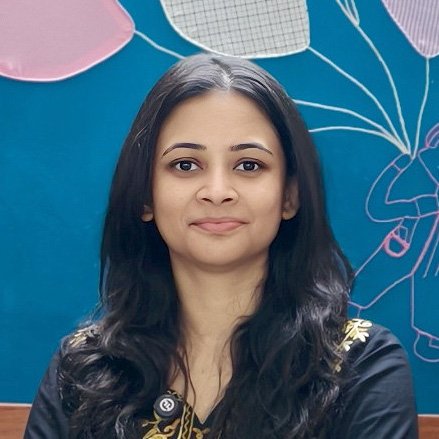
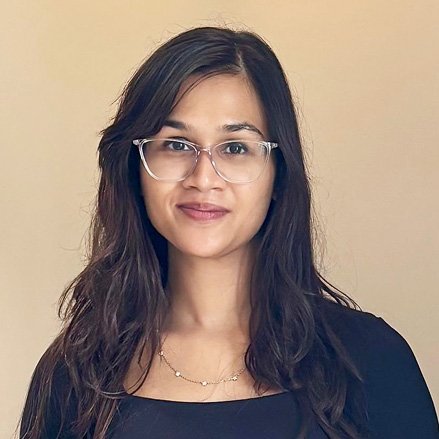
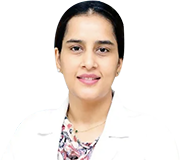
Dr. Sneha Sharma
Psychiatrist, Anvaya Healthcare
Psychiatrists, Clinical Psychologists & Counselling Psychologists trained at leading institutions such as AIIMS, LHMC & NIMHANS. Evidence-based online drug abuse deaddiction therapy and counselling across India — confidential, structured, and accessible from home.
Patients Helped
Specialists
Online Access
Satisfaction Rate
5.7 crore Indians are affected by substance use disorders. That’s the AIIMS figure from 2019 — and it almost certainly undercounts the current scale. Opioid dependence alone affects over 2.26 crore people. Cannabis-related problems affect 72 lakh. Globally, only 1 in 11 people with drug use disorders receives treatment. In India, the treatment-seeking rate for drug dependence sits at around 25% — and actual treatment access is far lower.
What stops people from getting help isn’t usually a lack of wanting to. It’s the stigma attached to drug dependence in India, which is still treated in large parts of society as a moral failure rather than a medical condition. It’s the visibility of walking into a deaddiction centre. It’s the distance from quality addiction services for anyone not in a large city. And it’s the price of residential rehabilitation, which runs to lakhs and is simply out of reach for most families.
Online deaddiction treatment removes several of those barriers. Not all of them — recovery still requires real work. But platforms like Anvaya Healthcare put qualified psychiatrists, clinical psychologists, and rehabilitation experts within reach of people across India who wouldn’t otherwise have a realistic path to the right professionals.
Over 5.7 crore Indians are affected by substance use disorders, yet treatment access remains limited across the country.
Fear of judgement and being seen at a deaddiction centre often stops people from seeking timely professional help.
Quality addiction treatment and rehabilitation services remain difficult to access for people living beyond large urban centres.
Online therapy connects people across India with qualified psychiatrists, psychologists, and rehabilitation experts from home.
A psychiatrist (MBBS + MD in Psychiatry) leads on medical assessment and pharmacological management. Drug withdrawal varies dramatically depending on the substance. A psychiatrist assesses withdrawal risk, plans detox appropriately, and prescribes medications for both withdrawal management and sustained recovery. Only a psychiatrist can prescribe.
A clinical psychologist (M.Phil. + RCI registration) delivers the psychological treatment. CBT for addiction. Motivational interviewing. Relapse prevention planning. The work of understanding why the substance use continued, what maintains it, and how to build a life in which it’s no longer necessary. These aren’t interchangeable with general therapy — addiction-focused psychological work requires specific training and experience.
A rehabilitation expert handles the practical and social dimensions of recovery: rebuilding daily structure, re-engaging with work or family, managing the high-risk transition from active treatment back into ordinary life. Medical stabilisation without this layer is often not enough to sustain recovery long-term.
Cognitive Behaviour Therapy wasn’t built as a general-purpose therapy. Each condition has a specific protocol, the approach for panic disorder looks different from the approach for OCD, which looks different from the approach for insomnia.
Drug dependence often begins showing up as cravings that arrive without warning, alongside using more of the substance, or using it more often, than originally intended. Over time, the person may feel increasingly unable to control when or how much they use.
As tolerance builds, the amount that once produced an effect no longer does. When use is reduced or stopped, withdrawal symptoms can appear — ranging from anxiety, insomnia, sweating, nausea, and muscle pain to, in severe cases, seizures. Any physical dependence should be medically assessed before stopping abruptly.
Substance dependence frequently affects behaviour, mood, and daily functioning. Family members or close friends often notice changes before the person themselves does: neglecting responsibilities, emotional instability, social withdrawal, or continuing to use despite clear personal, financial, or health consequences.
Many people with drug dependence make multiple attempts to quit on their own. These are not failures of willpower, but failed attempts without the right clinical support, structured treatment, and ongoing psychological care.
You can book an online CBT session at Anvaya Healthcare by phone or through the website. The starting point depends on your condition, ensuring the right professional guides the assessment and treatment process from the beginning.
Book a session online or by phone. Treatment usually begins with a psychiatric assessment to evaluate withdrawal risk and physical dependence before planning care.
The initial consultation assesses substance use history, previous attempts to stop, physical health, and co-occurring conditions like depression, anxiety, or trauma.
A structured treatment plan follows, which may include detox, medication, and psychological therapy once withdrawal symptoms are stabilised.
Follow-up sessions monitor withdrawal, relapse risk, medication adherence, and long-term recovery progress.
CBT for addiction doesn’t target the substance — it targets everything organised around it. The emotional states that precede use. The situations that have become cues through years of association. The automatic sequence from trigger to craving to action. CBT makes that sequence visible and disrupts it — building alternative responses before the craving peaks, not after.
Motivational interviewing meets people where they are. Ambivalence about recovery is normal. Part of someone wants to stop; part isn’t sure. MI works with that tension rather than dismissing it, drawing out the person’s own reasons for change. Particularly effective in early treatment.
Relapse prevention is built in from the start — not as an afterthought. High-risk situations mapped. Coping strategies developed for each. A specific plan for what to do if a lapse occurs. Most relapses are predictable in retrospect. The work is making them predictable in advance.
Group therapy and peer support is part of the extended recovery conversation — connecting with others navigating the same process carries weight that individual therapy often doesn’t.
Consultant Psychiatrist | Co-Founder
Psychiatrist
Psychiatrist & Addiction Specialist
Psychiatrist
Consultant Psychiatrist
Clinical Psychologist
Loading booking form…
Privacy, for drug dependence specifically, is not a small thing. The legal and social risks attached to drug use in India mean that being seen at a deaddiction facility is a disclosure many people are unwilling to make. Online treatment is invisible. The consultation happens at home. No appointment shows up somewhere that someone else might see. Someone in active dependence — or in early recovery — often has days where leaving the house isn’t realistic. The worst days are frequently the days when support matters most. Online removes the logistics problem on those days.
Affordable compared to residential rehabilitation, which runs to lakhs of rupees. Pan India reach via Anvaya Healthcare means someone in a smaller city — where quality addiction services are essentially absent — accesses the same clinical expertise as someone in Delhi. Flexible scheduling. Continuous monitoring between sessions, not just during them.
Affordable, transparent pricing. The Mental Healthcare Act 2017 mandates insurance parity for mental health — check your policy’s OPD clause.
₹1,500 – ₹2,500 per session
₹1,500 – ₹5,500 per session
The psychiatrists and psychologists at Anvaya Healthcare trained at AIIMS, NIMHANS, IHBAS, Lady Hardinge Medical College, and VIMHANS. NIMHANS and AIIMS run dedicated addiction medicine programmes — clinical training there means working with the full range of substance use presentations, the medical complexity of different withdrawal syndromes, and the psychological demands of sustained recovery. That’s not what general psychiatric training covers.
Treatment is personalised. The plan reflects the actual person — substance, history, co-occurring conditions, social context. Confidential, easy to book, available across India.
For online drug deaddiction treatment in India, clinical expertise matters, as addiction recovery requires careful assessment, structured intervention, and long-term monitoring.
Treatment is built around the individual — history, symptoms, family context, and goals for recovery. Not a standard protocol applied to everyone.
Consult from home. Privacy is important in addiction treatment, making online deaddiction counselling a practical and comfortable option.
When both work in coordination, outcomes are substantially better. At Anvaya, that coordination actually happens — both are within the same clinical setting.
Online addiction treatment makes specialised psychiatric and counselling support accessible across India, including smaller cities.
Be honest about your substance use before the first session. The actual substance or substances, the actual amount and frequency, when use typically happens and what precedes it. The psychiatrist uses this to assess withdrawal risk — underreporting can lead to undertreated withdrawal, which for some substances is medically dangerous. Note your history with stopping: previous attempts, what withdrawal felt like, whether you had medical support. If you’ve been through deaddiction treatment before, what worked and what didn’t.
Think about your triggers before the session — situations, emotions, and environments that reliably precede use. Write them down. They go directly into the relapse prevention plan. Private environment for the session. If a trusted family member can be involved with your agreement, their presence often strengthens the accountability that recovery needs.
Yes — for assessment, medication management, psychological therapy, and sustained monitoring. Severe physical dependence with high withdrawal risk may need in-person or inpatient assessment first. The psychiatrist determines this at the initial consultation.
Yes. The psychiatrists are qualified medical doctors registered with state medical councils, legally permitted to prescribe under India's Telemedicine Practice Guidelines (2020) — including medications for withdrawal management and sustained recovery support.
The acute phase runs weeks to months. Sustained recovery monitoring continues for a year or more. Relapse is common and doesn't mean treatment has failed — what matters is what happens after.
Yes, counselling is confidential. Your information is kept private and secure.
CBT, motivational interviewing, relapse prevention planning, and behavioural therapy. Medication alongside therapy for most moderate to severe presentations, depending on the substance.
Start with a psychiatrist — withdrawal risk needs medical assessment before anything else. A clinical psychologist for the psychological work follows immediately or in parallel. Look for clinicians with specific addiction medicine experience. Different substances require different clinical approaches.
Second floor, Plot No 28,
Sector-12A Rd, Block A,
Sector 12 Dwarka
Call Now: +91-9810659825
Ground Floor, Plot No. - E-7/5, Block E,
Vasant Vihar, South Delhi
Call Now: +91-9650277301
1 in every 5 individuals
suffers from some form of mental health illness