

Just like the Gym is for your body, Therapy is for your Mind
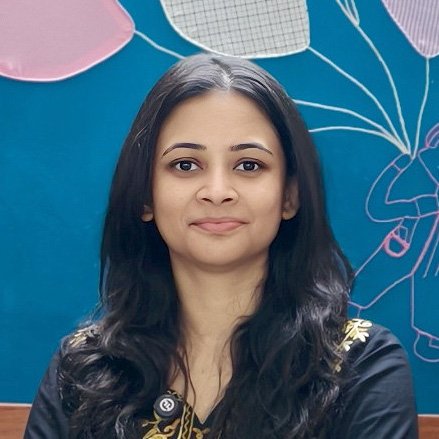
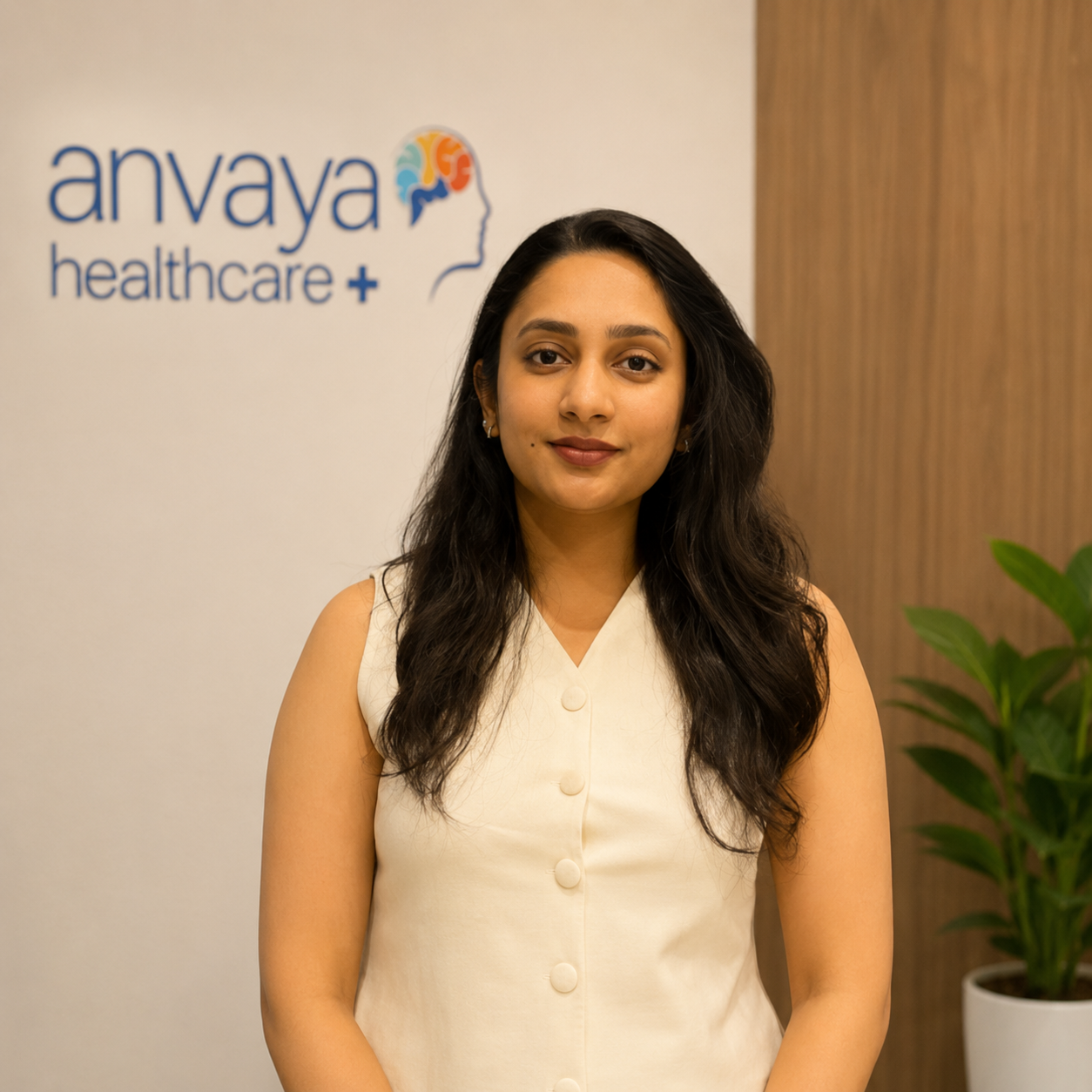
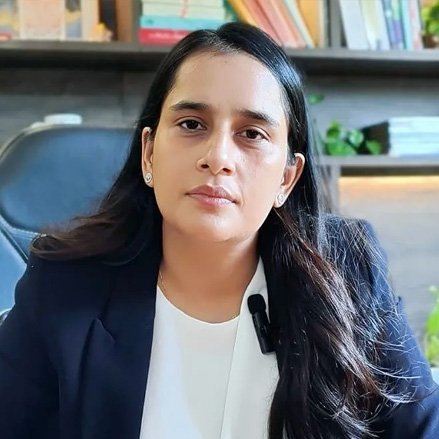
Dr. Sneha Sharma
Psychiatrist, Anvaya Healthcare
Doctors for Panic Attack Treatment, Therapy and Counselling in India with AIIMS, LHMC & NIMHANS-trained psychiatrists & psychologists. Evidence-based care from home — pan India, confidential, and covered by insurance.
Patients Helped
Specialists
Online Access
Satisfaction Rate
A panic attack does not feel like ordinary anxiety; it feels like a medical emergency. The heart races. The chest feels tight. Breathing becomes impossible. One becomes absolutely convinced that something terrible is happening—such as a heart attack, fainting, or completely losing control. And then, ten minutes later, it is all over. Until the next time. This is precisely where the treatment of panic attacks becomes essential. According to India’s National Mental Health Survey of 2016, at any given time, approximately 0.3% of India’s adult population is affected by panic disorder. In absolute numbers, this amounts to hundreds of thousands of people. Compared to other anxiety-related conditions, people are most likely to seek help for this disorder because its physical symptoms are so severe that most individuals end up in the emergency room before ever seeing a psychiatrist. The problem is that visiting the emergency room (A&E) does not treat panic disorder; it merely rules out the possibility of a heart attack. Yet, the underlying condition continues to return.
Online panic attack treatment offers people the opportunity to access qualified psychiatrists and psychologists without facing the difficulties of having to locate a doctor in their local area, booking appointments weeks in advance, or managing the anxiety associated with the appointment itself. Platforms like Anvaya Healthcare make this access remarkably easy.
Around 0.3% of adults experience panic disorder — a significant population.
Platforms like Anvaya Healthcare improve access to expert treatment.
Symptoms like chest pain, breathlessness, and racing heart often mimic heart attacks.
Panic disorder sits at the intersection of what a psychiatrist and psychologist both do well.
A psychiatrist (MBBS + MD in Psychiatry) assesses severity, diagnoses the condition, and can prescribe medication where it’s appropriate — SSRIs, which are the first-line pharmacological treatment, or short-term anxiolytics. For people whose panic attacks are frequent, severe, or have already led to significant avoidance, medication can reduce the baseline enough for therapy to work.
A clinical psychologist (M.Phil. + RCI registration) delivers structured therapy. CBT with a panic focus — and specifically, interoceptive exposure and cognitive restructuring — is the most evidence-based psychological treatment available for panic disorder. It addresses the catastrophic misinterpretations of physical sensations that drive the condition.
For moderate to severe presentations, integrated care — psychiatrist managing medication while a psychologist runs CBT — produces the strongest outcomes. That coordinated model is more effective than treating each discipline in isolation.
The core feature of panic attacks is their suddenness. They don’t build gradually; they hit a peak within minutes. Typical symptoms: sudden, intense fear or dread with no obvious trigger. Rapid heartbeat or pounding in the chest. Shortness of breath or a choking sensation. Chest pain or discomfort that mimics cardiac symptoms closely enough to be frightening. Dizziness, light-headedness, or feeling faint. Sweating, trembling, or chills. Tingling sensations, particularly in hands and face. A feeling of unreality — like you’re watching yourself from outside. Fear of losing control, going mad, or dying.
What turns panic attacks into panic disorder is what happens after: persistent worry about having another attack, changing behaviour to avoid situations associated with previous attacks, or significantly narrowing your life as a result. A proper clinical assessment covers all of this — not just the acute episodes, but the pattern around them.
A rapid heartbeat during a panic attack can feel intense and alarming, often described as pounding or racing in the chest. It may closely mimic cardiac symptoms, making individuals fear a serious medical issue like a heart attack.
A choking sensation can make it feel difficult to breathe or swallow, creating a strong sense of suffocation. This symptom is distressing and often increases fear, even though there is no actual blockage in the airway.
You book a consultation. At Anvaya Healthcare, you can start with a psychiatrist, psychologist, or have the team direct you — whichever feels right based on where you are. The first session is a detailed assessment. How often are attacks occurring? How severe? What’s the pattern? What situations, sensations, or thoughts tend to precede them? What’s the avoidance looking like — what have you stopped doing because of this? Are there any physical health conditions that need ruling out? From that picture, a treatment plan is built. Therapy is almost always part of it. Medication may be too, prescribed legally under India’s Telemedicine Practice Guidelines (2020) via the psychiatrist during a video consultation. Follow-up sessions track progress — how frequently attacks are occurring, whether avoidance is reducing, how the person is tolerating the exposure exercises. The plan is adjusted when something isn’t working.
Book online or call us. Our team helps you decide — psychiatrist or psychologist first. For panic attack, it's almost always the psychiatrist.
A thorough psychiatric assessment for panic attacks, not a quick form. A conversation covering episodes, triggers, patterns, and current functioning.
Diagnosis per DSM-5 / ICD-11 criteria. Medication introduced carefully with explanation. Legal prescription via online consultation.
Psychoeducation, CBT for panic, and regular follow-ups layered in as you stabilise. Long-term care — not a one-off consultation.
The core feature of panic attacks is their suddenness. They don’t build gradually — they hit a peak within minutes.
CBT for panic disorder targets the fear of physical sensations like heartbeat, breathing, or dizziness. It helps patients understand these sensations are uncomfortable but not dangerous, reducing panic response.
Patients learn practical tools like reality-testing, accepting sensations, and riding out the panic wave instead of resisting it, reducing fear intensity.
Techniques like diaphragmatic breathing, paced breathing, and grounding help control hyperventilation and calm the body during panic symptoms.
Interoceptive Exposure: Inducing mild panic sensations (e.g., spinning, fast breathing) to reduce fear over time Situational Exposure: Gradually facing avoided places or situations linked to panic
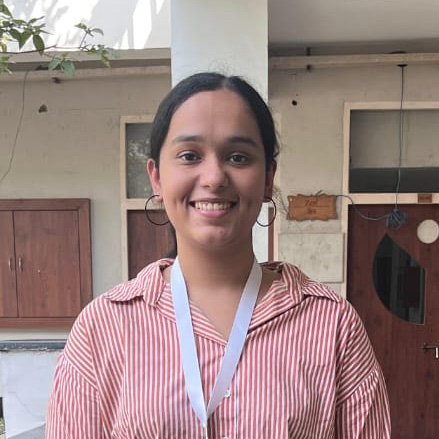
Consultant Psychiatrist | Co-Founder
Psychiatrist
Psychiatrist & Addiction Specialist
Psychiatrist
Consultant Psychiatrist
Clinical Psychologist
Counselling Psychologist & Behavioral Therapist
Clinical Psychologist
Loading booking form…
Panic disorder tends to expand the more you accommodate it. People start avoiding the bus, then crowded places, then places they can’t easily leave, then almost everywhere. Getting treatment early — before that avoidance calcifies — makes an enormous difference to outcomes. Instant access to support is particularly relevant here. Online booking means you don’t spend weeks waiting for an appointment while the condition gets worse. Privacy and confidentiality matter too — there’s something about the intimate nature of panic symptoms that makes people reluctant to discuss them in person, especially initially.
Flexible scheduling removes the “I’m too busy right now” delay that lets panic disorder entrench. Affordable compared to private in-clinic care in major cities, with no travel cost on top. Pan India availability via Anvaya Healthcare means the quality of your care doesn’t depend on which city you happen to live in. Continuous monitoring between sessions is built into the process — not left to chance. Privacy matters more here than for almost any other condition. The stigma around schizophrenia in India is among the harshest attached to any illness. Families keep it hidden, sometimes for years. The ability to consult from home, without anyone knowing, removes a barrier that stops many people from starting. Pan India reach via Anvaya Healthcare means a family in Kanpur or Bhopal or any smaller city gets access to the same quality of psychiatric expertise as someone sitting in South Delhi. That’s not nothing — it’s the whole point of building an online system. Caregiver support is also part of this: family members who are carrying an enormous load can access guidance and psychoeducation without the logistical hurdle of an in-person appointment.
Affordable, transparent pricing. The Mental Healthcare Act 2017 mandates insurance parity for mental health — check your policy’s OPD clause.
₹1,500 – ₹2,500 per session
₹1,500 – ₹8,000 per session
The clinical team at Anvaya Healthcare trained at institutions including AIIMS, NIMHANS, IHBAS, Lady Hardinge Medical College, and VIMHANS. Panic disorder is one of those conditions where the therapist’s specific experience matters — the exposure-based treatment requires skill to calibrate correctly, and a therapist who’s treated anxiety generally isn’t the same as one who’s worked specifically with panic presentations. Treatment is personalised. Panic disorder in someone whose attacks started after a medical illness looks different from panic disorder in someone with a years-long history of avoidance and agoraphobia developing gradually. The approach is matched to the individual. Confidential, easy to book, pan India accessible.
For panic attack treatment, where managing symptoms and long-term relapse prevention require careful clinical judgement, the depth of professional training is crucial.
Treatment for panic attacks is personalised — based on your symptoms, triggers, history, and recovery goals, not a one-size-fits-all approach.
Consult from home. Panic attacks can feel overwhelming and unpredictable — privacy helps you seek support without added stress or fear.
When therapy and psychiatric care work together, outcomes improve significantly. At Anvaya Healthcare, this coordinated care is delivered within one integrated clinical setting.
Someone in Kanpur, Bhopal, or any smaller city gets the same quality of panic attack treatment as someone in South Delhi — that’s the point.
Track your panic attacks before the first session. Frequency, duration, typical symptoms, and — crucially — what you think is happening when they occur. That information directly shapes what needs addressing in therapy. Note your avoidance patterns. What have you stopped doing? Where won’t you go? What do you carry with you or insist on having nearby as “safety behaviour”? These often come out slowly in sessions; better to have them articulated in advance. Prepare your medical history. Any cardiac investigations, thyroid checks, or other tests that have been done — the clinician needs to know what’s been ruled out. Private space, stable internet, earphones. And be specific during the session — “I get panic attacks” tells a clinician much less than “I’ve had three attacks this week, they usually start with a strange feeling in my chest, and I’ve stopped taking the metro.”
Yes. CBT for panic disorder has strong evidence whether delivered in person or online. Multiple meta-analyses show comparable outcomes. The key is working with a therapist specifically experienced in panic rather than general anxiety.
Yes. Registered psychiatrists can legally prescribe SSRIs and other relevant medications via online consultation.
Paced breathing — slow, diaphragmatic — reduces hyperventilation that worsens attacks. Grounding techniques (five things you can see, four you can hear, etc.) interrupt dissociation. Not fighting the sensations but letting them peak and pass reduces their duration. These are taught properly in therapy; home management is a complement to treatment, not a replacement.
CBT for panic disorder typically runs 10 to 15 sessions. Some people see significant improvement faster. Your clinician should give you a realistic estimate by session two.
Yes, online counselling is fully confidential. Your sessions and personal information are protected under strict professional and ethical privacy standards.
CBT with interoceptive and situational exposure. This is consistently the most effective psychological treatment for panic disorder across the research literature. Medication (SSRIs) is often used alongside therapy in moderate to severe presentations.
Second floor, Plot No 28,
Sector-12A Rd, Block A,
Sector 12 Dwarka
Call Now: +91-9810659825
Ground Floor, Plot No. - E-7/5, Block E,
Vasant Vihar, South Delhi
Call Now: +91-9650277301
1 in every 5 individuals
suffers from some form of mental health illness