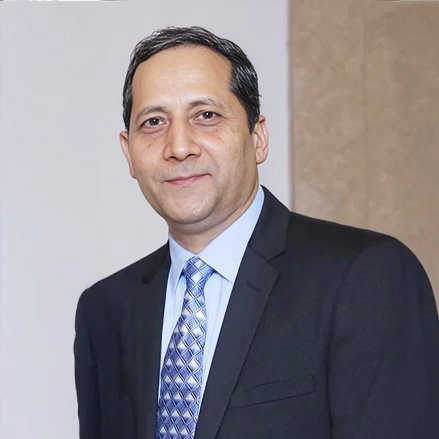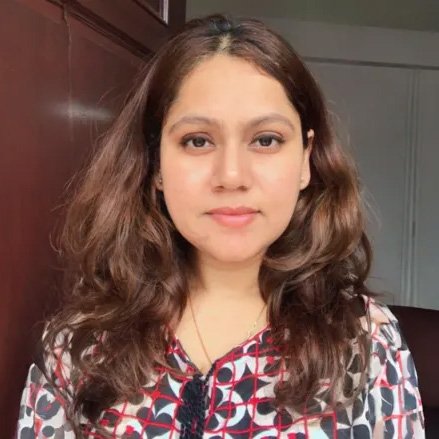


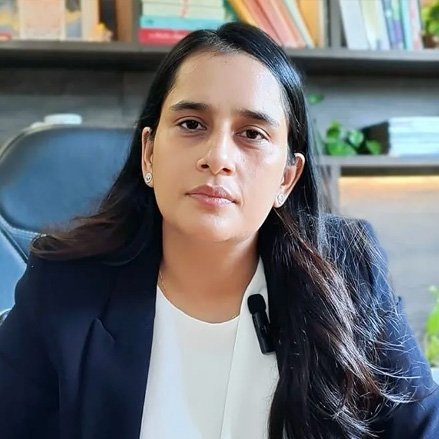
Dr. Sneha Sharma
Consultant Psychiatrist | De-Addiction Specialist
MBBS, MD (Psychiatry)
VIEW PROFILEDr. Sneha Sharma
Consultant Psychiatrist | De-Addiction Specialist
MBBS, MD (Psychiatry)
Experience: 14+ Years
TALK TO US
info@anvayahealthcare.com
+91-9810659825
Just like the Gym is for your body, Therapy is for your Mind
Dr. Sneha Sharma
Psychiatrist, Anvaya Healthcare
PTSD is real and treatable. At Anvaya Healthcare, our psychiatrists, psychologists, and therapists provide evidence-based trauma care tailored to your symptoms, history, and pace of recovery. Treatment may include trauma-focused therapy, psychiatric support, medication management when clinically appropriate, and regular follow-up.
📅 Book Consultation
After something terrible happens — an accident, an assault, a disaster, a sudden loss — it’s normal to feel shaken, to have trouble sleeping, to keep replaying it in your mind. For most people, those reactions ease over weeks as the mind gradually processes what happened and integrates it. But for some, they don’t fade. They take hold, intensify, and start to run daily life. That’s what Post-Traumatic Stress Disorder is, and it’s both real and treatable — recovery is genuinely possible with the right support.
PTSD is a mental health condition that can develop after experiencing or witnessing a deeply distressing or life-threatening event. It involves the mind and body staying stuck in a state of threat long after the danger has passed — reliving the event through flashbacks and nightmares, avoiding anything connected to it, feeling constantly on edge, and becoming emotionally numb. It isn’t weakness, an inability to “move on,” or something a person can simply decide to stop. It’s a recognised medical response to trauma that the brain hasn’t been able to process and file away as a memory of the past.
There’s an important difference between trauma and PTSD, and understanding it matters. Trauma is the event or experience itself, and most people who go through trauma have a period of distress and then gradually recover — this is normal and doesn’t require treatment. PTSD is what develops when that natural recovery gets stuck, and the symptoms persist, typically for more than a month, and interfere with daily life. Not everyone who experiences trauma develops PTSD, and having PTSD doesn’t mean something is wrong with you or that you’re weak — it means you need support to complete a process that got interrupted.
PTSD is significant in India, particularly after specific traumas. Indian studies of road-accident survivors have found PTSD symptoms in a substantial share — one trauma-centre study reported symptoms in around 46% of survivors, and another found PTSD in around 32%. Trauma from abuse shows even higher rates in Indian reviews, and natural disasters, which India experiences regularly, leave many survivors with lasting symptoms. Despite this, most people with PTSD in India never receive treatment, often because the symptoms aren’t recognised as a treatable condition.
For someone in Mumbai, trauma symptoms can make ordinary routines, travel, crowded places, and repeated journeys to a clinic feel especially difficult. Access to appropriate professional care can remove a practical barrier and make it easier to begin treatment in a setting where the person feels safe.
An Indian trauma-centre study reported PTSD symptoms in around 46% of road-accident survivors, highlighting the significant psychological impact that serious accidents can have beyond physical injuries.
Another Indian study found PTSD in around 32% of motor-vehicle accident survivors, showing that traumatic experiences can continue to affect emotional wellbeing long after the immediate danger has passed.
Most people experience distress after a traumatic event and gradually recover. PTSD develops when symptoms persist, typically for more than a month, and begin to interfere with everyday life. Recognising persistent symptoms can help people seek appropriate support.
Conduct comprehensive psychiatric assessments, evaluate PTSD symptoms and co-occurring concerns such as depression or anxiety, and provide personalised treatment plans including medication management when clinically appropriate.
Provide evidence-based trauma-focused psychological interventions, helping people process traumatic experiences safely, manage symptoms, rebuild a sense of safety, and develop healthier coping strategies.
If these symptoms persist, become intense, or interfere with work, relationships, sleep, or ordinary daily life, professional assessment is warranted.
Reliving the traumatic event as though it's happening again, or being hit by unwanted, vivid memories that arrive without warning.
Recurring distressing dreams about the event, difficulty falling asleep, or waking repeatedly through the night.
Steering clear of people, places, activities, or conversations that bring the trauma to mind, sometimes reshaping life to avoid reminders.
Feeling constantly on guard, easily startled, tense, or quick to anger, as though danger is always near.
Feeling detached, flat, or cut off from others and from your own emotions, unable to experience positive feelings as before.
The combined weight of PTSD symptoms making work, relationships, concentration, and ordinary daily life difficult to manage.
When symptoms persist beyond a month, are intense, or are interfering with daily life, a professional assessment can help determine whether PTSD treatment is appropriate.
PTSD can follow many forms of trauma. The type and severity of the event, previous experiences, existing mental health concerns, and the support available afterwards can all influence recovery.
Road accidents are a significant source of trauma in India, and survivors can develop lasting PTSD symptoms that may go unrecognised and untreated.
Trauma from abuse, whether in childhood or adulthood, is among the serious causes of PTSD and can have lasting effects on safety, trust, and emotional wellbeing.
Floods, cyclones, earthquakes, and other disasters can leave survivors with lasting trauma that may surface long after the event itself.
A serious illness, frightening diagnosis, intensive-care experience, or traumatic medical procedure can trigger persistent trauma symptoms.
Exposure to violence, serious accidents, or life-threatening situations through work can contribute to PTSD, particularly in high-risk professions and emergency services.
Sudden or traumatic loss can produce trauma symptoms alongside grief. Previous trauma, existing anxiety or depression, limited support, and the severity of the experience can also influence who develops PTSD.
Contact our team directly to arrange an initial consultation, in complete confidence from the first point of contact.
A careful first assessment explores the symptoms, how they affect daily life, previous mental health concerns, and any co-occurring conditions such as depression or anxiety that need to be part of the treatment plan.
The trauma and its impact are explored sensitively and at the person's own pace. Nobody is pushed to recount details before they are ready. The treatment plan reflects the nature of the trauma, symptoms, circumstances, and recovery goals.
Evidence-based trauma therapy is delivered through regular sessions, with psychiatric oversight where medication may help manage severe anxiety, depression, sleep disturbance, or other symptoms. Regular follow-ups allow the approach to be adjusted as recovery progresses.
Helps address the thoughts and beliefs that trauma can leave behind, including guilt, self-blame, fear, and a persistent sense of danger.
A specialised form of CBT designed specifically for trauma, helping a person process traumatic memories safely and work with the beliefs and reactions the trauma created.
Eye Movement Desensitisation and Reprocessing is a well-established trauma therapy that helps the brain reprocess traumatic memories so they lose some of their intensity, used where clinically suitable by trained practitioners.
Gradual, carefully paced work that helps a person face trauma-related memories and situations they have been avoiding, reducing their power over time under appropriate clinical guidance.
Broader therapeutic support to work through the emotional impact of trauma and rebuild a sense of safety, trust, and control in daily life.
Medical assessment and oversight, particularly where PTSD comes with depression, severe anxiety, sleep problems, or other concerns needing psychiatric input. Medication can support specific symptoms when clinically appropriate.
Building understanding and practical strategies to maintain recovery and manage any return of symptoms so progress can hold over the long term.
Consultant Psychiatrist | De-Addiction Specialist
MBBS, MD (Psychiatry)
VIEW PROFILEConsultant Psychiatrist | De-Addiction Specialist
MBBS, MD (Psychiatry)
Experience: 14+ Years
TALK TO US
Clinical Psychologist
PsyD, RCI (Psychology)
Experience: 3+ Years
TALK TO US
Clinical Psychologist
M.A & M.Phil (Clinical Psychology)
Experience: 3+ Years
TALK TO US
Consultation Psychiatrist
MBBS, MD (Psychiatry)
Experience: 6+ Years
TALK TO US
Consultant Psychiatrist
MBBS, MD (Psychiatry)
Experience: 15+ Years
TALK TO US
Psychiatrist
MBBS, DNB (Psychiatry)
Experience: 8+ Years
TALK TO US
Clinical Psychologist
MA & M.Phil (Clinical Psychology)
Experience: 3+ Years
TALK TO US
Clinical Psychologist
MA & M.Phil (Clinical Psychology)
Experience: 7+ Years
TALK TO US
Clinical Psychologist
MA (Clinical Psychology), RCI Registered
Experience: 5+ Years
TALK TO US
Clinical Psychologist
M.Phil. | MA | PG Diploma in Counselling & Family Therapy
VIEW PROFILEClinical Psychologist
M.Phil. | MA | PG Diploma in Counselling & Family Therapy
Experience: 3+ Years
TALK TO US
Psychiatrist & De-Addiction Specialist
MBBS | DPM (Psychiatry) | DNB (Neuropsychiatry)
VIEW PROFILEPsychiatrist & De-Addiction Specialist
MBBS | DPM (Psychiatry) | DNB (Neuropsychiatry)
Experience: 8+ Years
TALK TO US
Clinical Psychologist
M.Phil (Clinical Psychology)
Experience: 15+ Years
TALK TO US
Counselling Psychologist
B.Sc, MA - Psychology
Experience: 4+ Years
TALK TO US
Trauma therapy asks a person to revisit painful experiences, and being able to do so from a familiar and private environment can make that difficult work feel more manageable.
Complete confidentiality from the first contact can matter deeply when trauma carries stigma or is something a person has not told anyone about.
Sessions can be fitted around work and other commitments, including suitable evening and weekend appointments where available.
Mumbai residents can consult specialists trained in trauma care at leading Indian institutions without requiring every specialist to be physically based in the city.
Reducing repeated travel across Mumbai can make consistent attendance more sustainable through what may be a longer course of therapy.
For Mumbai residents who travel or relocate, ongoing support can continue where clinically appropriate, helping maintain consistency in a structured treatment plan.
Trauma care requires genuine expertise and sensitivity. Our psychiatrists, psychologists, and therapists provide evidence-based trauma treatment and include specialists trained at leading Indian institutions, including AIIMS, NIMHANS, IHBAS, Lady Hardinge Medical College, and VIMHANS, with appropriate professional registration.
Having psychiatrists and psychologists working together matters in PTSD, which can frequently come with depression, anxiety, sleep problems, or substance use. Treating the trauma while also addressing what accompanies it means the wider clinical picture can be considered rather than focusing on one symptom in isolation.
Every plan at Anvaya Healthcare is personalised. Trauma from a road accident, abuse, medical experience, or sudden loss can require different clinical considerations, and treatment is shaped around the individual and their specific experience rather than applying one fixed approach to everyone.
Care is delivered with patience and without pressure. Trauma recovery cannot be rushed, and the team moves at a pace that feels safe, building trust before doing deeper work. Nobody is pushed to confront more than they are ready for.
For Mumbai residents considering treatment options, public mental health services remain important, while practical constraints such as waiting times and limited session length can make sustained trauma care difficult to access. Anvaya Healthcare provides access to experienced specialists, structured sessions, and ongoing progress monitoring.
Consultations start from ₹1,500 per session, with pricing varying by the specialist’s experience and seniority. Centres in Dwarka, Vasant Vihar, and Gurugram are available for in-person sessions where preferred, with ongoing progress monitoring throughout treatment.
Trauma treatment requires specific clinical expertise. Anvaya Healthcare's specialists include professionals trained at leading Indian institutions and experienced in evidence-based mental health care.
Treatment is shaped around the person's trauma history, symptoms, circumstances, pace, and recovery goals rather than applying one fixed protocol to everyone.
Treatment can include trauma-focused CBT, EMDR where clinically suitable, exposure-based therapy, psychotherapy, and psychiatric care according to individual needs.
Where depression, anxiety, sleep problems, substance use, or other concerns accompany PTSD, psychological and psychiatric care can be coordinated.
Mumbai residents can access specialist PTSD consultations and ongoing support, with in-person sessions at Delhi NCR centres where preferred or clinically needed.
Yes. PTSD is a recognised and treatable mental health condition. Evidence-based approaches can help people process trauma, reduce symptoms, rebuild a sense of safety, and improve daily functioning. An assessment helps determine the most appropriate treatment.
This varies with the nature of the trauma, the severity and duration of symptoms, and the person’s circumstances. Some people experience meaningful improvement over a few months of focused trauma therapy, while more complex or long-standing trauma can take longer. Treatment is reviewed and paced according to progress.
Yes. For many people, trauma-focused therapy is the core treatment and medication is not required. Where PTSD comes with severe anxiety, depression, sleep problems, or other concerns, medication may be considered as support alongside therapy.
EMDR can be an appropriate evidence-based trauma treatment for some people, but suitability depends on the individual’s clinical presentation, history, and treatment plan. A trained clinician can assess whether it is appropriate.
The first consultation focuses on understanding symptoms, how they affect daily life, relevant history, and any co-occurring concerns. Trauma history is explored sensitively and at the person’s own pace; nobody is pushed to recount details before they are ready.
Yes. Mumbai residents can contact Anvaya Healthcare to arrange an initial assessment and discuss the most appropriate PTSD treatment approach and consultation format.
Chats continue on WhatsApp. Please avoid sharing clinical details here.