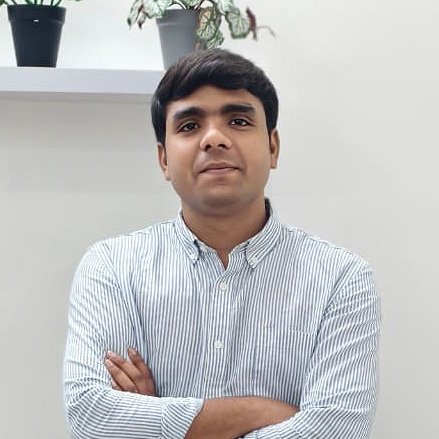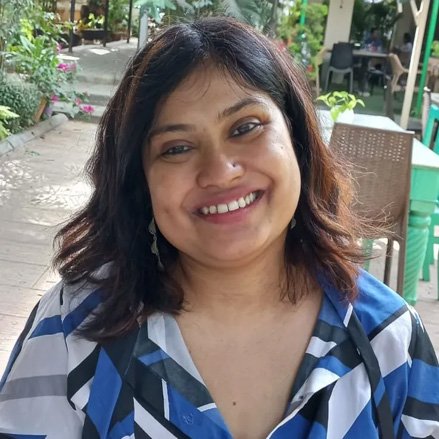


Dr. Sneha Sharma
Consultant Psychiatrist | De-Addiction Specialist
MBBS, MD (Psychiatry)
VIEW PROFILEDr. Sneha Sharma
Consultant Psychiatrist | De-Addiction Specialist
MBBS, MD (Psychiatry)
Experience: 14+ Years
TALK TO US
info@anvayahealthcare.com
+91-9810659825
Just like the Gym is for your body, Therapy is for your Mind
Dr. Sneha Sharma
Psychiatrist, Anvaya Healthcare
Expert panic attack treatment from psychiatrists and psychologists trained at AIIMS, NIMHANS & IHBAS. From accurate diagnosis and identifying the underlying causes of panic attacks to personalised therapy, medication management when needed, and ongoing support to prevent future episodes, we provide comprehensive, evidence-based care online across Mumbai. Confidential, compassionate, and tailored to help you regain confidence and control over your life.
📅 Book Consultation
A panic attack arrives without warning, and it’s one of the most physically overwhelming experiences a person can have. The heart races, chest tightens, breath shortens, and the mind becomes certain that something catastrophic is happening — a heart attack, suffocation, collapse. Most attacks peak within ten minutes. And then they’re over, leaving behind a level of exhaustion and fear that the episode itself barely explains.
The experience is real. It’s not anxiety being overdramatic, and it’s not “just stress.” A panic attack involves a genuine physiological response — the body’s alarm system firing as if a threat is imminent, when objectively no threat is present. What makes this manageable is that it is treatable. With the right clinical support, most people with panic attacks see significant improvement, often within a few months.
There’s a distinction worth understanding: a panic attack is a single episode. Panic disorder is when panic attacks become recurrent, when the fear of having another one starts to change how a person lives — avoiding crowded local trains in Mumbai, lifts, public spaces, or any situation where escape feels difficult. Panic disorder significantly impacts daily functioning and is diagnosed when the pattern has been ongoing for at least a month and causing meaningful disruption.
India’s National Mental Health Survey 2016 found the lifetime prevalence of panic disorder to be 0.5%, with a current prevalence of 0.3%. Urban metro residents — the demographic Mumbai falls squarely within — showed significantly higher odds than the national average. The treatment gap for panic disorder was 71.7%, meaning close to three-quarters of people with the condition receive no treatment at all. Around 80% of those with current panic disorder reported disability of any severity, and nearly 31% had co-occurring depression — a reminder that panic disorder rarely exists in isolation.
For Mumbai residents managing panic attacks, online treatment removes one of the most direct practical barriers to getting help: having to travel to a clinic while managing a condition that has often already begun to limit where you’ll go.
Nearly three-quarters of people with panic disorder do not receive the treatment they need.
According to the National Mental Health Survey (NMHS), around 0.5% of Indians experience panic disorder during their lifetime.
Most people with active panic disorder experience some level of disability affecting daily life and functioning.
A psychiatrist (MBBS + MD in Psychiatry) evaluates your symptoms, confirms the diagnosis, and prescribes medication when appropriate. For people experiencing frequent or severe panic attacks, medications such as SSRIs—the first-line treatment—and short-term anti-anxiety medicines can help reduce symptoms, making it easier to benefit from therapy and regain control over daily life.
A clinical psychologist (M.Phil. with RCI registration) provides structured, evidence-based therapy for panic attacks and panic disorder. Cognitive Behavioural Therapy (CBT), including interoceptive exposure and cognitive restructuring, is the most effective psychological treatment. It helps individuals understand and overcome the fear of physical sensations, reduce panic attacks, and regain confidence in everyday life.
The defining feature of a panic attack is that it arrives fast and peaks hard, often in situations that wouldn't objectively be frightening
Palpitations, a pounding or racing heart, and chest tightness so pronounced that many people experiencing their first panic attack go to a hospital emergency room, convinced they're having a cardiac event
A feeling of not being able to breathe properly, or of breathing too fast, which can itself worsen the physical symptoms through hyperventilation
A sense of being unsteady, of the ground shifting, accompanied by shaking or shivering
A conviction, in the moment, that something is seriously wrong: going mad, losing control of oneself, or dying. This belief is part of the panic attack itself, and it passes when the episode passes
A sudden fear of losing control, going mad, or dying during a panic attack. These thoughts are part of the attack and usually fade as the episode passes.
Chronic stress can keep the nervous system on high alert, making panic attacks more likely. In a fast-paced city like Mumbai, long commutes, demanding jobs, and financial pressures can increase stress levels and lower the threshold for panic episodes.
A family history of anxiety disorders or panic disorder meaningfully increases risk. The NMHS data found that urban metro residents with anxiety disorders are more prevalent than their rural counterparts, suggesting both genetic and environmental contributors are at play.
Past trauma, including accidents, medical scares, or experiences of violence or loss, can create a nervous system that's more reactive and more prone to alarm responses.
Sudden transitions — a new job, relocation, loss, or a shift in financial circumstances — can destabilise the sense of safety that keeps panic at bay.
people with existing phobias or social anxiety are at higher risk of developing panic disorder, particularly if panic attacks begin occurring in the context of situations they already feared.
High caffeine intake, certain medications, and alcohol or substance use can all trigger or worsen panic attacks in people who are already predisposed. This is particularly relevant in Mumbai's working culture where high caffeine intake during long working days is routine.
Get in touch with our team to schedule your appointment. We'll understand your concerns and connect you with the most suitable psychiatrist or clinical psychologist for your needs.
Your clinician conducts a detailed evaluation of your panic attacks, symptoms, triggers, medical history, and overall mental health to determine whether you're experiencing panic attacks, panic disorder, or another anxiety-related condition.
Based on your assessment, we create a tailored treatment plan that may include Cognitive Behavioural Therapy (CBT), medication (when appropriate), lifestyle strategies, and practical coping techniques to reduce panic attacks and improve daily functioning.
Attend regular online sessions to monitor your progress, adjust your treatment plan when needed, prevent future panic attacks, and build long-term confidence and emotional well-being.
The most extensively researched treatment for panic disorder. Addresses the catastrophic thoughts that drive panic (the belief that a racing heart means a heart attack; that dizziness means fainting), and gradually rebuilds a realistic relationship with the body's sensations.
Structured, gradual exposure to the situations, sensations, or places associated with panic attacks, conducted at a pace the person can manage. Avoidance maintains panic disorder; carefully paced exposure reduces it.
Controlled breathing techniques that interrupt the hyperventilation cycle common in panic attacks, and relaxation practices that reduce the overall level of physiological arousal that makes attacks more likely.
Building the capacity to observe the early physical signs of a panic attack without interpreting them catastrophically. This changes the person's relationship to the sensations before an attack escalates.
For moderate to severe panic disorder, or where therapy alone isn't producing sufficient improvement, medication can reduce the frequency of attacks and the background anxiety that makes them more likely. This is a clinical decision made with the individual, not a default first step.
Built into the later phases of treatment, so the person has a clear plan for managing setbacks and recognising early signs that the pattern is returning.
Consultant Psychiatrist | De-Addiction Specialist
MBBS, MD (Psychiatry)
VIEW PROFILEConsultant Psychiatrist | De-Addiction Specialist
MBBS, MD (Psychiatry)
Experience: 14+ Years
TALK TO US
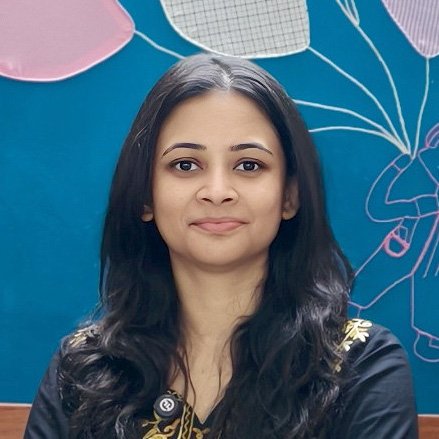
Clinical Psychologist
PsyD, RCI (Psychology)
Experience: 3+ Years
TALK TO US
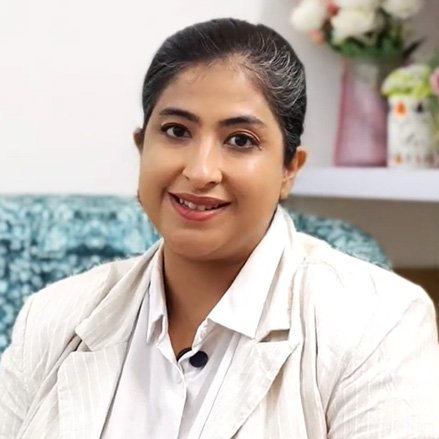
Clinical Psychologist
M.A & M.Phil (Clinical Psychology)
Experience: 3+ Years
TALK TO US
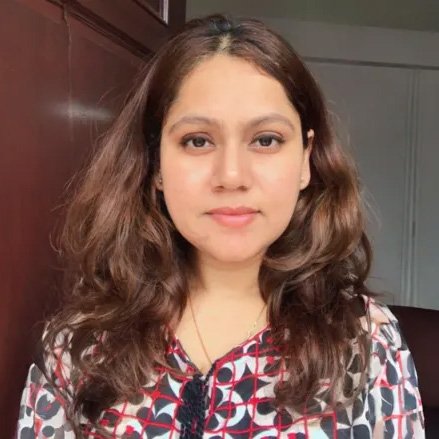
Psychiatrist
MBBS, MD (Psychiatry)
Experience: 6+ Years
TALK TO US
Consultant Psychiatrist
MBBS, MD (Psychiatry)
Experience: 15+ Years
TALK TO US
Counselling Psychologist & Behavioral Therapist
MA - Psychology
Experience: 13+ Years
TALK TO US
Psychiatrist
MBBS, DNB (Psychiatry)
Experience: 8+ Years
TALK TO US
Clinical Psychologist
MA & M.Phil (Clinical Psychology)
Experience: 3+ Years
TALK TO US
Clinical Psychologist
MA & M.Phil (Clinical Psychology)
Experience: 7+ Years
TALK TO US
Clinical Psychologist
MA (Clinical Psychology), RCI Registered
Experience: 5+ Years
TALK TO US
Clinical Psychologist
M.Phil. | MA | PG Diploma in Counselling & Family Therapy
VIEW PROFILEClinical Psychologist
M.Phil. | MA | PG Diploma in Counselling & Family Therapy
Experience: 3+ Years
TALK TO US
Psychiatrist & De-Addiction Specialist
MBBS | DPM (Psychiatry) | DNB (Neuropsychiatry)
VIEW PROFILEPsychiatrist & De-Addiction Specialist
MBBS | DPM (Psychiatry) | DNB (Neuropsychiatry)
Experience: 8+ Years
TALK TO US
Clinical Psychologist
M.Phil (Clinical Psychology)
Experience: 15+ Years
TALK TO US
Counselling Psychologist
M.A. Clinical Psychology | PG Diploma in Guidance & Counselling (PGDGC)
VIEW PROFILECounselling Psychologist
M.A. Clinical Psychology | PG Diploma in Guidance & Counselling (PGDGC)
Experience: 3+ Years
TALK TO US
Online panic attack treatment in Mumbai removes the stress of travelling, making it easier to begin therapy, attend sessions regularly, and get support from the comfort of home.
No waiting rooms, no risk of being seen, which matters particularly for the shame and embarrassment that many people with panic disorder carry about experiences they fear others will dismiss as overreaction
Evenings and weekends, fitted around Mumbai's working schedules without requiring leave
Consulting psychiatrists and psychologists trained at India's leading institutions, without those specialists needing to be physically based in the city
For people with panic disorder, treatment removes the stress of travelling to a clinic, making it easier to access expert care from the comfort and safety of home.
Treatment for panic disorder works through consistent engagement over weeks and months; online attendance is easier to maintain consistently than in-person appointments in a city where daily schedules are unpredictable
Affordable and transparent pricing for panic attack treatment in Mumbai. View our consultation fees before booking your online appointment.
Our psychiatrists and psychologists are trained at AIIMS, NIMHANS, IHBAS, Lady Hardinge Medical College, and VIMHANS, holding MCI/NMC or RCI registration as appropriate. Treatment is evidence-based — what we use in sessions for panic disorder is supported by clinical research, not improvised.
Every treatment plan at Anvaya Healthcare is personalized and the treatment reflects that rather than applying a single framework to both.
Our multidisciplinary team allows psychiatrists and psychologists to work together where needed — medication management and therapy coordinated rather than siloed. Sessions are conducted on a secure, confidential platform.
For Mumbai residents comparing their options, government mental health services are available but typically constrained by long waiting times and limited per-session time, which makes the sustained, structured work that panic disorder requires difficult to deliver. Online private care through Anvaya Healthcare provides consistent access to the same specialist, adequate session time, and ongoing progress monitoring throughout treatment.
Online consultations start from ₹1,500 per session, varying by specialist experience and seniority. In-person care at our Dwarka, Vasant Vihar, and Gurugram centres is available where needed.
For panic attack treatment, effective symptom management and long-term recovery require the expertise and clinical judgement of experienced mental health professionals.
Panic attack treatment is personalised to your symptoms, triggers, medical history, and recovery goals—ensuring care that's tailored to your unique needs.
Consult from the comfort of your home. Online panic attack treatment offers privacy, convenience, and expert support when you need it most.
When psychotherapy and psychiatric care work together, recovery is often faster and more effective. At Anvaya Healthcare, our integrated team provides coordinated, evidence-based care tailored to your needs.
Same quality of psychiatric care wherever you are, with continuity over years.
If you’re experiencing recurrent, unexpected panic attacks and have spent a month or more worried about having another one — or if you’ve changed how you live to avoid situations where you might have an attack — that’s the clinical picture of panic disorder. A formal assessment with a psychiatrist or psychologist is the right way to confirm this rather than self-diagnosing.
Yes. CBT for panic disorder is well-supported in online delivery formats and produces outcomes comparable to in-person treatment. Breathing techniques, relaxation, and exposure work all translate effectively to video sessions with the right clinical guidance.
For straightforward panic disorder, CBT typically runs for 10 to 16 weekly sessions, with meaningful improvement often visible within the first few. More complex presentations — panic disorder with significant avoidance, or with co-occurring depression — typically require longer work.
Yes, for many people. CBT alone is effective for a significant proportion of people with panic disorder, particularly where attacks are mild to moderate and avoidance hasn’t become severe. Medication is considered where CBT alone isn’t sufficient, where attacks are frequent and severe, or where a co-occurring condition warrants it.
Yes — online consultations are available for people anywhere in India, including all of Mumbai and the wider MMR. Contact us to book an initial assessment and the team will match you with the appropriate specialist for your situation.
Consult experienced psychiatrists across Mumbai — confidential, personalised and evidence-based.
Book ConsultationChats continue on WhatsApp. Please avoid sharing clinical details here.