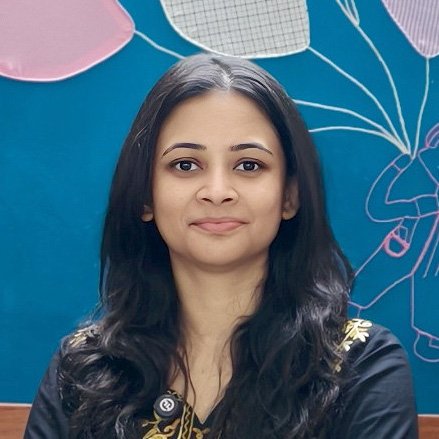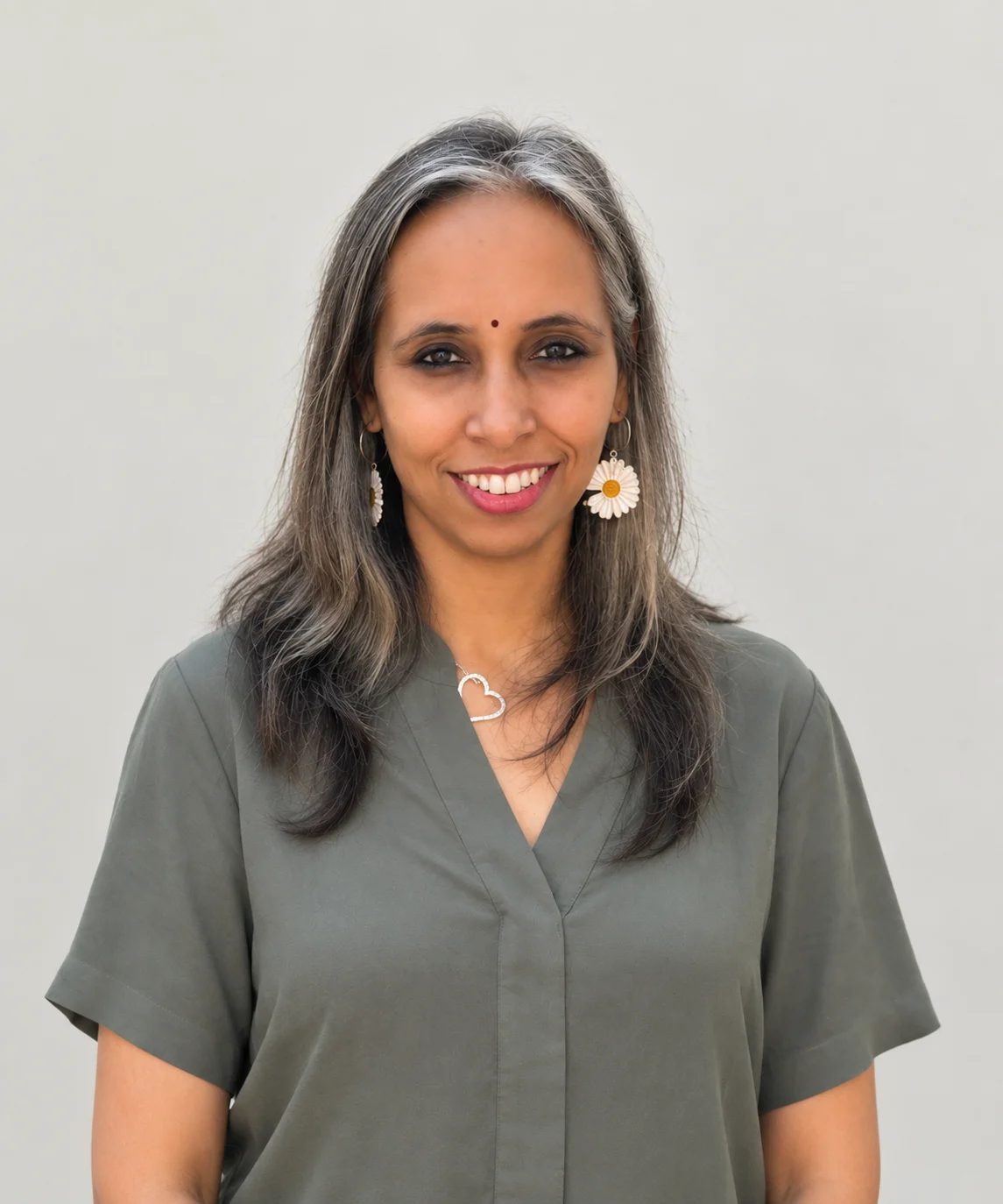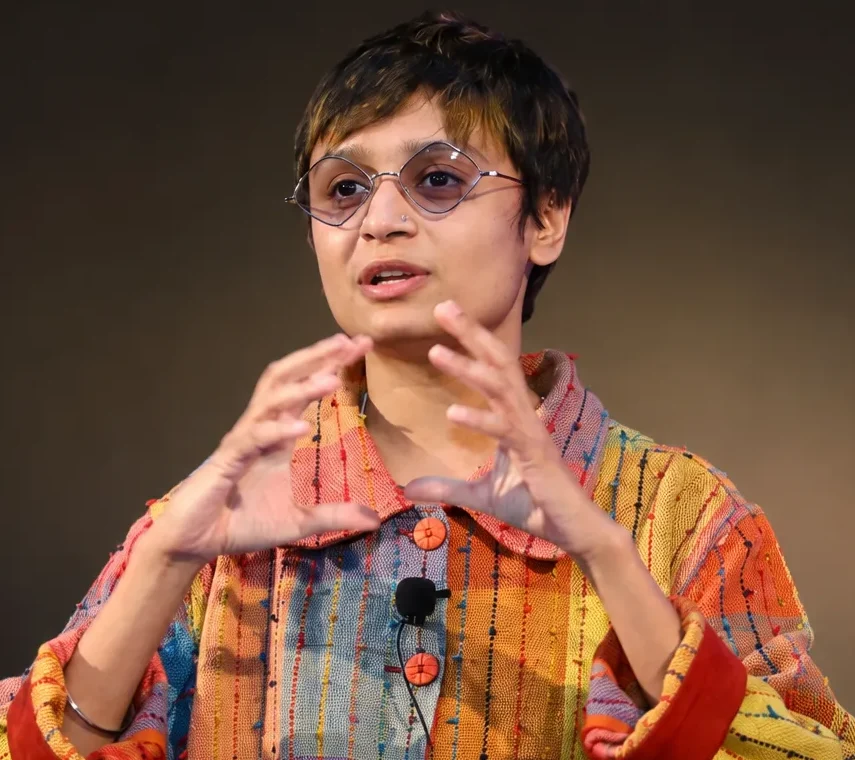


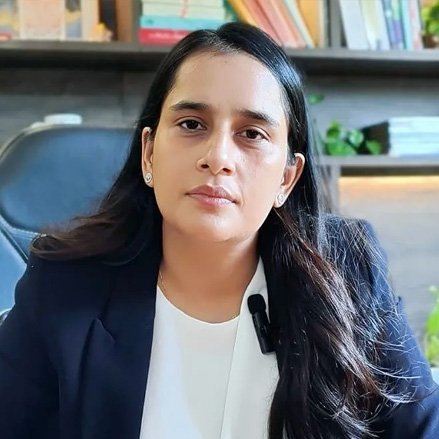
Dr. Sneha Sharma

Just like the Gym is for your body, Therapy is for your Mind

Dr. Sneha Sharma
Psychiatrist, Anvaya Healthcare

Home Mental Health Services for Children Drug Addiction Treatment for Kids

Drug Addiction Treatment for Kids & Teens in India

AIIMS, LHMC, and NIMHANS-trained psychiatrists and psychologists provide evidence-based drug addiction treatment across India. From adult recovery to drug addiction help for kids, Anvaya Healthcare offers confidential online consultations and personalised support.

450+

Patients Helped

15+

Specialists

Pan India

Online Access

94%

Satisfaction Rate

Teen drug addiction treatment at Anvaya Healthcare

Drug Addiction Treatment for Teens

When a parent first suspects their child is using drugs, the instinct is often to handle it quietly within the family. That instinct is understandable, but it’s usually wrong the delay causes one of the most common reasons early-stage use turns into something much harder to treat.

Substance use in children and teens is not the same condition as substance use in adults. A 15-year-old who tried cigarettes twice out of curiosity, a 17-year-old drinking heavily every weekend for a year, and a 13-year-old sniffing correction fluid because it’s cheap and available at school are three different clinical pictures different substances, different risk levels, and different treatment approaches.

National surveys in India have found substance use among school-going adolescents in the range of 12-16%, with rates noticeably higher among boys, school dropouts, and working teenagers. Tobacco and alcohol tend to appear first, often in early-to-mid adolescence, with other substances following later if the pattern isn’t interrupted. The age at which a substance is first tried matters clinically earlier first use is linked to a higher risk of the pattern becoming entrenched.

Early intervention changes the outcome significantly — the earlier a young person gets support through drug and alcohol help for teens, the less likely the pattern continues into adulthood, and the less complex treatment usually needs to be.

Early Support Matters

Seeking help early greatly improves recovery and reduces the risk of long-term addiction.

Every Child Is Different

Drug use in children and teens varies by age, substance, and severity, so treatment must be personalised.

Commonly Used Substances

Tobacco and alcohol are often the first substances tried, with other drugs sometimes following if early use continues.

Adolescents Are at Risk

Substance use affects many school-aged children and teenagers, making awareness and timely intervention essential.

Signs a Child or Teen May Need Help

What Parents Often Notice First

Parents usually notice something before they can name it. A talkative child becoming withdrawn, or a quiet child becoming irritable, is often the first sign easy to put down to "just being a teenager." Adolescence involves real shifts in mood on its own, which is why these signs are easy to miss until several show up together.

Falling Grades or Attendance

A drop in grades or attendance without an obvious explanation — a previously consistent student suddenly missing assignments or showing a sharp dip in marks over a single term — is a pattern, not a one-off.

Secretive Behaviour

Secretive behaviour and lying about whereabouts is different from the ordinary privacy most teenagers want. What's different is a pattern: stories that don't add up, a phone that's suddenly always locked and turned face-down, friends the parents have never met, or money going missing in small amounts.

Behavioural & Physical Changes

Loss of interest in things that used to matter — sports, friendships, hobbies. Physical changes: red eyes, unusual smells, appetite, sleep, or weight changes. Mood swings beyond normal moodiness, especially with a pattern to when they occur.

Seek drug abuse help for teens when more than one sign is present, the pattern has run for weeks, or your own instinct says something is wrong. That instinct is usually right.

Why Kids and Teens Starts using Drugs?

There’s rarely one single cause. What we usually find is a combination of factors:

Looking Beyond Peer Pressure

Peer pressure and curiosity are real, but rarely the whole story. Most young people who try a substance once or twice don't develop a problem. The ones who do usually have something else underneath, which is often how drug addiction in children's life begins to develop over time.

Academic Stress and Substance Use

Stress at school or home is a common factor, and academic pressure in India has a particular shape to it. Board exam years, competitive entrance exam preparation, and the comparison culture around marks and college admissions create sustained pressure specific to the Indian schooling system. For some teenagers, substance use starts as a way to manage that pressure — to relax after studying, or to switch off.

Mental Health & Self-Esteem

Low self-esteem and difficulty fitting in socially make substance use feel like a solution. Mental health concerns anxiety, depression, ADHD, or undiagnosed school difficulties frequently exist before the substance use starts. A teenager who has struggled quietly with anxiety may find alcohol or cannabis temporarily reduces it, which makes the substance feel like it's helping while creating a new problem.

Social Media Influence

Online exposure is a newer factor. Social media normalises substance use, and online communities can encourage risky behavior.

Early Risk Factors

Early risk factors worth watching for: a family history of addiction, a major life change such as a move or parents separating, and a new peer group the parents know little about.

Types of Substances Commonly Misused by Teens

Tobacco Often Comes First

Cigarettes and other nicotine products remain among the most common substances tried first, easily available and socially normalised. Smokeless tobacco products are also widely available in parts of India and sometimes overlooked because they don’t involve smoke or smell.

Alcohol & Binge Drinking

Alcohol, including binge drinking — a young person who doesn’t drink regularly but consumes a large amount in one session, most commonly at parties. Often underestimated, partly because the young person may seem fine the next day.

Misuse of Prescription Medicines

Prescription pain medicines and other drugs misused without medical supervision — sometimes taken from a family medicine cabinet. Frequently missed because the substances are legal and familiar.

Cannabis and Inhalants

Cannabis and inhalants. Inhalants — correction fluid, glue, similar household products — are particularly concerning, cheap, easy to access, and risky for younger teenagers.

Mixed Substance Use

Mixed substance use, where more than one substance is used together, increases risk significantly and needs careful medical assessment.

How Addiction Is Assessed at Anvaya Healthcare?

  • The first step is usually a conversation with parents — taking a full history of what’s been observed, when it started, and what’s already been tried. Not about blame. About building an accurate picture.
  • The teenager is then assessed separately, and this matter. A young person is far more likely to be honest in confidential conversation with a clinician than in front of their parents, and that honesty is essential to getting the assessment right.
  • The assessment screens for other concerns that often exist alongside substance use — anxiety, depression, ADHD, or school difficulties not yet identified. Substance use rarely exists on its own. This is also where the distinction between presentations matters: a teenager whose substance use is tangled up with longstanding defiance and conflict with authority may show a pattern more consistent with Oppositional Defiant Disorder, while a teenager with more serious rule-breaking — theft, aggression, repeated truancy — may fit a Conduct Disorder presentation. These have different trajectories and respond to somewhat different approaches, so getting this distinction right shapes everything that follows.
  • Behaviour and school patterns are reviewed — attendance, performance, teacher reports where the family is comfortable sharing this. Anvaya Healthcare offers counselling support at Dwarka, Vasant Vihar, and Gurugram for families wanting to begin in person, plus online options.

Treatment Options Kids & Teens

Behaviour Therapy

Behaviour therapy helps young people understand the patterns leading to substance use and build different responses to current triggers.

CBT for Teen Substance Use

CBT-based counselling — adapted for teenagers — works on the thoughts driving the behaviour, such as "everyone else is doing it" or "this is the only way I can deal with exam stress," building less all-or-nothing thinking.

Family Support Matters

Family counselling is central, since a teenager's environment is largely shaped by their family, and recovery succeeds far more often when the whole family is involved.

Building Motivation for Change

Motivational support sessions build the young person's own reasons for change — far more effective with teenagers, who disengage from anything that feels like a lecture.

Personalised Recovery Plans

Psychiatric support is available where a co-occurring condition may benefit from medication. Personalised recovery planning for drug and alcohol treatment for teens reflects the young person's age, substances involved, and family circumstances — not a standard programme.

Role Of Parents and Family in Recovery

  • Setting healthy routines at home — regular meals, consistent sleep, structured time for schoolwork and downtime provides the stability recovery depends on for families learning how to help a child with drug addiction. Unpredictable homes make new habits harder to build.
  • Monitoring triggers and peers without it turning into surveillance is a balance many parents find difficult. There’s a real difference between staying informed and making a teenager feel constantly watched — and that difference often determines whether they stay engaged with treatment.
  • Improving communication often means learning conversations that don’t turn into arguments including how to explain addiction to a child in an honest, age appropriate way a significant change worked on directly in family counselling.
  • Building trust without blame is genuinely difficult once trust has been damaged by lying. Rebuilding happens through consistency, not one conversation meant to fix everything.
  • Following the therapist’s guidance between sessions often determines whether progress in sessions actually changes anything at home.

School Support and Daily Routine Planning

There’s rarely one single cause. What we usually find is a combination of factors:

Coordination with teachers, where needed and with the family's agreement, can help align school with treatment particularly attendance and reasonable adjustments without singling the young person out.

Academic stress management is often part of the work, especially where academic pressure was a contributing factor not about lowering expectations, but making the pressure manageable enough that it stops being something to escape from.

A realistic study and sleep routine matters more than an ambitious one abandoned within a week. Screen time boundaries, set collaboratively where possible, address a common source of conflict and a clear ongoing risk factor for online exposure.

Healthy peer involvement sports, activities, social groups giving a positive alternative is one of the most protective factors in sustained recovery. Behaviour tracking at home and school, done consistently, gives everyone a clearer picture of progress.

Therapies used for Teen Addiction Recovery

  • Individual counselling gives the teenager a confidential space to work through what’s driving the substance use, away from family dynamics.
  • Family therapy addresses the relationships and patterns within the family that affect — and are affected by — the substance use, working with the family as a whole.
  • Group support sessions connect teenagers with peers going through similar experiences, reducing isolation.
  • Relapse prevention therapy identifies the specific situations, people, and feelings that increase risk, building a plan for each rather than relying on willpower.
  • Skills-building for coping gives practical alternatives for managing stress, boredom, or difficult emotions. Emotional regulation work addresses managing intense feelings without needing to escape them — both delivered by the team at Anvaya Healthcare within individual counselling.

How Drug Addiction Treatment Works

You can book a consultation by phone or online. At Anvaya Healthcare, our team helps parents understand the best next steps if they are unsure where to begin. For children with speech or language concerns, the process usually starts with a comprehensive assessment to identify the underlying cause, evaluate communication skills, and create a personalized therapy plan that supports the child’s development.

Book & Connect

You can book a consultation by phone or online. The first step is to assess your child's communication skills, identify any underlying concerns, and create a personalized therapy plan.

Full Assessment

The initial assessment explores your child's speech, language, communication abilities, developmental history, and any factors that may be affecting progress. A thorough evaluation helps ensure the right support from the start.

Diagnosis & Medication

Assessment helps identify the underlying cause of communication difficulties and guide treatment. When appropriate, medication or medical support may be recommended alongside therapy.

Ongoing Therapy & Follow-up

Follow-up sessions monitor progress in speech, language, and communication skills, allowing therapy goals to be adjusted as the child develops. If required, medication may be prescribed under India's Telemedicine Practice Guidelines (2020).

Best Doctors for Drug Addiction Treatment in India

Dr. Sneha Sharma

Dr. Sneha Sharma

Consultant Psychiatrist | De-Addiction Specialist

MBBS, MD (Psychiatry)

VIEW PROFILE
VIEW PROFILE

Dr. Sneha Sharma

Consultant Psychiatrist | De-Addiction Specialist

MBBS, MD (Psychiatry)

Experience: 14+ Years
Treatments: Depression, Anxiety Disorders, ADHD, Autism Spectrum Disorders, OCD, Bipolar Disorder, Schizophrenia, Sleep Disorders, Stress & Burnout, Panic Attacks, Dementia &... more
Specialization: Child & Adolescent Psychiatry, Adult Psychiatry, Geriatric Psychiatry, Neuropsychiatry, Medication Management (Psychopharmacology), De-addiction Psychiatry, Psychiatric Evaluation & Diagnosis, Women's Mental Health, Online Psychiatric Consultation
Languages: Hindi, English
₹ 2500 for 20 mins

Experience: 14+ Years

Choose Location
Select Location
Video/Voice Call
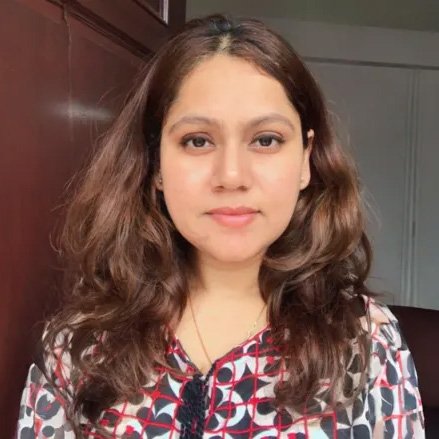
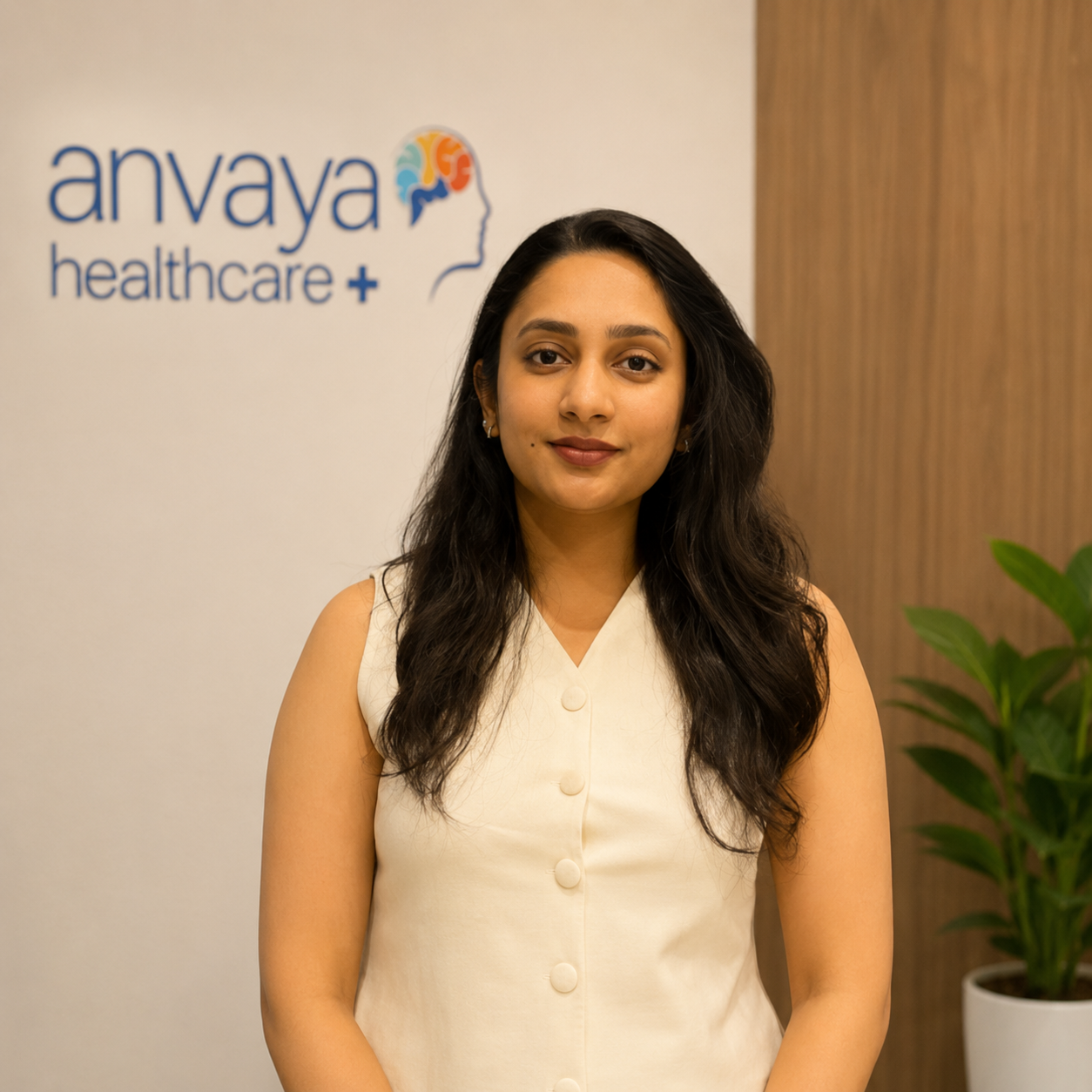
Dr. Poulami Basu

Dr. Poulami Basu

Psychiatrist

MBBS, MD (Psychiatry)

VIEW PROFILE
VIEW PROFILE

Dr. Poulami Basu

Psychiatrist

MBBS, MD (Psychiatry)

Experience: 6+ Years
Treatments: Depression, Anxiety Disorders, Alcohol & Substance Addiction, OCD, Bipolar Disorder, Schizophrenia & Psychosis, ADHD, Sleep Disorders, Stress & Burnout, Panic... more
Specialization: De-addiction Psychiatry, Child & Adolescent Psychiatry (NIMHANS-trained), Geriatric Psychiatry, Forensic Psychiatry, General Adult Psychiatry, Medication Management (Psychopharmacology), Psychiatric Evaluation &... more
Languages: Hindi, English, Bengali
₹ 1500 for 30 mins

Experience: 6+ Years

Choose Location
Select Location
Video/Voice Call
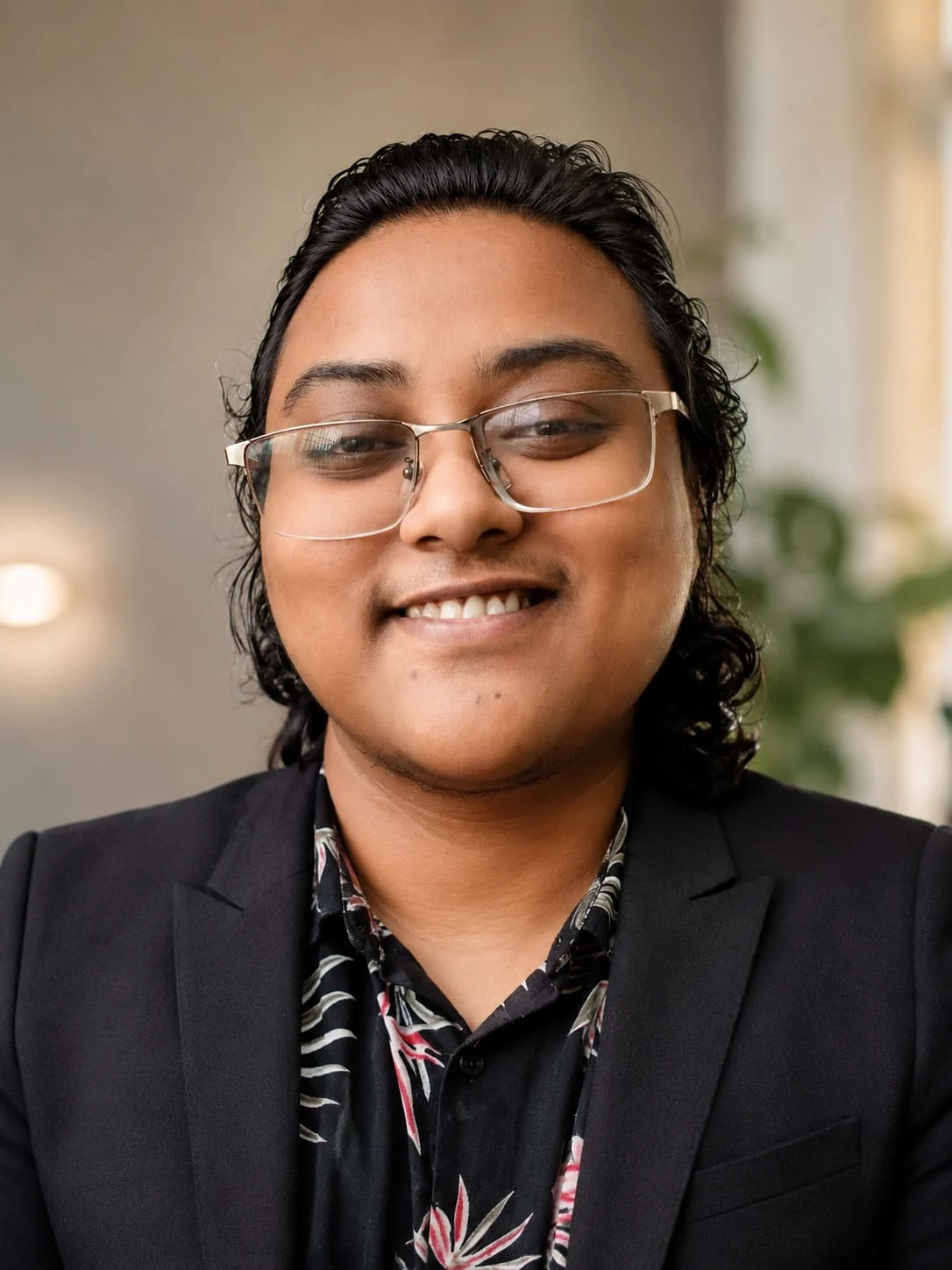
Dr. Kampila Kardam

Dr. Kampila Kardam

Psychiatrist & Addiction Specialist

MBBS | DPM (Psychiatry) | DNB (Neuropsychiatry)

VIEW PROFILE
VIEW PROFILE

Dr. Kampila Kardam

Psychiatrist & Addiction Specialist

MBBS | DPM (Psychiatry) | DNB (Neuropsychiatry)

Experience: 8+ Years
Treatments: Depression, Anxiety Disorders, OCD, Panic Disorder, Bipolar Disorder, ADHD, Autism Spectrum Disorders, Alcohol & Substance Addiction, Schizophrenia & Psychosis, Late-Life... more
Specialization: Child & Adolescent Psychiatry, Geriatric Psychiatry, Addiction Psychiatry & De-addiction, Medication Management (Psychopharmacology), Anxiety Disorder Treatment, Neuropsychiatry, Psychiatric Evaluation &... more
Languages: Hindi, English
₹ 1500 for 30 mins

Experience: 8+ Years

Choose Location
Select Location
Video/Voice Call
Dr. Palak Patel

Dr. Palak Patel

Psychiatrist

MBBS, DNB (Psychiatry)

VIEW PROFILE
VIEW PROFILE

Dr. Palak Patel

Psychiatrist

MBBS, DNB (Psychiatry)

Experience: 8+ Years
Treatments: Anxiety Disorders, Depression, OCD, Bipolar Disorder, Panic Attacks, Social Anxiety, ADHD, Autism Spectrum Disorders, Psychosis & Schizophrenia, Addiction & Substance... more
Specialization: General Adult Psychiatry, Anxiety & Mood Disorder Management, Child & Adolescent Psychiatry, Medication Management (Psychopharmacology), Psychiatric Evaluation & Diagnosis, De-addiction... more
Languages: Hindi, English, Gujarati
₹ 1500 for 30 mins

Experience: 8+ Years

Choose Location
Select Location
Video/Voice Call
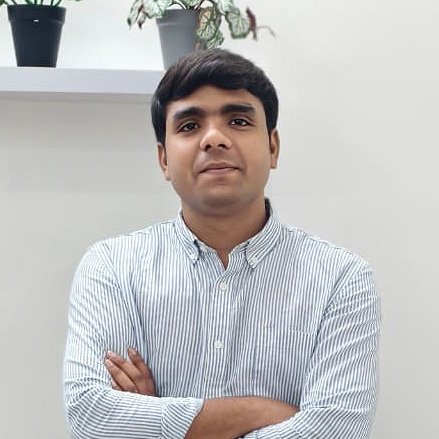
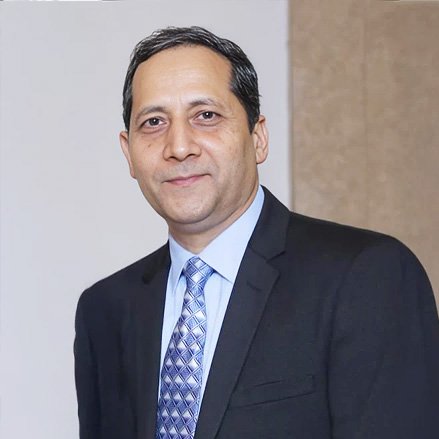
Dr. Abhineet Sayal

Dr. Abhineet Sayal

Consultant Psychiatrist

MBBS, MD (Psychiatry)

VIEW PROFILE
VIEW PROFILE

Dr. Abhineet Sayal

Consultant Psychiatrist

MBBS, MD (Psychiatry)

Experience: 15+ Years
Treatments: Depression, Generalized Anxiety Disorder (GAD), Social Anxiety, Obsessive-Compulsive Disorder (OCD), Phobias, Substance Use Disorders, Internet... more
Specialization: Addiction Psychiatry, Geriatric Psychiatry, Forensic Psychiatry, Telepsychiatry, Community Psychiatry, Patient-Centred Care, Psychopharmacotherapy, Biopsychosocial Assessment, Risk Assessment & Crisis... more
Languages: Hindi, English, Punjabi
₹ 2000 for 30 mins

Experience: 15+ Years

Choose Location
Select Location
Video/Voice Call
Mr. Manish Kumar

Mr. Manish Kumar

Clinical Psychologist

M.A & M.Phil (Clinical Psychology)

VIEW PROFILE
VIEW PROFILE

Mr. Manish Kumar

Clinical Psychologist

M.A & M.Phil (Clinical Psychology)

Experience: 3+ Years
Treatments: Depression, Anxiety Disorders, OCD, Bipolar Disorder, PTSD & Trauma, ADHD, Autism Spectrum Disorders, Intellectual Disability, Conduct Disorder, Personality Disorders, Eating... more
Specialization: Psychological Assessment & Diagnosis, Cognitive Behavioral Therapy (CBT), Exposure & Response Prevention (ERP) for OCD, Crisis Intervention, Juvenile & Adolescent... more
Languages: Hindi, English
₹ 1500 for 60 mins

Experience: 3+ Years

Choose Location
Select Location
Video/Voice Call
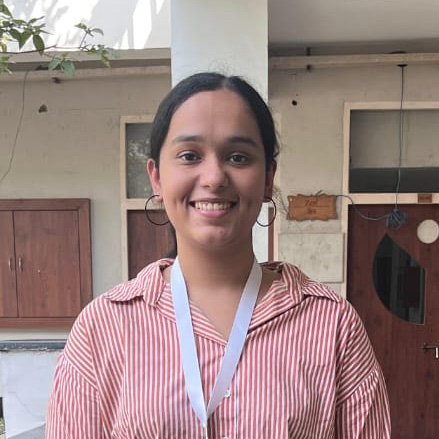
Ms. Ananya Singh

Ms. Ananya Singh

Clinical Psychologist

MA & M.Phil (Clinical Psychology)

VIEW PROFILE
VIEW PROFILE

Ms. Ananya Singh

Clinical Psychologist

MA & M.Phil (Clinical Psychology)

Experience: 3+ Years
Treatments: Depression, Anxiety Disorders, Stress & Burnout, OCD, Trauma & PTSD, Grief & Loss, ADHD, Learning Disabilities, Panic Attacks, Adjustment &... more
Specialization: Psychological Assessment & Diagnosis, IQ Testing & Intellectual Assessment, Personality Assessment, Learning Disability & ADHD Assessment, Cognitive Behavioral Therapy (CBT),... more
Languages: Hindi, English
₹ 1500 for 60 mins

Experience: 3+ Years

Choose Location
Select Location
Video/Voice Call
Ms. Arpita Vij

Ms. Arpita Vij

Clinical Psychologist

M.Phil. | MA | PG Diploma in Counselling & Family Therapy

VIEW PROFILE
VIEW PROFILE

Ms. Arpita Vij

Clinical Psychologist

M.Phil. | MA | PG Diploma in Counselling & Family Therapy

Experience: 3+ Years
Treatments: Depression, Anxiety Disorders, Family Conflict & Dysfunction, Relationship & Marital Issues, Stress & Burnout, OCD, Emotional Regulation Difficulties, Trauma &... more
Specialization: Family Therapy, Couples & Marital Counselling, Cognitive Behavioral Therapy (CBT), Psychological Assessment & Diagnosis, Individual Psychotherapy, Parent & Family Psychoeducation,... more
Languages: Hindi, English, Punjabi
₹ 1500 for 60 mins

Experience: 3+ Years

Choose Location
Select Location
Video/Voice Call
Ms. Lata Arya

Ms. Lata Arya

Clinical Psychologist

MA (Clinical Psychology), RCI Registered

VIEW PROFILE
VIEW PROFILE

Ms. Lata Arya

Clinical Psychologist

MA (Clinical Psychology), RCI Registered

Experience: 5+ Years
Treatments: Depression, Anxiety Disorders, ADHD, Autism Spectrum Disorders, Behavioural Problems in Children, School-Related Anxiety, Stress & Burnout, Emotional Regulation Difficulties, OCD,... more
Specialization: Psychological Assessment & Diagnosis, Child & Adolescent Therapy, ADHD & Autism Assessment, Individualized Treatment Planning, De-addiction & Rehabilitation Support, Psychoeducation... more
Languages: Hindi, English
₹ 1500 for 60 mins

Experience: 5+ Years

Choose Location
Select Location
Video/Voice Call
Ms. Vamika Kumar

Ms. Vamika Kumar

Clinical Psychologist

M.Phil, RCI Registered

VIEW PROFILE
VIEW PROFILE

Ms. Vamika Kumar

Clinical Psychologist

M.Phil, RCI Registered

Experience: 5+ Years
Treatments: Depression, Anxiety Disorders, OCD, Trauma & PTSD, Panic Attacks, Exam & Performance Anxiety, Relationship & Family Distress, Emotional Dysregulation, Dissociative... more
Specialization: Cognitive Behavioral Therapy (CBT), Dialectical Behavior Therapy (DBT), Mindfulness-Based Therapy, Psychological & Diagnostic Assessment, Adolescent & Young Adult Therapy, Family... more
Languages: Hindi, English
₹ 2200 for 60 mins

Experience: 5+ Years

Choose Location
Select Location
Video/Voice Call
Ms. Anusuya Datta

Ms. Anusuya Datta

Clinical Psychologist

M.Phil (Clinical Psychology)

VIEW PROFILE
VIEW PROFILE

Ms. Anusuya Datta

Clinical Psychologist

M.Phil (Clinical Psychology)

Experience: 15+ Years
Treatments: Depression, Anxiety Disorders, Adult ADHD, Stress & Burnout, OCD, Low Self-Esteem & Self-Worth Issues, Emotional Regulation Difficulties, Trauma & Emotional... more
Specialization: Cognitive Behavioral Therapy (CBT), Adult ADHD (incl. ADHD in Women & Late Diagnosis), Positive Psychology Interventions, Character Strength & Emotional... more
Languages: Hindi, English
₹ 5,500 for 50 mins

Experience: 15+ Years

Choose Location
Select Location
Video/Voice Call
Ms. Niti Joshi

Ms. Niti Joshi

Clinical Psychologist

MA & M.Phil (Clinical Psychology)

VIEW PROFILE
VIEW PROFILE

Ms. Niti Joshi

Clinical Psychologist

MA & M.Phil (Clinical Psychology)

Experience: 7+ Years
Treatments: Depression, Anxiety Disorders, Trauma & PTSD, Relationship & Marital Issues, ADHD, Stress & Burnout, Workplace Stress & Work-Life Issues, Grief... more
Specialization: Couple & Relationship Therapy, Psychological Assessment & Diagnosis, Neurodivergence (ADHD & Autism in Adults and Children), Psycho-Oncology & Chronic Illness... more
Languages: Hindi, English
₹ 3000 for 60 mins

Experience: 7+ Years

Choose Location
Select Location
Video/Voice Call
Dr. Purva Agarwal

Dr. Purva Agarwal

Clinical Psychologist

PsyD, RCI (Psychology)

VIEW PROFILE
VIEW PROFILE

Dr. Purva Agarwal

Clinical Psychologist

PsyD, RCI (Psychology)

Experience: 3+ Years
Treatments: Depression, Anxiety Disorders, OCD, Bipolar Disorder, Dissociative Disorders, Trauma & PTSD, Grief & Loss, Substance Use Disorders, Eating Disorders, Sleep... more
Specialization: Cognitive Behavioral Therapy (CBT), Child & Adolescent Psychology, Psychological Assessment & Testing, Trauma-Focused Therapy, Evidence-Based Psychotherapy, Adult Individual Therapy, Dissociation... more
Languages: Hindi, English
₹ 2000 for 60 mins

Experience: 3+ Years

Choose Location
Select Location
Video/Voice Call

Why Families Choose Anvaya Healthcare

The team at Anvaya Healthcare includes specialists with experience in child and adolescent mental health and addiction — a different skill set from adult treatment, requiring an understanding of adolescent development, family dynamics, and school life.

Confidential and supportive care means the teenager has space to be honest, while parents stay involved in a way that supports rather than works against the treatment. Treatment plans reflect the specific substances involved, the young person’s age and stage of development, and what’s happening at school, home, and socially.

Online sessions and centre visits are both available centres at Dwarka, Vasant Vihar, and Gurugram for in-person sessions, online options for families anywhere in India. Follow-up support continues well beyond the initial treatment period, since recovery for this age group is rarely a short, fixed process.

  • AIIMS, NIMHANS & IHBAS Trained Specialists

    Children struggling with drug addiction need a thorough assessment and personalized treatment. Our team uses evidence-based therapies tailored to each individual's needs, helping build a strong foundation for lasting recovery.

  • Personalised, Not Templated

    Every treatment plan is personalized based on the individual's addiction history, symptoms, family support, and recovery goals not a one-size-fits-all approach.

  • Complete Confidentiality

    Get professional support from the privacy of your home. The stigma surrounding drug addiction can prevent people from seeking help. Confidential care makes recovery safer and more accessible.

  • Integrated Psychiatry + Psychology

    When both work in coordination, outcomes are substantially better. At Anvaya, that coordination actually happens — both are within the same clinical setting.

  • Pan-India Access

    A family in Kanpur, Bhopal, or any smaller city gets the same quality of psychiatric expertise as someone in South Delhi. That's the whole point.

Patient Satisfaction 94%
Avg. Relapse Reduction 60%

Relapse Prevention and Long-Term Recovery

  • Identifying triggers — the situations, people, places, and feelings that increase risk for this individual — is one of the most important parts of long-term recovery, specific to each person rather than a generic list.
  • Coping skills need to be practised, not discussed. The gap between knowing what to do and doing it under pressure closes through repetition, not understanding alone.
  • Regular follow-up sessions, even after the most intensive phase ends, help catch early warning signs before they grow into bigger problems. Healthy habits — sleep, activity, nutrition, social connection — support the brain’s recovery, which takes longer than most families expect.
  • Peer and family check-ins keep everyone involved without feeling like surveillance once the difficult phase has passed. Warning signs to monitor: a return to old peer groups, withdrawal from family again, or a return to earlier behavioural changes — worth raising early.

Online or In-Person What Works Best for Speech Therapy?

  • In-person sessions have a clear advantage for young children below 3, for initial assessments, and for oral motor work that needs the therapist to observe a child’s mouth and jaw movement closely.
  • Online sessions work well for older children working on language, fluency, or social communication — and for follow-up sessions after an initial in-person assessment. For families outside Delhi NCR, online therapy means access to specialist support that isn’t available locally.
  • Hybrid care  beginning with in-person assessment and continuing with a mix of in-person and online sessions — is what many families at Anvaya Healthcare find works best practically.

Frequently Asked Questions

Sudden behaviour changes, a drop in grades or attendance, secretive behaviour and lying, loss of interest in things they used to enjoy, and physical or mood changes without another explanation. Any one alone may mean nothing, but more than one together, over a few weeks, is worth attention.

Yes. For many teenagers, online sessions feel more private than visiting a clinic, making it easier to be honest from the first session.

Yes. Individual therapy and family counselling are both part of the approach, available at Dwarka, Vasant Vihar, and Gurugram, or online.

This varies depending on the substance, how long the pattern has run, and what else is happening for the young person. Treatment is rarely a quick fix, and follow-up support generally continues well after the initial, intensive phase.

Yes, within the limits of safety. Teenagers are given space to be honest in individual sessions, while parents stay appropriately informed in a way that supports rather than undermines the trust the young person needs to be open.

New Appointment
Please enable JavaScript in your browser to complete this form.
Preferred Appointment Date