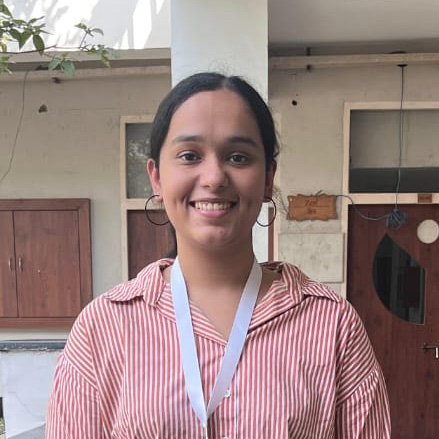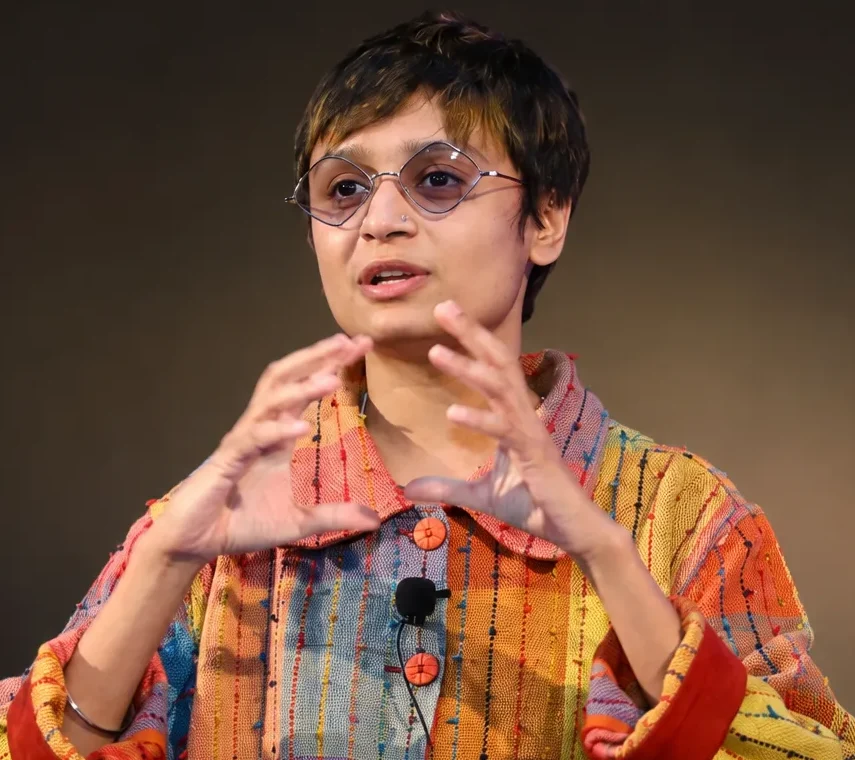



Dr. Sneha Sharma

Just like the Gym is for your body, Therapy is for your Mind

Dr. Sneha Sharma
Psychiatrist, Anvaya Healthcare

Home Mental Health Services for Children Dialectical Behaviour Therapy (DBT) for Children in India

Online DBT Therapy for Kids in India

Children who experience intense emotions, frequent meltdowns, impulsive behaviour, self-harm thoughts, anger outbursts, or difficulty coping with stress may benefit from Dialectical Behaviour Therapy (DBT). Our experienced child psychologists and psychiatrists provide evidence-based online DBT therapy for children and adolescents across India, helping young people develop emotional regulation, distress tolerance, mindfulness, and healthy communication skills from the comfort of home.

Age 8+

DBT adapted for children from age 8–9 upwards

16–24

Weeks for a full DBT skills programme

Pan India

Online Access

4

Core skill sets taught in every programme

DBT Therapy for Kids

What is Dialectical Behaviour Therapy?

Dialectical Behavior Therapy (DBT) is a goal-oriented psychotherapy approach that helps people develop skills to cope with overwhelming emotions, strengthen interpersonal relationships, and respond to challenges in healthier ways. Grounded in scientific research, DBT is commonly used to support individuals struggling with emotional instability, anxiety, depression, self-destructive behaviors, trauma-related concerns, and personality-related difficulties.

At Anvaya Healthcare, DBT is approached as a practical framework for everyday living. Rather than focusing solely on symptom reduction, it equips individuals with effective tools to understand their emotions, navigate stressful situations, and build a meaningful balance between self-acceptance and personal growth.

There’s a particular kind of struggle some children have with their emotions that goes beyond ordinary moodiness. One moment they’re fine; the next they’re flooded — overwhelmed by feelings that arrive fast, hit hard, and are almost impossible for them to manage. These children aren’t being difficult on purpose. Their nervous system is genuinely more reactive than most, and without the right kind of help, this pattern tends to intensify rather than settle on its own.

Dialectical Behaviour Therapy, or DBT, was developed specifically for people who experience emotions intensely and struggle to regulate them. Adapted for children and adolescents, dialectical behaviour therapy for adolescents teaches practical skills — not insights or realisations, but actual techniques that a child can reach for in the moment when feelings become overwhelming. The four core areas it works on are: being present and grounded, tolerating distress without making things worse, understanding and managing emotions, and communicating effectively with the people around them.

In India, DBT for adolescents is increasingly being used in clinical settings. A trial conducted at the Central Institute of Psychiatry (CIP) in Ranchi found DBT-A to be an effective addition to treatment for adolescents with emotion dysregulation, including improvements in the ability to manage difficult emotional states.

CIP’s child and adolescent psychiatry centre specifically adapted the DBT-A module for the Indian context, establishing its relevance for Indian children and families.

Signs a Child Might Benefit from DBT

The children who tend to benefit most from DBT share a particular profile. It’s worth recognizing:

Frequent, intense mood swings

that shift quickly and seem out of proportion — not just being moody, but emotional states that flood the child so fast that by the time a parent notices and tries to respond, the situation has already escalated

Strong emotional outbursts

crying, screaming, throwing things, or shutting down completely — that the child themselves often can't explain afterwards

Impulsive behaviour

acting before thinking, whether that means saying something harmful, storming out of a situation, or making decisions in the heat of the moment that cause problems

Self-harm concerns

any indication that a child is hurting themselves, even in ways that seem minor, should be taken seriously and assessed promptly

Difficulty in relationships and at school

friendships that break down repeatedly, conflict with teachers, or a child who seems to push away the people they most want to be close to If several of these feel familiar, and they've been going on consistently rather than just in a difficult patch, DBT is worth considering.

What DBT Is Used For?

DBT was not designed as a general-purpose therapy. It has a specific focus: emotion dysregulation and the behaviours that come with it. The conditions where it’s most relevant for children are:

Emotional dysregulation

when a child’s emotional responses are consistently intense, rapid, and difficult to recover from, regardless of whether there’s a formal diagnosis attached. Some children have simply never been taught the tools to manage what they feel.

Anxiety and stress

particularly the type where anxiety flares suddenly and intensely, and where the child’s response (fleeing, shutting down, catastrophising) makes the situation worse rather than better.

Anger management difficulties

when anger arrives fast, is expressed explosively, and the child has minimal ability to slow the process down before things escalate. DBT’s distress tolerance skills are particularly useful here.

Behavioural problems at home and school

impulsive behaviour, defiance, and the relational fallout from emotional intensity are often the most visible part of what DBT addresses at a practical level.

Trauma-related concerns

trauma frequently manifests as emotional dysregulation, and DBT skills provide a stabilising layer of support before or alongside deeper trauma-focused work.

ADHD-related emotional struggles

ADHD is not just attention; it involves emotional impulsivity that is often as disruptive as the attention symptoms. DBT skills address this dimension directly.

How We Diagnose & Begin DBT at Anvaya Healthcare?

  • Parent conversation

    What's happening, how long, escalation patterns, and what's been tried before.

  • Child assessment

    Age-appropriate evaluation of emotions, triggers, and existing strengths.

  • Joint goal setting

    Specific, measurable targets — not vague aspirations.

  • Structured sessions + home practice

    Weekly skill review, practice, and between-session homework.

Sessions follow a structured format: reviewing how the week went, identifying moments where skills were used or could have been, practising specific techniques, and setting targets for the week ahead. Home practice is built into the model — DBT doesn’t work as well if the learning only happens in the therapy room. The Anvaya Healthcare team supports families through each phase of this process, not just the in-session work.

The Core DBT Skills in layman terms

DBT is organised around four skill sets. Here’s what each one actually means for a child:

  • Mindfulness — learning to notice what’s happening inside without immediately reacting to it. For a child, this might be as simple as learning to pause and name what they’re feeling before they do anything. “I notice I’m angry right now” is a more powerful first step than it sounds.
  • Distress tolerance — what to do when emotions are already overwhelming and can’t be resolved immediately. Not every difficult situation can be fixed in the moment. Distress tolerance teaches a child to get through the moment without making things worse — the opposite of impulsive acting out.
  • Emotion regulation — understanding emotions: where they come from, what makes them more or less intense, and how to influence them before they take over. Practical tools that a child can actually use, not just concepts to understand.
  • Interpersonal effectiveness — how to communicate clearly and assertively, hold onto important relationships without losing yourself in them, and navigate conflict without either caving entirely or burning everything down.

Benefits of DBT for Children

The changes that families typically see over a sustained course of DBT:

  • Better emotional control — not a flat affect or emotional suppression, but a genuine increase in the child’s ability to stay within a manageable range rather than going from 0 to 100
  • Improved self-awareness — a child who understands their own emotional patterns and can anticipate their triggers, rather than being repeatedly caught off guard by them
  • Healthier communication — being able to say what they need and how they feel, in a way that other people can actually hear, rather than through behaviour that drives people away
  • Reduced impulsive reactions — fewer outbursts, fewer decisions made in the heat of the moment that need to be undone afterwards

Better daily functioning — school, friendships, and home life are all affected when emotions are dysregulated; as regulation improves, everything connected to it tends to follow

What Parents Can Do?

DBT is explicitly designed to involve parents. This isn’t incidental — it’s part of why it works:

  • Learn the skills alongside your child — many DBT programmes for children involve parent sessions where parents learn the same skills. A household where everyone is working from the same language and approach makes the child’s practice far more effective
  • Support home practice consistently — DBT involves regular practice of specific skills between sessions. This is not optional; it’s where the real consolidation happens. Supporting this without pressure is a skill in itself
  • Respond to your child’s emotional escalation with the skills in mind — a parent who has learned DBT’s validation techniques responds very differently to a child in crisis than a parent who hasn’t. That difference matters enormously in how quickly a situation de-escalates
  • Attend sessions when invited — DBT for children often includes family components or parent check-ins. These are worth prioritising
  • Notice and name progress — children who struggle emotionally often feel defined by their worst moments. Drawing attention to moments where they used a skill, even imperfectly, builds the sense that change is possible

Best Therapists for Online DBT Therapy for Kids in India

Ms. Kiran Tevtiya

Ms. Kiran Tevtiya

Child Psychologist

M.A (Psychology)

VIEW PROFILE
VIEW PROFILE

Ms. Kiran Tevtiya

Child Psychologist

M.A (Psychology)

Experience: 9+ Years
Treatments: Toddler Tantrums & Meltdowns, Separation & Stranger Anxiety, ADHD & Attention Difficulties, Behavioral Problems, Bedwetting & Potty Training Issues, Picky/Maladaptive... more
Specialization: Child Behavioral Psychology, Early Childhood Development (Ages 2–6), Parent Counselling & Parent Training, Behavior Modification Techniques, Play-Based Therapy, School Readiness... more
Languages: Hindi, English
₹ 3500 for 90 mins

Experience: 9+ Years

Choose Location
Select Location
Mr. Manish Kumar

Mr. Manish Kumar

Clinical Psychologist

M.A & M.Phil (Clinical Psychology)

VIEW PROFILE
VIEW PROFILE

Mr. Manish Kumar

Clinical Psychologist

M.A & M.Phil (Clinical Psychology)

Experience: 3+ Years
Treatments: Depression, Anxiety Disorders, OCD, Bipolar Disorder, PTSD & Trauma, ADHD, Autism Spectrum Disorders, Intellectual Disability, Conduct Disorder, Personality Disorders, Eating... more
Specialization: Psychological Assessment & Diagnosis, Cognitive Behavioral Therapy (CBT), Exposure & Response Prevention (ERP) for OCD, Crisis Intervention, Juvenile & Adolescent... more
Languages: Hindi, English
₹ 1500 for 60 mins

Experience: 3+ Years

Choose Location
Select Location
Video/Voice Call
Ms. Ananya Singh

Ms. Ananya Singh

Clinical Psychologist

MA & M.Phil (Clinical Psychology)

VIEW PROFILE
VIEW PROFILE

Ms. Ananya Singh

Clinical Psychologist

MA & M.Phil (Clinical Psychology)

Experience: 3+ Years
Treatments: Depression, Anxiety Disorders, Stress & Burnout, OCD, Trauma & PTSD, Grief & Loss, ADHD, Learning Disabilities, Panic Attacks, Adjustment &... more
Specialization: Psychological Assessment & Diagnosis, IQ Testing & Intellectual Assessment, Personality Assessment, Learning Disability & ADHD Assessment, Cognitive Behavioral Therapy (CBT),... more
Languages: Hindi, English
₹ 1500 for 60 mins

Experience: 3+ Years

Choose Location
Select Location
Video/Voice Call
Ms. Lata Arya

Ms. Lata Arya

Clinical Psychologist

MA (Clinical Psychology), RCI Registered

VIEW PROFILE
VIEW PROFILE

Ms. Lata Arya

Clinical Psychologist

MA (Clinical Psychology), RCI Registered

Experience: 5+ Years
Treatments: Depression, Anxiety Disorders, ADHD, Autism Spectrum Disorders, Behavioural Problems in Children, School-Related Anxiety, Stress & Burnout, Emotional Regulation Difficulties, OCD,... more
Specialization: Psychological Assessment & Diagnosis, Child & Adolescent Therapy, ADHD & Autism Assessment, Individualized Treatment Planning, De-addiction & Rehabilitation Support, Psychoeducation... more
Languages: Hindi, English
₹ 1500 for 60 mins

Experience: 5+ Years

Choose Location
Select Location
Video/Voice Call
Ms. Vamika Kumar

Ms. Vamika Kumar

Clinical Psychologist

M.Phil, RCI Registered

VIEW PROFILE
VIEW PROFILE

Ms. Vamika Kumar

Clinical Psychologist

M.Phil, RCI Registered

Experience: 5+ Years
Treatments: Depression, Anxiety Disorders, OCD, Trauma & PTSD, Panic Attacks, Exam & Performance Anxiety, Relationship & Family Distress, Emotional Dysregulation, Dissociative... more
Specialization: Cognitive Behavioral Therapy (CBT), Dialectical Behavior Therapy (DBT), Mindfulness-Based Therapy, Psychological & Diagnostic Assessment, Adolescent & Young Adult Therapy, Family... more
Languages: Hindi, English
₹ 2200 for 60 mins

Experience: 5+ Years

Choose Location
Select Location
Video/Voice Call

Why Families Choose Anvaya Healthcare?

Age-specific clinical expertise

Our team works with children on emotional dysregulation specifically — not just as one condition among many, but as a clinical focus. The nuances of how DBT needs to be adapted for a 7-year-old versus a 14-year-old require experience that's specific to this age group.

Every plan is personalised

DBT has a structure, but how it's applied — which skills are prioritised, how parent involvement is shaped, how home practice is set up — needs to fit this particular child and this particular family. That personalisation is built into how we work, not an afterthought.

Confidential and genuinely compassionate care

The children who need DBT most are often the ones who've been managing their struggles largely alone, with adults around them who are exhausted and sometimes at the end of their patience. We approach both the child and the family without judgment.

Integrated psychiatry and psychology

Where medication support is needed alongside therapy, both are available under the same roof. Our centres in Dwarka, Vasant Vihar, and Gurugram offer DBT-informed therapy for children, with online sessions for families anywhere in India.

Online or In-Person What Works Best for Speech Therapy?

  • In-person sessions are preferred for the initial assessment and for the early phase of therapy, where the therapeutic relationship and the child’s understanding of the skills are both being established.
  • Online sessions work well for older children once the basics are in place, for parent-focused sessions, and for ongoing skills coaching and review. For families outside Delhi NCR, online DBT-informed therapy makes specialist support accessible that wouldn’t otherwise be available locally.
  • Hybrid care — beginning in-person and continuing with a mix of in-person and online — is practical for many families and is the format most families at our centres find works best.

Frequently Asked Questions

DBT adapted for children can be used from around age 8 or 9, and is most commonly used with children and teenagers from 10 upwards. The skills are adapted in their language and delivery to suit the child's developmental stage.

A full DBT skills programme typically runs for 16 to 24 weeks, covering each of the four skill areas in depth. Many children continue with follow-up sessions after this to consolidate and apply what they've learned.

For older children and for parent involvement components, yes. For younger children or for the initial assessment phase, in-person is preferred.

Yes — and for younger children, parent involvement in sessions is often part of the structure rather than optional. Parents learning the skills alongside a child significantly improves outcomes.

New Appointment
Please enable JavaScript in your browser to complete this form.
Preferred Appointment Date