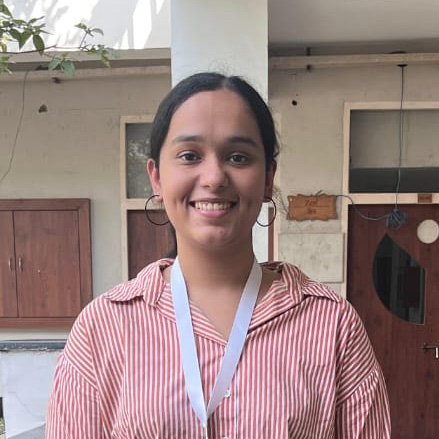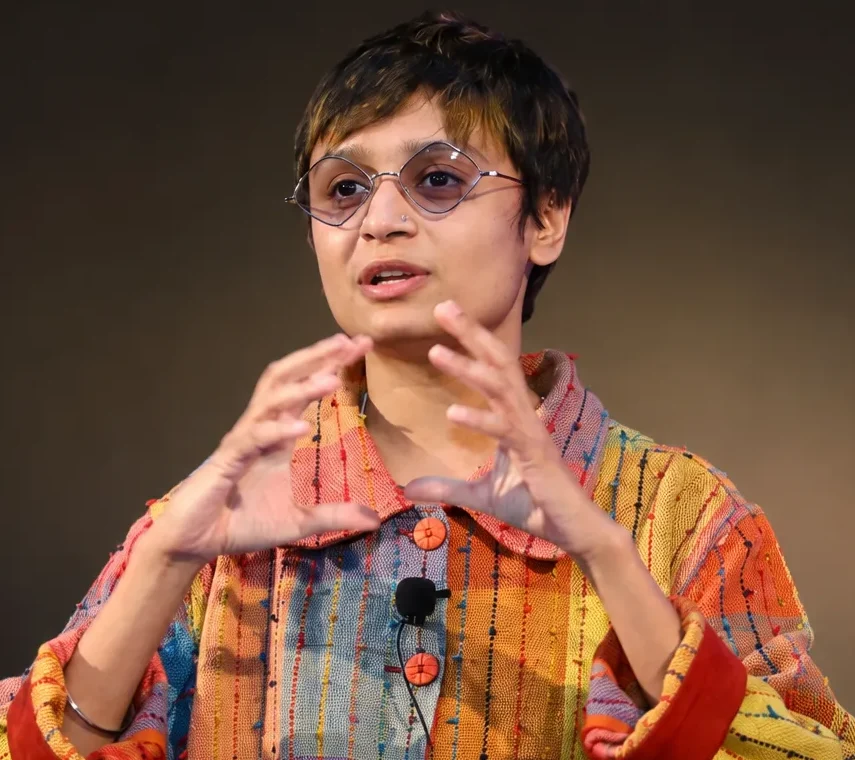


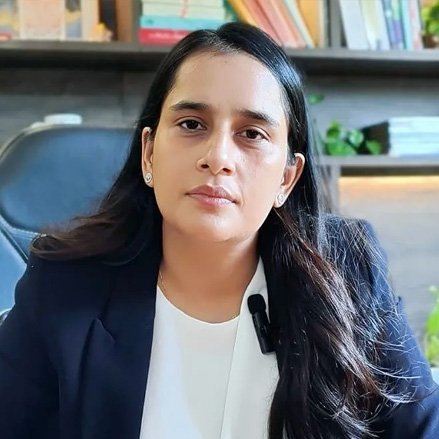
Dr. Sneha Sharma
Consultant Psychiatrist | De-Addiction Specialist
MBBS, MD (Psychiatry)
Dr. Sneha Sharma
Consultant Psychiatrist | De-Addiction Specialist
MBBS, MD (Psychiatry)
Experience: 14+ Years
Just like the Gym is for your body, Therapy is for your Mind
Dr. Sneha Sharma
Psychiatrist, Anvaya Healthcare
Psychiatrists and psychologists trained at leading institutions such as AIIMS, LHMC, and NIMHANS provide evidence-based care, including depression medication for kids when clinically appropriate, from the comfort of your home. Services are available across India with complete confidentiality and personalized support.
Patients Helped
Specialists
Online Access
Satisfaction Rate
Most parents picture depression as constant sadness, tears, withdrawal. In children and teens, it often looks completely different — which is part of why it gets missed so often.
A child with depression might seem irritable rather than sad. A teen might seem fine at school and fall apart at home, or the other way around. Depression in this age group doesn’t always announce itself the way it does in adults, and that gap between what people expect to see and what’s actually happening is exactly why early help matters.
The National Mental Health Survey found depressive episodes in roughly 2.6% of adolescents nationally, a Delhi study using the PHQ-4 found notably higher rates among school-going teens, and a study from Central India put depression prevalence among school students at close to 39%, ranging from mild to severe. Numbers vary a lot depending on how and where the study is done, but the pattern is consistent: depression in Indian adolescents is more common than most families assume.
The age range affected spans both pre-teens and teenagers, though how it shows up shifts as a child gets older. Left unaddressed, it spills into school performance, friendships, and family life — sometimes all three at once, making depression therapy for kids an important step toward early support and recovery.
Irritability, anger, or behavioral changes may replace sadness.
Because symptoms don't match the common expectations of depression.
With Indian studies reporting significant rates among adolescents.
Though symptoms often change with age.
As untreated depression can affect academic performance, friendships, and family relationships.
Persistent sadness is the obvious one, but persistent irritability is just as common — and often gets read as “attitude” rather than a mental health concern. A child who’s snapping at everyone, picking fights, or seems on edge for weeks may be showing depression, not just being difficult.
Losing interest in things they used to enjoy. The cricket-loving kid who stops watching matches. The teen who drops out of a friend group they used to be glued to. This loss of interest — not boredom, but a genuine flatness — is one of the clearer signals.
Sleep and appetite shift in either direction. Some kids sleep far more than usual and still feel exhausted. Others can't fall asleep, or wake repeatedly. Appetite can drop sharply or increase noticeably — both are worth noting.
Low energy and trouble focusing show up at school first, usually. Grades slip, homework doesn't get done, the child seems "checked out" in class in a way that's new
Pulling away from family and friends not the normal teenage need for space, but something that feels different. Fewer conversations, more time alone, friendships that quietly fade.
When should parents act? If more than one of these has been going on for two weeks or more, or if your gut says something's off that's enough reason to get an assessment. You don't need to wait for things to get worse before reaching out.
Genetics and family history play a real role. If depression or anxiety runs in the family, a child has a higher chance of developing it too though that history doesn't make it inevitable.
Bullying, in person and online, is one of the most consistent triggers researchers find in Indian school studies. It's also one parents are least likely to know about, because kids often don't tell anyone.
Trauma and family conflict a difficult divorce, ongoing fighting at home, a loss in the family can sit underneath depression in ways that aren't always obvious from the outside.
Academic stress deserves its own mention, because the pressure Indian students face board exams, entrance tests, constant comparison on marks is genuinely intense in a way that's specific to this context. Fear of disappointing parents, fear of failing, fear of falling behind: these aren't small worries to a 14-year-old.
Screen time and social media get a lot of attention, for good reason. Constant comparison, cyberbullying, and disrupted sleep from late-night phone use are all linked to higher depression risk in Indian adolescent studies.
What to watch for: a sudden drop in grades, a recent loss or major change at home, a child who's become very withdrawn from friends, or any mention even in passing of feeling hopeless or worthless. None of these alone is proof of depression, but together, or repeated, they're worth a conversation.
Psychological counselling gives the child or teen a space to talk through what’s going on often the first time they’ve had that with someone outside the family, and it’s usually one of the first steps when parents are looking for how to treat depressed child.
CBT for depression works on the specific thought patterns that keep low mood going the “nothing ever goes right” or “everyone would be better off without me” kind of thinking and helps build more balanced ways of seeing things.
Family therapy isn’t about “fixing” the family it’s about helping everyone understand what’s happening and how to support the child without walking on eggshells or making things worse unintentionally.
A psychiatric evaluation comes in when medication might help, particularly for moderate-to-severe depression. This is a decision made carefully, alongside therapy, not instead of it.
Every plan is personalised — built around this specific child’s age, the severity of what they’re dealing with, and what’s happening in their life, which may include natural treatment for depression in kids alongside evidence-based therapies whenever appropriate. Follow-up and monitoring continue well past the first few sessions, because depression in young people doesn’t usually resolve in a straight line.
CBT - Cognitive Behavioural Therapy is the backbone for most teens, working on the link between thoughts, feelings, and behaviour.
For younger children, play-based support does similar work without relying on a child's ability to talk about feelings directly something many kids simply can't do yet.
Emotion regulation skills help a child handle big feelings sadness, anger, frustration without those feelings taking over completely.
Self-esteem building addresses something that's often tangled up with depression: a child's sense that they're not good enough, not likeable, not capable.
Problem-solving and coping tools give practical, usable strategies for the situations that come up again and again an upcoming exam, a fight with a friend, a hard day at home and are commonly included in depression therapy for teens.
Behavioural activation getting back into activities, even small ones, even when motivation is at zero is one of the most effective and most underrated tools for depression. Starting small, and building from there, often works better than waiting to "feel ready."
Coordinating with teachers, when the family's comfortable with it, can help — particularly around attendance or temporary adjustments while a child is getting support.
Academic stress management is often part of the work directly, especially when school pressure is part of what's driving things.
Tracking attendance and performance, gently and without it feeling like constant scrutiny, helps everyone see whether things are improving.
Healthy peer involvement — friendships, activities, anything engaging a child with people their own age in a positive way — is genuinely protective.
A study schedule that's realistic matters more than one that looks impressive on paper. Screen time boundaries, agreed together rather than imposed, reduce a major source of both conflict and continued exposure to things that make depression worse.
You can book a consultation by phone or online. At Anvaya Healthcare, our team helps parents understand the best next steps if they are unsure where to begin. For children with depression, the process usually starts with a comprehensive assessment to identify the underlying cause, evaluate communication skills, and create a personalized therapy plan that supports the child’s development.
You can book a consultation by phone or online. The first step is a comprehensive assessment to understand your child's symptoms, emotional well-being, and daily challenges. Based on the evaluation, we create a personalised depression treatment plan tailored to your child's age, needs, and circumstances.
The initial assessment explores your child's emotional well-being, mood, behaviour, daily functioning, and any factors that may be contributing to depression. A comprehensive evaluation helps identify their needs and ensures the right support and treatment from the very beginning.
Assessment identifies the underlying causes of depression and guides treatment. When appropriate, medication may be recommended alongside psychological therapy and ongoing support.
Follow-up sessions monitor progress in mood, emotions, and daily functioning, allowing the treatment plan to be adjusted as the child develops. If needed, medication may be prescribed under India's Telemedicine Practice Guidelines (2020).
Consultant Psychiatrist | De-Addiction Specialist
MBBS, MD (Psychiatry)
Consultant Psychiatrist | De-Addiction Specialist
MBBS, MD (Psychiatry)
Experience: 14+ Years
Psychiatrist
MBBS, MD (Psychiatry)
Experience: 6+ Years
Psychiatrist & Addiction Specialist
MBBS | DPM (Psychiatry) | DNB (Neuropsychiatry)
Psychiatrist & Addiction Specialist
MBBS | DPM (Psychiatry) | DNB (Neuropsychiatry)
Experience: 8+ Years
Psychiatrist
MBBS, DNB (Psychiatry)
Experience: 8+ Years
Consultant Psychiatrist
MBBS, MD (Psychiatry)
Experience: 15+ Years
Clinical Psychologist
M.A & M.Phil (Clinical Psychology)
Experience: 3+ Years
Clinical Psychologist
MA & M.Phil (Clinical Psychology)
Experience: 3+ Years
Clinical Psychologist
M.Phil. | MA | PG Diploma in Counselling & Family Therapy
Clinical Psychologist
M.Phil. | MA | PG Diploma in Counselling & Family Therapy
Experience: 3+ Years
Clinical Psychologist
MA (Clinical Psychology), RCI Registered
Clinical Psychologist
MA (Clinical Psychology), RCI Registered
Experience: 5+ Years
Clinical Psychologist
M.Phil, RCI Registered
Experience: 5+ Years
Counselling Psychologist & Behavioral Therapist
MA - Psychology
Counselling Psychologist & Behavioral Therapist
MA - Psychology
Experience: 13+ Years
Clinical Psychologist
M.Phil (Clinical Psychology)
Experience: 15+ Years
Counselling Psychologist
M.Phil.Ed, M.S.Ed
Experience: 4+ Years
Clinical Psychologist
MA & M.Phil (Clinical Psychology)
Experience: 7+ Years
Clinical Psychologist
PsyD, RCI (Psychology)
Experience: 3+ Years
Child Psychologist
M.A (Psychology)
Experience: 9+ Years
TALK TO US
Loading booking form…
The team specialises in child and adolescent mental health specifically not adult mental health adapted for younger patients, but an approach built around how kids and teens actually think and communicate. Care is personalised and genuinely compassionate every family’s situation is different, and treatment reflects that rather than following a fixed script.
Confidentiality is taken seriously, for both the teen and the family a space where things can be said honestly without worry. Both online sessions and centre visits are available, with centres in Dwarka, Vasant Vihar, and Gurugram. And support doesn’t stop the moment things start improving ongoing follow-up is part of how Anvaya Healthcare works.
Children and teens with depression need accurate assessment and personalised intervention. Our mental health professionals use evidence-based approaches tailored to each child's emotional, behavioural, and developmental needs.
Treatment is built around the individual — their symptoms, emotional needs, family context, and recovery goals. Not a standard approach applied to everyone.
Consult from home. The stigma around depression in children and teens in India can make families hesitate to seek help. Privacy is a clinical necessity, not just a feature.
When therapy and psychiatric care work together, outcomes are often better. At Anvaya, this coordinated approach happens within the same clinical setting, ensuring consistent, integrated care throughout treatment.
A family in Kanpur, Bhopal, or any smaller city gets the same quality of psychiatric expertise as someone in South Delhi. That's the whole point.
Persistent sadness or irritability, losing interest in things they enjoyed, changes in sleep or appetite, and pulling away from friends and family — especially if more than one shows up together.
Yes. With early diagnosis, evidence-based therapy, family support, and, when needed, medication, most teenagers experience significant improvement. Starting treatment early often leads to better long-term outcomes.
It varies a lot depending on severity, but it's rarely a quick fix. Follow-up support typically continues well after the initial phase.
Yes. Many teens respond well to online therapy, especially when sessions are regular and they feel comfortable engaging with their therapist.
Yes, family therapy is a core part of the approach, alongside individual support for the child or teen.
Some children may improve with support and changes in their environment, but persistent depression usually requires professional assessment and treatment. Delaying help can allow symptoms to become more severe.
Second floor, Plot No 28,
Sector-12A Rd, Block A,
Sector 12 Dwarka
Call Now: +91-9810659825
Ground Floor, Plot No. - E-7/5, Block E,
Vasant Vihar, South Delhi
Call Now: +91-9650277301
1 in every 5 individuals
suffers from some form of mental health illness