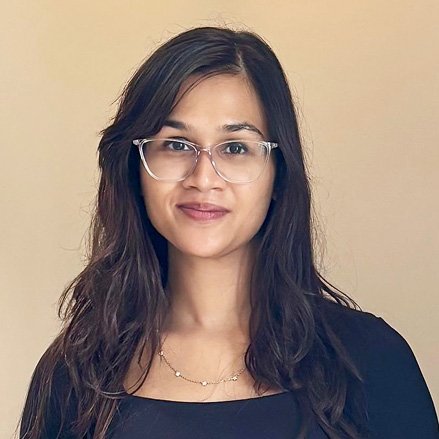
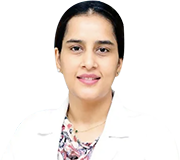

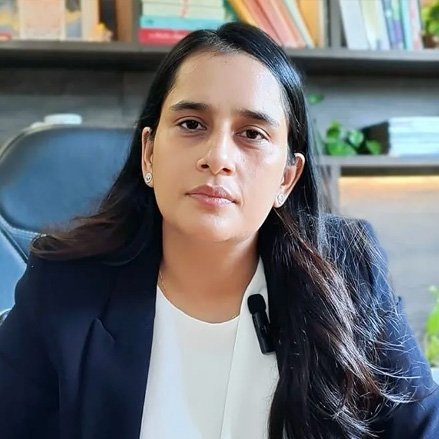
Dr. Sneha Sharma
Consultant Psychiatrist | De-Addiction Specialist
MBBS, MD (Psychiatry)
VIEW PROFILEDr. Sneha Sharma
Consultant Psychiatrist | De-Addiction Specialist
MBBS, MD (Psychiatry)
Experience: 14+ Years
TALK TO US
info@anvayahealthcare.com
+91-9810659825
Just like the Gym is for your body, Therapy is for your Mind
Dr. Sneha Sharma
Psychiatrist, Anvaya Healthcare
Addiction is a medical condition, not a shortage of willpower. At Anvaya Healthcare, drug abuse addiction therapy in Kolkata begins with a confidential assessment of the substance involved, severity of use, withdrawal risk, co-existing mental health concerns, and the support available at home. Treatment is then personalised around therapy, psychiatric care, relapse prevention, family support, and medication when clinically appropriate.
📅 Book Consultation
Addiction is not a shortage of willpower. Assuming someone could stop if they merely tried harder keeps millions from help and keeps families from offering it without blame. Addiction is a medical condition that alters the brain’s systems of reward, motivation, and self-control. It answers to treatment, and recovery is genuinely attainable.
Substance use disorder runs along a range. At one end lies harmful use that has not yet become dependence; at the far end, body and brain have adapted so thoroughly that stopping produces withdrawal. A person’s position on that range dictates what treatment should involve, which is why nothing is decided before a proper assessment.
The national picture is substantial. The Magnitude of Substance Use in India survey, carried out by AIIMS for the Ministry of Social Justice and Empowerment, estimated that over 5.7 crore Indians are affected by substance use disorders. Around 2.26 crore use opioids, and cannabis affects close to 2.8% of the population. Closer to home, the provided source notes a high burden of substance use disorders in West Bengal alongside a treatment gap wider than the national average.
In Kolkata, much of that gap can be built from silence. Families may try to contain drug use because of stigma, concern about reputation, or fear of being recognised as a family seeking deaddiction care. Scolding, promises, or waiting for the person to change can delay treatment while the condition deepens.
Acting early can reduce the accumulation of harm to work, health, and relationships. Waiting for a crisis generally makes treatment more difficult. A professional assessment helps determine the level of care required and whether structured outpatient treatment is appropriate or a higher level of medical supervision is needed.
The AIIMS National Survey on Extent and Pattern of Substance Use in India estimated that more than 5.7 crore Indians are affected by substance use disorders, highlighting the substantial need for accessible and structured treatment.
The national survey estimated that approximately 2.26 crore people in India use opioids, including substances such as heroin, opium, and pharmaceutical opioids.
The AIIMS national survey estimated that approximately 2.8% of the Indian population uses cannabis, making it one of the most commonly used psychoactive substances in the country.
Conduct comprehensive assessments, evaluate addiction severity and withdrawal risk, manage co-existing mental health concerns, and oversee medication when clinically appropriate.
Provide evidence-based therapy, motivational enhancement, relapse-prevention work, family counselling, and practical strategies for changing patterns that maintain substance use.
Where several of these patterns are present, particularly repeated unsuccessful attempts to stop or cut back, a professional assessment can clarify the severity of the problem and the appropriate level of care.
Urges can become powerful enough to crowd out other priorities, with a settled sense that normal functioning is becoming difficult without the substance.
Taking more than intended, using more often than planned, or repeatedly trying and failing to cut back despite wanting to stop.
Nausea, sweating, tremors, restlessness, irritability, or broken sleep when use stops, varying with the substance involved.
Arguments about substance use, increasing distance from concerned family members, and household routines becoming organised around the next occasion of use.
Deadlines slipping, output falling, missed days, and a loss of dependability noticed by colleagues, teachers, or family.
Changes in weight and sleep, deteriorating health, anxiety, low mood, irritability, or other difficulties linked with sustained substance use.
Several factors can contribute to substance use and dependence. No single factor determines the outcome.
Prolonged pressure and unhealed trauma sit among the most frequent starting points, the using beginning as a means of managing feelings that cannot otherwise be borne. The respite is genuine, which is exactly what makes giving it up so difficult.
In adolescence and early adulthood especially, the surrounding circle shapes whether use begins at all. Kolkata draws young people from across the state into colleges, hostels, and shared lodgings, often away from home for the first time, and a group in which use is normalised carries real weight at that age.
Depression, anxiety, and other conditions co-occur constantly. Many begin using to quiet an untreated illness, leaving two problems layered on one another instead of one.
The source describes a significant hereditary component to addiction. Family history can increase vulnerability without determining the outcome.
Ease of access can influence substance use. The source also notes dependence involving pharmaceutical opioids and sedatives obtained without proper prescription.
Growing up around substance use or serious instability can raise risk through learned patterns and early exposure.
Reach the team directly. Confidentiality begins from the first contact, which can make it easier to discuss substance use openly.
The opening assessment explores which substances are involved, how use began, what has been tried, and the wider physical and mental health picture.
The clinician assesses where the use sits along the spectrum from harmful use to dependence, considers withdrawal risk and co-existing concerns, and determines the appropriate level of care.
Treatment may combine therapy, psychiatric care, medication-assisted treatment where appropriate, family counselling, relapse prevention, and regular follow-up, with adjustment as recovery develops.
The medical foundation of treatment, particularly when dependence is established, withdrawal carries risk, or another condition needs psychiatric oversight.
Works on the thoughts, settings, and triggers that push a person towards substance use and develops practical strategies for high-risk moments.
Almost nobody arrives entirely certain they want to stop. Rather than arguing that ambivalence away, this approach works with it directly and builds motivation from within, which holds up far better than pressure from outside.
Pinpointing the circumstances, moods, and cues that put this person at risk, then agreeing a concrete plan for each. Relapse features in most recoveries, and preparing for it marks good treatment, not pessimism.
For opioid and several other dependencies, drugs that quieten craving and steady withdrawal form a legitimate, well-evidenced part of care, prescribed under India's Telemedicine Practice Guidelines and monitored throughout.
Helps relatives understand addiction, support recovery without policing it, and begin repairing relationships affected by years of substance use.
Builds routines, meaningful activities, and healthier social ties that support a substance-free life and help sustain recovery beyond the active treatment phase.
Consultant Psychiatrist | De-Addiction Specialist
MBBS, MD (Psychiatry)
VIEW PROFILEConsultant Psychiatrist | De-Addiction Specialist
MBBS, MD (Psychiatry)
Experience: 14+ Years
TALK TO US
Clinical Psychologist
PsyD, RCI (Psychology)
Experience: 3+ Years
TALK TO US
Clinical Psychologist
M.A & M.Phil (Clinical Psychology)
Experience: 3+ Years
TALK TO US
Consultation Psychiatrist
MBBS, MD (Psychiatry)
Experience: 6+ Years
TALK TO US
Consultant Psychiatrist
MBBS, MD (Psychiatry)
Experience: 15+ Years
TALK TO US
Psychiatrist
MBBS, DNB (Psychiatry)
Experience: 8+ Years
TALK TO US
Clinical Psychologist
MA & M.Phil (Clinical Psychology)
Experience: 3+ Years
TALK TO US
Clinical Psychologist
MA & M.Phil (Clinical Psychology)
Experience: 7+ Years
TALK TO US
Clinical Psychologist
MA (Clinical Psychology), RCI Registered
Experience: 5+ Years
TALK TO US
Clinical Psychologist
M.Phil. | MA | PG Diploma in Counselling & Family Therapy
VIEW PROFILEClinical Psychologist
M.Phil. | MA | PG Diploma in Counselling & Family Therapy
Experience: 3+ Years
TALK TO US
Psychiatrist & De-Addiction Specialist
MBBS | DPM (Psychiatry) | DNB (Neuropsychiatry)
VIEW PROFILEPsychiatrist & De-Addiction Specialist
MBBS | DPM (Psychiatry) | DNB (Neuropsychiatry)
Experience: 8+ Years
TALK TO US
Clinical Psychologist
M.Phil (Clinical Psychology)
Experience: 15+ Years
TALK TO US
A confidential professional setting can reduce the fear of recognition and make it easier for a person or family to seek treatment.
For a condition carrying significant shame or stigma, beginning treatment from a familiar environment can lower a practical barrier to seeking help.
Kolkata residents can consult psychiatrists and addiction-trained therapists without being limited to whichever centre happens to be nearby.
Appointments can be fitted around work, college, and home responsibilities, supporting more consistent attendance.
For people who travel or relocate, continuing treatment where clinically appropriate can help maintain the consistency that supports recovery.
Reducing repeated travel can make it easier to attend a course of treatment running over weeks or months.
Psychiatrists, psychologists, and addiction-trained therapists sit on one team here, and with dependence that combination can be important. Low mood, anxiety, and old trauma can appear alongside substance use, and a plan that addresses the drug while ignoring these difficulties may be harder to sustain. A multidisciplinary approach allows the wider clinical picture to be addressed together.
The approach is evidence-led and shaped to the individual. Which substance is involved, how deeply use has become established, what else is happening clinically, withdrawal risk, and what support is available at home all influence the plan. Nobody receives a standard programme off a shelf.
Families can also face misleading expectations around rehabilitation admission. Residential treatment can be necessary in some situations, especially where severe dependence or medically significant withdrawal requires supervised detoxification. But the provided source notes that structured outpatient care can suit a sizeable share of people with harmful use or moderate dependence without serious medical complications, potentially allowing someone to continue work or education while receiving treatment.
Care is also designed to be honest about its limits. Where a higher level of medical support is required, the team should identify that at assessment rather than stretching outpatient care beyond what is clinically appropriate.
Consultations start from ₹1,500 per session, with pricing varying by the specialist’s experience and seniority. Centres in Delhi NCR are available for in-person care and for cases where a higher level of support is clinically needed.
A multidisciplinary team can consider substance use alongside depression, anxiety, trauma, and other concerns that may affect recovery.
Treatment is shaped around the substance involved, severity of use, withdrawal risk, co-existing concerns, home support, and the individual's goals.
Care can include CBT, motivational enhancement, relapse prevention, family counselling, medication-assisted treatment where appropriate, and lifestyle support.
Assessment helps determine whether structured outpatient treatment is appropriate or whether supervised detoxification or a higher level of care is needed.
Confidential assessment and ongoing care provide a professional setting for discussing substance use without blame or judgement.
Yes. The provided source describes addiction as a medical condition that responds to treatment and states that recovery is genuinely attainable. The appropriate plan depends on the substance, severity, withdrawal risk, co-existing concerns, and support available.
Often, yes. The source notes that structured outpatient care can suit a sizeable share of people with harmful use or moderate dependence without serious medical complications. Severe dependence or medically risky withdrawal may require supervised detoxification or a higher level of care.
There is no fixed length. The active phase commonly occupies several months, while relapse-prevention work can continue longer. Duration depends on the substance, how entrenched use has become, and how the person responds to treatment.
Yes. Family counselling can help relatives understand addiction, support recovery without policing it, and begin repairing relationships affected by substance use.
The first assessment explores which substances are involved, how use began, what has been tried, severity and withdrawal risk, and the wider physical and mental health picture. This helps determine the appropriate level of treatment.
Yes. Kolkata residents can contact Anvaya Healthcare to arrange a confidential assessment and discuss the most appropriate specialist and treatment plan.
Chats continue on WhatsApp. Please avoid sharing clinical details here.