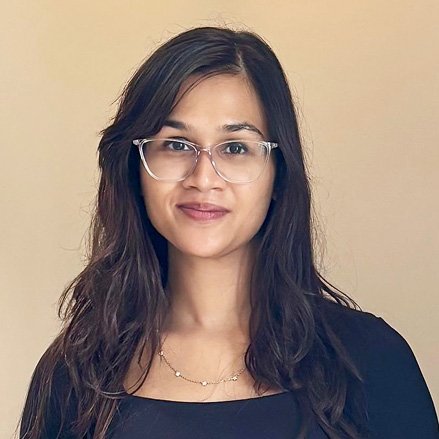
Dr. Sneha Sharma
Consultant Psychiatrist | De-Addiction Specialist
MBBS, MD (Psychiatry)
VIEW PROFILEDr. Sneha Sharma
Consultant Psychiatrist | De-Addiction Specialist
MBBS, MD (Psychiatry)
Experience: 14+ Years
TALK TO US
info@anvayahealthcare.com
+91-9810659825
Just like the Gym is for your body, Therapy is for your Mind
Dr. Sneha Sharma
Psychiatrist, Anvaya Healthcare
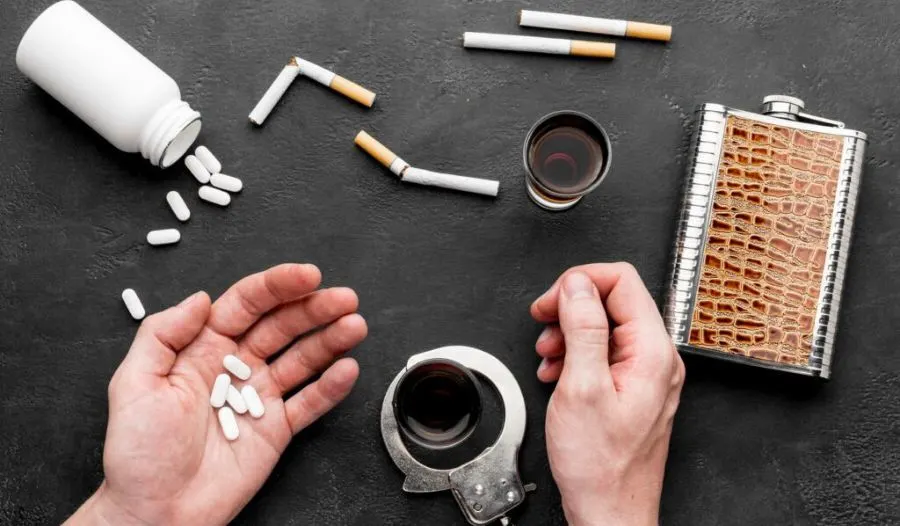
Break free from drug dependence with compassionate, scientifically informed treatment at Anvaya Healthcare. Our personalised drug abuse deaddiction therapy and counselling in Mumbai helps you understand the underlying causes of substance use, manage cravings, and develop healthier coping strategies. Whether youโre taking your first steps toward recovery or struggling with relapse, our experienced mental health professionals provide confidential, non-judgmental support tailored to your individual needs. With the right guidance and a structured recovery plan, lasting recovery is possible.
📅 Book Consultation
Addiction is not a failure of willpower. This is the single most important thing to understand about it, because the belief that a person could simply stop if they tried hard enough keeps millions of people from getting help โ and keeps their families from offering it without judgment. Addiction is a medical condition that changes how the brain’s reward, motivation, and self-control systems function. It responds to treatment, and recovery is genuinely possible.
Drug addiction or substance use disorder exists on a spectrum. It ranges from harmful use that hasn’t yet become dependence, to full dependence where the body and brain have adapted to the substance and stopping produces withdrawal. Where a person sits on that spectrum determines what treatment looks like, which is why proper assessment matters before anything else.
The scale in India is substantial. The Magnitude of Substance Use in India survey, conducted by AIIMS for the Ministry of Social Justice and Empowerment, estimated that over 5.7 crore Indians are affected by substance use disorders. Around 2.26 crore people use opioids, and cannabis use affects close to 2.8% of the population. Maharashtra is specifically among the states with the highest numbers of people needing help for inhalant use, which makes this a particularly relevant concern for families in Mumbai and across the state. Despite these numbers, the treatment gap is enormous โ the majority of people with substance use disorders never receive structured treatment, often because of stigma, lack of access, or the belief that the only option is residential rehabilitation.
Early intervention changes everything. The earlier a substance use problem is addressed, the better the outcome and the less disruption to the person’s life, work, and relationships. Waiting until the problem becomes severe makes recovery harder, not easier โ the condition tends to deepen the longer it goes unaddressed, and the physical, professional, and relational consequences accumulate.
The AIIMS National Survey on Extent and Pattern of Substance Use in India estimated that about 2.8% of the population uses cannabis.
Around 2.1% of India's population was estimated to use opioids, including heroin, opium and pharmaceutical opioids.
The survey estimated approximately 28 lakh people had opioid dependence and required treatment.
Lead clinical assessments, evaluate withdrawal and dependence risks, and prescribe medication-assisted treatment when clinically appropriate, with care tailored to patients in Mumbai.
Provide evidence-based therapies such as CBT, motivational enhancement therapy, and relapse prevention support to help individuals understand triggers, manage cravings, and build healthier coping strategies.
Using more than intended, using more often than planned, or repeatedly failing to cut down despite genuinely wanting to.
Strong urges to use that dominate thinking, and a sense that normal functioning isn't possible without the substance
Physical or psychological symptoms when not using: nausea, sweating, tremors, anxiety, irritability, or sleep disturbance, depending on the substance
Missing deadlines, dropping performance, absenteeism, or a noticeable loss of interest and reliability that colleagues or teachers have started to notice
Conflict with family or partners over substance use, withdrawing from people who raise concerns, or increasingly organising life around use
Weight changes, sleep disruption, deteriorating physical health, and the anxiety, depression, or irritability that frequently accompany sustained substance use
Addiction has a significant hereditary component. A family history of substance use disorders meaningfully increases an individual's vulnerability, though it doesn't make addiction inevitable โ genetics load the dice rather than determining the outcome.
Particularly in adolescence and early adulthood, the social environment plays a major role in initial substance use, and the influence of a peer group where use is normalised is significant. What begins as social use in a particular circle can progress to dependence over time.
Chronic stress and unresolved trauma are among the most common drivers of substance use, which often begins as an attempt to manage difficult feelings or experiences. The substance provides temporary relief, which is precisely what makes it so difficult to give up.
Depression, anxiety, and other mental health conditions frequently co-occur with substance use. Many people begin using substances to self-manage an underlying condition, which then compounds into a second problem layered on top of the first.
Beyond genetics, growing up in an environment where substance use was present, or where there was significant instability, raises the risk through both learned patterns and early exposure.
Easy availability, social acceptance of use, and the pressures of a high-stress urban environment all contribute. This is particularly relevant in a city where work pressure and social access to substances can both be high.
Contact our team to schedule your first consultation. Everything is confidential from the beginning. A psychiatrist conducts a detailed, non-judgmental assessment covering substance use, previous attempts to stop, physical health, mental health, and other relevant concerns.
We assess the severity and pattern of substance use, identify potential withdrawal risks, and evaluate any co-occurring mental health conditions. This helps determine the most appropriate level of care and whether outpatient treatment is suitable.
Your treatment plan is designed around your substance use, clinical needs, circumstances, and support system. Depending on your needs, treatment may include addiction therapy, CBT, motivational enhancement therapy, relapse prevention, and medication management where clinically appropriate.
Recovery is an ongoing process. Regular follow-ups help track progress, manage cravings and challenges, adjust treatment when needed, and identify early signs of relapse. Continued support helps build healthier coping strategies and maintain long-term recovery.
The clinical foundation, particularly where there's dependence, withdrawal risk, or a co-occurring mental health condition requiring medical oversight.
Helps the person identify the thoughts, situations, and triggers that drive use, and build practical strategies for managing them without the substance. One of the most evidence-supported approaches in addiction treatment, and well-suited to online delivery.
Addiction recovery often involves genuine ambivalence about stopping. This approach works with that ambivalence directly, strengthening the person's own motivation to change rather than imposing it from outside, which tends to produce more durable results than confrontation.
Identifying the specific situations, emotions, and triggers that put this individual at risk, and building a concrete plan for managing them. Relapse is a common part of recovery and planning for it is part of good treatment.
Addiction affects the whole family, and family involvement significantly improves outcomes. Sessions help families understand the condition, support recovery, and address the strain that addiction places on relationships.
For opioid and certain other dependencies, medication that reduces cravings and manages withdrawal is a legitimate, evidence-based part of treatment, prescribed within India's Telemedicine Practice Guidelines.
Rebuilding the routines, activities, and social connections that support a substance-free life, which is essential to sustained recovery and often the difference between short-term abstinence and lasting change.
Consultant Psychiatrist | De-Addiction Specialist
MBBS, MD (Psychiatry)
VIEW PROFILEConsultant Psychiatrist | De-Addiction Specialist
MBBS, MD (Psychiatry)
Experience: 14+ Years
TALK TO US
Clinical Psychologist
PsyD, RCI (Psychology)
Experience: 3+ Years
TALK TO US
Clinical Psychologist
M.A & M.Phil (Clinical Psychology)
Experience: 3+ Years
TALK TO US
Consultation Psychiatrist
MBBS, MD (Psychiatry)
Experience: 6+ Years
TALK TO US
Consultant Psychiatrist
MBBS, MD (Psychiatry)
Experience: 15+ Years
TALK TO US
Psychiatrist
MBBS, DNB (Psychiatry)
Experience: 8+ Years
TALK TO US
Clinical Psychologist
MA & M.Phil (Clinical Psychology)
Experience: 3+ Years
TALK TO US
Clinical Psychologist
MA & M.Phil (Clinical Psychology)
Experience: 7+ Years
TALK TO US
Clinical Psychologist
MA (Clinical Psychology), RCI Registered
Experience: 5+ Years
TALK TO US
Clinical Psychologist
M.Phil. | MA | PG Diploma in Counselling & Family Therapy (LHMC)
VIEW PROFILEClinical Psychologist
M.Phil. | MA | PG Diploma in Counselling & Family Therapy (LHMC)
Experience: 3+ Years
TALK TO US
Psychiatrist & De-Addiction Specialist
MBBS | DPM (Psychiatry) | DNB (Neuropsychiatry)
VIEW PROFILEPsychiatrist & De-Addiction Specialist
MBBS | DPM (Psychiatry) | DNB (Neuropsychiatry)
Experience: 8+ Years
TALK TO US
Clinical Psychologist
M.Phil (Clinical Psychology)
Experience: 15+ Years
TALK TO US
For a concern surrounded by stigma, being able to seek help privately, without being seen entering a deaddiction clinic anywhere in Mumbai, removes one of the biggest barriers to getting started. For many people, the fear of being recognised is precisely what has stopped them seeking help until now
Complete confidentiality from the first contact, which matters enormously for people worried about their work, family, or reputation finding out. In a city where professional and social circles often overlap, this privacy is genuinely valuable
Sessions fitted around work and other commitments, available at times that suit Mumbai's demanding schedules, without requiring visible absences that invite questions
Mumbai residents can consult psychiatrists and addiction-trained therapists at India's leading institutions without those specialists being physically based in the city, and without being limited to whichever clinic is nearby
Recovery involves regular sessions over an extended period, and removing the commute across Mumbai makes consistent attendance far more sustainable over the months that treatment takes
For Mumbai residents who travel for work or relocate, treatment continues without interruption, which matters for a condition where consistency is what protects against relapse
Our team brings together psychiatrists, psychologists, and addiction-trained therapists โ which matters, because addiction rarely exists alone. It frequently accompanies depression, anxiety, or trauma, and treating the addiction without addressing what sits beneath it produces fragile, short-lived recovery. Having the full range of expertise in one place means the whole picture is addressed rather than one part of it in isolation.
Treatment at Anvaya Healthcare is evidence-based and personalised. The substance involved, the severity of use, any co-occurring conditions, and the person’s circumstances all shape the plan โ there’s no single programme applied to everyone who reaches out.
For Mumbai residents comparing options, it’s worth understanding that many people assume the only route to deaddiction is residential rehabilitation, which is disruptive, expensive, and not always necessary. For many people, particularly those with harmful use or moderate dependence without severe medical complications, structured outpatient treatment delivered online is both effective and far less disruptive to work and family life. It allows a person in Mumbai to continue their job and stay connected to their support system while recovering, rather than stepping away from everything. Government deaddiction services exist but often carry long waiting times and limited privacy โ the very things that stop people from using them in the first place.
Online consultations start from โน1,500 per session, with pricing varying by the specialist’s experience and seniority. Centres in Dwarka, Vasant Vihar, and Gurugram are available for in-person care and for cases where a higher level of support is clinically needed, with ongoing relapse prevention support built into treatment throughout the recovery process.
For drug abuse deaddiction treatment, safe recovery and effective addiction management require the expertise and clinical judgement of experienced addiction specialists and mental health professionals.
Drug abuse deaddiction treatment is personalised to your substance use patterns, addiction severity, medical history, withdrawal risks, and recovery goalsโensuring a treatment plan tailored to your unique needs.
Receive professional support from the comfort of your home. Drug abuse deaddiction treatment offers privacy, convenience, and expert guidance to help you begin and sustain your recovery journey.
When psychotherapy and psychiatric care work together, recovery is often faster and more effective. At Anvaya Healthcare, our integrated team provides coordinated, evidence-based care tailored to your needs.
Same quality of psychiatric care wherever you are, with continuity over years.
Yes, for many presentations. Outpatient treatment delivered online โ combining psychiatric care, therapy, and relapse prevention โ is effective for harmful use and moderate dependence, particularly where there isn’t a severe medical withdrawal risk. For severe dependence requiring medically supervised detoxification, our team will advise on the appropriate level of care rather than attempting something online that needs closer supervision.
Yes โ for a significant proportion of people, structured outpatient treatment works well and avoids the disruption of residential admission. This is often what makes seeking help feasible for working people in Mumbai who cannot simply step away from their jobs and families for weeks. Whether inpatient care is needed depends on the severity, the substance, withdrawal risk, and the person’s home environment, and it’s assessed openly at the outset.
Recovery is a process rather than a fixed course. Active treatment often spans several months, followed by longer-term relapse prevention support. The timeline depends on the substance, the severity, and the individual’s progress. Sustained recovery is supported by ongoing follow-up rather than a single block of sessions.
Yes โ and family involvement significantly improves outcomes. Family counselling helps loved ones understand the condition, support recovery constructively, and repair the relationships that addiction often strains. Family members can join online sessions from anywhere, which is helpful when family is spread across Mumbai or beyond.
Yes โ online consultations are available for people anywhere in India, including all of Mumbai. Contact us to book a confidential initial assessment, and the team will match you with the right specialist for your situation.
Chats continue on WhatsApp. Please avoid sharing clinical details here.