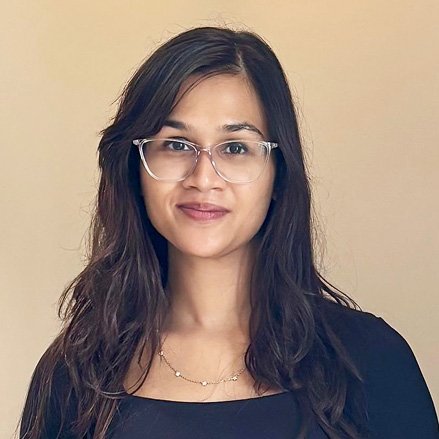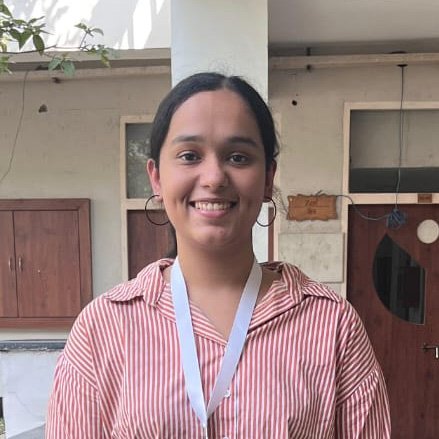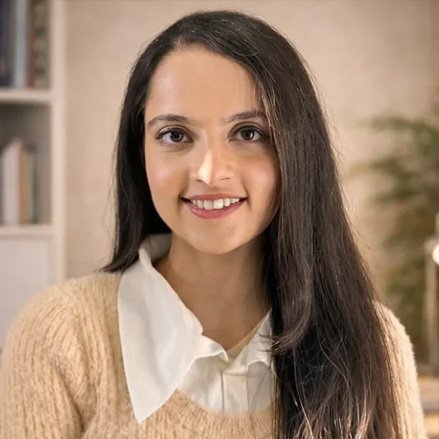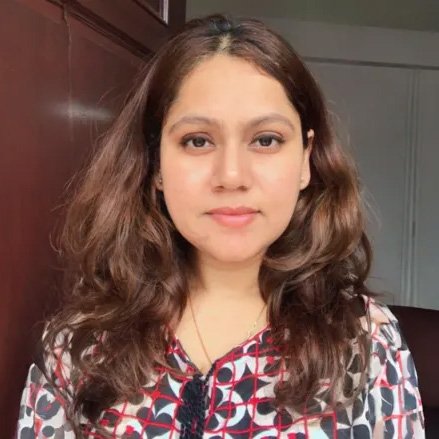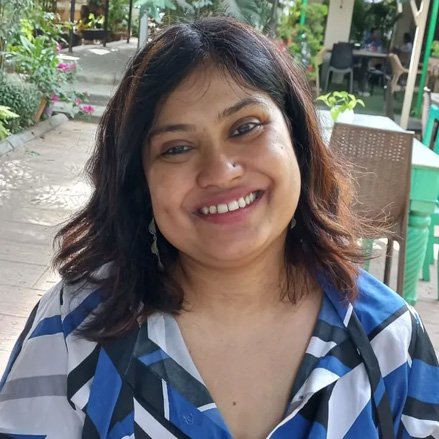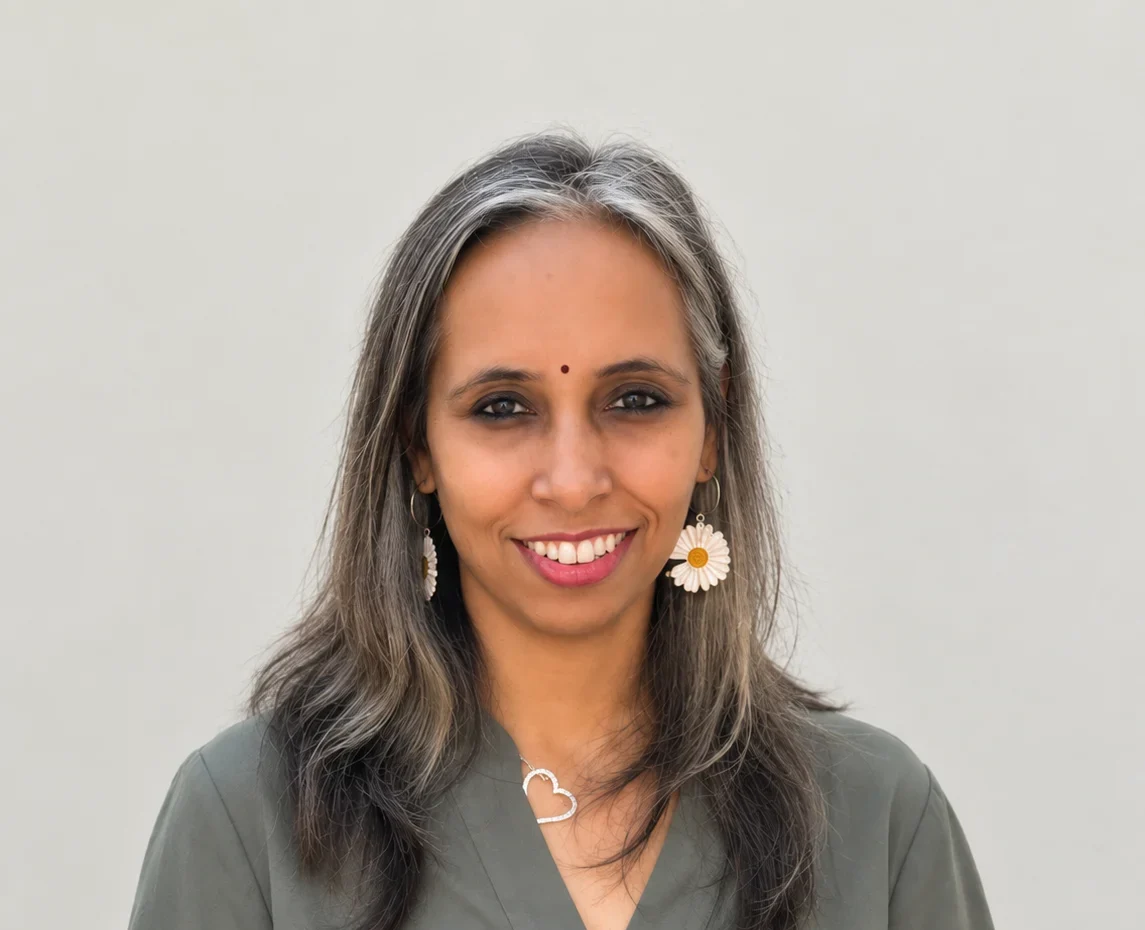

Dr. Sneha Sharma
Consultant Psychiatrist | De-Addiction Specialist
MBBS, MD (Psychiatry)
VIEW PROFILEDr. Sneha Sharma
Consultant Psychiatrist | De-Addiction Specialist
MBBS, MD (Psychiatry)
Experience: 14+ Years
TALK TO US
info@anvayahealthcare.com
+91-9810659825
Just like the Gym is for your body, Therapy is for your Mind
Dr. Sneha Sharma
Psychiatrist, Anvaya Healthcare
Find compassionate, evidence-based PTSD treatment in Kolkata at Anvaya Healthcare. Our personalised trauma therapy and counselling help you process traumatic experiences, manage distressing symptoms, and develop healthier coping strategies. Whether you're experiencing flashbacks, anxiety, or emotional distress, our experienced mental health professionals provide confidential, non-judgmental support tailored to your needs. With the right guidance and a structured treatment plan, healing and improved quality of life are possible.
📅 Book Consultation
When something terrible happens โ a crash, an assault, a disaster, a death without warning โ it is ordinary to feel shaken, to sleep badly, to find the scene running again behind your eyes. For most, those reactions loosen across a few weeks as the mind works through what occurred. For some they do not. They dig in, sharpen, and begin dictating the shape of a day. That is Post-Traumatic Stress Disorder, both real and treatable, with recovery genuinely within reach given the right support.
PTSD can develop after living through or witnessing something deeply distressing or life-threatening. What marks it out is a mind and body still braced for danger long after it has gone: the event returning in flashbacks and nightmares, retreat from anything recalling it, a constant edge, and an emotional flatness over everything. It is not weakness, nor a failure to โmove on,โ nor something anyone can decide to stop. It is a recognised medical response to an experience the brain never managed to file away as past.
Trauma and PTSD are not the same, and the distinction is worth grasping. Trauma is the event; the great majority who endure one pass through a stretch of distress and then recover, which needs no treatment. PTSD appears when that recovery stalls and symptoms carry on past a month, interfering with ordinary life. Not everyone exposed develops it, and developing it says nothing about strength โ a natural process was interrupted and needs help to finish. Seeing that clearly is what lets people understand that asking for help is not an overreaction but the right response to a recovery that has stopped.
The Indian evidence is substantial, particularly after certain kinds of trauma. Studies of road-accident survivors here found PTSD symptoms in a large proportion โ one trauma-centre study put them at roughly 46%, another found PTSD in about 32%. Abuse-related trauma produces higher rates still, and the disasters this country meets routinely leave survivors carrying symptoms for years. Even so, most Indians with PTSD go untreated, usually because nobody around them recognises the symptoms as an illness at all.
Kolkata carries its own reservoir of this. Amphan tore across the city in 2020, taking roofs, trees, and power with it, and for households who spent those long nights listening to the wind outside, the memory did not simply recede once the debris had been cleared away. Older families carry something further back: those who came over from the other side of Bengal, and the children and grandchildren raised on a silence about what was left behind. Bengali households are practised at endurance โ it is past, why speak of it, everything will settle โ and that instinct, meant kindly, is frequently what keeps a treatable condition untreated for years.
Consulting remotely makes evidence-based trauma care reachable and private across Kolkata, without repeated clinic visits. For someone with PTSD, for whom leaving the house and crossing a crowded city can itself feel like too much, beginning somewhere safe and familiar removes a genuine barrier.
A 2024 study in Gujarat, India, reported PTSD symptoms in 46.3% of 380 road accident survivors.
A study conducted in Uttarakhand found PTSD in 32.4% of 250 motor vehicle accident survivors.
A meta-analysis of 15 studies involving 6,804 road accident survivors reported a pooled PTSD prevalence of 22.25%. This is an international estimate, not India-specific.
Conduct comprehensive PTSD assessments, manage trauma-related symptoms, and prescribe medication when clinically appropriate, in accordance with India's Telemedicine Practice Guidelines.
Provide trauma-focused CBT, coping strategies, and personalised counselling to help manage distressing memories, anxiety, and trauma-related triggers.
Steering wide of whichever people, places, pursuits, or subjects call it back, sometimes reshaping a whole life around that evasion
Distressing dreams of the event night after night, and difficulty falling asleep or staying asleep
Living the event through as though it were happening now, or struck by vivid, unwanted recollections arriving without warning
Detached, flattened, sealed off from others and from one's own feelings, unable to register good things as before
Permanently on guard, startling easily, tense or quick to anger, as though the threat never left
The accumulated weight making work, relationships, and the ordinary business of a day hard to manage
The moment symptoms outlast a month, run fiercely, or begin obstructing ordinary life, evaluation is justified
Floods, cyclones, earthquakes, and other disasters can leave survivors experiencing lasting trauma, anxiety, and distressing memories.
Childhood or adult abuse can lead to deep psychological distress and increase the risk of developing PTSD.
Serious road accidents can trigger PTSD symptoms, including flashbacks, fear, nightmares, and avoidance of driving or travelling.
The sudden, violent, or unexpected death of a loved one may cause trauma-related symptoms alongside the grieving process.
Life-threatening illnesses, intensive care, distressing medical procedures, workplace accidents, and exposure to violence can contribute to PTSD
Previous trauma, anxiety, depression, limited emotional support, and the severity of the traumatic experience may influence the likelihood of developing PTSD.
Begin with a confidential consultation to understand your symptoms, emotional well-being, and how PTSD affects your daily life.
Explore your experiences and trauma-related symptoms at your own pace, creating a safe and supportive environment without pressure to share uncomfortable details.
Develop an individualised treatment plan based on your symptoms, needs, and recovery goals, incorporating trauma-focused therapy and medication when clinically appropriate.
Receive continued professional support through regular therapy, psychiatric monitoring, and treatment adjustments to help manage symptoms and support long-term recovery.
A variant of CBT built expressly for trauma and among the strongest treatments on record, guiding someone to work the memory through safely while dismantling the convictions the event planted.
Eye Movement Desensitisation and Reprocessing, a well-established therapy helping the brain reprocess traumatic memories until they lose their charge, used where it suits and delivered only by trained practitioners.
Tackles the thinking trauma leaves behind it, from guilt and self-reproach through to an unshakeable sense that nowhere is safe.
Measured, carefully paced work bringing a person towards what they have been avoiding, draining its power in a way avoidance never manages.
Wider support for working through what the trauma did emotionally and rebuilding safety, trust, and command over daily life.
Medical evaluation and supervision, called for especially when depression, acute anxiety, or other conditions needing a psychiatrist accompany the trauma.
Where suitable, medication takes the edge off persistent anxiety, low mood, or disturbed sleep, making a person better able to engage with the therapy doing the deeper work.
Assembling the knowledge and tactics to keep hold of gains and meet any resurgence of symptoms, so what was won endures.
Consultant Psychiatrist | De-Addiction Specialist
MBBS, MD (Psychiatry)
VIEW PROFILEConsultant Psychiatrist | De-Addiction Specialist
MBBS, MD (Psychiatry)
Experience: 14+ Years
TALK TO US
Clinical Psychologist
PsyD, RCI (Psychology)
Experience: 3+ Years
TALK TO US
Clinical Psychologist
M.A & M.Phil (Clinical Psychology)
Experience: 3+ Years
TALK TO US
Consultation Psychiatrist
MBBS, MD (Psychiatry)
Experience: 6+ Years
TALK TO US
Consultant Psychiatrist
MBBS, MD (Psychiatry)
Experience: 15+ Years
TALK TO US
Psychiatrist
MBBS, DNB (Psychiatry)
Experience: 8+ Years
TALK TO US
Clinical Psychologist
MA & M.Phil (Clinical Psychology)
Experience: 3+ Years
TALK TO US
Clinical Psychologist
MA & M.Phil (Clinical Psychology)
Experience: 7+ Years
TALK TO US
Clinical Psychologist
MA (Clinical Psychology), RCI Registered
Experience: 5+ Years
TALK TO US
Clinical Psychologist
M.Phil. | MA | PG Diploma in Counselling & Family Therapy (LHMC)
VIEW PROFILEClinical Psychologist
M.Phil. | MA | PG Diploma in Counselling & Family Therapy (LHMC)
Experience: 3+ Years
TALK TO US
Psychiatrist & De-Addiction Specialist
MBBS | DPM (Psychiatry) | DNB (Neuropsychiatry)
VIEW PROFILEPsychiatrist & De-Addiction Specialist
MBBS | DPM (Psychiatry) | DNB (Neuropsychiatry)
Experience: 8+ Years
TALK TO US
Clinical Psychologist
M.Phil (Clinical Psychology)
Experience: 15+ Years
TALK TO US
Counselling Psychologist
B.Sc, MA - Psychology
Experience: 4+ Years
TALK TO US
Absolute confidentiality from first contact, which weighs heavily where the trauma carries shame or has never been spoken of, particularly given how tightly social circles interlock here
Trauma therapy asks a person back into painful territory, and doing that within their own walls rather than an unfamiliar consulting room makes difficult work feel more bearable
Residents reach clinicians trained in trauma care at India's foremost institutions without their practising anywhere nearby
Appointments arranged around work and obligations, at hours suiting Kolkata's demanding routines, evenings and weekends included
Removing the journey across Kolkata keeps attendance steady through what is often a long course
For those who travel or move, treatment continues rather than restarting with somebody new, which matters once trust has been built
Trauma work demands genuine expertise and sensitivity; handled badly it can retraumatise rather than heal, which is why where a person seeks help is far from incidental. Our psychiatrists, psychologists, and therapists trained in evidence-based trauma treatment at India’s leading institutions, including AIIMS, NIMHANS, IHBAS, Lady Hardinge Medical College, and VIMHANS, and hold RCI or MCI/NMC registration.
Psychiatrists and psychologists working in concert counts for much in PTSD, which so often arrives with depression, anxiety, disrupted sleep, or substance use behind it. Treating the trauma while attending to whatever came with it means the whole person receives care, not a single symptom.
Every plan at Anvaya Healthcare is built for the individual. Trauma left by a road collision, by abuse, and by sudden bereavement each demand a different route, and treatment follows the person rather than a protocol applied uniformly to everyone.
Care proceeds patiently, without pressure. Recovery from trauma will not be hurried, and the Anvaya Healthcare team moves at a tempo that feels secure, building trust before going near the harder material. Nobody is pushed to confront more than they are ready for.
For residents weighing the alternatives, public mental health provision does important work yet labours under long queues and short appointments โ limits leaving little room for the meticulous effort trauma recovery calls for. Where the city’s everyday pressures already compound the burden of living with PTSD, dependable access to one specialist across months shapes how far a person actually travels.
Consultations start from โน1,500 per session, with pricing varying by the specialist’s experience and seniority.
For PTSD Treatment, where medication management over years requires careful clinical judgement, training depth matters in ways that are hard to overstate.
Treatment is built around the individual โ history, symptoms, family context, and goals for recovery. Not a standard protocol applied to everyone.
PTSD can be difficult to discuss, but seeking help is a step towards healing. Access confidential, professional trauma care from the comfort of your home in Kolkata, where your privacy and emotional safety come first.
When both work in coordination, outcomes are substantially better. At Anvaya, that coordination actually happens โ both are within the same clinical setting.
A family in Kanpur, Bhopal, or any smaller city gets the same quality of psychiatric expertise as someone in South Delhi. That's the whole point.
It can. The principal evidence-backed approaches โ trauma-focused CBT, EMDR, exposure work, and psychiatric care โ all carry across to remote appointments without losing force. Plenty of people find that entering this material from somewhere they already feel secure makes it more bearable than any clinic manages.
It is. The literature backs delivering trauma therapies remotely, with results comparable to seeing someone in a room. The regularity and ease of working this way sustain the engagement recovery demands, which matters particularly for those in Kolkata slotting treatment between exacting jobs and family duties.
That turns on what occurred and on whom it occurred to. Some register real improvement inside a few months of concentrated trauma work; where the history is complicated or decades old, it runs longer. Progress is reviewed at intervals and the tempo set by what a person can bear, never by a timetable.
For a great many, yes โ trauma-focused therapy carries the treatment and no prescription is needed. Should acute anxiety, depression, or broken sleep accompany the PTSD, medication may support the therapy, though that is weighed and settled together.
Certainly โ treatment is open to anyone across India, this city included. Write or call to arrange an opening evaluation and our team will pair you with the specialist your circumstances call for.
Chats continue on WhatsApp. Please avoid sharing clinical details here.