

Just like the Gym is for your body, Therapy is for your Mind
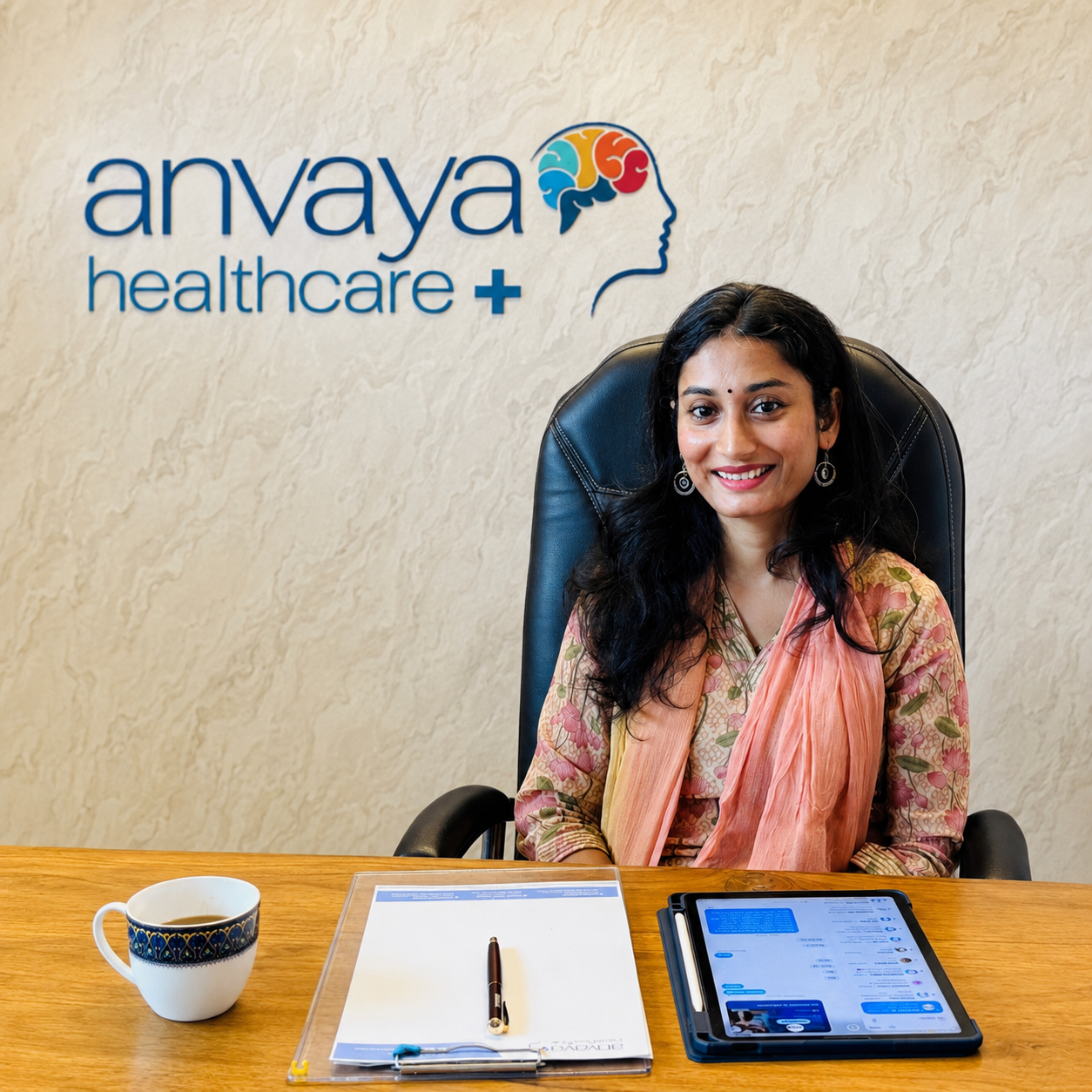
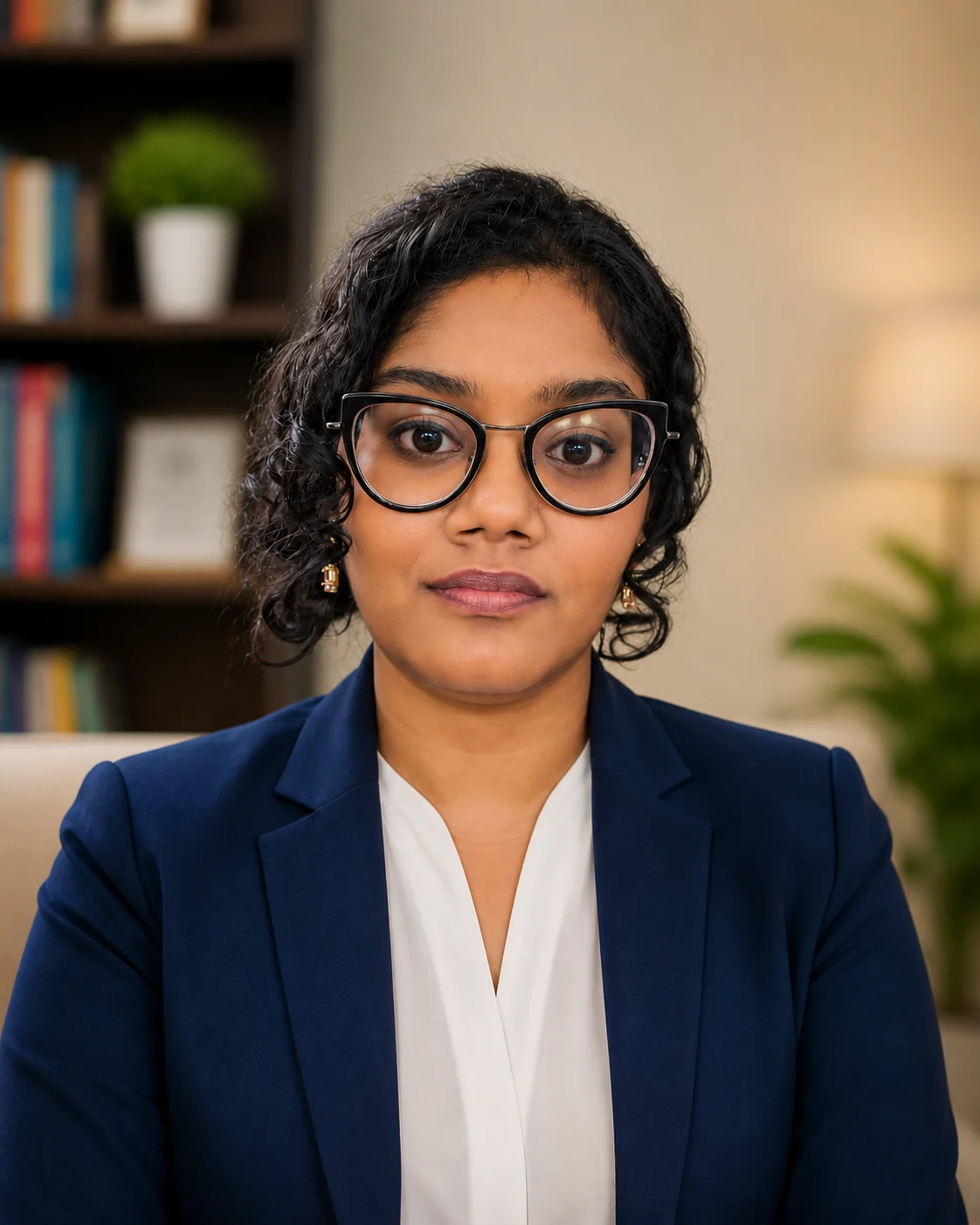
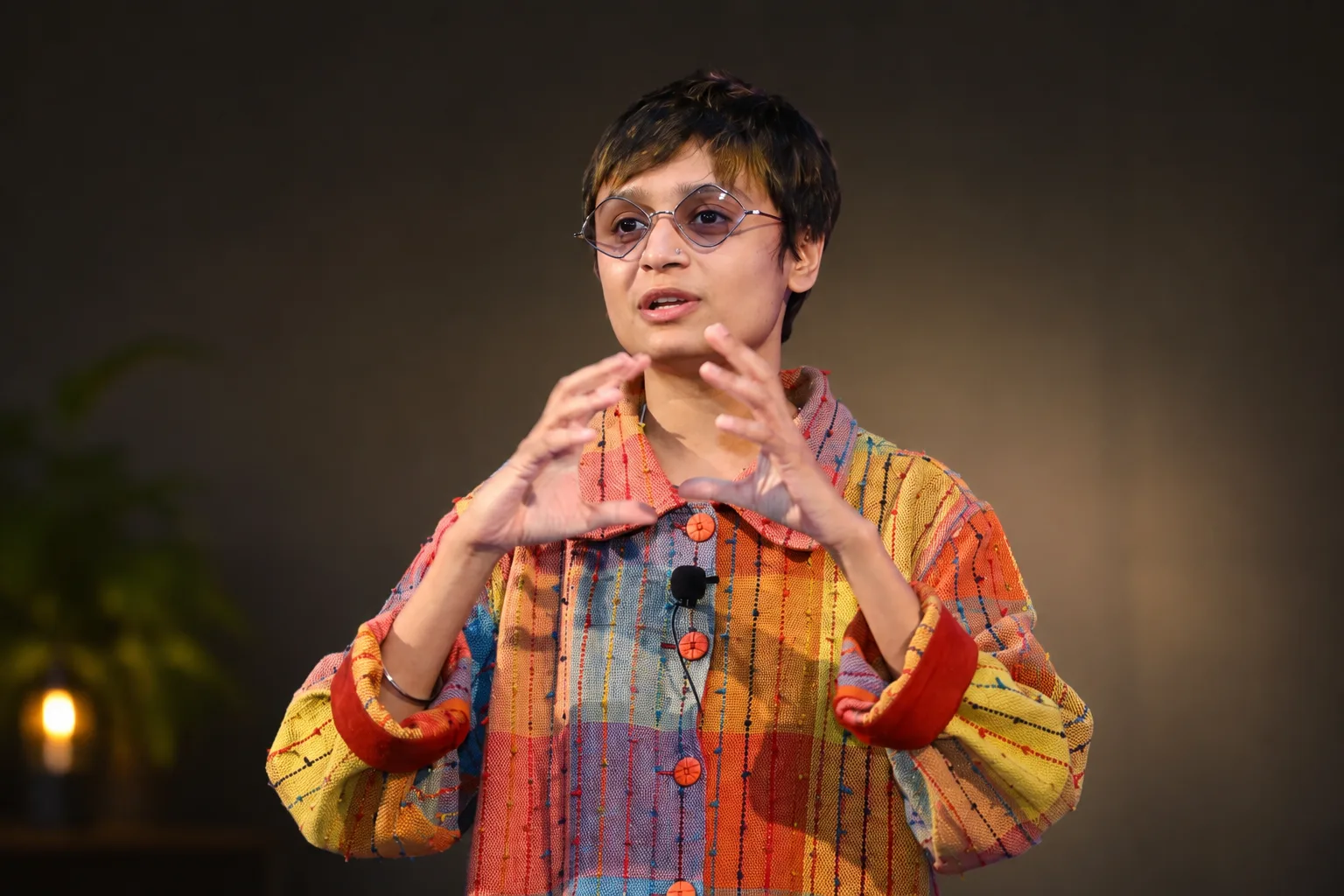
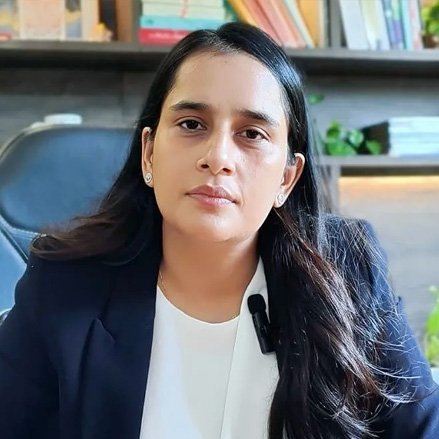
Dr. Sneha Sharma
Psychiatrist, Anvaya Healthcare
Get online counselling and therapy sessions in India with AIIMS, LHMC & NIMHANS-trained psychiatrists & psychologists. Expert care at home—private, pan India, and insurance-supported.
Patients Helped
Specialists
Online Access
Satisfaction Rate
Most people who need therapy don’t get it. Not because they don’t want it – because they don’t know where to start, can’t find someone in their city, can’t afford the time, or can’t walk through a clinic door without the whole thing feeling too exposed.
Over 25 million adults in India were using online counselling platforms as of 2023. The government’s Tele-MANAS helpline handled over 20 lakh calls since its launch, demonstrating demand that the existing physical infrastructure simply cannot absorb. India has just 4,309 clinical psychologists for a population of 1.4 billion — the shortfall is among the world’s largest.
Online counselling and therapy sessions in India don’t fix that systemic gap overnight. But it makes qualified professional support accessible to people who wouldn’t otherwise get it. Platforms like Anvaya Healthcare — with psychiatrists, psychologists, and counsellors available for both online and in-clinic sessions — are part of what a functional response to that gap looks like.
Indians used online counselling platforms as of 2023 — showing rising demand for mental health suppo
Calls Handled by Tele-MANAS helpline since launch — highlighting urgent nationwide need
Clinical psychologists available for 1.4 billion people — one of the largest mental health workforce gaps in india.
Platforms like Anvaya Healthcare are helping bridge the gap through online and hybrid therapy access
Psychiatrist
A psychiatrist (MBBS + MD in Psychiatry) diagnoses mental health conditions and prescribes medication. For someone dealing with clinical depression, severe anxiety, or a condition that therapy alone hasn’t addressed — this is where you start.
Clinical Psychologist
A clinical psychologist (M.Phil. + RCI registration) provides structured therapy. CBT, psychodynamic approaches, trauma-focused therapy — these require advanced clinical training to deliver properly. Most therapy in online settings is provided by qualified psychologists.
When psychiatry and psychology are available together under one roof, the coordination that improves outcomes for complex presentations actually happens — rather than getting lost between separate referrals.
Stress, anxiety, and depression are the most common reasons people book their first session. India’s National Mental Health Survey found that 1 in 7 Indians needs some form of mental health intervention — but most never receive it. Online therapy provides a route in for many of them. Relationship and family issues — communication breakdown, recurring conflict, separation, parenting strain — are another significant category, one that often carries more day-to-day burden than people realise until they finally sit with a therapist. Workplace burnout and pressure: the kind that’s been building for a year and has quietly started affecting sleep, relationships, and the ability to think clearly. Trauma and emotional concerns — grief, past abuse, difficult experiences that didn’t get processed at the time. Behavioural challenges: anger, avoidance, patterns that repeat across different relationships and contexts. And increasingly, people who aren’t in crisis at all but want to understand themselves better — self-awareness, not just symptom relief. None of this requires a psychiatric diagnosis to access. Most of it responds well to structured therapy.
Persistent worry, low mood, or emotional overwhelm affecting sleep, focus, and daily life. Often the most common reason people seek therapy for relief and stability.
Ongoing conflict, communication gaps, separation stress, or parenting challenges that create emotional strain and impact day-to-day well-being.
Chronic work stress leading to exhaustion, poor concentration, irritability, and disrupted sleep, often building gradually over time.
Patterns like anger, avoidance, impulsivity, or repeated conflicts that disrupt relationships and daily life. These habits often feel automatic but can be understood and changed with structured therapy.
You book a session. At Anvaya Healthcare, that means choosing a therapist or psychiatrist based on the concern you’re bringing, with verified credentials visible before you commit. The first session covers initial assessment and goal setting. What’s happening, how long it’s been going on, what you’ve tried, and what you actually want to change. The therapist needs that picture before any structured diagnosis and treatment plan is put into motion. Sessions happen via video, audio, or chat — the format is chosen based on what works for the person, not what’s easiest to deliver. Therapy plans are structured, not open-ended: there are goals, and the work is oriented toward them. Follow-up sessions track progress. When something isn’t shifting, the approach gets adjusted rather than continued regardless.
Cognitive Behavioural Therapy
is the most researched approach available. It targets the thought patterns that drive anxiety, depression, and many behavioural concerns. Structured, goal-oriented, and time-limited — most CBT courses run 8 to 20 sessions.
Psychotherapy
It includes psychodynamic and humanistic therapy which go deeper into the relational and developmental patterns and try to uncover the present issues. It is suited for certain conditions and is an effective form of treatment.
Couples and family therapy
address the relational system rather than the individual. Communication breakdown, recurring conflict, managing a family member’s mental illness — these need a therapist who can work with multiple people and the dynamics between them.
Behavioural therapy
focuses directly on patterns of behaviour — avoidance, compulsions, self-defeating habits — rather than the cognitive layer. The approach used is matched to the presenting concern and the individual, not to what’s easiest to administer.
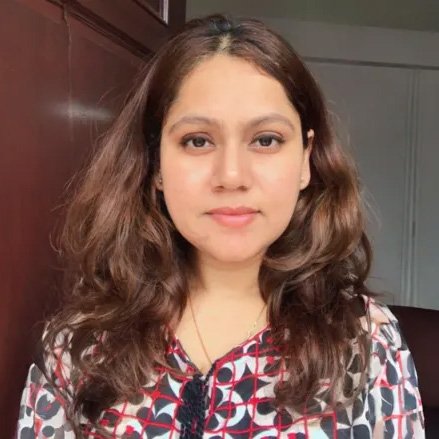
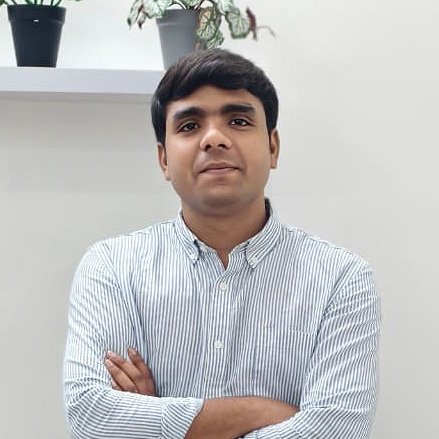
Consultant Psychiatrist | Co-Founder
Psychiatrist
Psychiatrist & Addiction Specialist
Psychiatrist
Consultant Psychiatrist
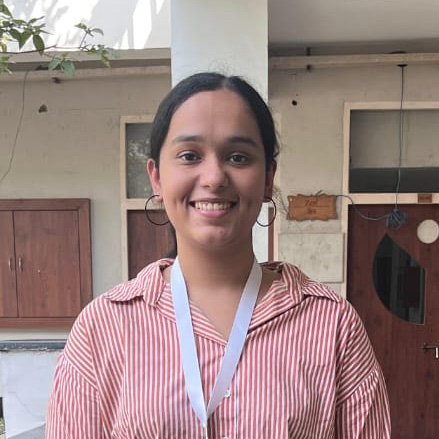
Clinical Psychologist
Counselling Psychologist & Behavioral Therapist
Clinical Psychologist
Counselling Psychologist
Clinical Psychologist
Loading booking form…
The treatment gap in India for mental disorders runs between 70 and 92% — National Mental Health Survey data. A significant driver of that gap isn’t just availability of professionals, it’s the barriers to reaching the ones that exist. Privacy is one of the biggest. In India, being seen entering a mental health clinic carries weight that shouldn’t exist but does. Online therapy removes that entirely. The session happens at home, on your terms. Convenience and flexibility matter especially for working adults and parents — evening appointments, weekend sessions, no travel time factored in. Affordable compared to private in-clinic therapy in major cities, where session fees plus commute costs add up. Accessible across India means someone in a Tier 2 or Tier 3 city gets the same quality of care as someone in Delhi or Bengaluru. Reduced stigma in seeking help is a genuine outcome of online formats. The first step is easier when it doesn’t require walking through a door. And continuous support via Anvaya Healthcare means monitoring between sessions is built into the process — not left to the patient to chase.
Affordable, transparent pricing. The Mental Healthcare Act 2017 mandates insurance parity for mental health — check your policy’s OPD clause.
₹1,500 – ₹2,500 per session
₹1,500 – ₹8,000 per session
The clinical team at Anvaya Healthcare trained at institutions including AIIMS, NIMHANS, IHBAS, Lady Hardinge Medical College, and VIMHANS. For therapy specifically, the therapist’s training and experience shape everything — the approach, the quality of the assessment, the accuracy of what gets targeted in sessions.
Treatment is holistic and personalised. Someone dealing with grief doesn’t get the same plan as someone managing OCD. The approach is built around the individual. Sessions are secure and confidential. Easy to book. Pan India accessible, which means patients anywhere in the country reach the same clinical standard as those near the Delhi NCR clinics. Positive patient outcomes aren’t abstract — they follow from getting the assessment right, using the appropriate therapeutic approach, and maintaining the continuity that allows change to actually happen.
For Online Counselling and Therapy , where medication management over years requires careful clinical judgement, training depth matters in ways that are hard to overstate.
Treatment is built around the individual — history, symptoms, family context, and goals for recovery. Not a standard protocol applied to everyone.
Consult from home. The stigma around online counselling and therapy in India is among the harshest. Privacy is a clinical necessity, not just a feature.
When both work in coordination, outcomes are substantially better. At Anvaya, that coordination actually happens — both are within the same clinical setting.
A family in Kanpur, Bhopal, or any smaller city gets the same quality of psychiatric expertise as someone in South Delhi. That's the whole point.
Before the first session, identify what you actually want to address. Not “I want to feel better” — something more specific. A recurring pattern, a situation that’s affecting you, something you want to understand. The more specific you are, the faster therapy moves. Prepare a rough personal and medical history: relevant background, previous therapy, any diagnoses or medications. If you’ve had therapy before — what helped, what didn’t, why it stopped. That history saves a lot of early session time.
Note what you most want to ask the therapist — first sessions cover a lot of ground and important questions can get lost if you don’t write them down first.
Private, comfortable space. Stable internet. Earphones for audio clarity and privacy. A few minutes early so technical issues don’t eat into session time.
And be honest. Therapy works on what’s actually true, not a tidied-up version of it. People often present a slightly managed version of themselves — slightly less bad than it actually is — and it slows everything down. The more accurately you describe what’s happening, the more precisely the therapist can target what needs to change.
Yes. Research consistently shows comparable outcomes to in-person therapy for most conditions — anxiety, depression, relationship difficulties, stress, and many behavioural concerns. Format matters less than the quality of the therapist and your engagement.
Match the therapist's specialisation to your concern. Check qualifications — RCI registration for clinical psychologists, medical council registration for psychiatrists. Look for platforms that publish verified credentials for every therapist.
Depends entirely on what you're working on. Short-term CBT for a specific issue runs 8 to 12 sessions. Longer-term work for trauma, OCD, or relational patterns takes more. Your therapist should give you a realistic estimate within the first two sessions.
Yes. Your sessions are private, secure, and conducted under strict ethical and data protection standards to ensure complete confidentiality.
Anxiety, depression, stress, burnout, relationship difficulties, trauma, grief, OCD, behavioural concerns, anger, low self-esteem, and more. Most outpatient mental health concerns respond well to structured online therapy.
Generally, more affordable than in-person equivalents. Sessions start from ₹1200. Package plans reduce costs further. Some employer wellness programmes cover therapy — worth checking before assuming full self-funding.
Second floor, Plot No 28,
Sector-12A Rd, Block A,
Sector 12 Dwarka
Call Now: +91-9810659825
Ground Floor, Plot No. - E-7/5, Block E,
Vasant Vihar, South Delhi
Call Now: +91-9650277301
1 in every 5 individuals
suffers from some form of mental health illness