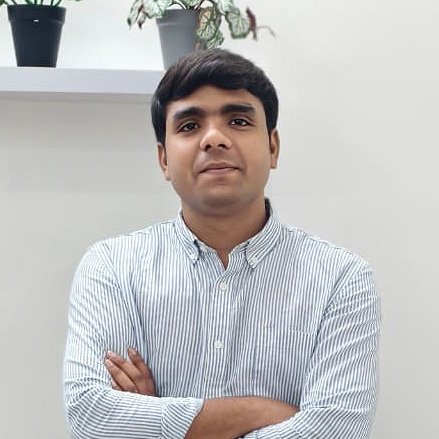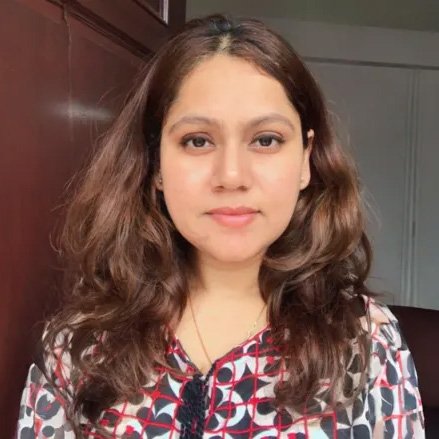


Dr. Sneha Sharma
Consultant Psychiatrist | De-Addiction Specialist
MBBS, MD (Psychiatry)
VIEW PROFILEDr. Sneha Sharma
Consultant Psychiatrist | De-Addiction Specialist
MBBS, MD (Psychiatry)
Experience: 14+ Years
TALK TO US
info@anvayahealthcare.com
+91-9810659825
Just like the Gym is for your body, Therapy is for your Mind
Dr. Sneha Sharma
Psychiatrist, Anvaya Healthcare
Receive expert OCD treatment from experienced psychiatrists, clinical psychologists, and mental health professionals trained at AIIMS, NIMHANS, and IHBAS. We provide comprehensive OCD assessments, accurate diagnosis, personalised treatment plans, medication management, Cognitive Behavioural Therapy (CBT) with Exposure and Response Prevention (ERP), counselling, and ongoing follow-up care. Our evidence-based, confidential approach helps reduce obsessive thoughts, manage compulsive behaviours, improve daily functioning, and support long-term recovery across Mumbai.
📅 Book Consultation
OCD is one of the most misunderstood conditions in mental health. In everyday conversation, people describe themselves as “a bit OCD” about tidiness or organisation but real Obsessive-Compulsive Disorder is nothing like a preference for neatness, and that casual usage does real harm by trivialising a serious condition. It’s a genuinely distressing illness in which a person is trapped in cycles of unwanted thoughts and the behaviours they feel compelled to perform to relieve them. It can take over hours of a person’s day, and it responds very well to the right treatment.
OCD has two core parts, and understanding the difference between them is key. Obsessions are intrusive, unwanted thoughts, images, or urges that repeatedly enter the mind and cause intense anxiety or distress – a fear of contamination, a fear of harming someone, a need for things to feel “just right,” or disturbing thoughts that go against a person’s deepest values. Compulsions are the repetitive behaviors or mental acts a person feels driven to perform to relieve the anxiety the obsessions create — washing, checking, counting, repeating, or seeking reassurance. The relief is only temporary, which is why the cycle repeats and, over time, strengthens rather than resolving.
The average delay before someone in India gets an OCD diagnosis is estimated at 11 to 17 years — the longest of any mental health condition — often because the symptoms are mistaken for personality quirks, or for spiritual or moral failings rather than a treatable illness. India also sees distinctively high rates of contamination and religious OCD subtypes, shaped by cultural practices around purity and ritual. For many people in Mumbai, this means years of silent struggle before help is found.
OCD affects an estimated 1 to 2% of India’s population — somewhere between 14 and 28 million people — yet most never receive proper treatment. Online treatment brings specialist, evidence-based OCD care within reach for people across Mumbai without the barrier of repeated clinic visits. For a condition that often centres on fear and avoidance, and that many people feel ashamed to talk about, being able to seek help privately from home removes a real obstacle that keeps people from ever reaching out.
OCD affects an estimated 1–2% of India's population, yet many people never receive evidence-based treatment.
People with OCD in India often wait 11–17 years before receiving a proper diagnosis and treatment.
Obsessions and compulsions can consume hours every day, disrupting work, studies, relationships, and overall quality of life.
A psychiatrist (MBBS + MD in Psychiatry) evaluates the severity of OCD, confirms the diagnosis, and prescribes medication when clinically appropriate. For people in Mumbai experiencing moderate to severe OCD—where intrusive thoughts and compulsive behaviours interfere with daily life—SSRIs can help reduce symptom severity, making evidence-based therapies such as Cognitive Behavioural Therapy (CBT) with Exposure and Response Prevention (ERP) more effective. Medication for OCD should always be prescribed and monitored by a qualified psychiatrist.
An RCI-registered psychologist (M.Phil.) provides Exposure and Response Prevention (ERP), the gold-standard therapy for OCD. ERP is carefully tailored to each individual, balancing treatment intensity to reduce anxiety without overwhelming the person. This specialist, evidence-based approach helps people across Mumbai break the cycle of obsessive thoughts and compulsive behaviours, supporting lasting recovery.
Recurring thoughts, images, or urges that feel distressing, wrong, or frightening, and that the person doesn't want and can't easily dismiss, often causing intense guilt or fear
Actions performed over and over to reduce the anxiety the obsessions cause, even when the person knows they're excessive or don't really make sense
Repeatedly checking locks, switches, or appliances, or washing and cleaning far beyond what's needed, driven by fear rather than genuine necessity
Repeatedly seeking reassurance from others that something bad hasn't happened or won't happen, which brings only brief relief before the doubt returns
Rituals that take up significant time each day, sometimes hours, and interfere with work, study, and relationships
The combined weight of obsessions and compulsions making ordinary daily functioning difficult and exhausting
When obsessions and compulsions are taking up significant time, causing real distress, or interfering with daily life, professional assessment is warranted
OCD tends to run in families, and having a close relative with OCD increases the likelihood of developing it.
OCD involves differences in the brain circuits and neurotransmitter systems that govern anxiety, habit, and control. It's a genuine neurobiological condition, not a character flaw.
Beyond OCD specifically, a family history of anxiety or related conditions raises the risk, reflecting both genetic and environmental influences.
Major stress, significant life changes, or periods of high pressure can trigger the onset or worsening of OCD in those who are vulnerable.
Difficult or traumatic early experiences are associated with a higher likelihood of developing OCD later.
OCD very frequently occurs alongside anxiety and depression, each influencing the other, and effective treatment at Anvaya Healthcare addresses them together rather than treating the OCD in isolation.
Schedule a confidential consultation with our team at a time that suits you to discuss your OCD symptoms and concerns.
Our psychiatrists and clinical psychologists evaluate your obsessions, compulsions, symptom history, daily functioning, and any co-existing conditions such as anxiety or depression to make an accurate diagnosis.
Based on your assessment, we create a tailored treatment plan that may include Exposure and Response Prevention (ERP), Cognitive Behavioural Therapy (CBT), medication management when appropriate, and psychological support.
Regular therapy sessions and follow-up consultations help monitor your progress, refine your treatment plan, and support long-term recovery. Our multidisciplinary team provides confidential online care across Mumbai, with in-person support available when needed.
Helps a person understand the thoughts and beliefs that fuel their OCD and change the way they respond to intrusive thoughts.
The single most effective psychological treatment for OCD. ERP gradually and safely exposes a person to what triggers their obsessions while helping them resist the compulsion, which breaks the cycle over time. It sounds daunting, but it's done carefully and collaboratively, at a pace the person controls, and it translates well to online delivery.
Medical assessment and oversight, particularly important where OCD is severe or comes with other conditions needing psychiatric input.
Certain medications are effective for OCD, particularly for moderate to severe presentations, and work especially well when combined with ERP. A psychiatrist manages this carefully where it's part of the plan, monitoring response over time.
Approaches that help a person relate differently to intrusive thoughts, noticing them without reacting or trying to push them away, used alongside the core treatment.
Helping the person and their family genuinely understand OCD, which reduces shame and is often a relief in itself, particularly given how long many people have struggled without an explanation for what they're experiencing.
Building the understanding and skills to maintain progress and manage any return of symptoms, so gains hold over the long term.
Consultant Psychiatrist | De-Addiction Specialist
MBBS, MD (Psychiatry)
VIEW PROFILEConsultant Psychiatrist | De-Addiction Specialist
MBBS, MD (Psychiatry)
Experience: 14+ Years
TALK TO US
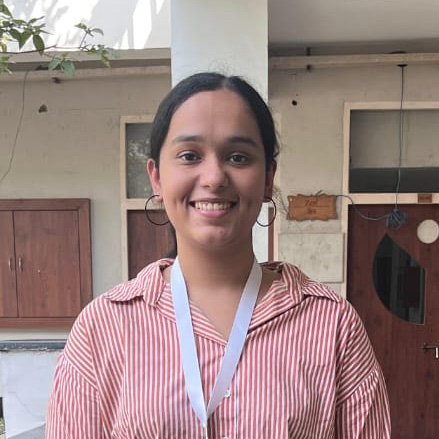
Clinical Psychologist
PsyD, RCI (Psychology)
Experience: 3+ Years
TALK TO US
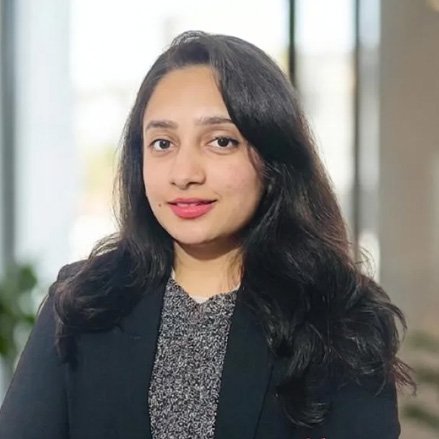
Clinical Psychologist
M.A & M.Phil (Clinical Psychology)
Experience: 3+ Years
TALK TO US
Psychiatrist
MBBS, MD (Psychiatry)
Experience: 6+ Years
TALK TO US
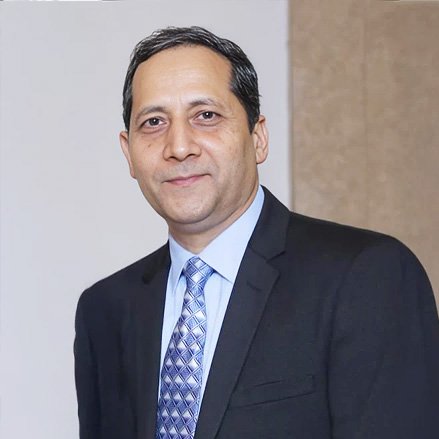
Consultant Psychiatrist
MBBS, MD (Psychiatry)
Experience: 15+ Years
TALK TO US
Psychiatrist
MBBS, DNB (Psychiatry)
Experience: 8+ Years
TALK TO US
Clinical Psychologist
MA & M.Phil (Clinical Psychology)
Experience: 3+ Years
TALK TO US
Clinical Psychologist
MA & M.Phil (Clinical Psychology)
Experience: 7+ Years
TALK TO US
Clinical Psychologist
MA (Clinical Psychology), RCI Registered
Experience: 5+ Years
TALK TO US
Clinical Psychologist
M.Phil. | MA | PG Diploma in Counselling & Family Therapy
VIEW PROFILEClinical Psychologist
M.Phil. | MA | PG Diploma in Counselling & Family Therapy
Experience: 3+ Years
TALK TO US
Psychiatrist & De-Addiction Specialist
MBBS | DPM (Psychiatry) | DNB (Neuropsychiatry)
VIEW PROFILEPsychiatrist & De-Addiction Specialist
MBBS | DPM (Psychiatry) | DNB (Neuropsychiatry)
Experience: 8+ Years
TALK TO US
Clinical Psychologist
M.Phil (Clinical Psychology)
Experience: 15+ Years
TALK TO US
Clinical Psychologist
M.Phil in Clinical Psychology (IHBAS, Delhi University)
VIEW PROFILEClinical Psychologist
M.Phil in Clinical Psychology (IHBAS, Delhi University)
Experience: 2+ Years
TALK TO US
Counselling Psychologist
M.A. Clinical Psychology | PG Diploma in Guidance & Counselling (PGDGC)
VIEW PROFILECounselling Psychologist
M.A. Clinical Psychology | PG Diploma in Guidance & Counselling (PGDGC)
Experience: 3+ Years
TALK TO US
Clinical Psychologist
M.Phil. Clinical Psychology (IHBAS)
Experience: 3+ Years
TALK TO US
Much of OCD treatment, especially ERP, involves working with the real situations and environments that trigger obsessions, and doing this from home means the therapist can help a person face their actual triggers where they occur, which can make treatment more effective
No clinic waiting room, which matters for people distressed or embarrassed by obsessions they've often hidden for years, particularly in Mumbai's closely connected social circles
Sessions fitted around work and study, at times that suit Mumbai's demanding schedules, including evenings and weekends
Mumbai residents can consult specialists experienced in treating OCD at India's leading institutions without those specialists being physically based in the city
Removing the commute across Mumbai makes consistent attendance sustainable through a structured course of treatment that unfolds over weeks and months
For Mumbai residents who travel or relocate, treatment continues without interruption, which matters for the sustained work OCD recovery involves
Learn about OCD therapy price and explore affordable, transparent consultation fees for expert psychological care.
OCD needs specialist treatment, and the most effective approach — ERP — requires genuine expertise to deliver well. Done poorly, OCD treatment can inadvertently reinforce the very cycle it’s meant to break. Our psychiatrists, psychologists, and therapists are trained in evidence-based OCD treatment at India’s leading institutions, including AIIMS, NIMHANS, IHBAS, Lady Hardinge Medical College, and VIMHANS, and hold RCI or MCI/NMC registration.
Having psychiatrists and psychologists working together matters in OCD. Moderate to severe OCD often responds best to a combination of ERP and medication, and it frequently comes with depression or anxiety that also needs addressing. A multidisciplinary team means all of this is handled together rather than in fragments.
Every plan at Anvaya Healthcare is personalised. OCD takes many forms — contamination fears, checking, intrusive thoughts, symmetry needs, and religious or moral obsessions — and treatment is shaped around the individual’s specific pattern rather than following a single template applied to everyone.
Care is confidential and compassionate. Many people with OCD are distressed by their own thoughts and have kept them hidden, and we approach the work without judgment, understanding that intrusive thoughts are a symptom, not a reflection of character.
For Mumbai residents comparing options, government mental health services are important but typically carry long waiting times and limited session frequency — constraints that make the structured, consistent work OCD treatment requires difficult to deliver. Given how long many people in Mumbai have already waited to be diagnosed, reliable access to the same specialist who can deliver ERP properly, over time, makes a real difference to recovery.
For OCD, where medication management over years requires careful clinical judgement, training depth matters in ways that are hard to overstate.
Treatment is built around the individual — history, symptoms, family context, and goals for recovery. Not a standard protocol applied to everyone.
Consult from home. The stigma around OCD in Mumbai is among the harshest. Privacy is a clinical necessity, not just a feature.
When both work in coordination, outcomes are substantially better. At Anvaya, that coordination actually happens — both are within the same clinical setting.
A family in Kanpur, Bhopal, or any smaller city gets the same quality of psychiatric expertise as someone in South Delhi. That's the whole point.
Yes. OCD’s most effective treatments — ERP, CBT, and psychiatric care — all work well online, and research supports remote delivery. Doing ERP from home can even be an advantage, since the therapist can help a person work with the real triggers in their own environment rather than an artificial clinic setting.
Exposure and Response Prevention is the leading psychological treatment for OCD. It involves gradually and safely facing the situations that trigger obsessions while resisting the urge to perform the compulsion. Over time, the anxiety fades and the cycle weakens. It’s done carefully, at a pace the person can manage, with the therapist’s support throughout.
Yes — for many people, ERP-based therapy alone is highly effective, and medication isn’t always needed. For moderate to severe OCD, combining therapy with medication often works best, but this is discussed and decided together based on the individual’s situation.
Many people see meaningful improvement over a few months of focused ERP-based treatment, though this varies with the severity and how long the OCD has been present. Given the long diagnostic delays common in India, some people have lived with OCD for years, and treatment is paced accordingly. OCD is a long-term condition for some, managed well with periodic follow-up once the intensive work is done.
Yes — online OCD treatment is available for people anywhere in India, including all of Mumbai. Contact us to book an initial assessment, and the team will match you with the right specialist for your situation.
Chats continue on WhatsApp. Please avoid sharing clinical details here.