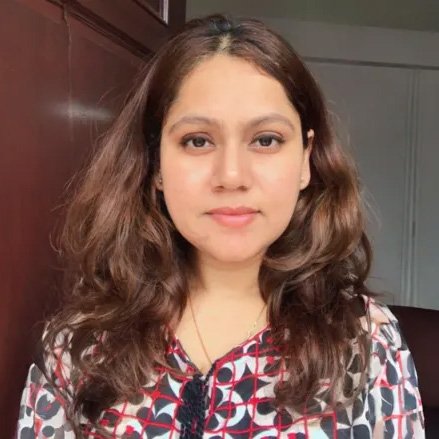

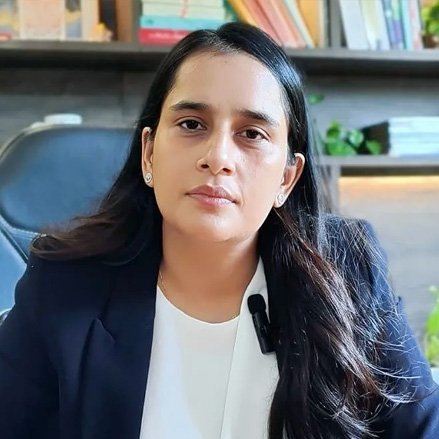
Dr. Sneha Sharma
Consultant Psychiatrist | De-Addiction Specialist
MBBS, MD (Psychiatry)
Dr. Sneha Sharma
Consultant Psychiatrist | De-Addiction Specialist
MBBS, MD (Psychiatry)
Experience: 14+ Years
Just like the Gym is for your body, Therapy is for your Mind
Dr. Sneha Sharma
Psychiatrist, Anvaya Healthcare
Psychiatrists and psychologists trained at leading institutions such as AIIMS, LHMC, and NIMHANS provide evidence based trauma therapy for children from the comfort of your home. Services are available across India with complete confidentiality and personalised support.
Patients Helped
Specialists
Online Access
Satisfaction Rate
The word “trauma” can feel extreme — something that happened in a war zone, or in circumstances so severe that most families feel they don’t qualify. In reality, trauma in children is far more common, far more ordinary in its causes, and far more quietly damaging than most people realise.
A child who witnessed frequent, frightening fights between parents. A child who was in a serious road accident and hasn’t slept properly since. A child who was bullied for years. A child who lost a parent they were deeply close to. All of these are trauma — not because the word needs to be applied to every difficulty, but because the impact on a child’s developing brain and emotional system can be real and lasting, and because the right kind of support, given early, makes an enormous difference.
The scale of this in India is significant. A study of young adults in Delhi-NCR found that 72.3% reported at least one adverse childhood experience, and 17% reported four or more. A Kerala study of 600 young people found 91% had experienced at least one adverse childhood experience, with over half experiencing three or more. One in two young Indians, according to research by Fernandes et al., had experienced both family-level and child abuse experiences. These are not rare cases — they’re the lived reality of a very large number of Indian children, most of whom never receive any support.
Conflict at home, bullying, loss, or accidents can have lasting effects, making trauma counselling for children valuable when difficulties persist.
Childhood trauma can affect brain development, emotions, learning, behaviour, and relationships long after the event has passed.
Research shows childhood trauma affects many Indian families, yet a large number of children never receive the support they need.
Seeking trauma treatment for children early can reduce the long-term impact on emotional wellbeing, behaviour, and development.
Trauma doesn’t always look like what adults expect. A child who’s been through something difficult doesn’t necessarily cry about it or talk about it. They show it in other ways:
Waking up frightened, refusing to sleep alone, or sleeping badly for weeks after an event. Sleep disruption is one of the most consistent signs that a child is carrying something they haven't been able to process
Pulling away from the people they were closest to, becoming quiet and distant in ways that feel new and out of character
Being scared of things that didn't frighten them before, or a general sense of being on edge that doesn't settle even when nothing is happening
A previously gentle child becoming aggressive; a confident child becoming clingy or avoidant; school performance dropping without explanation
Returning to behaviours they had grown out of: bedwetting, thumb-sucking, baby talk, refusing to be separated from a parent
Feeling unusually sad, irritable, numb, or overwhelmed long after a difficult experience can be among the signs of emotional trauma in a child, especially when these changes begin affecting daily life, relationships, or school.
Any of these, persisting for more than a few weeks after a difficult event, are worth taking seriously — not as proof that something is seriously wrong, but as a child’s way of saying they need help processing something they can’t manage alone.
Trauma in children comes from many sources, and understanding what’s behind it shapes how it’s treated:
Not every divorce causes lasting trauma, but when a child is exposed to frequent frightening conflict at home, or when the separation involves the child feeling caught between two people they love, the emotional impact can be significant. In joint family settings common across India, conflict involving extended family members can carry the same weight.
A road accident, a serious illness, or a frightening medical procedure experienced without proper preparation or support. Children process these very differently from adults and need specific help to do so.
Sustained bullying, when it goes unaddressed for years, can be genuinely traumatic. In India, where children often don’t report bullying to parents or teachers, this frequently runs unrecognised until the impact is substantial.
The death of a parent, grandparent, or someone central to the child’s life. Indian families often try to protect children from grief by keeping them away from the mourning process — well-intentioned, but it can leave a child without any framework for understanding what they’ve lost.
Physical, emotional, or sexual abuse within or outside the family. Studies consistently find that one in ten Indian children experience sexual abuse — most of it by someone known to the family.
Witnessing domestic violence, community violence, or any situation involving fear of serious harm.
There is no single “trauma therapy.” What’s used depends on the child’s age, what happened, and how the child is responding. The approaches we use include:
For younger children, play is the natural medium for processing experience. A child who can't talk about something frightening may show it in their play, re-enact it, and gradually find their way through it with a skilled therapist present. Particularly effective for children below 10.
An evidence-based approach combining education about trauma responses, gradual processing of the traumatic memory at a pace the child controls, and building coping skills. It actively involves parents — one of the reasons it works so well.
Drawing, painting, and creating give children a non-verbal way to process traumatic experience. Particularly useful when the experience involved something the child witnessed or felt but couldn't understand.
The family's response to the trauma — how they talk about it, how they respond when the child shows symptoms — is as important as the therapy the child receives directly.
Practical skills for managing trauma responses: the racing heart, the sudden wave of fear, the feeling of being back in the difficult moment. Taught in a way the child can use independently.
Some children may benefit from intensive trauma therapy for children when trauma is severe, ongoing, or significantly affects daily life. After a thorough assessment, the level of support is tailored to each child's individual needs.
Trauma therapy is the appropriate starting point for any child whose symptoms began following a difficult experience. This includes:
A parent’s response to a child’s trauma is one of the most powerful factors in how well the child recovers. Here’s what the team at Anvaya Healthcare typically guides parents to do:
You can book a consultation by phone or online. At Anvaya Healthcare, our team helps parents understand the best next steps if they are unsure where to begin. For children who have experienced trauma, the process usually starts with a comprehensive psychological assessment to understand the child’s experiences, emotional responses, and current challenges. Based on this assessment, we create a personalised trauma therapy plan tailored to the child’s unique needs, helping them feel safe, build resilience, and move towards recovery.
You can book a consultation by phone or online. The first step is to understand your child's experiences, assess their emotional and behavioural needs, and create a personalised trauma therapy plan tailored to their unique situation.
The initial assessment explores your child's experiences, emotional wellbeing, symptoms, and developmental history. This helps identify the right trauma therapy and support from the very beginning.
Assessment helps identify the impact of trauma, emotional challenges, and recovery needs. When appropriate, therapy may be supported with psychiatric care or medication as part of treatment.
Follow-up sessions monitor your child's emotional recovery and coping skills, allowing the therapy plan to be adjusted as progress is made. Medication may be prescribed when clinically appropriate.
Consultant Psychiatrist | De-Addiction Specialist
MBBS, MD (Psychiatry)
Consultant Psychiatrist | De-Addiction Specialist
MBBS, MD (Psychiatry)
Experience: 14+ Years
Psychiatrist
MBBS, MD (Psychiatry)
Experience: 6+ Years
Psychiatrist & Addiction Specialist
MBBS | DPM (Psychiatry) | DNB (Neuropsychiatry)
Psychiatrist & Addiction Specialist
MBBS | DPM (Psychiatry) | DNB (Neuropsychiatry)
Experience: 8+ Years
Psychiatrist
MBBS, DNB (Psychiatry)
Experience: 8+ Years
Consultant Psychiatrist
MBBS, MD (Psychiatry)
Experience: 15+ Years
Clinical Psychologist
M.A & M.Phil (Clinical Psychology)
Experience: 3+ Years
Clinical Psychologist
MA & M.Phil (Clinical Psychology)
Experience: 3+ Years
Clinical Psychologist
M.Phil. | MA | PG Diploma in Counselling & Family Therapy
Clinical Psychologist
M.Phil. | MA | PG Diploma in Counselling & Family Therapy
Experience: 3+ Years
Clinical Psychologist
MA (Clinical Psychology), RCI Registered
Clinical Psychologist
MA (Clinical Psychology), RCI Registered
Experience: 5+ Years
Clinical Psychologist
M.Phil, RCI Registered
Experience: 5+ Years
Clinical Psychologist
MA & M.Phil (Clinical Psychology)
Experience: 7+ Years
Clinical Psychologist
PsyD, RCI (Psychology)
Experience: 3+ Years
Loading booking form…
Our therapists work with childhood trauma specifically — understanding how trauma affects a developing brain, how it shows up differently at different ages, and how to work with a child who may be frightened, shut down, or unable to talk about what they’ve been through.
Every treatment plan at Anvaya Healthcare is built around the specific child: what happened, how old they are, how their family is placed, and what the child needs right now. Some children need stabilisation before any direct trauma work begins. Some need the family to be involved as the primary focus. The plan reflects all of this.
Care is confidential and compassionate. Families coming with trauma concerns are often themselves in distress — worried about their child, sometimes carrying guilt. We hold space for that as much as for the child’s experience. Centres in Dwarka, Vasant Vihar, and Gurugram, and online for families anywhere in India.
Children affected by trauma need timely assessment and compassionate care. Our specialists provide evidence-based trauma treatment tailored to each child's emotional and developmental needs.
Trauma treatment is tailored to each child’s experiences, symptoms, family situation, and recovery goals, ensuring personalized care rather than a one-size-fits-all approach.
Consult from home with complete privacy. Trauma treatment for children in India is delivered confidentially, helping families seek expert support in a safe, comfortable, and stigma-free environment.
Integrated care at Anvaya brings psychiatrists and psychologists together, ensuring coordinated trauma treatment for children and better recovery outcomes
A family in Kanpur, Bhopal, or any smaller city gets the same quality of psychiatric expertise as someone in South Delhi. That's the whole point.
Trauma therapy takes time because what it’s addressing took time to form. What families typically see over several months of consistent support:
These changes are gradual and nonlinear. There will be weeks that feel like regression. The overall direction, with consistent support, is forward.
There is no minimum age. Trauma therapy can be adapted for children as young as 3 to 4, and the approaches shift significantly with developmental stage. Earlier is generally better.
This varies. Trauma-Focused CBT typically runs for 12 to 25 sessions. More complex presentations may require longer work. The therapist reviews progress regularly and adjusts accordingly.
For older children and skills-building components, yes. For younger children or direct processing of traumatic memories, in-person is preferred.
Yes — and for Trauma-Focused CBT specifically, parent involvement is built into the model. Most trauma therapy for children actively includes parents.
Yes. Anvaya Healthcare offers child trauma therapy using different types of trauma therapy for children, selected according to each child's age, experiences, symptoms, and emotional needs to support long-term recovery.
Yes. Trauma therapy for children with autism is adapted to the child's communication style, sensory needs, emotional understanding, and developmental level. Therapy often combines structured routines, visual supports, and parent involvement to create a safe and effective treatment approach.
Second floor, Plot No 28,
Sector-12A Rd, Block A,
Sector 12 Dwarka
Call Now: +91-9810659825
Ground Floor, Plot No. - E-7/5, Block E,
Vasant Vihar, South Delhi
Call Now: +91-9650277301
1 in every 5 individuals
suffers from some form of mental health illness