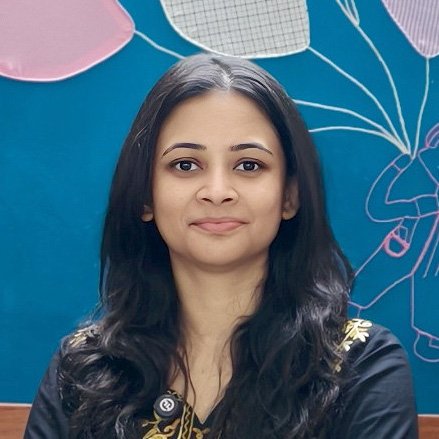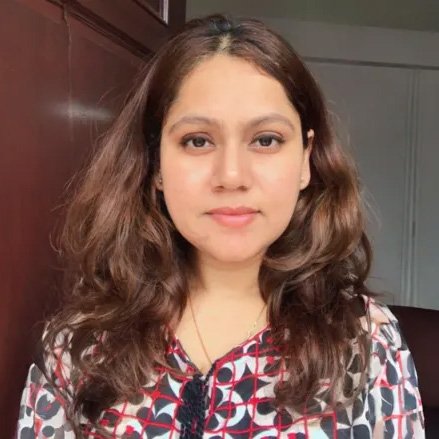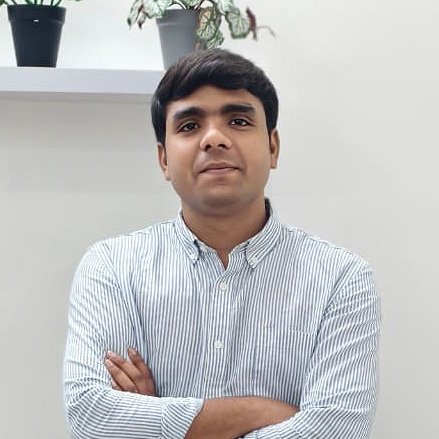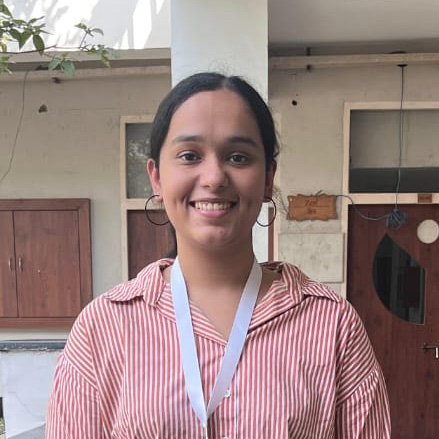

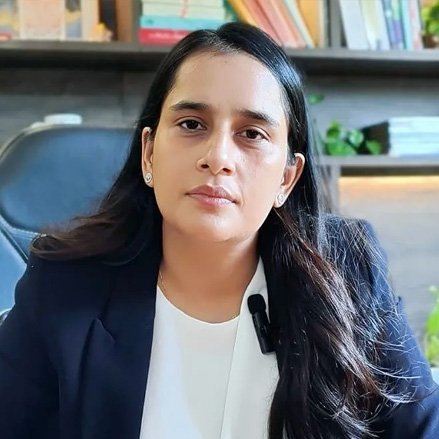
Dr. Sneha Sharma

Just like the Gym is for your body, Therapy is for your Mind

Dr. Sneha Sharma
Psychiatrist, Anvaya Healthcare

Home Mental Health Services for Children Anxiety Treatment for Children

Anxiety Treatment for Children & Teens in India

AIIMS, LHMC & NIMHANS-trained psychiatrists & psychologists. Get expert Children anxiety treatment with evidence-based care from the comfort of your home — pan India, confidential.

525+

Patients Helped

15+

Specialists

Pan India

Online Access

93%

Satisfaction Rate

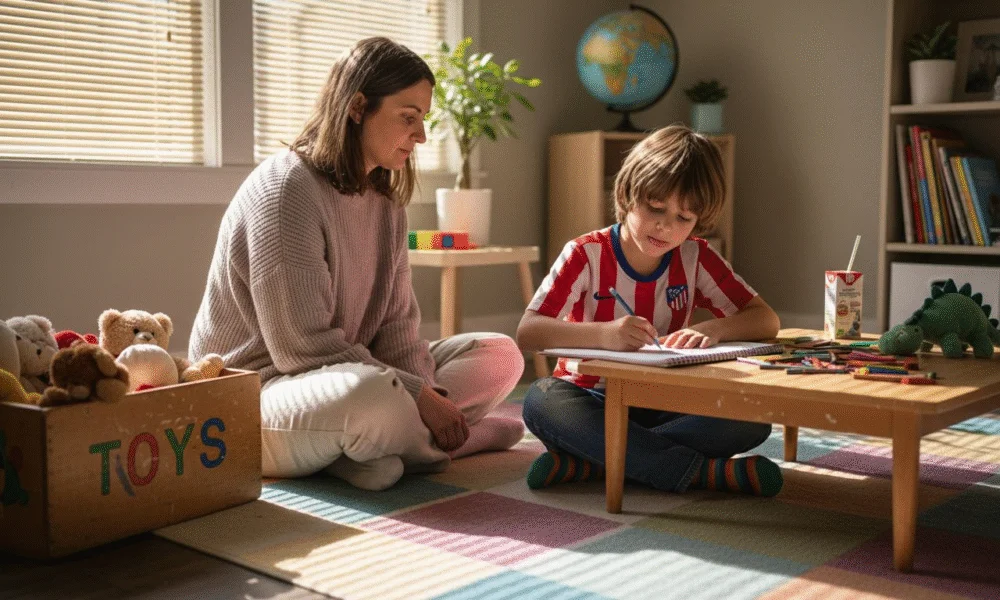
Child drawing with parental support during anxiety care at Anvaya Healthcare.

Anxiety Treatment for Kids

If your child has started avoiding things they used to do without a second thought- school mornings, birthday parties, even answering a phone call and you’re wondering whether this is “just a phase” or something more, that question is worth taking seriously.

Anxiety in children and teens isn’t the same as being shy or sensitive. It’s when worry, fear, or physical tension becomes persistent enough that it starts deciding things for the child what they’ll do, how they’ll sleep, how their whole day feels before it’s even begun. It can look like:

  • A child who suddenly refuses to go to school, with stomach aches that seem to come and go depending on the day
  • A teenager who’s stopped raising their hand in class, terrified of being wrong in front of everyone
  • A child who needs everything to go exactly as planned, and falls apart tears, anger, sometimes both the moment it doesn’t

The National Mental Health Survey found phobic anxiety disorder in around 1.3% of Indian adolescents nationally, but studies using more detailed screening tools tell a much bigger story. A study from schools in South India using the SCARED scale found anxiety symptoms in roughly half of the adolescents screened, and a community study in rural North India found anxiety disorders in close to 1 in 4 adolescents. Test anxiety specifically the kind tied to board exams has been studied separately across multiple Indian cities, and the findings are consistent: this is something a huge number of Indian students experience, often quietly.

Anxiety can show up as early as primary school and continue right through the teenage years, though what it looks like tends to change with age. Left unsupported, it touches school attendance, sleep, friendships, and the general mood at home.

More Than Shyness

it becomes a concern when fear and worry start affecting daily activities, sleep, school, and social interactions.

Avoiding Daily Activities

Children may avoid school, social events, or new situations.

Physical Warning Signs

Anxiety can cause stomach aches, headaches, or sleep problems.

Fear of Mistakes

Many children avoid speaking up or trying new things.

Need for Routine

Small changes in plans can trigger strong emotional reactions.

Common in Indian Children

Anxiety affects many children and teens but often goes unnoticed.

What Anxiety Can Actually Look Like?

Excessive worry that doesn’t match the situation a child worrying for days about a small test, or imagining the worst possible outcome for something fairly ordinary, like a school trip or a friend not replying to a message.

Restlessness or panic

a racing heart, trouble sitting still, a sudden, urgent need to leave a room or situation that feels too much.

Sleep problems and tiredness

lying awake because the mind won't switch off, or sleeping enough hours but still waking up exhausted.

Avoiding school or social situations

finding reasons to skip school, birthday parties, or activities they used to genuinely enjoy, often with a "good" excuse each time.

Physical complaints without a clear cause

stomach aches, headaches, or nausea that a doctor can't explain, especially around specific times like Monday mornings or exam weeks.

When should parents step in? If these patterns have been going on for a few weeks, are getting in the way of daily life, or your child seems distressed even when nothing is obviously “wrong”  that’s reason enough to get it looked at. Waiting for things to get worse isn’t necessary, and it usually doesn’t make things easier later.

Why This Happens?

Genetics and family history matter. Anxiety tends to run in families if a parent has dealt with it, a child has a higher chance of developing it too, though that history doesn’t make it certain.

Academic pressure and competition are major concerns in India. Board exams, entrance tests, and constant comparison of marks often create high levels of test-related anxiety among school-going adolescents.

Bullying and peer stress, both in person and online, are common triggers that often go unreported. A child may not mention it at all, sometimes for months.

Trauma and family conflict a difficult divorce, ongoing tension at home, or a loss in the family can sit underneath anxiety in ways that aren’t always visible from the outside.

Screen time and social media add another layer. Constant comparison, late-night scrolling that disrupts sleep, and exposure to content that amplifies worry are all linked to higher anxiety in studies of Indian adolescents.

Risk factors worth watching: a child who’s always been the more sensitive or cautious one in the family, a recent big change like a new school or city, perfectionistic tendencies, or a family history of anxiety or panic.

How Anvaya Healthcare Approaches Treatment?

It starts with a conversation with parents what's been noticed, when it started, what's already been tried. This gives us the full picture before anything else happens.

Then the child or teen is interviewed separately. Kids, especially older ones, often describe their worries very differently when a parent isn't in the room not because they're hiding something serious, but because some things feel easier to say to someone outside the family.

The assessment looks closely at school and behaviour patterns attendance, how the child manages in class, anything teachers may have noticed, and how anxiety shows up across different parts of the day.

Screening for other concerns is a standard part of the process, since anxiety frequently overlaps with low mood, attention difficulties, or other patterns that need to be understood together rather than separately. The team at Anvaya Healthcare is trained to pick up on these overlaps early.

What Treatment Actually Looks Like ?

Psychological Counselling

Psychological counselling gives a child or teen a space to talk through their worries without judgment often the first time anyone has really asked them to explain what's going on in their head.

Cognitive Behavioural Therapy (CBT)

CBT for anxiety works on the specific thought patterns that keep worry going the "what if" loops, the jumping to worst-case scenarios and helps build calmer, more realistic ways of thinking through situations.

Family Therapy & Parent Guidance

Family therapy and parent guidance go hand in hand here. A lot of what keeps anxiety going at home happens unintentionally over-reassuring, or letting avoidance become the easiest option and this part of treatment helps families respond in ways that actually help long-term.

Psychiatric Evaluation & Medication

A psychiatric evaluation comes in for moderate-to-severe anxiety, where medication alongside therapy may genuinely help. This decision is made carefully and explained clearly to families.

Every plan is personalised to the child’s age, specific fears, and what’s happening at school and home. Follow-up and monitoring continue well past the early sessions, since anxiety tends to ease gradually rather than disappear overnight.

The Specific Therapies Used

Cognitive Behavioural Therapy (CBT)

CBT remains the backbone of most anxiety treatment for this age group, working on the connection between thoughts, feelings, and behaviour.

Relaxation and Breathing Techniques

Relaxation and breathing skills give kids something practical to do when anxiety shows up physically a racing heart, tight chest, that "can't breathe properly" feeling.

Exposure Therapy (Exposure-Based Support)

Exposure-based support means gradually facing feared situations in small, manageable steps, with support at each stage not throwing a child into the deep end, but helping them build confidence step by step.

Emotion Regulation Techniques

Emotion regulation techniques help children handle big feelings fear, frustration, panic without those feelings completely taking over.

Problem-Solving and Coping Skills Training

Problem-solving and coping tools give practical strategies for situations that come up again and again, like an upcoming test or a social event that feels overwhelming.

Behavioural Activation

Behavioural activation staying engaged with activities even when anxiety says "don't" helps break the cycle where avoidance makes the fear feel bigger over time.

Every plan is personalised to the child’s age, specific fears, and what’s happening at school and home. Follow-up and monitoring continue well past the early sessions, since anxiety tends to ease gradually rather than disappear overnight.

What Parents Can Do?

Supportive communication means acknowledging the worry without dismissing it (“you’ll be fine, stop worrying”) or over-reassuring it away. Something like “that sounds like it’s worrying you a lot let’s figure this out together” lands very differently.

Healthy routines and consistent sleep give an anxious child's day some predictability, which genuinely helps.

Monitoring triggers and avoidance patterns noticing what situations get skipped and how often without turning into round-the-clock surveillance.

Encouraging treatment adherence even when progress feels slow. Anxiety doesn't usually improve in a straight line, and that's normal.

Building trust without pressure means not making every conversation about the anxiety, and not pushing a child to "just get over it" before they're ready.

And the support that happens at home, between sessions practising breathing exercises, gently encouraging a small step forward often matters as much as the sessions themselves.

School and Daily Life

School Coordination

Coordinating with teachers, when families are comfortable with it, can help particularly around attendance or any temporary adjustments while a child is building confidence again.

Academic Stress Management

Academic stress management is often addressed directly in therapy, especially when school pressure is part of what's driving the anxiety in the first place.

Realistic Study Schedule

A study schedule that's realistic and doesn't leave a child feeling like they're constantly behind matters more than one that looks impressive on paper.

Screen Time Boundaries

Screen time boundaries, agreed together rather than imposed, reduce a common source of conflict and one of the clearer contributors to anxiety in this age group.

Healthy Friendships

Healthy peer involvement friendships and activities that feel safe and enjoyable is genuinely protective against anxiety getting worse.

Progress Tracking

Tracking attendance and performance, done gently, helps everyone see whether things are moving in the right direction.

Online, In-Person or Both

  • Online counselling works well for teens who find it easier to open up from their own room, and for families without specialist care nearby.
  • In-person care at a centre suits situations that benefit from closer monitoring, or where family sessions work better with everyone physically present.
  • Hybrid care — a mix of both — is often the most practical choice, and it’s available.
  • Privacy matters a great deal here, especially for teenagers who’d rather not be seen visiting a clinic. Online sessions remove that concern entirely.

How severe the anxiety is, also plays a role. Mild-to-moderate anxiety often responds very well to online support. More complex situations, or anything affecting daily functioning significantly, may benefit from starting in person.

Anvaya Healthcare offers both formats and helps families work out what fits best — across Dwarka, Vasant Vihar, and Gurugram, or online from anywhere in India.

How Online Anxiety Treatment Works

You make a booking — phone or online. At Anvaya Healthcare, the team can help families who aren’t sure whether to start with a psychiatrist or a psychologist. For anxiety specifically, the answer is almost always the psychiatrist first.

Book & Connect

Book online or call us. Our team helps you decide psychiatrist or psychologist first. For Children Anxiety, it's almost always the psychiatrist.

Full Assessment

A thorough psychiatric assessment not a quick form. A conversation covering history, symptoms, family context, and current functioning.

Diagnosis & Medication

A thorough assessment helps understand how anxiety is affecting the child at home, school, and in daily life. Treatment recommendations are explained clearly to parents and tailored to the child's specific needs.

Ongoing Therapy & Follow-up

Psychoeducation, CBTp, and regular follow-ups layered in as you stabilise. Long-term care not a one-off consultation.

Best Doctors for Children Anxiety Treatment in India

Dr. Sneha Sharma

Dr. Sneha Sharma

Consultant Psychiatrist | De-Addiction Specialist

MBBS, MD (Psychiatry)

VIEW PROFILE
VIEW PROFILE

Dr. Sneha Sharma

Consultant Psychiatrist | De-Addiction Specialist

MBBS, MD (Psychiatry)

Experience: 14+ Years
Treatments: Depression, Anxiety Disorders, ADHD, Autism Spectrum Disorders, OCD, Bipolar Disorder, Schizophrenia, Sleep Disorders, Stress & Burnout, Panic Attacks, Dementia &... more
Specialization: Child & Adolescent Psychiatry, Adult Psychiatry, Geriatric Psychiatry, Neuropsychiatry, Medication Management (Psychopharmacology), De-addiction Psychiatry, Psychiatric Evaluation & Diagnosis, Women's Mental Health, Online Psychiatric Consultation
Languages: Hindi, English
₹ 2500 for 20 mins

Experience: 14+ Years

Choose Location
Select Location
Video/Voice Call
Dr. Poulami Basu

Dr. Poulami Basu

Psychiatrist

MBBS, MD (Psychiatry)

VIEW PROFILE
VIEW PROFILE

Dr. Poulami Basu

Psychiatrist

MBBS, MD (Psychiatry)

Experience: 6+ Years
Treatments: Depression, Anxiety Disorders, Alcohol & Substance Addiction, OCD, Bipolar Disorder, Schizophrenia & Psychosis, ADHD, Sleep Disorders, Stress & Burnout, Panic... more
Specialization: De-addiction Psychiatry, Child & Adolescent Psychiatry (NIMHANS-trained), Geriatric Psychiatry, Forensic Psychiatry, General Adult Psychiatry, Medication Management (Psychopharmacology), Psychiatric Evaluation &... more
Languages: Hindi, English, Bengali
₹ 1500 for 30 mins

Experience: 6+ Years

Choose Location
Select Location
Video/Voice Call
Dr. Kampila Kardam

Dr. Kampila Kardam

Psychiatrist & Addiction Specialist

MBBS | DPM (Psychiatry) | DNB (Neuropsychiatry)

VIEW PROFILE
VIEW PROFILE

Dr. Kampila Kardam

Psychiatrist & Addiction Specialist

MBBS | DPM (Psychiatry) | DNB (Neuropsychiatry)

Experience: 8+ Years
Treatments: Depression, Anxiety Disorders, OCD, Panic Disorder, Bipolar Disorder, ADHD, Autism Spectrum Disorders, Alcohol & Substance Addiction, Schizophrenia & Psychosis, Late-Life... more
Specialization: Child & Adolescent Psychiatry, Geriatric Psychiatry, Addiction Psychiatry & De-addiction, Medication Management (Psychopharmacology), Anxiety Disorder Treatment, Neuropsychiatry, Psychiatric Evaluation &... more
Languages: Hindi, English
₹ 1500 for 30 mins

Experience: 8+ Years

Choose Location
Select Location
Video/Voice Call
Dr. Palak Patel

Dr. Palak Patel

Psychiatrist

MBBS, DNB (Psychiatry)

VIEW PROFILE
VIEW PROFILE

Dr. Palak Patel

Psychiatrist

MBBS, DNB (Psychiatry)

Experience: 8+ Years
Treatments: Anxiety Disorders, Depression, OCD, Bipolar Disorder, Panic Attacks, Social Anxiety, ADHD, Autism Spectrum Disorders, Psychosis & Schizophrenia, Addiction & Substance... more
Specialization: General Adult Psychiatry, Anxiety & Mood Disorder Management, Child & Adolescent Psychiatry, Medication Management (Psychopharmacology), Psychiatric Evaluation & Diagnosis, De-addiction... more
Languages: Hindi, English, Gujarati
₹ 1500 for 30 mins

Experience: 8+ Years

Choose Location
Select Location
Video/Voice Call
Dr. Abhineet Sayal

Dr. Abhineet Sayal

Consultant Psychiatrist

MBBS, MD (Psychiatry)

VIEW PROFILE
VIEW PROFILE

Dr. Abhineet Sayal

Consultant Psychiatrist

MBBS, MD (Psychiatry)

Experience: 15+ Years
Treatments: Depression, Generalized Anxiety Disorder (GAD), Social Anxiety, Obsessive-Compulsive Disorder (OCD), Phobias, Substance Use Disorders, Internet... more
Specialization: Addiction Psychiatry, Geriatric Psychiatry, Forensic Psychiatry, Telepsychiatry, Community Psychiatry, Patient-Centred Care, Psychopharmacotherapy, Biopsychosocial Assessment, Risk Assessment & Crisis... more
Languages: Hindi, English, Punjabi
₹ 2000 for 30 mins

Experience: 15+ Years

Choose Location
Select Location
Video/Voice Call
Mr. Manish Kumar

Mr. Manish Kumar

Clinical Psychologist

M.A & M.Phil (Clinical Psychology)

VIEW PROFILE
VIEW PROFILE

Mr. Manish Kumar

Clinical Psychologist

M.A & M.Phil (Clinical Psychology)

Experience: 3+ Years
Treatments: Depression, Anxiety Disorders, OCD, Bipolar Disorder, PTSD & Trauma, ADHD, Autism Spectrum Disorders, Intellectual Disability, Conduct Disorder, Personality Disorders, Eating... more
Specialization: Psychological Assessment & Diagnosis, Cognitive Behavioral Therapy (CBT), Exposure & Response Prevention (ERP) for OCD, Crisis Intervention, Juvenile & Adolescent... more
Languages: Hindi, English
₹ 1500 for 60 mins

Experience: 3+ Years

Choose Location
Select Location
Video/Voice Call
Ms. Ananya Singh

Ms. Ananya Singh

Clinical Psychologist

MA & M.Phil (Clinical Psychology)

VIEW PROFILE
VIEW PROFILE

Ms. Ananya Singh

Clinical Psychologist

MA & M.Phil (Clinical Psychology)

Experience: 3+ Years
Treatments: Depression, Anxiety Disorders, Stress & Burnout, OCD, Trauma & PTSD, Grief & Loss, ADHD, Learning Disabilities, Panic Attacks, Adjustment &... more
Specialization: Psychological Assessment & Diagnosis, IQ Testing & Intellectual Assessment, Personality Assessment, Learning Disability & ADHD Assessment, Cognitive Behavioral Therapy (CBT),... more
Languages: Hindi, English
₹ 1500 for 60 mins

Experience: 3+ Years

Choose Location
Select Location
Video/Voice Call
Ms. Arpita Vij

Ms. Arpita Vij

Clinical Psychologist

M.Phil. | MA | PG Diploma in Counselling & Family Therapy

VIEW PROFILE
VIEW PROFILE

Ms. Arpita Vij

Clinical Psychologist

M.Phil. | MA | PG Diploma in Counselling & Family Therapy

Experience: 3+ Years
Treatments: Depression, Anxiety Disorders, Family Conflict & Dysfunction, Relationship & Marital Issues, Stress & Burnout, OCD, Emotional Regulation Difficulties, Trauma &... more
Specialization: Family Therapy, Couples & Marital Counselling, Cognitive Behavioral Therapy (CBT), Psychological Assessment & Diagnosis, Individual Psychotherapy, Parent & Family Psychoeducation,... more
Languages: Hindi, English, Punjabi
₹ 1500 for 60 mins

Experience: 3+ Years

Choose Location
Select Location
Video/Voice Call
Ms. Lata Arya

Ms. Lata Arya

Clinical Psychologist

MA (Clinical Psychology), RCI Registered

VIEW PROFILE
VIEW PROFILE

Ms. Lata Arya

Clinical Psychologist

MA (Clinical Psychology), RCI Registered

Experience: 5+ Years
Treatments: Depression, Anxiety Disorders, ADHD, Autism Spectrum Disorders, Behavioural Problems in Children, School-Related Anxiety, Stress & Burnout, Emotional Regulation Difficulties, OCD,... more
Specialization: Psychological Assessment & Diagnosis, Child & Adolescent Therapy, ADHD & Autism Assessment, Individualized Treatment Planning, De-addiction & Rehabilitation Support, Psychoeducation... more
Languages: Hindi, English
₹ 1500 for 60 mins

Experience: 5+ Years

Choose Location
Select Location
Video/Voice Call

Why Families Choose Anvaya Healthcare

Our team specialises in child and adolescent mental health specifically not an adult approach scaled down, but one built around how kids and teens actually think, worry, and communicate.

Care is personalised and genuinely compassionate. Every child’s anxiety looks a little different, and treatment reflects that rather than following a fixed script.

Confidentiality is taken seriously for both the child and the family a space where things can be said honestly.

Both online sessions and centre visits are available, with centres in Dwarka, Vasant Vihar, and Gurugram. And support doesn’t end the moment things improve ongoing follow-up is part of how we work at Anvaya Healthcare.

  • AIIMS, NIMHANS & IHBAS Trained Specialists

    When it comes to childhood anxiety, experience and specialised training matter. Our clinicians understand how anxiety affects children differently at each stage of development and provide age-appropriate care.

  • Personalised, Not Templated

    Every child experiences anxiety in their own way. Treatment is tailored to their symptoms, personality, family environment, and specific challenges rather than following a one-size-fits-all approach.

  • Complete Confidentiality

    Families can seek support from the comfort of home. We provide a safe, private, and judgment-free space where children and parents can discuss concerns openly.

  • Integrated Psychiatry + Psychology

    Some children benefit from therapy alone, while others may need additional psychiatric support. Our psychologists and psychiatrists work together to create a coordinated treatment plan when needed.

  • Pan-India Access

    Whether you live in a metro city or a smaller town, your child can access the same high-quality anxiety care through our online consultations across India.

Patient Satisfaction 93%
Avg. Relapse Reduction 60%

Beyond the treatment

  • Tracking early warning signs means knowing what to watch for if anxiety starts creeping back often the same patterns that showed up the first time.
  • Coping skills need regular practice, not just learning. The ones that stick are the ones used often, not just remembered from a session months back.
  • Regular therapy reviews, even after the main treatment phase, catch small dips before they grow into bigger ones.
  • Healthy lifestyle habits sleep, activity, time with people who feel safe form the foundation everything else builds on.
  • Check-ins with parents and school, kept light, keep everyone on the same page without making it feel heavy.
  • And resilience genuinely builds with time. Kids who’ve worked through anxiety once often handle future stress better not because the worry disappears completely, but because they’ve learned they can get through it.

Frequently Asked Questions

Excessive worry that doesn't match the situation, restlessness or physical complaints like stomach aches, sleep trouble, and avoiding school or social situations they used to manage fine.

Yes. With early diagnosis and appropriate treatment, most teens can manage anxiety effectively, improve their emotional well-being, and lead healthy, fulfilling lives.

It varies depending on severity, but it's rarely instant. Follow-up support typically continues well after the initial phase.

Yes. Online therapy can be highly effective for many teens, providing convenient access to qualified mental health professionals and evidence-based treatments from the comfort of home.

Yes — family therapy and parent guidance are core parts of how we work, alongside individual support for the child or teen.

Not always. Many children improve with therapy alone. If anxiety is severe or significantly affects daily life, a psychiatrist may recommend medication as part of a personalised treatment plan.

New Appointment
Please enable JavaScript in your browser to complete this form.
Preferred Appointment Date