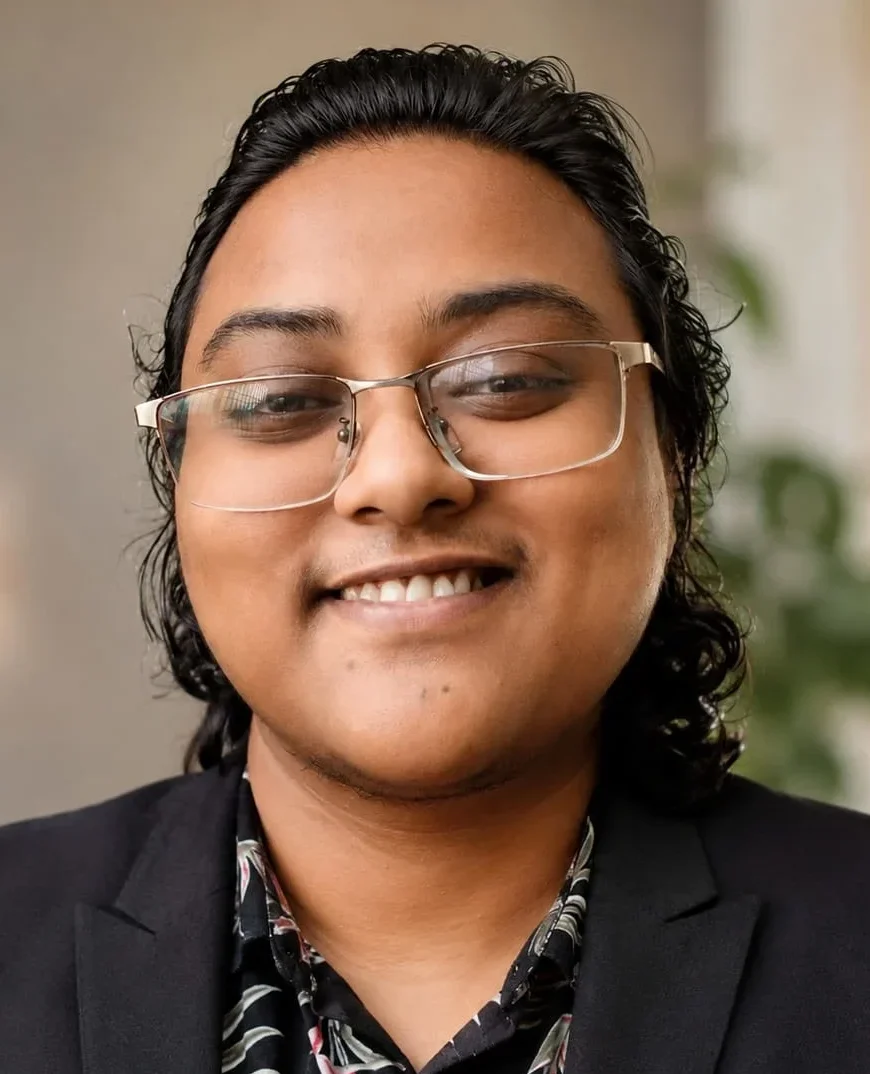



Dr. Purva Agarwal
Clinical Psychologist
PsyD, RCI (Psychology)
Experience: 3+ Years
TALK TO US
info@anvayahealthcare.com
+91-9810659825
Just like the Gym is for your body, Therapy is for your Mind
Dr. Sneha Sharma
Psychiatrist, Anvaya Healthcare
Clinical Psychologists & Counselling Psychologists trained at leading institutions such as AIIMS, LHMC & NIMHANS. Evidence-based DBT therapy in Mumbai โ confidential, structured, and accessible with professional support.
📅 Book Consultation
Some people feel emotions more intensely than others. A situation that might mildly upset one person can feel completely overwhelming to another โ the emotional reaction arrives fast, hits hard, and takes a long time to settle. For people who experience emotions this way, ordinary coping advice often doesn’t help, and the resulting distress can spill into relationships, work, and, in some cases, self-destructive behaviour. Dialectical Behaviour Therapy was developed specifically for this.
DBT is a structured, evidence-based form of therapy that teaches concrete skills for managing intense emotions, tolerating distress, and building steadier relationships. It was originally developed for people with the most severe emotional difficulties, but its skills have proven valuable across a wide range of conditions. At its heart is a balance โ the “dialectic” โ between accepting yourself as you are and working to change what isn’t serving you. Both matter, and DBT holds them together.
How does DBT differ from CBT? CBT focuses primarily on identifying and changing unhelpful thought patterns. DBT includes that, but adds a strong emphasis on accepting difficult emotions rather than only trying to change them, and it places particular focus on four practical skill areas: mindfulness, emotion regulation, distress tolerance, and interpersonal effectiveness. For people whose main difficulty is the sheer intensity of their emotions, this skills-based, acceptance-focused approach often works where standard CBT alone hasn’t. The two aren’t in competition โ for some people CBT is exactly right, while for those with pervasive emotional dysregulation, DBT’s particular balance of acceptance and change is what makes the difference.
The need is real, particularly among young people. An Indian study drawing on the UDAYA survey of over 15,000 adolescents found deliberate self-harm behaviour in around 4.5% of adolescent boys and 3.2% of girls, with depressive symptoms a strong predictor. Emotional dysregulation underlies much of this distress, and it responds to treatment. In a high-pressure city like Mumbai โ where academic competition, work stress, and the pace of daily life all add to emotional load โ the demand for skills-based emotional support is significant, and often unmet.
Around 4.5% of adolescent boys reported deliberate self-harm behaviour in the UDAYA survey.
Around 3.2% of adolescent girls reported deliberate self-harm behaviour in the UDAYA survey.
DBT places particular focus on mindfulness, emotion regulation, distress tolerance, and interpersonal effectiveness.
DBT was originally developed for borderline personality disorder, and this remains where its evidence base is strongest. It is considered a first-line treatment for the intense emotional instability, relationship difficulties, and self-destructive patterns that can characterise the condition. For many people with this diagnosis, DBT can make a meaningful difference when previous approaches have not provided lasting change.
DBT can help people who struggle to manage the intensity, duration, or unpredictability of their emotional responses, whether or not they meet the criteria for a specific diagnosis. This difficulty with emotional regulation sits at the heart of DBT and affects many people who may never receive a formal diagnosis.
DBT can be particularly useful when anxiety or depression involves strong emotional reactivity, difficulty tolerating distress, or persistent self-critical and hopeless thinking. Its practical skills can provide another way forward when standard treatment has stopped making enough progress.
DBT has a strong evidence base for reducing self-harm by helping people develop safer and more effective ways of managing the overwhelming emotions that can drive these behaviours. Seeking support is an important first step, and structured therapy can provide practical skills for navigating moments of intense emotional pain.
For people whose response to stress feels intense, prolonged, or difficult to regulate, DBT offers practical tools through its distress tolerance and emotion regulation skills. These techniques can help you manage difficult moments as they happen rather than feeling completely overwhelmed by them.
When substance use becomes a way of coping with painful or overwhelming emotions, DBT can address the emotional dysregulation underneath the behaviour alongside the substance-use concerns themselves. The focus is on developing healthier coping skills while building greater awareness of emotional triggers and patterns.
DBT may also support people experiencing emotional instability alongside mood disorders, including bipolar disorder. In these situations, DBT is used as a complement to appropriate psychiatric treatment, helping develop emotional regulation and coping skills rather than replacing medical care.
DBT is a treatment approach rather than a condition with one single cause. The difficulties it addresses can arise through a combination of emotional, psychological, relational, developmental, and environmental factors.
Some people experience emotional responses more intensely, rapidly, or for longer periods, making ordinary coping strategies difficult to use in the moment.
Repeated conflict, unstable relationships, fear of rejection, or difficulty communicating needs can reinforce emotional distress and reactive patterns.
Academic pressure, demanding work, financial strain, or prolonged life stress can increase emotional load and make regulation more difficult.
Past trauma or significant adverse experiences can contribute to difficulties with emotional regulation, distress tolerance, and relationships.
Depression, anxiety, substance use concerns, mood disorders, and other difficulties may occur alongside emotional dysregulation and need to be considered in treatment planning.
When intense emotions feel unmanageable, people may develop coping behaviours that provide short-term relief but create additional difficulties over time.
Contact our team directly to arrange an initial consultation, in complete confidence from the first point of contact.
A thorough first session explores the emotional difficulties, their history, any co-occurring conditions, and what the person hopes to change. This determines whether DBT is the right approach and how it should be structured.
DBT is structured, but it is adapted to the individual. The plan reflects the person's specific difficulties, their goals, and their circumstances, including how therapy fits around work or studies for busy Mumbai residents.
One-to-one sessions focus on applying DBT skills to the person's actual life, while structured skills training develops a concrete toolkit for daily use. Progress is monitored through diary cards or similar tools so the plan can be adjusted as needed.
The foundation of DBT. Learning to observe thoughts and feelings without immediately reacting to them, staying present rather than being swept away by emotion or lost in worry about the past or future.
Understanding emotions, reducing vulnerability to intense emotional states, and changing emotional responses that aren't serving the person.
Practical skills for getting through crisis moments without making things worse, tolerating painful emotions when they can't immediately be changed rather than acting impulsively to escape them.
Skills for asking for what you need, saying no, and managing conflict while maintaining relationships and self-respect.
Accepting reality as it is, rather than staying stuck in the pain of fighting what can't be changed. This doesn't mean approval; it means stopping the additional suffering that comes from resistance to what has already happened.
Replacing self-destructive coping with skills that address the underlying emotion without causing harm, building a set of responses you can rely on instead of patterns that were making things worse.
Clinical Psychologist
PsyD, RCI (Psychology)
Experience: 3+ Years
TALK TO US
Clinical Psychologist
M.A & M.Phil (Clinical Psychology)
Experience: 3+ Years
TALK TO US
Clinical Psychologist
MA & M.Phil (Clinical Psychology)
Experience: 3+ Years
TALK TO US
Clinical Psychologist
MA & M.Phil (Clinical Psychology)
Experience: 7+ Years
TALK TO US
Clinical Psychologist
MA (Clinical Psychology), RCI Registered
Experience: 5+ Years
TALK TO US
Clinical Psychologist
M.Phil. | MA | PG Diploma in Counselling & Family Therapy (LHMC)
VIEW PROFILEClinical Psychologist
M.Phil. | MA | PG Diploma in Counselling & Family Therapy (LHMC)
Experience: 3+ Years
TALK TO US
Clinical Psychologist
M.Phil in Clinical Psychology (IHBAS, Delhi University)
VIEW PROFILEClinical Psychologist
M.Phil in Clinical Psychology (IHBAS, Delhi University)
Experience: 2+ Years
TALK TO US
Clinical Psychologist
M.Phil. Clinical Psychology (IHBAS)
Experience: 2+ Years
TALK TO US
Counselling Psychologist
B.Sc, MA - Psychology
Experience: 4+ Years
TALK TO US
DBT involves regular, consistent sessions over an extended period, and accessing care from home can make this sustainable without a repeated commute across Mumbai for every appointment.
There is no clinic waiting room and no risk of being seen arriving for an appointment, which can matter for people dealing with conditions that carry significant stigma.
Sessions can be fitted around work and study, including suitable evening and weekend appointments where available.
DBT requires specific training, and Mumbai residents can consult psychologists and psychiatrists trained in it at India's leading institutions.
For a therapy involving regular sessions and skills practice over months, reducing travel can make consistent attendance more achievable.
For Mumbai residents who travel or relocate, ongoing DBT support can continue where clinically appropriate, helping maintain consistency in a structured therapy.
DBT is a specialised therapy that requires specific training to deliver properly โ it isn’t something every therapist is equipped to provide. Our psychologists and psychiatrists trained in DBT are drawn from India’s leading institutions, including AIIMS, NIMHANS, IHBAS, Lady Hardinge Medical College, and VIMHANS, and hold RCI or MCI/NMC registration.
DBT often treats conditions that involve real clinical risk, which makes having psychiatrists and psychologists working together particularly important. Where medication is part of the picture โ for a co-occurring mood disorder, severe depression, or anxiety โ the psychiatric and therapeutic sides of treatment are coordinated rather than handled by disconnected providers who don’t communicate with each other.
Every plan at Anvaya Healthcare is personalised. The structure of DBT is consistent, but which skills are prioritised, how sessions are paced, and how the plan is built all reflect the individual and their specific difficulties. Someone whose main struggle is self-harm needs a different emphasis from someone whose difficulty is primarily in relationships, even though both are learning the same core skills.
For Mumbai residents comparing options, government mental health services are important but may involve waiting times and limited session length โ constraints that can make delivering a structured, skills-intensive therapy like DBT difficult. Anvaya Healthcare provides access to DBT-trained specialists, structured sessions, and ongoing follow-up support.
Consultations start from โน1,500 per session, with pricing varying by the specialist’s experience and seniority. Centres in Dwarka, Vasant Vihar, and Gurugram are available for in-person sessions where preferred or clinically needed.
DBT requires specific training. Anvaya Healthcare's DBT-trained psychologists and psychiatrists include specialists trained at leading Indian institutions.
The structure of DBT is consistent, but priorities, pacing, and treatment planning are adapted to the individual's difficulties, goals, and circumstances.
DBT is a structured, evidence-based therapy with practical skills for emotional regulation, distress tolerance, mindfulness, and interpersonal effectiveness.
Where medication is clinically appropriate for co-occurring depression, anxiety, or mood disorders, psychiatric and therapeutic care can be coordinated.
Mumbai residents can access DBT consultations and ongoing support, with in-person sessions at Delhi NCR centres where preferred or clinically needed.
DBT is used for emotional dysregulation and the conditions that involve it โ most notably borderline personality disorder, but also self-harm, difficult-to-treat depression and anxiety, and situations where intense emotions are the central difficulty. It teaches practical skills for managing emotions, tolerating distress, and improving relationships.
DBT is an evidence-based therapy that teaches practical skills for managing emotions, tolerating distress, and improving relationships. The assessment helps determine whether DBT is the right approach for your particular difficulties.
DBT is often a longer-term therapy. A full DBT programme can run for six months to a year, reflecting the time it takes to learn and embed the skills. Shorter, focused DBT-informed work may also be appropriate for specific difficulties. The plan is tailored to the individual’s needs and reviewed as they progress.
Yes. DBT can be combined with psychiatric medication, particularly where there is a co-occurring mood disorder, depression, or anxiety. Medication decisions are made as part of an individual clinical assessment.
Yes. Mumbai residents can contact Anvaya Healthcare to arrange an initial assessment and discuss whether DBT is the right approach. The team can explain the available consultation format and next steps.
Chats continue on WhatsApp. Please avoid sharing clinical details here.