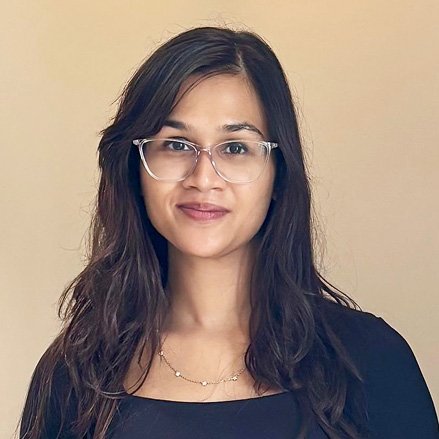

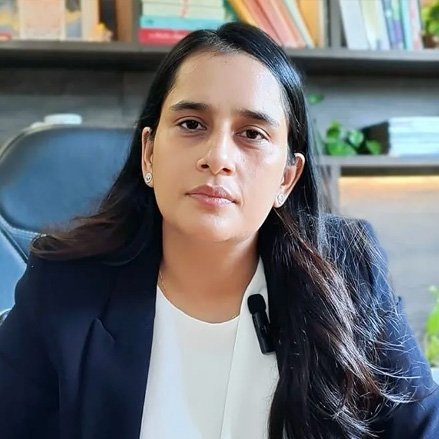
Dr. Sneha Sharma
Consultant Psychiatrist | De-Addiction Specialist
MBBS, MD (Psychiatry)
VIEW PROFILEDr. Sneha Sharma
Consultant Psychiatrist | De-Addiction Specialist
MBBS, MD (Psychiatry)
Experience: 14+ Years
TALK TO US
info@anvayahealthcare.com
+91-9810659825
Just like the Gym is for your body, Therapy is for your Mind
Dr. Sneha Sharma
Psychiatrist, Anvaya Healthcare
Get compassionate, evidence-based autism therapy in Kolkata at Anvaya Healthcare. Our personalised care focuses on communication, social interaction, behaviour, sensory needs, and practical skills, with parents involved throughout the process. Assessment and therapy plans are tailored to each child and adjusted as development changes.
📅 Book Consultation
Children arrive at things in their own time, and no two take the same route. For some the difference is not pace at all. It shows in how a child talks, turns towards others, and takes in the world. Autism Spectrum Disorder affects exactly those areas, and recognising it early changes what the years ahead hold.
Autism is a spectrum, wearing a different face in every child. One speaks in full sentences yet finds the unwritten rules of conversation baffling; another does not speak and communicates by other means. Some flinch from noise, brightness, or a fabric; others seek exactly that input. The thread running through is a different way of handling social communication and sensory experience โ not something broken to erase, but a difference that, understood and supported, lets a child grow, connect, and do well on terms that fit.
The Indian picture is larger than most families assume. The INCLEN Trust study in PLOS Medicine put autism at roughly 1 in 100 Indian children under 10, with nearly 1 in 8 carrying at least one neurodevelopmental condition โ about 1 in 125 among two- to six-year-olds and 1 in 89 between six and nine. Diagnosis, though, routinely lands years after help would have counted most.
That lag is the problem, because nothing shapes autism outcomes more than starting early. The young brain is at its most adaptable in the first years, and work begun then on communication, social understanding, and behaviour lays foundations that carry a child forward. Months genuinely matter inside that window.
Bengali households prize schooling and cultural training above almost everything โ the recitation practice, the drawing class, the annual function where every child performs. So when a toddler is slow to speak, families are reassured rather than alarmed: he will talk when ready, a dadu did the same and turned out fine, and the child hears Bangla at home and English at school, so of course he is muddled. Kindly meant, that counsel costs the months that matter. Kolkata families have also long had to reach a few developmental specialists clustered in pockets of the city, some travelling from Howrah, Barrackpore, or districts further out, with a child distressed by the journey itself. Therapy from home removes that obstacle.
Research from the INCLEN Trust study suggests that approximately 1 in 100 Indian children under 10 are affected by Autism Spectrum Disorder (ASD). The study also found neurodevelopmental conditions in a significant proportion of children.
Autism can affect communication, social interaction, behaviour, and sensory processing in different ways. Some children may speak fluently, while others communicate without speech, making individualized support important.
The early years are an important period for developing communication, social, behavioural, and everyday skills. Recognising concerns early can help families access appropriate support when it can be most useful.
Assess developmental and behavioural concerns, identify co-occurring conditions where relevant, and help shape a personalised treatment plan with the family.
Provide structured behavioural, social, communication, parent-training, and emotional-regulation support, with coordination across the wider care team when needed.
No babbling in infancy, no words by the expected age, words once used and since lost, or speech running to repeated phrases and echoed replies
Rarely turning when called, little interest in sharing a moment, no pointing at what caught their eye, or a sense the child is elsewhere
Flapping, rocking, or movements repeated endlessly, objects in careful lines, or real distress when routine changes
Reacting far too much or too little to noise, light, texture, or taste, such as hands over the ears at a horn outside or refusing certain clothes
Eye contact that is brief or rare, or hard to hold alongside gesture and speech together
An absorbing, narrow fixation on certain subjects or objects, crowding out much else
Social smiling, gesturing, pretend play, and early back-and-forth may arrive late or not at all compared with same-age children
Where several signs appear together, an early developmental assessment is worth arranging so the family can understand what support may help.
Autism is a neurodevelopmental condition with a complex range of contributing factors. Support focuses on understanding the child's developmental profile rather than looking for a single cause.
Autism reflects differences in how the brain develops and processes social communication, behaviour, and sensory information.
Genetic and familial factors can contribute to autism, although no single factor explains every child's presentation.
Differences in communication, social engagement, play, and sensory responses may become noticeable during the early developmental years.
Children may also have ADHD, anxiety, learning difficulties, language differences, or other developmental concerns that need to be considered alongside autism.
Busy settings, changes in routine, noise, textures, and other sensory demands can make everyday functioning harder for some autistic children.
Autism presents differently in every child, so assessment needs to consider the child's strengths, communication style, behaviour, sensory needs, and daily functioning together.
Everything starts with the parents. Pregnancy and birth, early milestones, when something first seemed different, how the child plays, and how they make themselves understood form the bedrock of the assessment.
Structured observation looks at communication, social interaction, play, and behaviour at the child's developmental level, supported by screening approaches validated for the Indian population.
The team maps what the child does well alongside what they find hard across communication, social skills, and daily functioning, while considering concerns such as ADHD, anxiety, or learning difficulties.
The assessment feeds into a plan shaped around the child and the family's priorities, with multidisciplinary coordination and adjustments as the child grows. In-person assessment at Delhi NCR centres can be considered when closer evaluation is warranted.
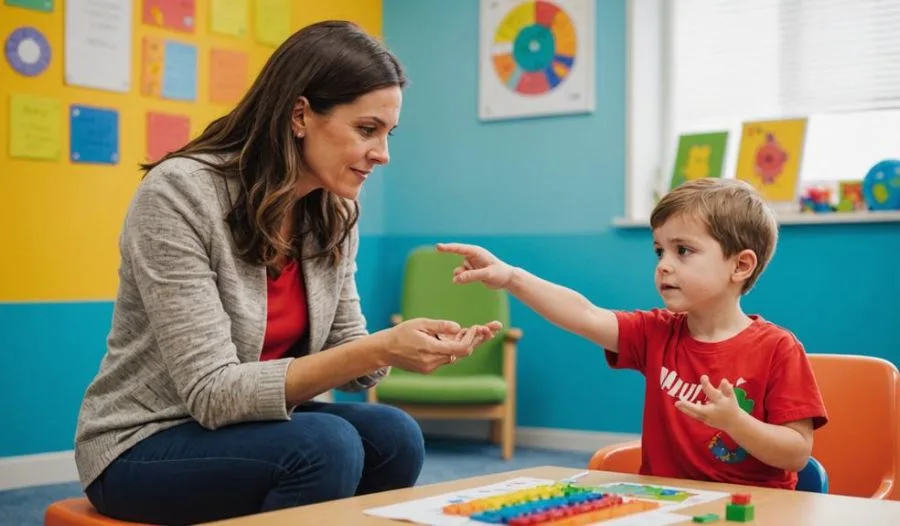
Structured, evidence-based work building communication, social, and daily-living skills while easing behaviours that block learning and participation. Parent-delivered strategies can extend the work into everyday life.
Support for social reading, interaction, communication, and give-and-take that autistic children may find difficult, paced and adapted to the child.
Parents learn specific techniques for supporting communication, handling behaviour, and encouraging development across the ordinary day, extending the reach of therapy beyond sessions.
Practical guidance on building communication, with coordination with speech-language specialists when dedicated speech therapy is needed.
When sensory needs or motor and self-care skills call for occupational therapy, the care team coordinates with OT specialists so this becomes part of one overall plan.
Support for recognising and managing large emotions, sensory overwhelm, and difficult moments for both child and family.
All relevant interventions are brought into one plan shaped around the child, reviewed and adjusted as development and family priorities change.
Consultant Psychiatrist | De-Addiction Specialist
MBBS, MD (Psychiatry)
VIEW PROFILEConsultant Psychiatrist | De-Addiction Specialist
MBBS, MD (Psychiatry)
Experience: 14+ Years
TALK TO US
Clinical Psychologist
PsyD, RCI (Psychology)
Experience: 3+ Years
TALK TO US
Clinical Psychologist
M.A & M.Phil (Clinical Psychology)
Experience: 3+ Years
TALK TO US
Consultation Psychiatrist
MBBS, MD (Psychiatry)
Experience: 6+ Years
TALK TO US
Consultant Psychiatrist
MBBS, MD (Psychiatry)
Experience: 15+ Years
TALK TO US
Psychiatrist
MBBS, DNB (Psychiatry)
Experience: 8+ Years
TALK TO US
Clinical Psychologist
MA & M.Phil (Clinical Psychology)
Experience: 3+ Years
TALK TO US
Clinical Psychologist
MA & M.Phil (Clinical Psychology)
Experience: 7+ Years
TALK TO US
Clinical Psychologist
MA (Clinical Psychology), RCI Registered
Experience: 5+ Years
TALK TO US
Clinical Psychologist
M.Phil. | MA | PG Diploma in Counselling & Family Therapy (LHMC)
VIEW PROFILEClinical Psychologist
M.Phil. | MA | PG Diploma in Counselling & Family Therapy (LHMC)
Experience: 3+ Years
TALK TO US
Psychiatrist & De-Addiction Specialist
MBBS | DPM (Psychiatry) | DNB (Neuropsychiatry)
VIEW PROFILEPsychiatrist & De-Addiction Specialist
MBBS | DPM (Psychiatry) | DNB (Neuropsychiatry)
Experience: 8+ Years
TALK TO US
Clinical Psychologist
M.Phil. Clinical Psychology (IHBAS)
Experience: 2+ Years
TALK TO US
An autistic child is often more settled in a familiar room, allowing the therapist to observe the child in a setting that feels natural and comfortable.
For a child distressed by new places, crowds, noise, or long journeys, reducing travel can spare significant distress for the child and family.
Appointments can fit around school hours, existing therapy timetables, tuition, and working parents, including suitable evening or weekend slots.
Families can consult experienced child and mental health specialists without being limited by where a particular developmental practitioner is located.
Consulting from home places parents at the centre of sessions, supporting the parent-mediated strategies that are an important part of autism intervention.
If the family moves away from Kolkata or spends periods elsewhere, the same treatment plan and clinical team can continue supporting the child where appropriate.
Autism care only works when it is genuinely multidisciplinary, and the team is built on that basis: child psychiatrists and psychologists working in step, coordinating with speech and occupational therapy specialists as needed, so a child’s care hangs together instead of scattering across providers who never speak. Our specialists trained at India’s leading institutions, including AIIMS, NIMHANS, IHBAS, Lady Hardinge Medical College, and VIMHANS, and hold RCI or MCI/NMC registration.
Nothing here is generic. Autism presents differently in every child, and a plan suiting one may be wrong for the next, so the assessment builds the full picture first and the plan follows, revisited as the child grows.
What we use is evidence-based, a guardrail that matters in autism care. Few conditions attract as much misinformation, and parents under strain are exactly who it targets. Special diets, supplements, and costly programmes promising to recover a child from autism circulate widely. Part of our job is helping families tell evidence from confidence.
There is a second pressure Bengali families know well. Admission interviews begin at three, the annual function expects every child on stage, and relatives compare children openly. A parent may chase a quick fix simply to spare a child that scrutiny. Steady, evidence-led work serves them better.
Weighing the alternatives, government child development services do essential work but may involve long queues and infrequent sessions โ difficult in autism, where early support matters. Consultations start from โน1,500 per session, with pricing varying by the specialist’s experience and seniority. Physical centres in Delhi NCR are available for in-person sessions where they are appropriate.
Autism care often requires coordination across developmental, behavioural, psychological, speech, and occupational needs. Our team brings relevant specialists together around the child's care plan.
Autism presents differently in every child. Treatment is shaped around the child's communication, social, behavioural, sensory, and developmental profile and the family's priorities.
Families receive evidence-led guidance and support in separating established interventions from unsupported programmes, diets, or supplements marketed as cures.
Psychiatric and psychological care can be coordinated with speech and occupational therapy specialists when those services are needed.
Families in Kolkata and elsewhere in India can access consultations and ongoing support, with in-person Delhi NCR assessment available when closer evaluation is warranted.
For much of what autism intervention involves, including parent training, behaviour strategies, social skills work, and review, structured support can be useful. Some hands-on assessments are better face to face, and the Anvaya Healthcare team will advise when an in-person evaluation is more appropriate.
The earlier the better when developmental concerns are present. Autism can often be identified between eighteen months and two years, and early support can take advantage of the brain’s developmental adaptability. A later start is not wasted โ support can be worthwhile at any age.
There is no single number. Intensity and duration depend on the child’s needs and age, and the plan is revisited over time. Many families continue regular sessions while the focus changes as the child develops.
Yes. Parent participation is an important part of autism intervention. Much of the work involves equipping parents with strategies they can use throughout the day, making their involvement central rather than optional.
Yes. Families in Kolkata can contact Anvaya Healthcare to arrange an initial assessment and discuss which specialist and approach would suit the child. In-person assessment at Delhi NCR centres can be considered when closer evaluation is warranted.
Chats continue on WhatsApp. Please avoid sharing clinical details here.