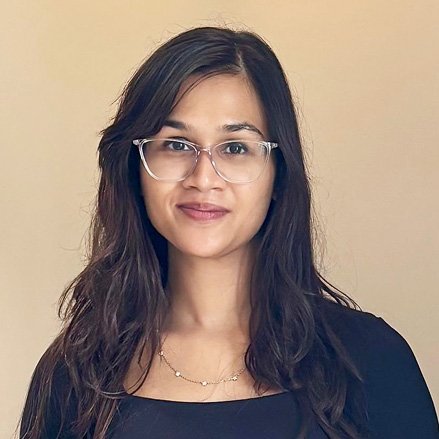


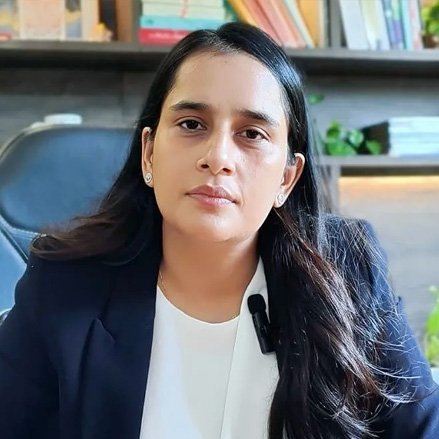
Dr. Sneha Sharma
Consultant Psychiatrist | De-Addiction Specialist
MBBS, MD (Psychiatry)
VIEW PROFILEDr. Sneha Sharma
Consultant Psychiatrist | De-Addiction Specialist
MBBS, MD (Psychiatry)
Experience: 14+ Years
TALK TO US
info@anvayahealthcare.com
+91-9810659825
Just like the Gym is for your body, Therapy is for your Mind
Dr. Sneha Sharma
Psychiatrist, Anvaya Healthcare
Get specialist eating disorder treatment, therapy, and counselling in Mumbai from AIIMS, NIMHANS, and IHBAS-trained psychiatrists and psychologists. Confidential, evidence-based care through secure online consultations, with coordinated psychiatric, psychological, and nutritional support tailored to your recovery.
📅 Book Consultation
Eating disorders are among the most misunderstood mental health conditions. They are often seen as a lifestyle choice, a phase, or simply being fussy about food, when in reality they are serious psychiatric illnesses with real physical and emotional consequences. They are also treatable, and the earlier they are addressed, the better the outcome. Recovery is genuinely possible, and it happens for people every day with the right support.
An eating disorder is a mental health condition in which a person’s relationship with food, eating, and often their own body becomes deeply distressing and difficult to control. It isn’t fundamentally about food or vanity — food and eating become the way a person copes with painful emotions, a sense of lost control, or profound distress about their body. That’s why treatment has to address what’s underneath, not just eating itself. Eating disorders affect people of all genders, ages, body types, and backgrounds, which is one reason they’re so often missed — they don’t always look the way people expect.
There are several recognised types. Anorexia nervosa involves severe restriction and an intense fear around weight and body shape. Bulimia nervosa involves cycles of loss of control around eating followed by compensatory behaviours. Binge eating disorder involves recurrent episodes of eating that feel beyond a person’s control, accompanied by distress. ARFID involves avoiding or restricting food for reasons unrelated to body image, such as sensory difficulties or a lack of interest in eating. And many people have serious disordered eating that doesn’t fit neatly into one category but is no less real or distressing. All of these are treatable, and none of them is a matter of willpower or something a person can simply decide to stop.
Early intervention matters enormously, because eating disorders tend to become more entrenched and harder to treat the longer they continue. In India, disordered eating is increasingly common, particularly among urban adolescents and young women — a Mumbai study of 2,000 adolescents found high rates of binge eating behaviour, and research in other Indian cities has found around one in ten adolescents at high risk. Social media pressure and academic and social stress are recognised drivers, and in a fast-paced, image-conscious city these pressures are intense.
Specialist treatment brings confidential support within reach for people across Mumbai without the barrier of repeated clinic visits. For a condition wrapped in secrecy and shame, where many people never seek help at all, being able to reach out privately from home can be what finally makes treatment feel possible.
Research across Indian cities has found roughly one in ten adolescents at high risk of disordered eating, with urban students among the most affected.
A Mumbai study of 2,000 adolescents found high rates of binge eating behaviour, indicating disordered eating is far more common in the city than reported treatment numbers suggest.
Eating disorders are frequently hidden for long periods before treatment begins. Shame and secrecy delay help-seeking, and outcomes improve substantially when treatment starts earlier.
Psychiatrists (MBBS, MD Psychiatry) assess the severity of an eating disorder, identify any physical health concerns that need medical attention, and manage co-occurring conditions such as depression, anxiety, and OCD, which are common alongside eating disorders. Because eating disorders carry genuine physical risk, psychiatric oversight is an important part of treatment rather than an optional addition. Where medication supports recovery, particularly for co-occurring conditions, it is prescribed and monitored as part of a broader plan.
Clinical psychologists (M.Phil. + RCI registered) deliver the structured therapy that sits at the centre of eating disorder recovery. Enhanced CBT (CBT-E) is a leading evidence-based treatment for adults and older adolescents, and family-based approaches are particularly effective for younger patients. Therapy addresses what drives the eating disorder rather than eating behaviour alone, which is why psychological treatment is essential rather than supplementary.
Rigid rules around food, secrecy about eating, skipping meals, or eating in ways that feel out of control
Noticeable changes in weight, in either direction, over a relatively short period
Intense anxiety about weight or body shape that dominates thinking and drives eating behaviour
Recurrent episodes of eating that feel compulsive and beyond the person's control, often followed by shame
Limiting the amount or range of food eaten, avoiding whole categories of food, or persistent dieting that goes beyond healthy eating
A distorted or highly critical view of one's own body, with self-worth heavily tied to weight or shape
Fatigue, dizziness, changes in menstruation, withdrawal from social eating, mood changes, anxiety, and preoccupation with food. If several of these are present, particularly alongside distress or secrecy around eating, it is worth seeking a professional assessment rather than waiting
Sustained exposure to appearance-focused content is a recognised driver of disordered eating, particularly among adolescents and young adults. In an image-conscious city like Mumbai, where appearance carries social and often professional weight, this pressure is constant rather than occasional.
Competitive academic environments and high parental expectations produce a pattern where control over eating becomes a way of managing pressure that feels uncontrollable elsewhere. This is a common route into disordered eating among Indian students and one that is rarely recognised early.
A tendency toward perfectionism and rigid self-standards is one of the most consistently identified vulnerabilities in eating disorders. The same traits that are rewarded academically and professionally can, under strain, turn inward.
Comments about weight and appearance within families and social circles, however casually intended, are a recognised risk factor. In many Indian households food carries strong emotional and social meaning, which can make difficulties around eating harder to recognise and harder to discuss.
Eating disorders run in families, and both genetic and biological factors contribute to susceptibility. A family history of an eating disorder or of other mental health conditions meaningfully increases risk.
Difficult life experiences, significant transitions, and existing anxiety or depression all increase vulnerability. Eating disorders frequently develop alongside other mental health conditions rather than in isolation, which is why assessment looks at the whole picture.
Contact our team to arrange an initial consultation. Everything is confidential from the first point of contact, which matters for a condition many people have never spoken about before.
A careful evaluation of the eating difficulties, their history, physical wellbeing, and any co-occurring conditions, conducted sensitively and without judgment. This covers both the medical picture and the emotions and circumstances underneath the eating disorder.
A plan built around the individual, the type and severity of their eating disorder, their physical health, and their circumstances. Where dedicated nutritional support is needed, we coordinate with appropriate specialists so it forms part of a joined-up plan rather than something you have to arrange separately.
Evidence-based therapy delivered through regular online sessions, with consistent follow-up to support recovery and adjust the approach as you progress.
A form of CBT developed specifically for eating disorders, addressing the core difficulties that cut across the different types. A leading evidence-based treatment for adults and older adolescents, and the approach most often recommended where it fits the person's presentation.
Helps a person understand and change the thoughts and behaviours that maintain the eating disorder, building practical tools that continue to work long after treatment ends.
Particularly effective for children and adolescents, involving the family as a central part of recovery and equipping them to support it at home rather than leaving the young person to manage alone. Family members can join online sessions from wherever they are.
Broader therapeutic work addressing the emotions, experiences, and difficulties underlying the eating disorder, and rebuilding a healthier sense of self and relationship with food.
Medical assessment and oversight, important given the physical and psychiatric aspects of eating disorders. Where there is co-occurring depression or anxiety, medication may support recovery as part of a broader plan, always discussed openly rather than assumed.
Building the understanding and strategies to maintain recovery and recognise early warning signs, so progress holds over the long term and setbacks can be caught early rather than after they have taken hold.
Consultant Psychiatrist | De-Addiction Specialist
MBBS, MD (Psychiatry)
VIEW PROFILEConsultant Psychiatrist | De-Addiction Specialist
MBBS, MD (Psychiatry)
Experience: 14+ Years
TALK TO US
Clinical Psychologist
PsyD, RCI (Psychology)
Experience: 3+ Years
TALK TO US
Clinical Psychologist
M.A & M.Phil (Clinical Psychology)
Experience: 3+ Years
TALK TO US
Psychiatrist
MBBS, MD (Psychiatry)
Experience: 6+ Years
TALK TO US
Consultant Psychiatrist
MBBS, MD (Psychiatry)
Experience: 15+ Years
TALK TO US
Psychiatrist
MBBS, DNB (Psychiatry)
Experience: 8+ Years
TALK TO US
Clinical Psychologist
MA & M.Phil (Clinical Psychology)
Experience: 3+ Years
TALK TO US
Clinical Psychologist
MA & M.Phil (Clinical Psychology)
Experience: 7+ Years
TALK TO US
Clinical Psychologist
MA (Clinical Psychology), RCI Registered
Experience: 5+ Years
TALK TO US
Clinical Psychologist
M.Phil. | MA | PG Diploma in Counselling & Family Therapy
VIEW PROFILEClinical Psychologist
M.Phil. | MA | PG Diploma in Counselling & Family Therapy
Experience: 3+ Years
TALK TO US
Psychiatrist & De-Addiction Specialist
MBBS | DPM (Psychiatry) | DNB (Neuropsychiatry)
VIEW PROFILEPsychiatrist & De-Addiction Specialist
MBBS | DPM (Psychiatry) | DNB (Neuropsychiatry)
Experience: 8+ Years
TALK TO US
Clinical Psychologist
M.Phil (Clinical Psychology)
Experience: 15+ Years
TALK TO US
Counselling Psychologist
M.A. Clinical Psychology | PG Diploma in Guidance & Counselling (PGDGC)
VIEW PROFILECounselling Psychologist
M.A. Clinical Psychology | PG Diploma in Guidance & Counselling (PGDGC)
Experience: 3+ Years
TALK TO US
Eating disorders carry deep shame and secrecy, and being able to seek help privately from home removes a significant barrier that stops many people from ever reaching out
Complete confidentiality from the first contact, which matters enormously for a condition people often hide even from those closest to them, particularly in Mumbai's closely connected social circles
Sessions fitted around school, work, and commitments, at times that suit Mumbai's demanding schedules, including evenings and weekends
Mumbai residents can consult specialists in eating disorders trained at India's leading institutions without those specialists being physically based in the city
The psychological, psychiatric, and nutritional strands of treatment stay coordinated and delivered consistently rather than scattered across separate providers
Removing the commute makes consistent attendance sustainable through what is usually a longer course of treatment
Package plans can help lower the cost per session and offer better value for treatment that typically runs over several months. Explore our transparent pricing for eating disorder therapy in Mumbai and ask about available packages before booking individual sessions.
Eating disorders are complex conditions that sit at the meeting point of the psychological, the physical, and the emotional, and treating them well requires genuine expertise. Our psychiatrists, psychologists, and therapists are trained at India’s leading institutions, including AIIMS, NIMHANS, IHBAS, Lady Hardinge Medical College, and VIMHANS, and hold RCI or MCI/NMC registration as required.
The multidisciplinary approach matters more in eating disorders than almost anywhere else. These conditions need psychological therapy, psychiatric oversight, and often nutritional and medical input working together — and having psychiatrists and psychologists on the same team, coordinating with nutritional support, means recovery is managed as a whole rather than in disconnected pieces that leave the person to hold it all together themselves.
Every care plan at Anvaya Healthcare is personalised rather than following a single template. Care is confidential and compassionate — people with eating disorders often carry intense shame and have hidden their difficulties for a long time, and we approach the work with warmth and without judgment, focused on recovery rather than blame.
For Mumbai residents comparing options, government mental health services are important but typically carry long waiting times and limited session frequency — constraints that make the sustained, coordinated work eating disorder recovery requires difficult to deliver. In a city where the pressures that feed disordered eating are ever-present, consistent access to the same team over time makes a real difference to whether recovery takes hold and lasts.
Consultations start from ₹1,500 per session, with pricing varying by the individual specialist’s experience and seniority. In-person care at our Dwarka, Vasant Vihar, and Gurugram centres is available where clinically needed.
Eating disorders sit at the meeting point of the psychological, physical, and emotional. Treating them well requires genuine specialist training, not general mental health experience alone.
The multidisciplinary approach matters more in eating disorders than almost anywhere else. Having psychiatrists and psychologists on the same team, coordinating with nutritional support, means recovery is managed as a whole rather than in disconnected pieces.
People with eating disorders often hide their difficulties for years, including from those closest to them. In Mumbai's closely connected social circles, consulting privately from home removes a barrier that stops many people from ever reaching out.
Treatment is built around the individual — the type of eating disorder, physical health, family context, and stage of recovery. Not a standard programme applied to everyone who books.
Where physical health needs close medical monitoring, in-person or higher-level care is the right recommendation. We will always say so clearly rather than continuing online when it is not clinically safe.
If your relationship with food or your body is causing you distress, taking up significant mental space, or affecting your health and daily life, that’s reason enough to seek an assessment. You don’t need to be at a crisis point, and you don’t need to be sure it’s serious enough — an assessment can help you understand what’s happening and whether support would help.
Yes, for many people. Therapy, psychiatric care, and follow-up all work well online, and research supports remote delivery of eating disorder treatment. Where a person’s physical health needs close medical monitoring, in-person or higher-level care may be recommended, and the Anvaya Healthcare team will always advise clearly where that applies rather than continuing online when it isn’t safe.
Recovery is a process rather than a quick fix, and the timeline varies with the type and severity of the eating disorder. Many people engage in therapy over several months, sometimes longer, with the intensity easing as recovery progresses. Consistent support over time is what makes lasting recovery possible.
Yes — and for children and adolescents especially, family involvement is often central to recovery. Family-based approaches equip parents and loved ones to support recovery at home, and family members can join online sessions from wherever they are, which is helpful when family is spread across Mumbai or beyond.
Yes — eating disorder treatment is available for people anywhere in India, including all of Mumbai and the wider MMR. Contact us to book an initial assessment, and the team will match you with the right specialist for your situation.
Chats continue on WhatsApp. Please avoid sharing clinical details here.