
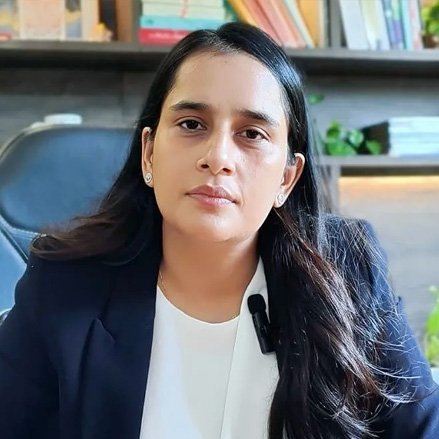
Just like the Gym is for your body, Therapy is for your Mind
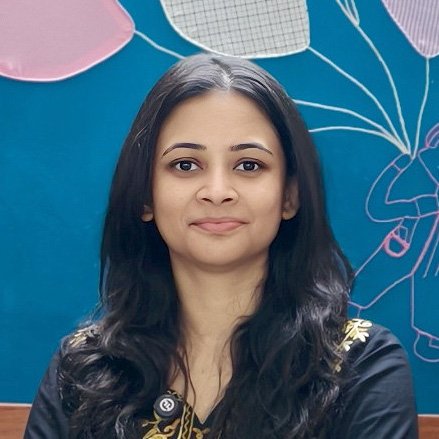
Dr. Sneha Sharma
Psychiatrist, Anvaya Healthcare
Psychiatrists, Clinical Psychologists & Counselling Psychologists trained at leading institutions such as AIIMS, LHMC & NIMHANS. Evidence-based autism therapy and counselling delivered online across India — confidential, structured, and accessible from home.
Patients Helped
Specialists
Online Access
Satisfaction Rate
Autism spectrum disorder includes people who are non-verbal and need significant daily support, and people who are highly articulate and academically strong but struggle in ways nobody around them can quite name. The spectrum is genuinely wide.
What the research is consistent about: early intervention works. One in eight Indian children aged two to nine has a neurodevelopmental disorder. Autism affects an estimated 2.5 million children in India. The gap between those numbers and the availability of trained clinicians is enormous — most autism specialists are in a small number of metro cities, and families in smaller cities often wait years for an assessment.
Online autism therapy through Anvaya Healthcare doesn’t solve every part of that gap. But it puts qualified child psychologists and psychiatrists within reach of families who currently have no realistic path to them.
Autism affects every child differently, from children needing daily support to those who are academically strong but face social and emotional challenges.
Research shows early intervention helps improve communication, behaviour, learning, and social development in children with autism.
Millions of children in India are affected by autism, but access to trained specialists is still limited in many cities.
Anvaya Healthcare provides online access to experienced child psychologists and psychiatrists for autism support from home.
A child/clinical psychologist (M.Phil. + RCI registration) leads the psychological and behavioural intervention. Behavioural therapy, applied behaviour analysis principles, social skills training, parent training — these are the psychologist’s domain. Cognitive and developmental assessment is also part of the clinical psychologist’s role. For most autism presentations, the psychologist is the primary treating professional.
A psychiatrist (MBBS + MD in Psychiatry) is essential when formal diagnosis is needed, when co-occurring conditions — anxiety, ADHD, OCD, sleep disorders — require medication management, or when a child’s presentation is complex enough to need a full psychiatric evaluation. Having psychiatry and psychology within the same clinical setting means that coordination happens without the family managing it across separate providers.
Speech and language therapy, and occupational therapy, are often part of a comprehensive autism support plan — but these fall outside the clinical team. Where indicated, referral to qualified external practitioners will be arranged.
The signs of autism don’t look the same at every age, or in every child. That’s part of why diagnosis is delayed — the picture keeps shifting. Delayed or absent speech: not saying single words by 12 months, not combining words by 24 months. Or language that developed and then regressed. Regression warrants urgent assessment.
Social interaction difficulties beyond shyness. Not making eye contact, not responding to their name, not pointing to share interest. Playing alone in a very specific way, rather than alongside or with other children. Repetitive behaviours and rigid routines: lining things up, distress when routines are disrupted, repetitive motor movements — hand flapping, rocking, spinning. Sensory sensitivities: strong reactions to sounds, textures, lights that others don’t notice. Or the opposite — seeking intense sensory input, crashing into things, needing pressure. Developmental delays that don’t fit a clear pattern. The parent usually knows something is different before anyone else does.
Children may speak very late, use very few words, or stop using language they had previously learned. Difficulty combining words or communicating needs can also be a sign.
A child may avoid eye contact, not respond to their name, prefer playing alone, or struggle to interact and share interests with others.
Some children repeat certain actions like hand flapping, rocking, or lining up objects and may become upset when routines change.
Children may react strongly to sounds, lights, textures, or touch, while some may seek extra sensory stimulation like pressure or movement.
A child may show delays in learning, communication, behaviour, or daily activities that do not follow typical developmental patterns.
Book a session at Anvaya Healthcare by phone or online. For autism, the starting point is almost always a comprehensive developmental assessment. What comes before that is a parent consultation: the clinician needs the developmental history before seeing the child. That history covers pregnancy and birth, early motor milestones, language development, social development, what nursery or school has reported, and what the parents themselves have observed and when. It’s detailed, and it takes time. What looks like ADHD at first presentation sometimes looks very different after a thorough developmental history.
The assessment session itself varies by age. Toddlers and young children are typically observed during structured and unstructured play. Older children participate in more direct assessment tasks. Parents are present and consulted throughout. From there, a diagnosis where one is indicated, and a treatment plan. Behavioural therapy sessions begin with specific, measurable targets. Parent training runs alongside — in autism specifically, what parents do between sessions has an outsized effect on outcomes. Progress tracking is concrete: developmental milestones, behavioural targets, skill acquisition. Structured follow-ups are built into the process.
Book an online consultation or call us. Our child psychologists and psychiatrists will guide you toward the right autism therapy and counselling support based on your child’s needs. Early intervention and therapy are often the first steps for developmental and behavioural concerns.
The first autism therapy and counselling session focuses on understanding the child’s behaviour, communication, developmental challenges, and family concerns while setting personalised therapy goals for improvement.
If needed, a child psychologist or psychiatrist may assess behavioural, emotional, or developmental challenges and recommend additional support as part of autism therapy and counselling.
Autism therapy and counselling focus on improving communication, social interaction, emotional regulation, and daily living skills through structured therapeutic techniques, guided activities, and continuous progress tracking.
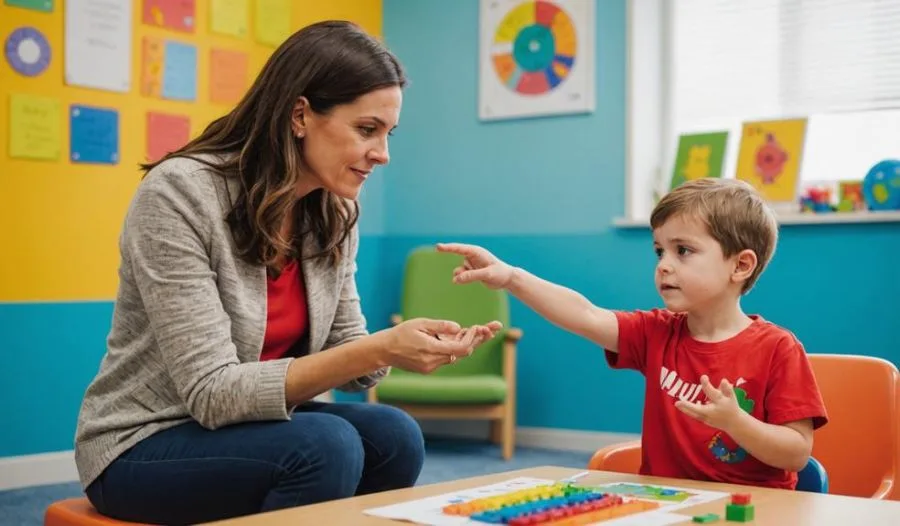
Applied Behaviour Analysis — ABA — is one of the most researched autism interventions. It focuses on improving communication, social skills, adaptive behaviour, and reducing behaviours that interfere with learning through structured reinforcement techniques.
Behavioural therapy addresses specific challenges affecting daily life, such as rigidity around routines, difficulty handling change, aggression, self-injurious behaviour, or avoidance patterns.
Social skills training helps children to learn social behaviours that many neurotypical children pick up naturally, including reading facial expressions, initiating conversation, turn-taking, and understanding social clue.
Speech and language therapy supports communication development, from alternative communication methods for non-verbal children to improving pragmatic and social language skills in verbal children.
Occupational therapy supports sensory processing, independence, and daily living skills, helping children manage everyday activities more comfortably and confidently.
Consultant Psychiatrist | Co-Founder
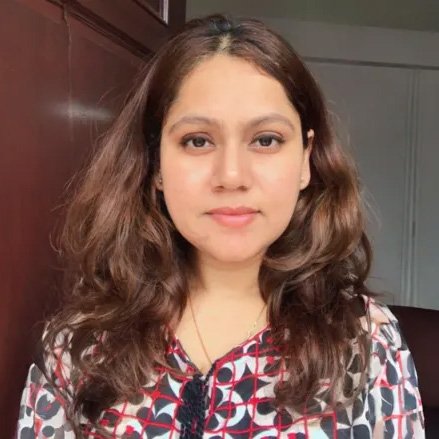
Psychiatrist
Psychiatrist & Addiction Specialist
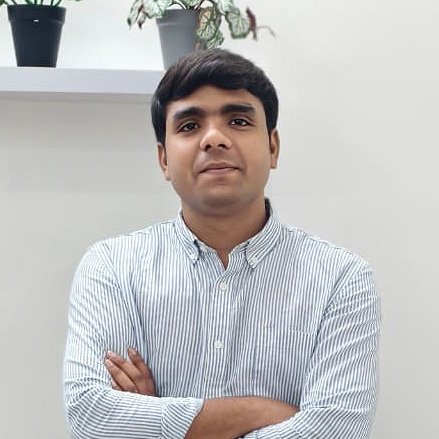
Psychiatrist
Consultant Psychiatrist
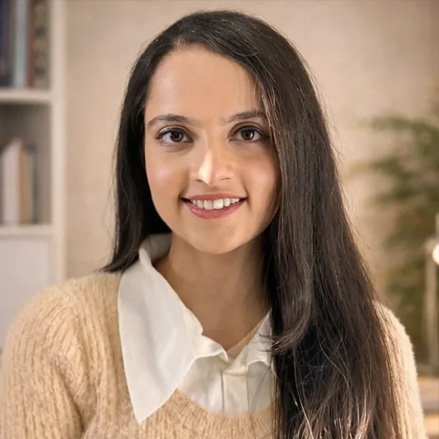
Clinical Psychologist
Loading booking form…
Home is the real environment. Not a clinic. For autism specifically, this matters more than it does for most presentations — the child’s behaviour, regulation, and learning capacity in a clinic setting often looks very different from how they function at home. Assessment and therapy from home gives the clinician real information.
Transitions are hard for many autistic children. Getting to a clinic appointment — travel, new environment, waiting room, strangers — is itself a significant challenge before the session even starts. Online removes all of that.
Flexible scheduling fits around the reality that families with autistic children are managing a lot. Affordable compared to specialist in-person assessment and therapy. Accessible across India through Anvaya Healthcare, which matters acutely for autism — specialist services are so concentrated in a few cities that most families outside those cities have no access at all.
Parental support is continuous, not just session-based. The strategies taught between sessions are where the real gains happen.
Affordable, transparent pricing. The Mental Healthcare Act 2017 mandates insurance parity for mental health — check your policy’s OPD clause.
₹1,500 – ₹3,000 per session
₹1,500 – ₹2,500 per session
Autism assessment and therapy requires clinical experience specific to neurodevelopmental presentations. Not all child psychologists have it. Not all psychiatrists do either. The clinical team at Anvaya Healthcare trained at AIIMS, NIMHANS, IHBAS, Lady Hardinge Medical College, and VIMHANS — institutions where neurodevelopmental conditions are a core part of clinical training, not a peripheral topic.
The approach is personalised. A minimally verbal three-year-old and a highly verbal twelve-year-old with autism are in completely different clinical situations. What they need from assessment, from therapy, and from parent training looks nothing alike. The plan is built around the actual child. Confidential. Easy to book. Pan India accessible.
For online autism therapy in India, the therapist’s experience and clinical understanding matter, as autism-focused interventions require personalised strategies and consistent support over time.
Support is designed around each autistic individual — their needs, behaviours, family environment, and developmental goals. Never a one-size-fits-all approach.
Consult from home. Online autism therapy offers a comfortable, private, and supportive way to access expert care.
When both autism therapy and medical support work together, outcomes are significantly better. At Anvaya, that coordination truly happens — both are available within the same clinical setting.
A family in Kanpur, Bhopal, or any smaller city gets the same quality of psychiatric expertise as someone in South Delhi. That's the whole point.
Video your child before the first session. Not edited — just actual footage of your child playing, eating, interacting, having a difficult moment. Clinicians assess autism from behaviour, and home footage gives more useful information than any checklist. Write out the developmental history before the session. A timeline if that’s easier: when first words appeared, when walking started, what nursery said, when things started feeling different.
Have the school’s observations ready. What teachers have noticed — and when they started noticing it — is clinical information. Distraction-free but familiar. The child’s usual space, usual objects nearby. Don’t try to create a clinical setting at home. The naturalness is the point. Consistency matters more for autistic children than most. Same routine, same time of day, same setup between sessions — this reduces the transition challenge and supports what’s being learned.
Yes, for behavioural therapy, parent training, social skills work, and psychiatric assessment and management. Some elements of assessment are better done in person — particularly for very young children or complex presentations. The clinician will advise on this at the initial consultation.
At Anvaya Healthcare, parent training is built into every autism therapy plan. Parents are involved in assessment, in session, and in implementing strategies at home. The child can't do this alone — and neither can the therapist.
Assessment sessions typically run 60 to 90 minutes — sometimes longer for comprehensive developmental assessments. Ongoing therapy sessions run 45 to 60 minutes. Parent training sessions are typically 45 to 50 minutes.
Yes, therapy is confidential. Your information is kept private and secure.
ABA has the strongest evidence base. Behavioural therapy, social skills training, and parent training are core components. Speech and language therapy, and occupational therapy, are arranged through external referral where indicated.
Through Anvaya Healthcare's website or by calling any of the three branches — Dwarka, Vasant Vihar, or Gurugram. Online and in-clinic options are both available.
Second floor, Plot No 28,
Sector-12A Rd, Block A,
Sector 12 Dwarka
Call Now: +91-9810659825
Ground Floor, Plot No. - E-7/5, Block E,
Vasant Vihar, South Delhi
Call Now: +91-9650277301
1 in every 5 individuals
suffers from some form of mental health illness