

Just like the Gym is for your body, Therapy is for your Mind
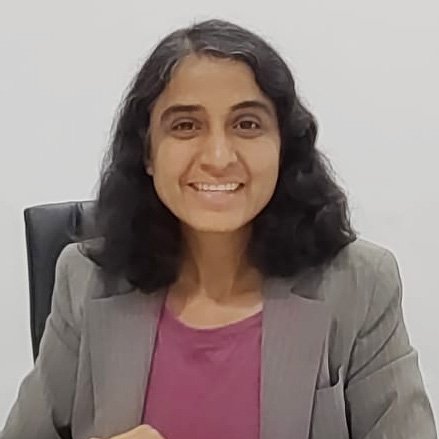
Dr. Sneha Sharma
Psychiatrist, Anvaya Healthcare
AIIMS, LHMC & NIMHANS-trained psychiatrists & psychologists. Evidence-based care from the comfort of your home — pan India, confidential, and covered by insurance.
Patients Helped
Specialists
Online Access
Satisfaction Rate
Psychotherapy used to feel inaccessible to most Indians. Expensive, geographically limited, and tangled up in stigma. You had to know where to look, afford what you found, and then actually get yourself through the door. Most people didn’t.
That’s shifting. India’s online mental health market reached USD 133.47 million in 2024 and is projected to grow at a CAGR of 13.40% through 2033 (IMARC Group). Psychotherapy — defined as treating emotional difficulties through structured psychological means — now accounts for 42.38% of India’s mental health treatment segment. And a growing share of it is happening online.
The reason isn’t just convenience. It’s that for millions of people across India, online is the only realistic option. Mental health professionals remain heavily concentrated in a handful of cities. Digital access levels that playing field.
About of Indians with mental health conditions receive no professional care (NMHS)
Around of Indians with mental health issues never receive treatment (NMHS Report)
Psychologists can legally provide online therapy and counselling in India under the Telemedicine Practice Guidelines 2020
Convenience is one the biggest benefits. But it isn’t the whole story. Privacy is a bigger deal in India than most platforms acknowledge. Sitting in a therapist’s waiting room — where someone you know might walk in — still stops a lot of people. Consulting from home removes that entirely. Flexible scheduling changes who can actually access therapy. Evening slots, weekend availability, sessions squeezed between work and family — none of this is standard with traditional setups. Online removes those constraints.
Affordability is real. Online sessions are typically cheaper than in-clinic equivalents because overhead is lower. And for patients outside the major metros — where qualified therapists are scarce and travel costs add up — the savings are even more significant. Reduced stigma in seeking help is a documented outcome. One step removed from a physical clinic makes it easier to take the first step. Around 47% of Indian professionals cite workplace stress as a major mental health factor (Astute Analytica), yet most never seek help. Online formats lower the activation energy required to start.
The process is quite structured. At Anvaya Healthcare, you choose a therapist based on your specific concern — anxiety, relationship difficulties, trauma, burnout — and book through the platform. Verified profiles and clear specialisations make the matching process straightforward. The first session covers initial assessment and goal setting. What’s actually going on, how long it’s been going on etc. The therapist tries to build a picture before anything else. Sessions happen via video, audio, or chat — whichever format you’re most comfortable with. From there, a structured therapy plan is built around your situation. This is followed by regular follow-ups and monitoring of the progress of the treatment.
Book online or call us. Our team helps you decide —psychiatrist or psychologist first. For psychotherapy, the right starting point depends on your needs.
A thorough psychotherapy assessment — not a quick form. A conversation exploring your history, symptoms, personal context, and current functioning.
Diagnosis per DSM-5 / ICD-11 criteria. Medication introduced carefully with explanation. Legal prescription via online consultation.
Psychoeducation, CBTp, and regular follow-ups layered in as you stabilise. Long-term care — not a one-off consultation.
Not all therapy is the same, and the type matters more than most.
is the most widely researched and commonly used approach. It focuses on identifying and restructuring thought patterns that drive anxiety, depression, or problematic behaviour. It’s particularly effective for anxiety disorders, OCD, and low mood.
goes deeper into patterns formed in earlier life. It’s less structured than CBT and better suited to people dealing with persistent relational difficulties or long-standing emotional struggles that don’t have an obvious trigger.
including person-centred and gestalt approaches — focuses on the present experience and building self-awareness. Useful for people who feel disconnected from themselves or stuck in patterns they can see but can’t shift.
draws from multiple approaches. Many experienced therapists don’t rigidly follow one model — they use what the client actually needs. Anvaya Healthcare’s therapists work this way, building customised therapy plans rather than applying a fixed framework.
Anxiety and depression are the most common presentations, and for good reason — 1 in 8 people globally is living with one or the other (WHO). In India, the burden is substantial and largely undertreated. But the conditions treated through psychotherapy go well beyond those two. Trauma and PTSD respond well to online formats — often better, because the home environment feels safer for revisiting difficult material. Relationship and emotional challenges — communication breakdown, codependency, separation, grief — are bread-and-butter territory for experienced psychotherapists. Personality concerns and behavioural patterns — things like perfectionism, avoidance, difficulty with anger or boundaries — are longer-term work but very much within the scope of online therapy. Anvaya Healthcare’s clinical team covers this full range, with therapists who have specific training across these areas rather than generalised backgrounds.
Common mental health conditions involving persistent worry, fear, low mood, or loss of interest that affect daily functioning and overall well-being.
Emotional distress after difficult or life-threatening experiences, often causing flashbacks, avoidance, or heightened stress responses.
Difficulties in personal connections, including communication problems, dependency patterns, separation struggles, and coping with grief or loss.
Long-standing habits like perfectionism, avoidance, anger issues, or weak boundaries that impact relationships and decision-making over time.
For most common outpatient concerns — anxiety, depression, stress, relationship issues — online psychotherapy produces comparable outcomes to in-person sessions. Research consistently supports this. The WHO estimates that remote healthcare could meet up to 80% of mental health needs in low- and middle-income countries over the next decade. India is one of them.
Where in-person has a genuine edge: initial assessments for complex or severe presentations, and situations where the therapist needs to observe body language and physical presentation in detail. For those cases, starting in-clinic and moving online for ongoing sessions is a sensible hybrid approach.
Comfort and privacy factors often tip the balance. Many people open up more at home. The cost difference is consistent — online is cheaper, with no travel cost added. Accessibility advantages are straightforward: a patient in a smaller town accesses the same therapist as someone in South Delhi.
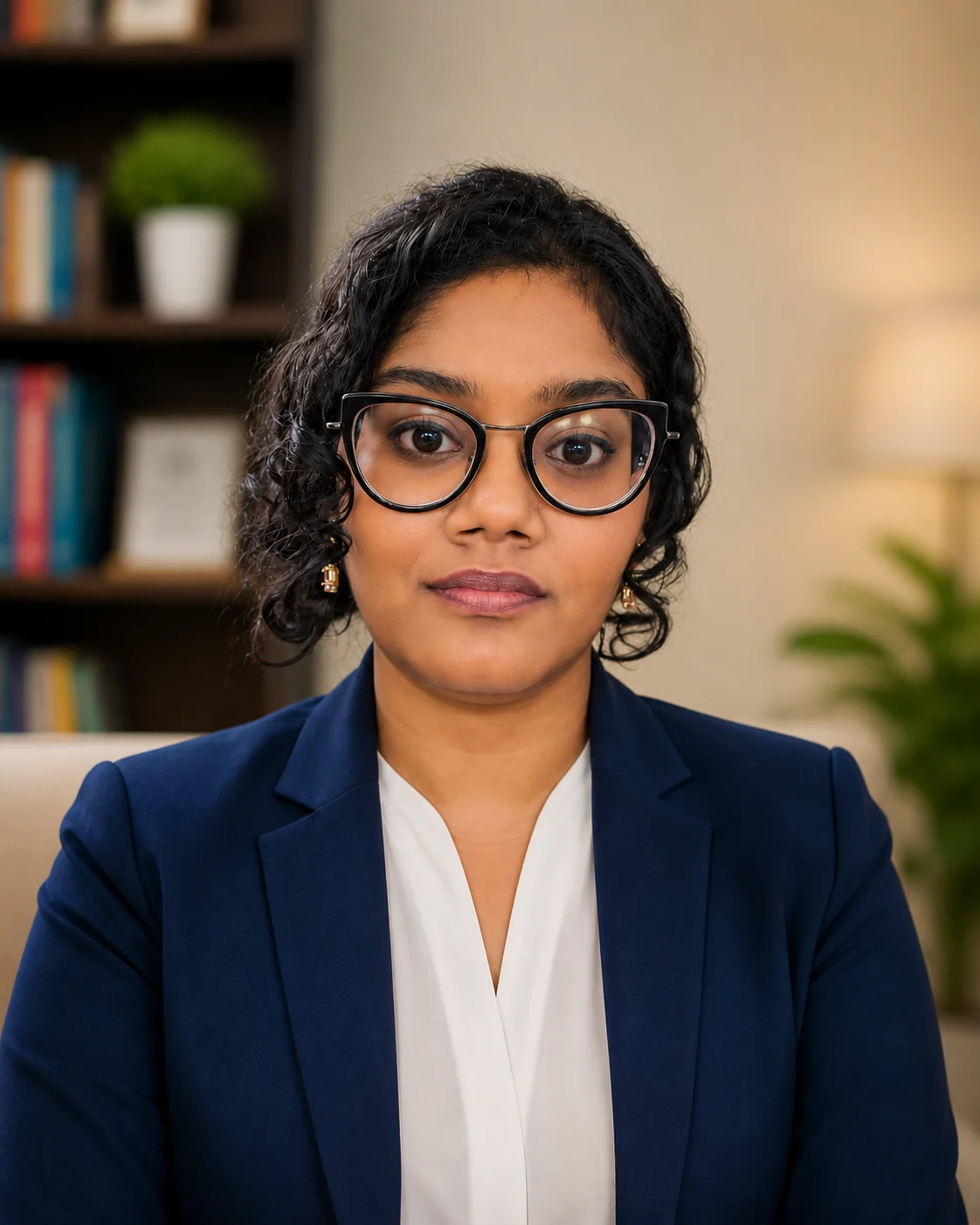
Clinical Psychologist
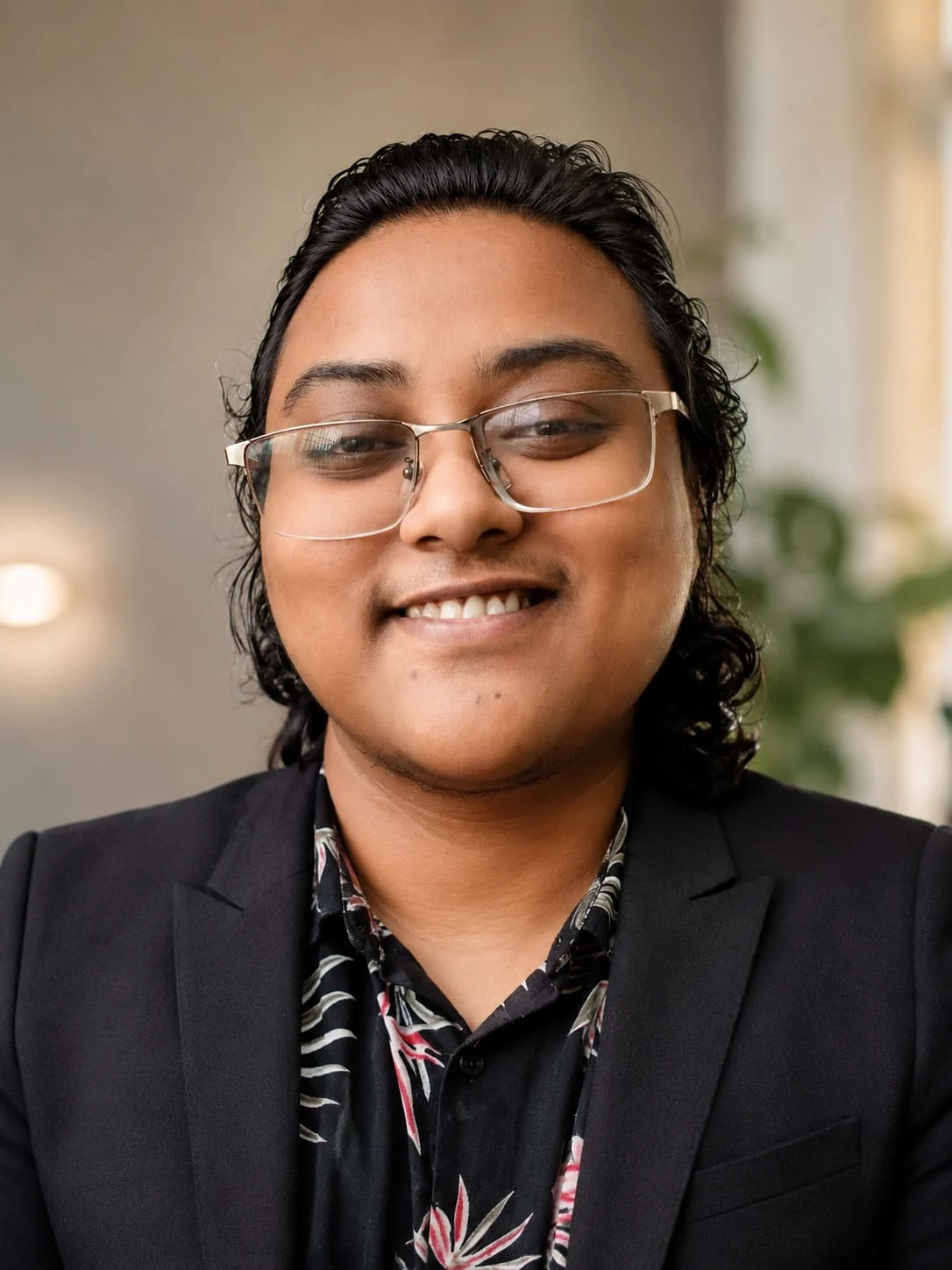
Counselling Psychologist
Counselling Psychologist & Behavioral Therapist
Loading booking form…
Affordable, transparent pricing. The Mental Healthcare Act 2017 mandates insurance parity for mental health — check your policy’s OPD clause.
₹1500 – ₹8000 per session
The clinical team at Anvaya Healthcare trained at institutions including AIIMS, NIMHANS, IHBAS, Lady Hardinge Medical College, and VIMHANS.
Every session is confidential. Booking is simple. The therapists aren’t generalists who treat everything with the same approach — specialisations are real, and therapy plans are genuinely personalised to the individual.
Pan India availability means patients anywhere in the country access the same standard of care as those near the Delhi NCR clinics in Dwarka, Vasant Vihar, and Gurugram. The process from first contact to ongoing support is designed to be uncomplicated.
For psychotherapy, where medication management over years requires careful clinical judgement, training depth matters in ways that are hard to overstate.
Treatment is built around the individual — history, symptoms, family context, and goals for recovery. Not a standard protocol applied to everyone.
The stigma around mental health in India can be deeply challenging. Psychotherapy offers a private, safe space—where confidentiality isn’t just a feature, it’s essential for effective care.
When psychotherapy and medical care work together, outcomes improve significantly. At Anvaya, this integration happens seamlessly within the same clinical setting.
A family in Kanpur, Bhopal, or any smaller city gets the same quality of psychiatric expertise as someone in South Delhi. That's the whole point.
Before the first session, identify what you actually want to work on. Not a vague “I want to feel better” — something more specific. What situation keeps repeating? What emotion keeps showing up? That clarity helps the therapist get to useful work faster. Track your emotions and triggers for a few days beforehand if you can. When does things feel worst? What sets it off? Having that information ready shortens the assessment phase significantly.
Bring your personal history — previous therapy, medications, significant life events, family background. Not everything has to come out in session one, but having it ready is useful. Set up a private space. Somewhere you can speak honestly without watching what you say. Good internet is non-negotiable. Earphones help with audio clarity and add a layer of privacy. Join a few minutes early to sort out any technical issues rather than spending the first ten minutes of a session troubleshooting. Most importantly: be honest. A lot of people present a slightly edited version of themselves even to therapists. It slows things down. The therapist isn’t judging you — they’re working with you.
Yes, for most conditions. Research consistently shows comparable outcomes to in-person therapy for anxiety, depression, relationship issues, and stress-related concerns. The medium matters less than the quality of the therapist and your consistency.
Match the therapist's specialisation to your concern. Check qualifications — clinical psychologists should hold an M.Phil. and RCI registration. Anvaya Healthcare publishes verified credentials for every therapist on its team.
Depends on the condition. Short-term CBT for a specific anxiety issue might run 8 to 12 sessions. Longer-term work — trauma, personality concerns, OCD — takes more. Your therapist should give you a realistic estimate within the first two sessions.
Yes. Qualified therapists are bound by professional ethical guidelines. Sessions at regulated platforms are private and your data is not shared without consent.
Anxiety, depression, stress, burnout, trauma, PTSD, relationship difficulties, grief, OCD, personality concerns, anger management, and behavioural patterns — among others.
Generally, more affordable than in-person sessions. Sessions start around ₹1500. Package plans reduce costs further. Some employer wellness programmes cover therapy — worth checking before assuming you're self-funding entirely.
Second floor, Plot No 28,
Sector-12A Rd, Block A,
Sector 12 Dwarka
Call Now: +91-9810659825
Ground Floor, Plot No. - E-7/5, Block E,
Vasant Vihar, South Delhi
Call Now: +91-9650277301
1 in every 5 individuals
suffers from some form of mental health illness