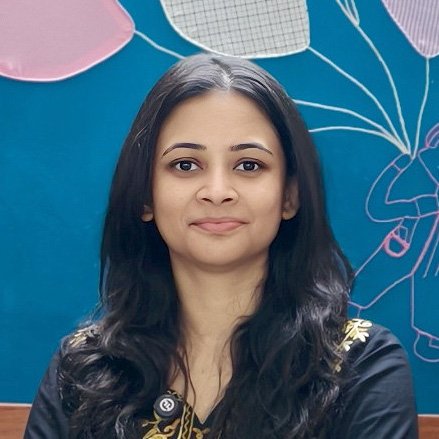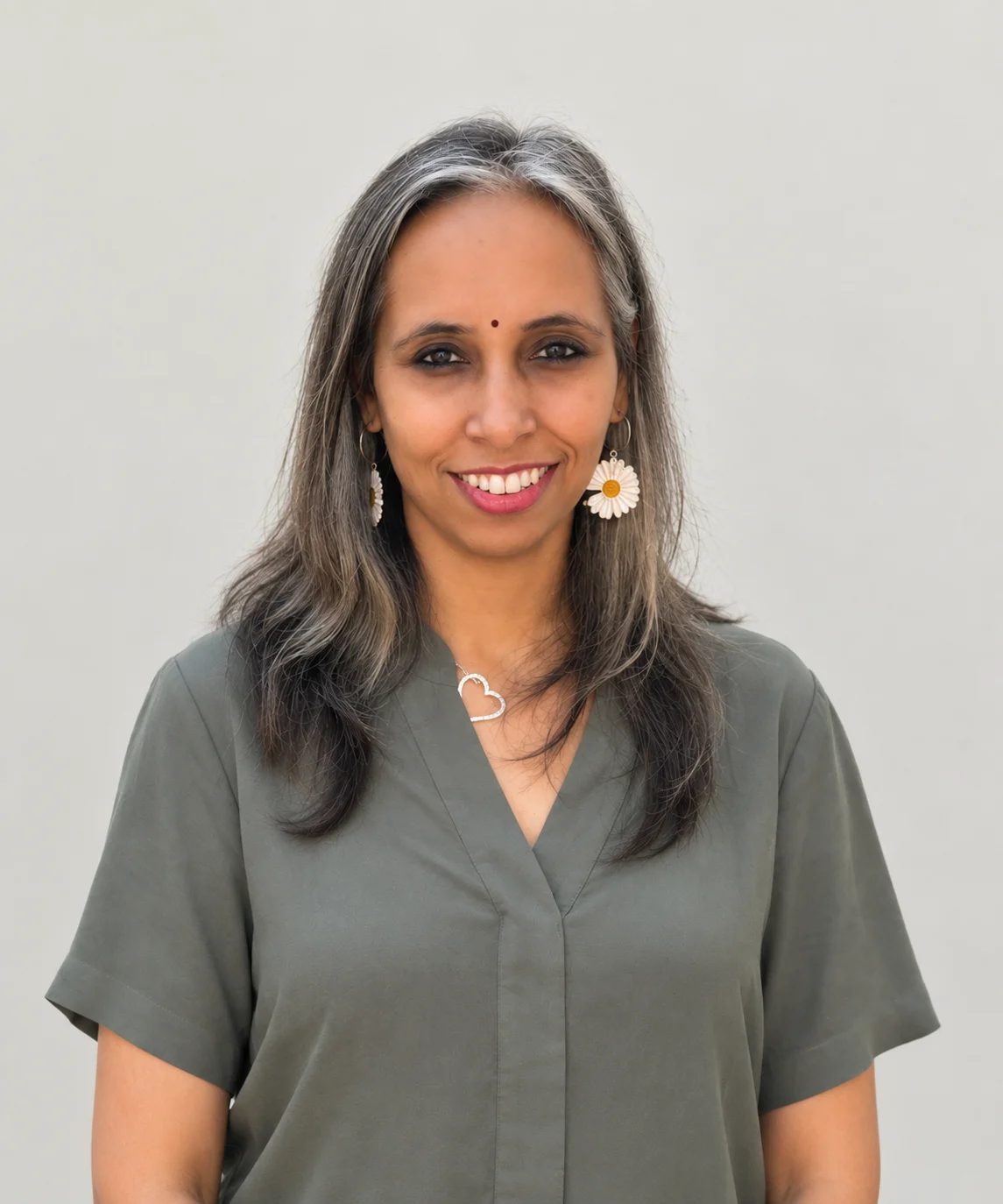

Dr. Sneha Sharma
Consultant Psychiatrist | De-Addiction Specialist
MBBS, MD (Psychiatry)
Dr. Sneha Sharma
Consultant Psychiatrist | De-Addiction Specialist
MBBS, MD (Psychiatry)
Experience: 14+ Years
Just like the Gym is for your body, Therapy is for your Mind
Dr. Sneha Sharma
Psychiatrist, Anvaya Healthcare
Our team of psychiatrists and psychologists, trained at premier institutions including AIIMS, LHMC, and NIMHANS, provides evidence-based Child Sleep Disorders Treatment in India. Children and families across the country can access personalized care, confidential consultations, and expert support from the comfort of their homes to improve sleep patterns, emotional well-being, and overall quality of life.
Patients Helped
Specialists
Online Access
Satisfaction Rate
Sleep is not a luxury for a growing child it is when the brain stores memories, the body repairs itself, and emotional balance resets for the next day. When sleep is consistently disrupted, everything that depends on it starts to unravel: mood, focus, behaviour, learning, and immunity.
Most parents assume their child’s sleep problems refusing bedtime, waking up repeatedly, looking exhausted all day are just habits that will sort themselves out. Sometimes they do. But when these patterns persist for weeks, they often point to something that won’t fix itself without support.
The numbers from India make this difficult to ignore. A large study of school-going children in Delhi found that nearly half close to 47.5% showed some form of sleep disorder. Insomnia appeared in 17.3% of children, bedtime resistance in more than 1 in 4, and night terrors in around 6%. A separate school-based study found close to 1 in 10 children aged 5 to 10 had obstructive sleep apnea, and that this directly impacted their academic performance.
Sleep problems can start as early as the toddler years. While they look different at different ages, the impact on daily life tends to be similar: a child who can’t sleep properly can’t function properly at school, at home, or with friends.
Regular trouble falling asleep, frequent night waking, or ongoing bedtime resistance may indicate an underlying sleep concern.
Research from Delhi found that nearly 47.5% of school-going children showed signs of a sleep disorder. Sleep issues are far more common than many parents realize.
Around 17.3% of children experience insomnia, while more than 1 in 4 children show bedtime resistance. Ongoing difficulties falling or staying asleep can affect daily functioning and wellbeing.
Persistent snoring, mouth breathing, or interrupted breathing during sleep can indicate obstructive sleep apnea, a condition linked to learning and school performance difficulties.
Sleep disorders in children don’t always look like sleep problems on the surface. Sometimes the sleep issue shows up during the day:
Taking 30–45 minutes or longer to fall asleep regularly, even when clearly tired, may indicate an underlying sleep concern.
Waking repeatedly through the night and needing a parent to help settle back to sleep can disrupt healthy sleep patterns.
Persistent tiredness, irritability, or low energy during the day despite adequate time in bed may signal poor-quality sleep.
Difficulty focusing, declining school performance, or increased forgetfulness can sometimes be linked to ongoing sleep problems.
Loud snoring, mouth breathing, or pauses in breathing during sleep may be signs of obstructive sleep apnea.
Frequent morning headaches or difficulty waking up and becoming alert may indicate disrupted or insufficient sleep.
Not all sleep issues are the same, and treating them effectively starts with understanding what’s actually happening:
when a child genuinely struggles to fall asleep or stay asleep, night after night, without an obvious reason like illness or a sudden change in routine
Refusing to go to bed, needing a parent to stay in the room until they fall asleep, fear of the dark or of being alone that goes well beyond what’s typical for their age
Episodes of intense screaming, crying, or apparent terror that happen while the child is still asleep and has no memory of it the next morning; different from nightmares, and often more alarming for parents than for the child
Going to bed and waking at very different times across the week, sometimes linked to excessive screen use or an irregular household schedule
Sleep problems in children rarely have a single cause. Several things often come together:
A child worrying about school, exams, friendships, or something happening at home may lie awake without being able to explain why. Anxiety is one of the most common drivers of childhood insomnia in India, particularly during exam seasons.
Light from phones, tablets, and televisions in the hour before sleep disrupts melatonin production and keeps the brain alert. This is now one of the most consistent findings in Indian pediatric sleep research.
Enlarged tonsils or adenoids causing sleep apnea, ADHD, autism spectrum conditions, and other developmental differences can all significantly affect how a child sleeps. These are often missed, or misread as "behaviour problems."
Irregular bedtimes, sleeping in different places, falling asleep with the TV on, or needing milk or a feed to sleep past the age when that's typical these habits create dependency patterns that are hard to undo without guidance.
Loud or cramped sleeping environments, family stress, irregular household routines, and parental anxiety about a child's sleep can all contribute to or maintain sleep problems.
A family history of sleep disorders, including insomnia, sleep apnea, or restless sleep, may increase a child's risk of experiencing similar sleep difficulties.
It starts with a detailed clinical sleep assessment not just “how many hours does your child sleep” but a full picture of what happens from the moment bedtime starts to when the child finally wakes up. We speak with parents first. When did this start? Has it changed over time? What’s already been tried? What does a typical evening look like in your home?
The child is then interviewed separately, at an age-appropriate level. Younger children often can’t describe their sleep experience in words, but the way they respond to questions about bedtime, dark spaces, and waking up alone tells us a great deal. Sleep pattern evaluation includes looking at the timing, duration, quality, and consistency of sleep across the week not just on school nights.
Behavioural and emotional screening is standard, because anxiety, low mood, and ADHD so often sit underneath sleep problems in children. Missing these means treating the surface without touching the cause. Care is available at the Dwarka, Vasant Vihar, and Gurugram centres, with online consultations for families preferring to start remotely.
Treatment is built around what’s actually causing the sleep problem which is why the assessment matters so much first. Every plan is personalised. A 5-year-old with night terrors needs a very different approach from a 13-year-old with insomnia driven by exam anxiety.
Practical, structured changes to bedtime routines, the sleep environment, screen habits, and daytime activity patterns. These are often more powerful than they sound, especially when done consistently.
Working on the specific habits or patterns maintaining the problem, whether that's parental responses to night waking, bedtime resistance rituals, or sleep associations that don't work without a parent present.
Adapted for younger age groups, this works on the thoughts and anxieties driving sleeplessness, helping children develop a calmer, less anxious relationship with bedtime.
Parents are often central to both the problem and the solution. This part of treatment focuses on how families can respond to sleep issues in ways that actually help long-term, rather than creating new dependencies.
Where sleep apnea, a developmental condition, or another medical factor is contributing, we coordinate with appropriate medical professionals.
A lot of the work in improving a child’s sleep happens at home, between sessions:
You can book a consultation by phone or online. At Anvaya Healthcare, our team helps parents understand the best next steps if they’re unsure where to begin. For children with sleep concerns, the process usually starts with a detailed clinical assessment to identify the underlying cause, evaluate sleep patterns, and create a personalized treatment plan that supports the child’s development.
The initial assessment explores your child's sleep patterns, daytime behaviour, emotional wellbeing, and any factors that may be affecting progress. A thorough evaluation, including parent and child interviews, helps ensure the right support from the start.
The initial assessment explores your child's speech, language, communication abilities, developmental history, and any factors that may be affecting progress. A thorough evaluation helps ensure the right support from the start.
Assessment helps identify the underlying cause of sleep disruption and guide treatment. When appropriate, medical support such as coordination for sleep apnea or developmental conditions may be recommended alongside therapy.
Follow-up sessions monitor progress in sleep quality, behaviour, and daily functioning, allowing treatment goals to be adjusted as the child develops. Regular reviews help catch small regressions before they become bigger problems again.
Consultant Psychiatrist | De-Addiction Specialist
MBBS, MD (Psychiatry)
Consultant Psychiatrist | De-Addiction Specialist
MBBS, MD (Psychiatry)
Experience: 14+ Years
Psychiatrist
MBBS, MD (Psychiatry)
Experience: 6+ Years
Psychiatrist & Addiction Specialist
MBBS | DPM (Psychiatry) | DNB (Neuropsychiatry)
Psychiatrist & Addiction Specialist
MBBS | DPM (Psychiatry) | DNB (Neuropsychiatry)
Experience: 8+ Years
Psychiatrist
MBBS, DNB (Psychiatry)
Experience: 8+ Years
Consultant Psychiatrist
MBBS, MD (Psychiatry)
Experience: 15+ Years
Child Psychologist
M.A (Psychology)
Experience: 9+ Years
TALK TO US
Clinical Psychologist
M.A & M.Phil (Clinical Psychology)
Experience: 3+ Years
Clinical Psychologist
MA & M.Phil (Clinical Psychology)
Experience: 3+ Years
Clinical Psychologist
MA (Clinical Psychology), RCI Registered
Clinical Psychologist
MA (Clinical Psychology), RCI Registered
Experience: 5+ Years
Clinical Psychologist
M.Phil. | MA | PG Diploma in Counselling & Family Therapy
Clinical Psychologist
M.Phil. | MA | PG Diploma in Counselling & Family Therapy
Experience: 3+ Years
Loading booking form…
Our team at Anvaya Healthcare specialises in child mental health specifically sleep problems in children have psychological, behavioural, and sometimes medical dimensions, and addressing all of them requires a team that understands each one. Care is personalised and evidence-based. A template sleep plan rarely works for a child whose insomnia is rooted in exam anxiety, or whose night terrors are linked to something stressful happening at home. We build the plan around the child, not the other way around.
Confidential and compassionate support for both the child and the family. Parents often carry a lot of guilt around sleep problems, and that’s the last thing that helps. We work with families without judgment. Online and in-person consultations are both available, with centres in Dwarka, Vasant Vihar, and Gurugram. Ongoing follow-up is part of how we work sleep problems have a habit of returning when routines slip, and we stay involved to prevent that.
Children with sleep disorders need accurate assessment and targeted intervention. Our specialists use evidence-based approaches tailored to each child's sleep challenges, developmental needs, and family circumstances.
Treatment is built around the individual — history, symptoms, family context, and goals for recovery. Not a standard protocol applied to everyone.
Consult from home. Child sleep disturbance can be stressful for both children and parents. Accessing expert support from home makes it easier to seek timely care in a familiar and comfortable environment.
When both work in coordination, outcomes are substantially better. At Anvaya, that coordination actually happens — both are within the same clinical setting.
A family in Kanpur, Bhopal, or any smaller city gets the same quality of psychiatric expertise as someone in South Delhi. That's the whole point.
Maintaining healthy sleep routines is an ongoing commitment, not a one-time fix. The routine that works well in January can start slipping in March when exam pressure picks up and knowing that in advance is half the battle. Recognising early warning signs means knowing what this particular child’s sleep problem looks like when it starts creeping back: is it the bedtime resistance that returns first? The early morning waking? The complaints of tiredness even after a full night?
Insomnia, bedtime resistance, night terrors, sleepwalking, and sleep apnea. A Delhi study found nearly half of school-going children showed some form of sleep issue.
If sleep problems have lasted more than a few weeks, are affecting behaviour, mood, or school performance, or if the child seems distressed around bedtime — that's the right time to get an assessment.
Yes, significantly. Indian studies have directly linked sleep apnea and chronic sleep disruption to poor academic performance in children.
Behavioural interventions for straightforward insomnia can show results in four to eight weeks. More complex cases take longer, and follow-up continues beyond the main treatment phase.
Yes, Anvaya Healthcare offer online consultation.
Yes, Anvaya Healthcare provide child mental health assessments.
Yes. Many sleep disorders can be managed at home through online consultations, therapy, and personalized treatment plans from qualified specialists.
Yes. All consultations are completely confidential. You consult from the privacy of your home no one at a clinic reception, no waiting rooms. Privacy is treated as a clinical necessity at Anvaya Healthcare.
Second floor, Plot No 28,
Sector-12A Rd, Block A,
Sector 12 Dwarka
Call Now: +91-9810659825
Ground Floor, Plot No. - E-7/5, Block E,
Vasant Vihar, South Delhi
Call Now: +91-9650277301
1 in every 5 individuals
suffers from some form of mental health illness