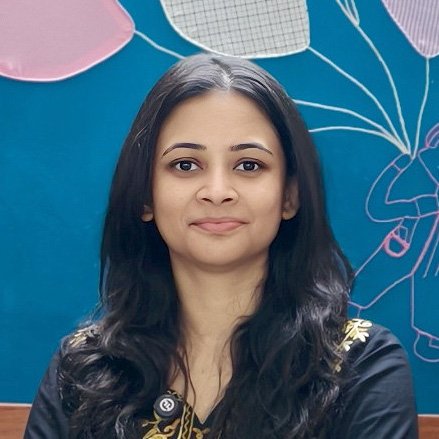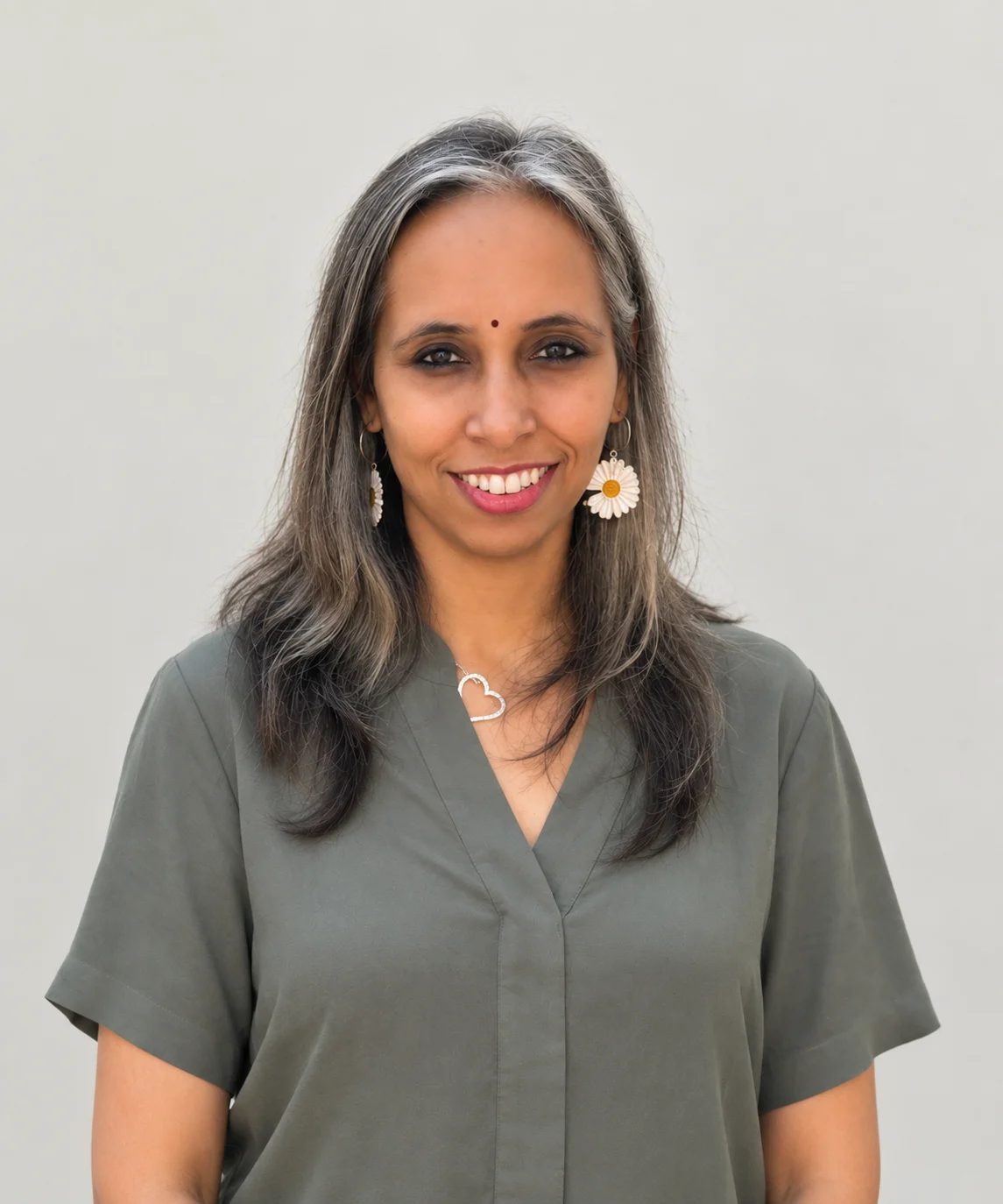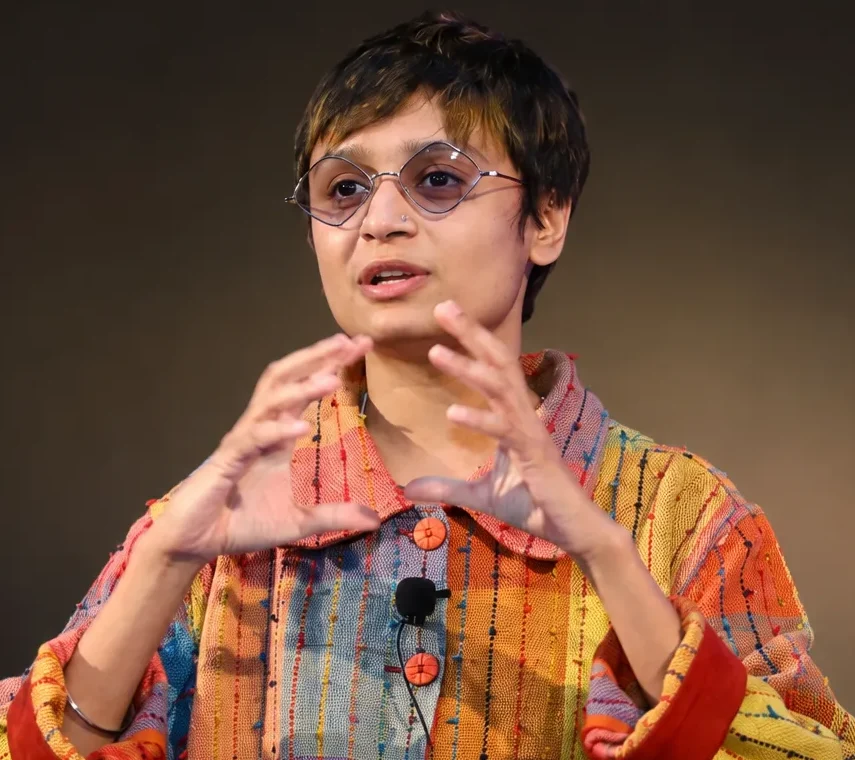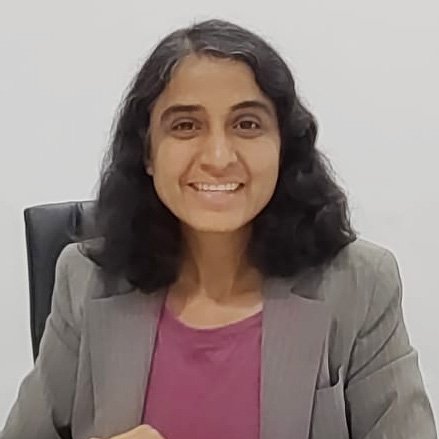


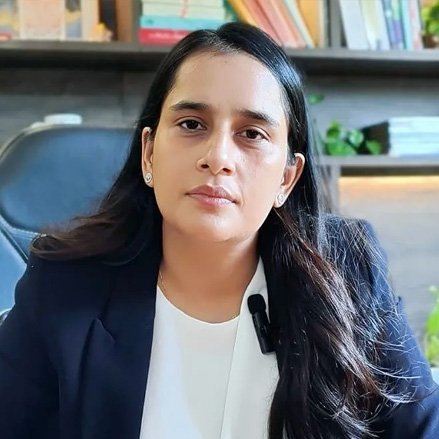
Dr. Sneha Sharma
Consultant Psychiatrist | De-Addiction Specialist
MBBS, MD (Psychiatry)
Dr. Sneha Sharma
Consultant Psychiatrist | De-Addiction Specialist
MBBS, MD (Psychiatry)
Experience: 14+ Years
Just like the Gym is for your body, Therapy is for your Mind
Dr. Sneha Sharma
Psychiatrist, Anvaya Healthcare
Experienced child psychiatrists, psychologists, and nutrition specialists trained at leading institutions such as AIIMS, LHMC, and NIMHANS provide evidence-based eating disorder treatment for kids in India. Families across the country can access confidential, personalized care and support tailored to children’s unique nutritional, emotional, and behavioral needs.
Patients Helped
Specialists
Online Access
Satisfaction Rate
A child eating smaller portions than usual. Skipping breakfast a few times a week. Talking about calories more. None of this looks alarming alone. That’s exactly the problem eating disorder in children rarely announce themselves. They get mistaken for fussy eating or “becoming health-conscious,” and by the time the pattern is unmistakable, it’s often been running for months.
Here’s what the data shows. A recent study of adolescents in Chennai found roughly one in ten screened positive for high eating disorder risk. Younger adolescents the 10 to 15 age group showed slightly higher prevalence than older teens, surprising many parents who assume this starts later. Social media use was strongly linked to body image dissatisfaction, and high stress predicted disordered eating symptoms. Indian tertiary care centres have also recorded a marked rise in eating disorder cases among children and adolescents over the past decade.
The earlier this gets caught, the simpler treatment usually is. Left unaddressed, disordered eating affects a child’s growth, bone development, and emotional health, getting harder to reverse over time.
A recent study in Chennai found that roughly one in ten adolescents screened positive for a high risk of eating disorders, highlighting that these concerns are more common than many parents realize.
Higher social media use was linked to body image dissatisfaction, while elevated stress levels were associated with greater disordered eating symptoms.
Children aged 10–15 showed slightly higher rates of eating disorder risk than older teens, challenging the belief that these problems only emerge later in adolescence.
Weight change is often the first thing a pediatrician flags, though by the time it shows on a growth chart, the pattern has usually been there a while.
Skipping meals. Portions that have quietly shrunk. Entire food groups disappearing. Rules about food that didn't exist six months ago what time, with what, how it's prepared.
Fear of weight gain out of proportion to how the child actually looks. Checking their weight obsessively. Comments about feeling "fat" that don't match reality, or constant comparison to other kids.
Mirror-checking. Asking repeatedly whether they look fat. Visible distress when clothes fit differently even slightly.
Irritability and mood shifts clustering around meal times specifically. A child who's otherwise fine but becomes anxious or withdrawn the moment food enters the picture.
Fatigue, dizziness, thinning hair, cold hands and feet, digestive problems, periods stopped or irregular in girls who'd already started menstruating.
Anorexia nervosa is what most people picture restricting food intake, driven by an intense fear of weight gain and a body image that doesn't match reality, even when visibly underweight. In a child, this might look like skipping meals, eating too-small portions, or rigid food rules from nowhere.
Bulimia nervosa is harder to spot. Episodes of eating large amounts, followed by vomiting, excessive exercise, or fasting. A child with bulimia can eat normally at dinner and no one would suspect anything one of the disorders most likely to go unnoticed.
Binge eating treatment for kids focuses on addressing the emotional and behavioral factors behind eating episodes. Binge eating disorder involves the same loss-of-control episodes as bulimia, followed by guilt and shame, but without the compensatory behaviours.
Avoidant Restrictive Food Intake Disorder is most often missed completely, because it doesn't fit the body image narrative. A child with ARFID might avoid foods based on texture or smell, or eat from an extremely narrow "safe" list, with no concern about weight. For years, this gets labelled "picky eating," sometimes well into adolescence.
Emotional eating or stress eating means using food to manage boredom, sadness, anxiety, or stress rather than hungerNot a diagnosis on its own. But left unaddressed in an anxious child, it can become the foundation for one of the disorders above.
Genetics matter more than most people realise. A family history of eating disorders, anxiety, or depression raises the likelihood significantly though it's not destiny, and plenty of children without that history develop eating disorders too.
One of the most underdiagnosed causes of speech delay in Indian children. A child who can't hear clearly can't learn to speak clearly. Hearing assessment is a standard part of any speech delay evaluation.
Indian research has found a strong link between social media use and body image dissatisfaction, which drives disordered eating risk measurable and India-specific, not a vague "screens are bad" point.
Anxiety, depression, and chronic stress show up alongside eating disorders constantly, and the relationship runs both ways. Sometimes the mental health condition comes first; sometimes the reverse. Often they feed each other.
Bullying and peer comments about weight or body shape can be the spark that turns a vulnerability into an eating disorder, particularly in early adolescence when peer opinion carries enormous weight.
The team at Anvaya Healthcare watches for: a recent significant weight change, family history of eating or mood disorders, perfectionism, activities emphasising body shape, and a noticeable rise in anxiety around food or appearance.
It starts with a full clinical picture eating patterns, weight history, physical health, emotional wellbeing, looked at together rather than as separate boxes. Both the child and parents get interviewed, usually separately at some point. A child, especially an older one, is often far more honest about what’s going on in their head around food and body image when a parent isn’t sitting right there. The medical and psychological evaluation runs in parallel growth charts, vitals, physical symptoms on one side; mood, anxiety, and thought patterns around food and body on the other.
A nutritional assessment looks at what the child is actually eating day to day, compares this to what their body needs, and pinpoints where the gaps are. Screening for other mental health conditions is standard, not optional. Anxiety, depression, and obsessive-compulsive patterns show up alongside eating disorders so often that treating one without the other rarely works. This is part of the standard process at Anvaya Healthcare, available at Dwarka, Vasant Vihar, and Gurugram, with online assessment for families starting remotely.
A space for the child to work through what's driving their relationship with food, without judgment.
Adapted for eating disorders, targets the thought patterns keeping the disorder going. Rigid food rules. Distorted beliefs about body shape versus reality. The work is shifting these toward something more flexible.
Family-based therapy brings parents into treatment directly not as bystanders, but as active participants. A child's eating habits don't exist in isolation from their family, and recovery holds up better when everyone works from the same playbook.
Nutritional counselling and meal planning rebuild a regular, adequate eating pattern, usually with a paediatrician or nutritionist where physical health needs attention.
Medical monitoring comes in when the eating disorder has affected the child physically tracking weight, growth, and symptoms alongside the psychological work.
The unglamorous part: progress happens between sessions, in how consistently the family practises what’s been discussed.
You can book a consultation by phone or online. At Anvaya Healthcare, our team helps parents understand the best next steps if they’re worried about their child’s eating, weight, or relationship with food. The process usually starts with a comprehensive assessment to identify what’s actually going on, followed by a personalized treatment plan built around the child and family.
You can book a consultation by phone or online. The first step is to understand what you've been noticing changes in eating, mood around mealtimes, or concerns about weight — so we can guide you to the right next step.
The initial assessment looks at your child's eating patterns, weight history, physical health, and emotional wellbeing together. Both child and parents are interviewed, often separately, alongside a nutritional assessment and screening for related concerns like anxiety or depression.
Assessment helps identify the specific disorder and what's driving it. Based on this, a personalized plan is built — psychological counselling, CBT, family-based therapy, and nutritional support, with medical monitoring where physical health needs attention.
Follow-up sessions track progress in eating habits, mood, and physical health, allowing the plan to be adjusted as the child progresses. Recovery doesn't end when the intensive phase does regular check-ins continue to catch any early signs of relapse.
Consultant Psychiatrist | De-Addiction Specialist
MBBS, MD (Psychiatry)
Consultant Psychiatrist | De-Addiction Specialist
MBBS, MD (Psychiatry)
Experience: 14+ Years
Psychiatrist
MBBS, MD (Psychiatry)
Experience: 6+ Years
Psychiatrist & Addiction Specialist
MBBS | DPM (Psychiatry) | DNB (Neuropsychiatry)
Psychiatrist & Addiction Specialist
MBBS | DPM (Psychiatry) | DNB (Neuropsychiatry)
Experience: 8+ Years
Psychiatrist
MBBS, DNB (Psychiatry)
Experience: 8+ Years
Consultant Psychiatrist
MBBS, MD (Psychiatry)
Experience: 15+ Years
Child Psychologist
M.A (Psychology)
Experience: 9+ Years
TALK TO US
Clinical Psychologist
M.Phil. | MA | PG Diploma in Counselling & Family Therapy
Clinical Psychologist
M.Phil. | MA | PG Diploma in Counselling & Family Therapy
Experience: 3+ Years
Clinical Psychologist
M.A & M.Phil (Clinical Psychology)
Experience: 3+ Years
Clinical Psychologist
M.Phil (Clinical Psychology)
Experience: 15+ Years
Clinical Psychologist
MA & M.Phil (Clinical Psychology)
Experience: 3+ Years
Clinical Psychologist
MA (Clinical Psychology), RCI Registered
Clinical Psychologist
MA (Clinical Psychology), RCI Registered
Experience: 5+ Years
Clinical Psychologist
M.Phil, RCI Registered
Experience: 5+ Years
Clinical Psychologist
MA & M.Phil (Clinical Psychology)
Experience: 7+ Years
Clinical Psychologist
PsyD, RCI (Psychology)
Experience: 3+ Years
Loading booking form…
Child and adolescent mental health specialists who understand that eating disorders in kids look and need treating differently than in adults. Family dynamics, developmental stage, school context: all of it changes the picture. A multidisciplinary team means psychological, nutritional, and medical care happen together, not in separate silos. For food consumption disorder , where physical and emotional health are tightly linked, that integration matters more than for other conditions.
Every recovery plan is built around the specific disorder, the child’s age, and what’s happening in their family not a one-size-fits-all programme. Confidential, compassionate care gives the child room to be honest, while keeping parents supported throughout. Centres in Dwarka, Vasant Vihar, and Gurugram, plus online options for families anywhere in India. Recovery doesn’t end when the intensive phase does follow-up continues, because this isn’t a short or linear process for most children.
Children struggling with eating disorders require accurate assessment and timely intervention. Our team provides evidence-based treatment plans designed to support healthy eating behaviors.
Treatment is built around the individual — history, symptoms, family context, and goals for recovery. Not a standard protocol applied to everyone.
Consult from home. Concerns about eating disorders can feel difficult to discuss, making privacy essential. Online consultations provide confidential access to expert support from the comfort of home.
When both work in coordination, outcomes are substantially better. At Anvaya, that coordination actually happens — both are within the same clinical setting.
A family in Kanpur, Bhopal, or any smaller city gets the same quality of psychiatric expertise as someone in South Delhi. That's the whole point.
The real goal is a relationship with food that isn’t governed by guilt, fear, or rigid rules. That takes time to build, especially after a period where food was a source of anxiety rather than just food.
Early relapse signs are worth knowing a return to food avoidance, more comments about weight, pulling back around meal times. Catching these early means addressing a small setback before it grows.
Emotional resilience work helps kids handle stress and disappointment without those feelings translating back into eating behaviour often where sustained recovery lives.
Regular check-ins continue after the intensive phase wraps up, specifically to catch anything early.
The family’s role doesn’t end either. Home environment remains one of the biggest factors in whether progress holds.
And the basics — sleep, activity, less exposure to content feeding body image anxiety — support where a child lands long-term.
For most families, the deciding factor is logistics school timing, work schedules, how many sessions a week the plan calls for. On effectiveness: research consistently shows online and in-person therapy produce similar outcomes across many mental health conditions, eating disorders included, as long as sessions happen consistently. Anvaya Healthcare offers both, and can combine them based on what each child needs across Dwarka, Vasant Vihar, and Gurugram.
Changes in how much or how little a child eats, mood shifts around food, growing focus on weight, and physical signs like fatigue or dizziness without explanation.
Yes, with early diagnosis, consistent therapy, nutritional support, and family involvement, kids build healthy relationships with food and their bodies again.
It varies by the type and severity of the delay. Some children make significant progress in a few months; others need ongoing support over a year or more.
For younger children, yes — family involvement makes a measurable difference. How much depends on the child's age and situation.
Yes. Anvaya Healthcare provide virtual counseling for children with eating disorders across India.
Yes. All consultations are completely confidential. You consult from the privacy of your home no one at a clinic reception, no waiting rooms. Privacy is treated as a clinical necessity at Anvaya Healthcare.
Second floor, Plot No 28,
Sector-12A Rd, Block A,
Sector 12 Dwarka
Call Now: +91-9810659825
Ground Floor, Plot No. - E-7/5, Block E,
Vasant Vihar, South Delhi
Call Now: +91-9650277301
1 in every 5 individuals
suffers from some form of mental health illness