
Just like the Gym is for your body, Therapy is for your Mind
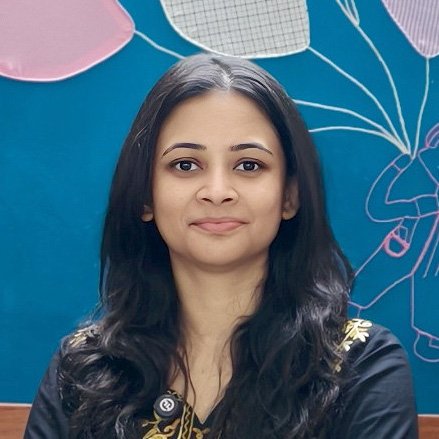
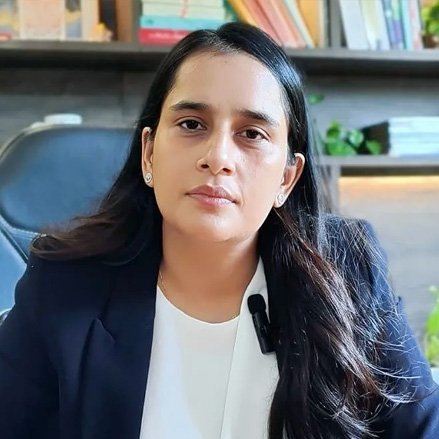
Dr. Sneha Sharma
Psychiatrist, Anvaya Healthcare
Clinical Psychologists & Counselling Psychologists trained at leading institutions such as AIIMS, LHMC & NIMHANS. Evidence-based child behaviour therapy, including CBT, delivered online across India — confidential, structured, and accessible from home.
Patients Helped
Specialists
Online Access
Satisfaction Rate
Only 1 in 37 Indians with alcohol use disorder has received treatment. That’s from a national survey conducted by AIIMS. The treatment gap for alcohol use disorder in India is 86%. Around 16 crore people consume alcohol in this country, and 5.2% do so problematically.
Why does the gap exist? A few reasons that aren’t hard to understand. Stigma: alcohol dependence is still widely seen as a character problem rather than a medical one, and that perception stops people from reaching out before things get serious. Visibility: walking into a deaddiction clinic means being seen. Access: most quality addiction treatment is concentrated in large cities. Cost: residential rehabilitation runs to lakhs of rupees, which puts it out of reach for most families.
Online deaddiction treatment doesn’t dissolve all of that. But it removes the visibility problem entirely, reduces the access barrier significantly, and makes the price of professional care a fraction of inpatient rehab. Platforms like Anvaya Healthcare put that care within reach — psychiatrists, clinical psychologists, and rehabilitation specialists experienced in addiction medicine — without a clinic visit.
Only 1 in 37 Indians with alcohol use disorder receives treatment, with an overall treatment gap of 86%.
Around 16 crore people consume alcohol in India, and 5.2% experience problematic alcohol use.
Stigma, visibility, limited access, and high rehabilitation costs prevent many from seeking help.
Online deaddiction treatment offers confidential, affordable access to psychiatrists and addiction specialists without clinic visits. Select 85 more words to run Humanizer.
A clinical psychologist — M.Phil. plus RCI registration — delivers the psychological treatment. CBT for addiction. Motivational interviewing. Relapse prevention. The work of understanding why the drinking continued, what maintains the pattern, and how to build a life in which alcohol isn’t necessary. Not generic therapy skills — addiction-focused work requires specific training.
A psychiatrist — MBBS plus MD in Psychiatry — handles the medical dimension. Alcohol withdrawal isn’t uncomfortable inconvenience for someone with significant dependence; it can be medically dangerous. Seizures. Delirium tremens. A psychiatrist assesses that risk, creates a medically supervised detox plan, and prescribes medications to manage withdrawal safely. Ongoing medication — disulfiram, naltrexone, acamprosate — to support sustained abstinence also falls here. Only a psychiatrist can prescribe.
A rehabilitation specialist handles the practical recovery: rebuilding structure, re-engaging with work, managing the high-risk transition from active treatment back to ordinary life. Medical stabilisation without this support is often not enough.
Alcohol use disorder announces itself slowly. Most people rationalise it for years before naming it. What to look for: consistently drinking more than intended. Tolerance building — needing more to get the same effect. Withdrawal symptoms when drinking reduces or stops: sweating, shaking, nausea, anxiety, insomnia. In severe dependence, seizures. These aren’t side effects — they’re signs of physical dependence.
Cravings that show up uninvited. Continuing to drink knowing it’s causing problems. Activities that used to matter getting pushed out. Trying to cut down or stop and not managing without help. Twelve months of several of these: that’s alcohol use disorder by clinical criteria. But earlier intervention produces better outcomes — waiting for the full picture isn’t necessary.
Regularly consuming more alcohol than planned or struggling to stop once drinking starts.
Sweating, shaking, anxiety, nausea, or insomnia when alcohol intake is reduced or stopped.
Needing larger amounts of alcohol to feel the same effects over time.
Strong urges to drink even when it causes personal, social, or health problems.
Booking comes first at Anvaya Healthcare, by phone or online. For alcohol dependence, the starting point is almost always the psychiatrist. Withdrawal risk has to be assessed before anything else. Getting that wrong — going cold turkey without medical oversight in someone with severe dependence — is dangerous.
The first session maps the full picture. Drinking history, current consumption, previous attempts to stop, what happened during withdrawal, physical health, co-occurring mental health conditions. Depression and anxiety sit alongside alcohol use disorder so frequently that assessing them separately is standard, not optional.
A treatment plan comes out of that assessment. Detox protocol, medication, referral to an inpatient setting if the withdrawal risk warrants it. Therapy begins once medical stabilisation is in place — CBT, motivational interviewing, relapse prevention built in from the start. All medication prescribed legally under India’s Telemedicine Practice Guidelines (2020).
Follow-ups are scheduled and specific. Consumption, withdrawal symptoms, medication adherence, warning signs of an approaching relapse. Recovery is not a straight line and having a clinical team monitoring the whole arc — not just the first few weeks — is what makes treatment stick.
Book online or call us. We’ll guide you to the right alcohol deaddiction support — therapy, psychiatric care, or rehabilitation planning based on your needs.
The first session focuses on alcohol use patterns, dependence severity, triggers, and recovery goals. A structured treatment plan is then created around long-term recovery and relapse prevention.
If required, a psychiatrist evaluates the need for medication — particularly in moderate to severe alcohol dependence, withdrawal symptoms, or co-occurring anxiety and depression.
Therapy for alcohol deaddiction focuses on identifying drinking triggers, changing harmful behavioural patterns, and building relapse prevention strategies. Regular progress tracking remains central.
CBT for addiction starts with a simple observation: the drinking isn’t random. It’s attached to specific thoughts, emotional states, and situations that have become cues over years. CBT makes those cues visible and dismantles the automatic connection between them and drinking — before the craving peaks, not after. Motivational interviewing is for the ambivalence that almost everyone brings to deaddiction treatment. Most people who come in aren’t fully certain they want to stop. MI works with that — drawing out the person’s own reasons for change rather than lecturing from outside.
Relapse prevention is a specific, structured part of the treatment plan. High-risk situations mapped in advance. Coping strategies built for each. A concrete plan for what to do if a lapse happens. Most relapses look obvious in retrospect — the work is making them visible beforehand. Group therapy and peer support play a meaningful role in sustained recovery for many people. This is part of the conversation about the overall recovery plan. Medication management — disulfiram, naltrexone, acamprosate — runs alongside therapy for most moderate to severe presentations.
CBT helps people recognise the thoughts, emotions, and situations connected to alcohol use. It focuses on changing unhealthy behavioural patterns, managing cravings, and building healthier coping strategies before relapse occurs.
Motivational Interviewing helps people explore mixed feelings about quitting alcohol. Instead of pressure or judgment, the therapy strengthens personal motivation and confidence to make long-term behavioural changes.
Relapse prevention therapy prepares individuals for high-risk situations that may trigger alcohol use. It teaches coping techniques, planning strategies, and practical responses to reduce the chances of relapse during recovery.
Medication management combines psychiatric supervision with medicines like naltrexone, acamprosate, or disulfiram to reduce cravings, support withdrawal management, and improve long-term recovery outcomes.Select 76 more words to run Humanizer.
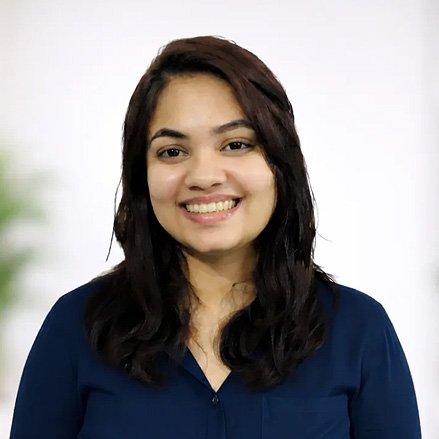
Consultant Psychiatrist | Co-Founder
Psychiatrist
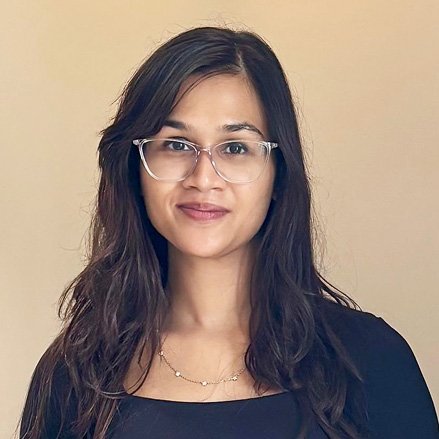
Psychiatrist & Addiction Specialist
Psychiatrist
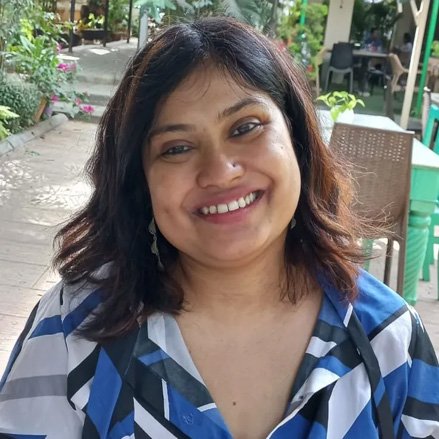
Consultant Psychiatrist
Clinical Psychologist
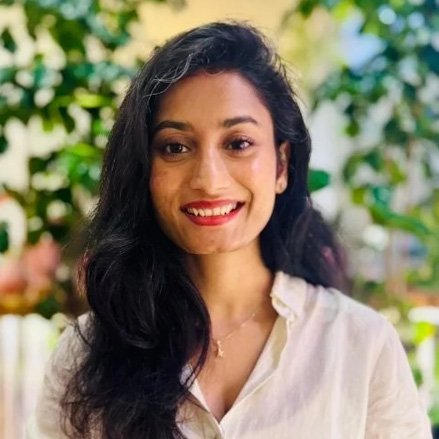
Counselling Psychologist & Behavioral Therapist
Clinical Psychologist
Counselling Psychologist
Clinical Psychologist
Loading booking form…
Start with the obvious one. Privacy. For alcohol use disorder specifically, the fear of being seen at a clinic, by someone who knows someone, keeps people from starting treatment for years. An online consultation happens at home. Nothing is visible. Nothing appears on a calendar someone else might see.
Someone in active dependence also often has days where leaving the house isn’t realistic. Recovery isn’t linear and the worst days are usually the ones where access to support matters most. Online removes the logistics problem on those days.
Affordable compared to residential rehabilitation, which runs to lakhs and isn’t accessible to most families. Pan India reach via Anvaya Healthcare means someone in a city without quality addiction services — which is most cities — reaches the same clinical expertise as someone in Delhi. Flexible scheduling that fits around people rather than requiring them to fit around clinic hours. Monitoring between sessions built in rather than left to chance.
Affordable, transparent pricing. The Mental Healthcare Act 2017 mandates insurance parity for mental health — check your policy’s OPD clause.
₹1,500 – ₹5,500 per session
₹1,500 – ₹2,500 per session
The psychiatrists and psychologists at Anvaya Healthcare trained at AIIMS, NIMHANS, IHBAS, Lady Hardinge Medical College, and VIMHANS. NIMHANS and AIIMS have dedicated addiction medicine departments. Clinical training in those settings produces a different level of expertise than general psychiatry extended to cover substance use — particularly for the medical management of withdrawal, where getting things wrong has real consequences. Treatment is built around the individual. Confidential. Easy to book. Available across India. The psychiatric, psychological, and rehabilitation tracks are coordinated from the start.
For online deaddiction treatment in India, the clinician’s experience matters. Addiction recovery requires structured therapy, relapse prevention strategies, and consistent long-term support.
Deaddiction treatment is personalised around the individual — drinking history, symptoms, family environment, and recovery goals — not a one-size-fits-all approach.
Consult from home. Privacy matters in deaddiction treatment, making online therapy a practical, confidential, and accessible recovery option.
When therapy and medication work together, deaddiction treatment outcomes improve significantly. At Anvaya, both are coordinated within the same clinical setting for consistent long-term recovery support.Select 73 more words to run Humanizer.
A family in Kanpur, Bhopal, or any smaller city gets the same quality of psychiatric expertise as someone in South Delhi. That's the whole point.
Before the first session, pay attention to your thought patterns for a few days. Not clinically — just notice what thoughts tend to arrive in difficult moments. What do you tell yourself when anxiety spikes? What’s the first thought when something goes wrong? What story do you tell yourself about yourself when things don’t go well? That’s the material CBT works with, and coming in with some awareness of it makes the first sessions more productive. Track mood and behaviour in rough outline: when you feel better, when worse, what you’ve avoided. This gives the therapist a starting baseline rather than impressionistic descriptions.
Set two or three specific therapy goals. Not “feel less anxious” but something concrete — attending social events without leaving early, completing work tasks without repeated checking, sleeping through the night. Specific goals give the therapy direction from session one. Private space, stable internet, earphones. Active participation is not optional in CBT — the homework is where most of the change actually happens. Coming prepared to do the work between sessions, not just attend them, is what the therapy requires.
Yes — for assessment, medication management, psychological therapy, and sustained monitoring. Severe physical dependence with high withdrawal risk may require in-person or inpatient assessment first. The psychiatrist determines this at the initial consultation.
Yes. Registered psychiatrists are qualified medical doctors, legally permitted to prescribe under India's Telemedicine Practice Guidelines (2020) — including medications for withdrawal management and craving reduction.
The acute phase runs weeks to months. Sustained recovery monitoring typically continues for a year or more. Relapse is common and doesn't mean treatment has failed — what matters is what happens after.
Yes, counselling is confidential. Your information is kept private and secure.
CBT, motivational interviewing, relapse prevention planning, and behavioural therapy. Medication as and when needed.
Start with a psychiatrist. Withdrawal risk needs medical assessment before anything else. A clinical psychologist for the psychological work follows immediately or in parallel. Clinician experience in addiction medicine specifically — not just general psychiatry — matters here.
Second floor, Plot No 28,
Sector-12A Rd, Block A,
Sector 12 Dwarka
Call Now: +91-9810659825
Ground Floor, Plot No. - E-7/5, Block E,
Vasant Vihar, South Delhi
Call Now: +91-9650277301
1 in every 5 individuals
suffers from some form of mental health illness