Trauma-focused therapy
Therapy that helps you process the traumatic memory safely, so that it loses its hold over your daily life.
- Trauma-focused cognitive behavioural therapy
- Gradual, guided processing of the memory
- Grounding and coping skills

info@anvayahealthcare.com
+91-9810659825

Just like the Gym is for your body, Therapy is for your Mind
Dr. Sneha Sharma
Psychiatrist, Anvaya Healthcare
Post-traumatic stress disorder (PTSD) can develop after a frightening, shocking or life-threatening experience. The memory keeps returning, and the mind and body stay on alert long after the danger has passed. It is a treatable condition. This guide explains every aspect of it, and how our psychiatrists and psychologists can help.
Book Consultation
PTSD is a mental health condition that can follow a traumatic event — such as a serious accident, assault, abuse, a natural disaster, the sudden loss of a loved one, or witnessing violence. It is normal to feel shaken after such an experience, and most people slowly recover with time and support.
In PTSD, the distress does not settle. The event is relived through unwanted memories or nightmares, reminders are avoided, and the person stays tense and watchful for weeks, months or even years. PTSD is not a sign of weakness. It is the mind’s alarm system staying switched on, and it responds well to the right treatment.
Symptoms usually begin within three months of the event, but can appear later. They fall into four groups: reliving the event, avoidance, changes in mood and thinking, and feeling constantly on edge.
If distressing memories, nightmares or a constant sense of danger have lasted more than a month after a traumatic event, or are affecting your work, sleep or relationships, speak to a mental health professional. You do not have to describe everything in the first session — you set the pace.
PTSD is caused by exposure to a traumatic event, but not everyone who goes through trauma develops it. Several factors affect the risk.
Accidents, assault, abuse, disasters, sudden loss or witnessing violence; repeated or prolonged trauma raises the risk.
Previous trauma, especially in childhood, or a history of anxiety or depression.
Having little support from family or friends afterwards makes recovery harder.
Inherited traits and the way the body regulates stress hormones play a part.
Strong symptoms in the first days and weeks after a trauma, which often settle.
Symptoms that continue for more than a month and interfere with daily life.
Symptoms that appear six months or more after the event.
Follows repeated or long-lasting trauma; includes difficulty with emotions, self-worth and relationships.
May show as clinginess, re-enacting the event in play, bedwetting or new fears.
There is no blood test or scan for PTSD. A psychiatrist or clinical psychologist makes the diagnosis through a careful, sensitive evaluation.
A conversation about what happened and your symptoms, at a pace you are comfortable with.
Validated questionnaires help measure the severity of trauma symptoms.
Depression, anxiety and substance use are checked, as they often occur alongside PTSD.
Your plan depends on the nature of the trauma and how your symptoms affect you. Most people do best with one or a combination of the following.
Therapy that helps you process the traumatic memory safely, so that it loses its hold over your daily life.
A medical evaluation, with medication such as SSRIs prescribed and monitored when it is needed, including help with sleep and nightmares.
For severe or long-standing PTSD, your psychiatrist and psychologist work together on a single plan.
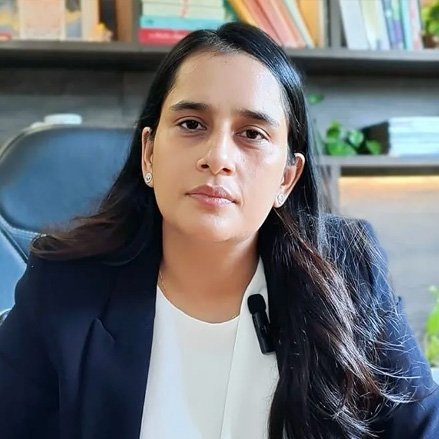
Meet the psychiatrists and psychologists at Anvaya who work with trauma and PTSD.
Consultant Psychiatrist | De-Addiction Specialist
MBBS, MD (Psychiatry)
Consultant Psychiatrist | De-Addiction Specialist
MBBS, MD (Psychiatry)
Experience: 14+ Years
Consultation Psychiatrist
MBBS, MD (Psychiatry)
Experience: 6+ Years
Psychiatrist & De-Addiction Specialist
MBBS | DPM (Psychiatry) | DNB (Neuropsychiatry)
Psychiatrist & De-Addiction Specialist
MBBS | DPM (Psychiatry) | DNB (Neuropsychiatry)
Experience: 8+ Years
Consultant Psychiatrist
MBBS, MD (Psychiatry)
Experience: 15+ Years
Clinical Psychologist
M.A & M.Phil (Clinical Psychology)
Experience: 3+ Years

Clinical Psychologist
M.Phil. | MA | PG Diploma in Counselling & Family Therapy (LHMC)
Clinical Psychologist
M.Phil. | MA | PG Diploma in Counselling & Family Therapy (LHMC)
Experience: 3+ Years
Counselling Psychologist
B.Sc, MA - Psychology
Experience: 4+ Years
Clinical Psychologist
MA & M.Phil (Clinical Psychology)
Experience: 3+ Years
Call, WhatsApp or book online. Choose a clinic visit or an online session.
Your specialist listens with care and evaluates your symptoms; you share only what you are ready to.
Therapy, medication or both — explained clearly, decided together with you.
Ongoing therapy sessions and medication reviews, with progress tracked.
Coping skills and follow-ups so the improvement lasts.
PTSD is treatable. With trauma-focused therapy, medication or both, most people see a clear reduction in symptoms and many recover fully. The memory remains, but it stops controlling daily life.
No. Most people feel distressed after a traumatic event and recover naturally within a few weeks. PTSD is diagnosed only when symptoms last more than a month and interfere with daily life.
Yes. Symptoms usually begin within three months, but in some people they appear months or even years later, sometimes triggered by a new stress or a reminder.
Not before you are ready. Therapy begins with building safety and coping skills. Your therapist will explain each step, and you decide the pace.
A psychologist provides trauma-focused therapy; a psychiatrist is a medical doctor who can also prescribe medication. If you are unsure, book a consultation and we will guide you to the right specialist.
Listen without pressing for details, be patient with mood changes, keep routines steady, and encourage them to seek professional help. Take care of your own wellbeing too.
Medical disclaimer: The information on this page is for educational purposes only and is not a substitute for professional diagnosis or treatment. Please consult a qualified mental health professional about your individual situation.
Second floor, Plot No 28,
Sector-12A Rd, Block A,
Sector 12 Dwarka
Call Now: +91-9810659825
Ground Floor, Plot No. - E-7/5, Block E,
Vasant Vihar, South Delhi
Call Now: +91-9650277301

1 in every 5 individuals
suffers from some form of mental health illness
Chats continue on WhatsApp. Please avoid sharing clinical details here.
 TALK TO US