Counselling & psychotherapy
The main treatment. Therapy helps you make sense of what happened, manage difficult emotions and build practical coping skills.
- Supportive counselling
- Cognitive behavioural therapy (CBT)
- Problem-solving and coping skills

info@anvayahealthcare.com
+91-9810659825
Just like the Gym is for your body, Therapy is for your Mind
Dr. Sneha Sharma
Psychiatrist, Anvaya Healthcare
Big life changes are hard for everyone. When the emotional reaction to a change or stressful event is stronger or longer-lasting than expected, and starts to affect daily life, it may be an adjustment disorder. It is common, usually short-term and very treatable. This guide explains every aspect of it, and how our psychiatrists and psychologists can help.
Book Consultation
Adjustment disorder is a reaction to an identifiable stress or change — such as a breakup, job loss, moving to a new city, exam failure, illness, or a major family change. The distress is greater than would normally be expected, and it gets in the way of work, studies or relationships.
It is not a sign of weakness; some events simply exceed a person’s ability to cope at that moment. Symptoms usually begin within three months of the event and ease as the person adapts. Support at the right time shortens the difficult period and helps prevent it from developing into depression or an anxiety disorder.
Symptoms begin within three months of a stressful event and vary from person to person. In children and teenagers they often show up as changes in behaviour.
If you are still struggling several weeks after a stressful event, or the distress is affecting your work, studies or relationships, speak to a mental health professional. If you are having thoughts of self-harm, seek help straight away.
Adjustment disorder is triggered by a stressful event or change. Whether it develops depends on the event and on the person's circumstances at the time.
Relocation, a new job or college, marriage, parenthood or retirement.
Breakup, divorce, bereavement or serious family conflict.
Job loss, exam failure, business setbacks or debt.
Little social support, several stresses at once, or earlier mental health problems.
Mainly sadness, tearfulness and hopelessness.
Mainly nervousness, worry and feeling overwhelmed.
A combination of low mood and anxiety.
Mainly behavioural changes such as anger, rule-breaking or recklessness.
Emotional symptoms together with behavioural changes.
There is no test for adjustment disorder. A psychiatrist or clinical psychologist makes the diagnosis through a structured evaluation.
A conversation about the event, your symptoms, when they began and how they affect daily life.
Questionnaires may be used to measure mood, anxiety and functioning.
Depression, anxiety disorders and PTSD are considered, as they need different treatment.
Treatment is usually short-term and focused on helping you cope with the change. Most people do best with one or a combination of the following.
The main treatment. Therapy helps you make sense of what happened, manage difficult emotions and build practical coping skills.
A medical evaluation. Medication is not always required, but may be used for a short period to help with sleep, anxiety or low mood.
When symptoms are severe, your psychologist and psychiatrist work together on a single plan.
Meet the psychiatrists and psychologists at Anvaya who help people through stress and difficult life changes.
Consultant Psychiatrist | De-Addiction Specialist
MBBS, MD (Psychiatry)
Consultant Psychiatrist | De-Addiction Specialist
MBBS, MD (Psychiatry)
Experience: 14+ Years
Consultation Psychiatrist
MBBS, MD (Psychiatry)
Experience: 6+ Years
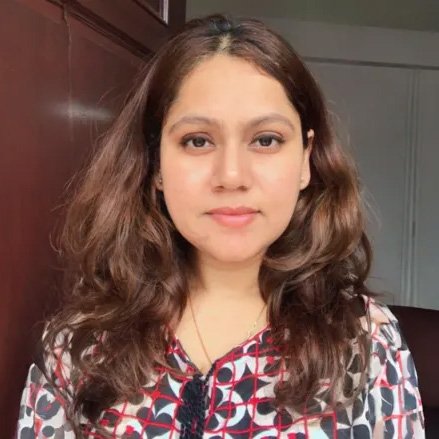
Psychiatrist & De-Addiction Specialist
MBBS | DPM (Psychiatry) | DNB (Neuropsychiatry)
Psychiatrist & De-Addiction Specialist
MBBS | DPM (Psychiatry) | DNB (Neuropsychiatry)
Experience: 8+ Years
Consultant Psychiatrist
MBBS, MD (Psychiatry)
Experience: 15+ Years
Clinical Psychologist
M.A & M.Phil (Clinical Psychology)
Experience: 3+ Years
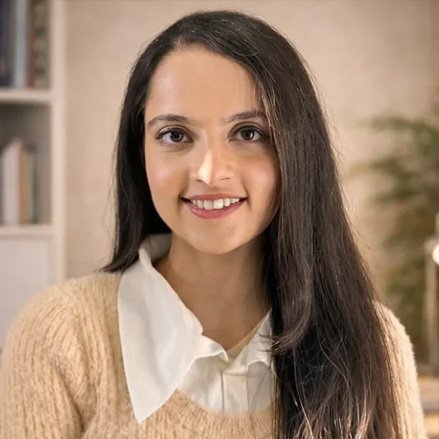
Clinical Psychologist
M.Phil. | MA | PG Diploma in Counselling & Family Therapy (LHMC)
Clinical Psychologist
M.Phil. | MA | PG Diploma in Counselling & Family Therapy (LHMC)
Experience: 3+ Years
Counselling Psychologist
B.Sc, MA - Psychology
Experience: 4+ Years
Clinical Psychologist
MA & M.Phil (Clinical Psychology)
Experience: 3+ Years
Call, WhatsApp or book online. Choose a clinic visit or an online session.
Your specialist listens to what you are going through and evaluates your symptoms.
Counselling goals and any medication explained clearly, decided together with you.
Short-term therapy sessions, with progress tracked.
Coping skills for future stress, and follow-ups until you feel steady again.
Yes. Adjustment disorder is usually short-term. With counselling and support, most people recover fully, often within a few months.
Symptoms usually settle within six months of the stressful situation ending. If the stress continues, symptoms can last longer, which is when professional support is especially helpful.
No. Adjustment disorder is linked to a specific event and tends to ease as you adapt. Depression is usually more severe, can occur without a clear trigger, and often needs longer treatment.
Counselling with a psychologist is the main treatment. A psychiatrist can help if symptoms are severe or medication is needed. If you are unsure, book a consultation and we will guide you.
Often not. Many people recover with counselling alone. Medication may be suggested for a short time if sleep, anxiety or low mood is making it hard to function.
Listen without minimising what they are going through, help with practical tasks, and encourage them to seek professional support if they are not improving.
Medical disclaimer: The information on this page is for educational purposes only and is not a substitute for professional diagnosis or treatment. Please consult a qualified mental health professional about your individual situation.
Second floor, Plot No 28,
Sector-12A Rd, Block A,
Sector 12 Dwarka
Call Now: +91-9810659825
Ground Floor, Plot No. - E-7/5, Block E,
Vasant Vihar, South Delhi
Call Now: +91-9650277301

1 in every 5 individuals
suffers from some form of mental health illness
Chats continue on WhatsApp. Please avoid sharing clinical details here.
 TALK TO US