Behavioural & developmental therapy
Structured therapy that builds communication, social and daily-living skills, with hands-on guidance for parents.
- Behaviour and developmental therapy
- Social and communication skills
- Parent training and guidance

info@anvayahealthcare.com
+91-9810659825

Just like the Gym is for your body, Therapy is for your Mind
Dr. Sneha Sharma
Psychiatrist, Anvaya Healthcare
Autism spectrum disorder (ASD) affects how a person communicates, relates to others and experiences the world. It is a lifelong difference, not an illness, and the right support makes a real difference at every age. This guide explains every aspect of it — and how our psychiatrists and psychologists can help.
Book Consultation
Autism spectrum disorder is a neurodevelopmental condition, which means it relates to how the brain develops. Autistic people communicate and interact differently, often prefer routine, and may have strong, focused interests or be sensitive to sound, light, touch or taste.
It is called a spectrum because it looks different in every person. Some autistic people speak fluently and live independently; others need substantial daily support. Autism is not caused by parenting, and it is not something to be “cured” — the aim of support is to build communication and daily-living skills and to help each person do well in their own way.
Signs vary widely from person to person and can change with age. They fall into two main areas — social communication, and repetitive behaviours or interests — and many autistic people also have sensory differences.
If your child is not responding to their name, is not pointing or using gestures, has delayed speech, or has lost skills they once had, ask for a developmental assessment. Adults who have always found social situations and change difficult can also be assessed. Early support leads to better outcomes.
There is no single cause of autism. Research shows it is strongly linked to genetics and early brain development. Vaccines do not cause autism, and neither does parenting style.
Autism often runs in families; having an autistic sibling raises the likelihood.
Differences in how the brain develops and connects before and soon after birth.
Older parental age, premature birth or low birth weight are linked with a higher chance.
Some conditions, such as fragile X syndrome, are associated with autism.
Can speak and manage many daily tasks, but finds social interaction and change difficult.
Clear difficulties with communication and flexibility that affect daily life in most settings.
Very limited communication and a high need for help with everyday activities.
Often less obvious and diagnosed later, as difficulties may be masked.
Many adults seek an assessment after years of feeling different without knowing why.
There is no blood test or scan for autism. A psychiatrist or clinical psychologist makes the diagnosis through a detailed developmental assessment.
A detailed discussion of early milestones, communication, play and behaviour.
Structured observation and validated assessment scales for autism.
Hearing, speech and learning are reviewed, along with conditions such as ADHD that can occur together.
Support is planned around each person's age, strengths and needs. Most children and adults do best with one or a combination of the following.
Structured therapy that builds communication, social and daily-living skills, with hands-on guidance for parents.
A medical evaluation and care for conditions that often occur with autism. There is no medicine for autism itself, but medication can help with related difficulties when needed.
Your psychiatrist and psychologist work together with the family on a single, coordinated plan.
Meet the psychiatrists and psychologists at Anvaya who work with autistic children and adults.
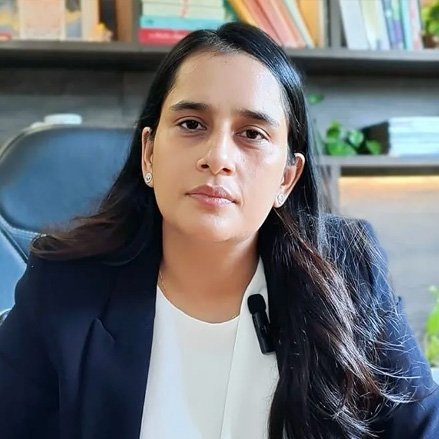
Consultant Psychiatrist | De-Addiction Specialist
MBBS, MD (Psychiatry)
Consultant Psychiatrist | De-Addiction Specialist
MBBS, MD (Psychiatry)
Experience: 14+ Years
Consultation Psychiatrist
MBBS, MD (Psychiatry)
Experience: 6+ Years
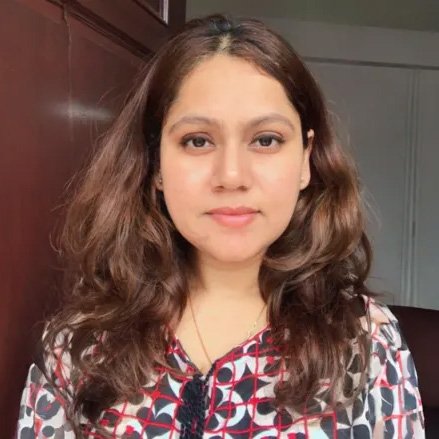
Psychiatrist & De-Addiction Specialist
MBBS | DPM (Psychiatry) | DNB (Neuropsychiatry)
Psychiatrist & De-Addiction Specialist
MBBS | DPM (Psychiatry) | DNB (Neuropsychiatry)
Experience: 8+ Years
Consultant Psychiatrist
MBBS, MD (Psychiatry)
Experience: 15+ Years
Clinical Psychologist
M.A & M.Phil (Clinical Psychology)
Experience: 3+ Years

Clinical Psychologist
M.Phil. | MA | PG Diploma in Counselling & Family Therapy (LHMC)
Clinical Psychologist
M.Phil. | MA | PG Diploma in Counselling & Family Therapy (LHMC)
Experience: 3+ Years
Clinical Psychologist
MA & M.Phil (Clinical Psychology)
Experience: 3+ Years

Clinical Psychologist
MA (Clinical Psychology), RCI Registered
Clinical Psychologist
MA (Clinical Psychology), RCI Registered
Experience: 5+ Years
Call, WhatsApp or book online. Choose a clinic visit or an online session.
Your specialist takes a detailed history and observes communication, play and behaviour.
Therapy goals and support explained clearly, decided together with the family.
Ongoing therapy and parent guidance, with progress tracked.
Regular reviews so the plan keeps pace with each stage of life.
Autism is a lifelong neurodevelopmental difference, not an illness, so it is not something to cure. Early and consistent support helps autistic children and adults build communication and daily-living skills and improves quality of life.
Signs can often be noticed by 18 months to 2 years, and a reliable diagnosis is usually possible from around age 2. Many people, especially girls and adults, are diagnosed later.
No. Large studies across many countries have found no link between vaccines and autism.
A psychologist carries out assessments and provides therapy; a psychiatrist is a medical doctor who can also diagnose and treat related conditions such as ADHD, anxiety or sleep problems. If you are unsure, book a consultation and we will guide you to the right specialist.
There is no medicine that treats autism itself. A psychiatrist may prescribe medication for related difficulties such as severe irritability, attention problems, anxiety or sleep issues, and will monitor it closely.
Keep routines predictable, use clear and simple language, prepare your child for changes in advance, and build on their interests. Your therapist can guide you on strategies that suit your child.
Medical disclaimer: The information on this page is for educational purposes only and is not a substitute for professional diagnosis or treatment. Please consult a qualified mental health professional about your individual situation.
Second floor, Plot No 28,
Sector-12A Rd, Block A,
Sector 12 Dwarka
Call Now: +91-9810659825
Ground Floor, Plot No. - E-7/5, Block E,
Vasant Vihar, South Delhi
Call Now: +91-9650277301

1 in every 5 individuals
suffers from some form of mental health illness
Chats continue on WhatsApp. Please avoid sharing clinical details here.
 TALK TO US