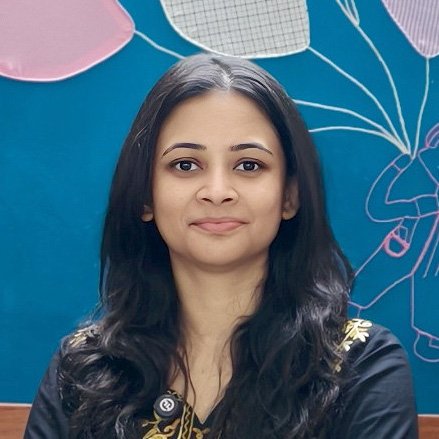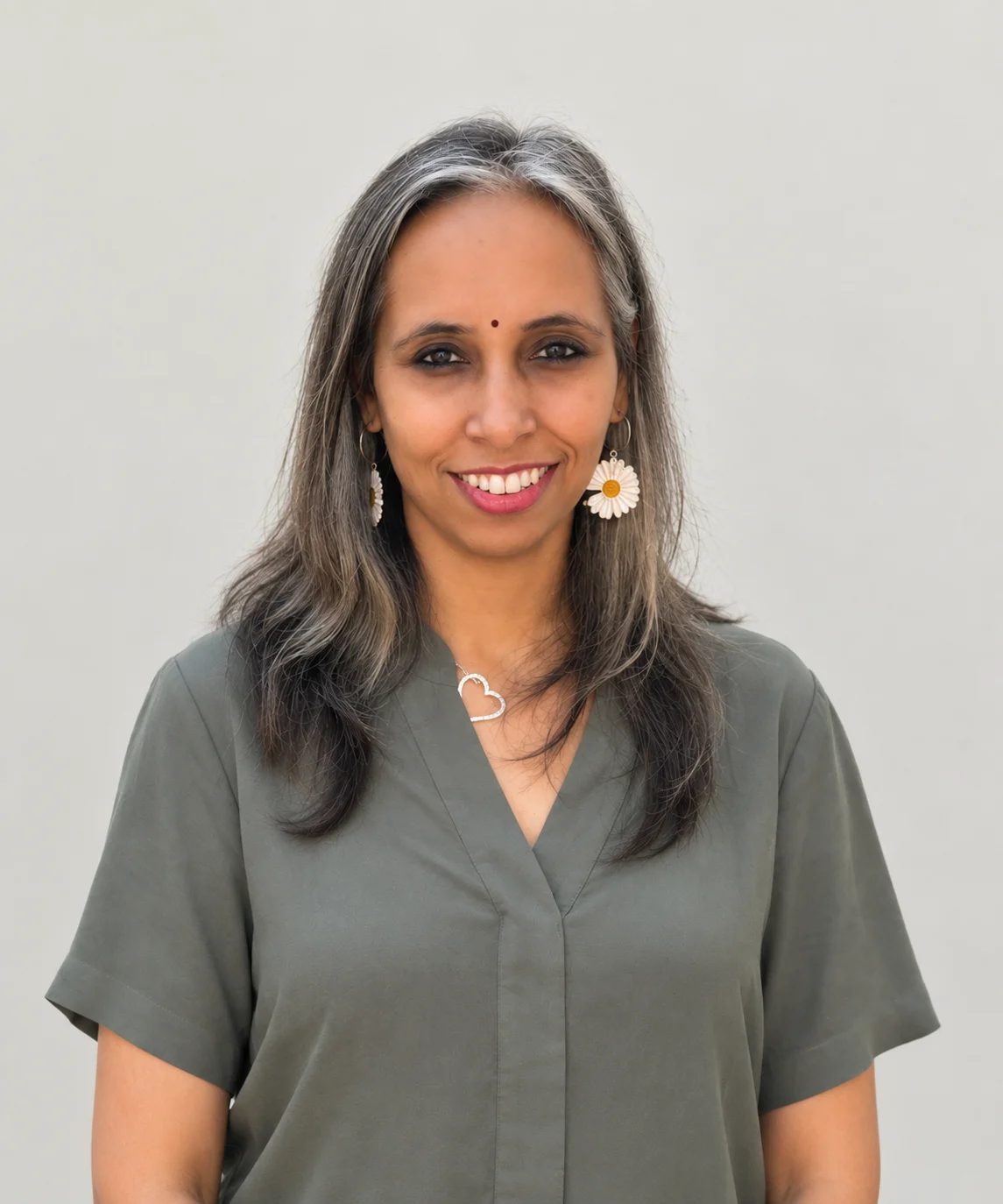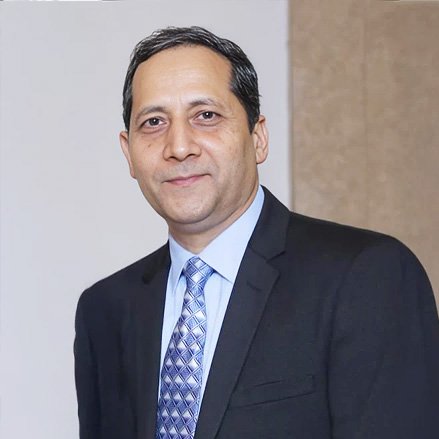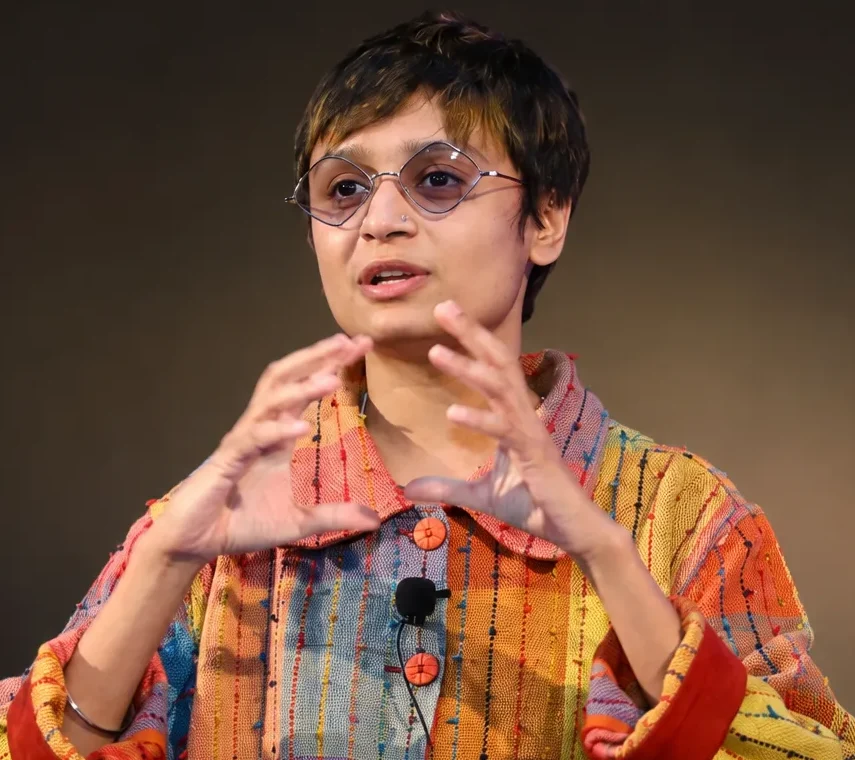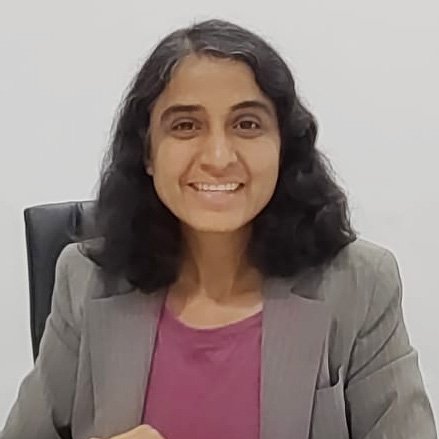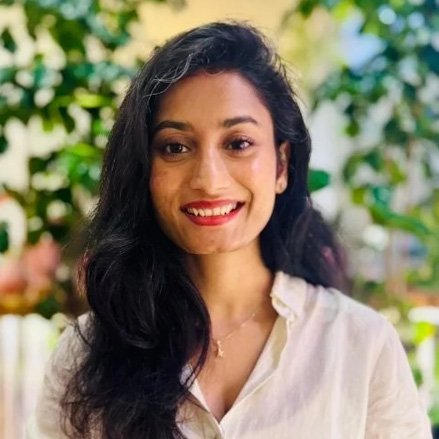

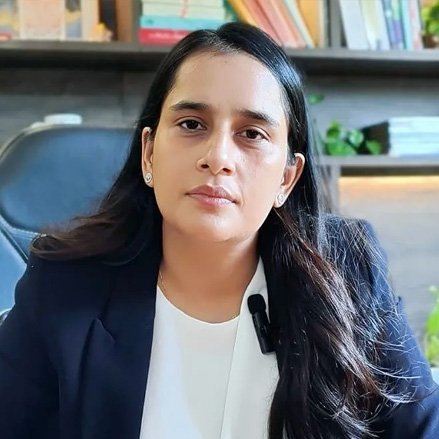
Dr. Sneha Sharma

Just like the Gym is for your body, Therapy is for your Mind

Dr. Sneha Sharma
Psychiatrist, Anvaya Healthcare

Home Mental Health Services for Children Speech Therapy for Children in India

Speech Therapy for Kids in India

Experienced speech therapists and child development specialists trained at leading institutions such as AIIMS, LHMC, and NIMHANS provide evidence-based speech therapy for children from the comfort of your home. Services are available across India with personalized treatment plans, complete confidentiality, and dedicated support to help children improve their communication and language skills.

400+

Patients Helped

15+

Specialists

Pan India

Online Access

96%

Satisfaction Rate

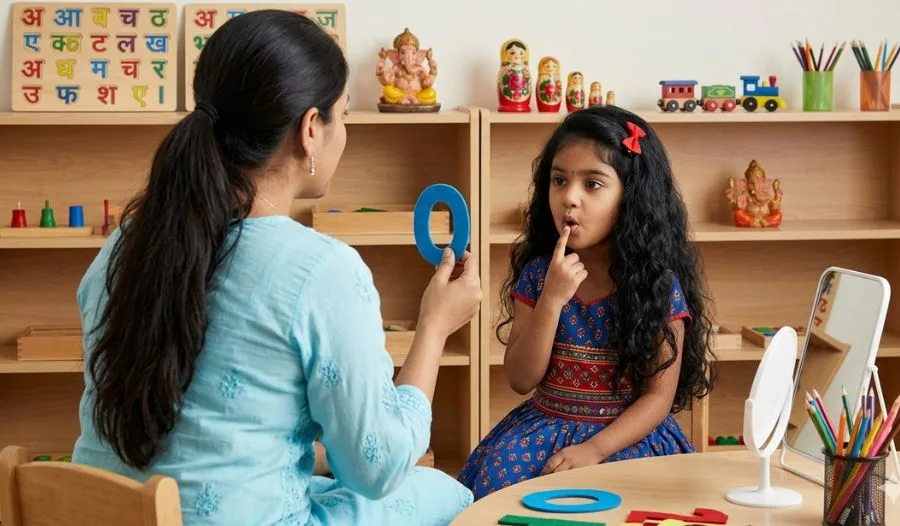
Child receiving speech therapy from a therapist in India.

Speech and language Therapy for Children in India

If you’ve noticed that your child isn’t speaking as much as other children their age or is speaking, but in a way that’s hard to understand, or that seems to make them frustrated that noticing matters. Speech and language therapy aren’t just about how well a child speaks. It shapes how they learn to read, how they make friends, how they follow instructions in a classroom, and how they feel about themselves when communication gets hard.

Speech delay is more common in Indian children than many parents realise. Studies from tertiary care centres across India have found speech and language delay in roughly 13% of children below three years of age, with boys showing higher rates than girls across most studies.

Early intervention matters enormously. The earlier a speech or language concern is identified and addressed, the more the brain’s natural plasticity works in a child’s favour. Waiting for a child to “grow out of it” past the age of 2 to 3 years is one of the most common reasons families reach us later than they should have.

No Babbling or First Words

A child who is not babbling by 12 months or not using recognizable words by 16–18 months may need a developmental evaluation.

Limited Vocabulary

By age 2, most children can say 50+ words and combine two-word phrases. Delays in these milestones may signal a speech or language concern.

Speech & Understanding Difficulties

Most speech should be understandable by age 3. Persistent unclear speech or difficulty following instructions may indicate concern.

Persistent Stuttering

Stuttering or stammering that continues past age 5, or causes noticeable frustration, distress, or embarrassment, should be evaluated.

Signs That a Child May Need Speech Therapy

Every child develops at their own pace, but there are milestones that give us a useful reference. Here’s what to watch for:

Not babbling by 12 months

Not babbling by 12 months or not using any recognisable words by 16 to 18 months

Limited Vocabulary

Vocabulary that seems small for their age at 2 years, most children can say at least 50 words and combine two words together; if this isn't happening, it's worth a look

Speech

Speech that's hard to understand by age 3, someone outside the family should be able to understand most of what a child says; if they can't, that's a signal

Difficulty Following Instructions

Difficulty following instructions a child who consistently misunderstands directions or seems not to process what's being said to them

Stuttering or stammering

Stuttering or stammering that continues past age 5, or that's causing the child visible distress or embarrassment

Avoiding Communication

Avoiding conversations or social situations because of difficulty communicating — which starts to affect friendships and school life

The Different Types of Speech and Language Disorders

Speech and language difficulties in children aren’t one single thing. Understanding what’s actually happening helps direct the right support:

Speech delay

A child producing fewer words than expected for their age, but in the right sequence of development. Often responsive to early intervention and communication therapy.

Language delay

Difficulty understanding language (receptive delay), using it to express thoughts (expressive delay), or both. A child may have good articulation but still struggle significantly with comprehension, delay in talking or sentence construction.

Articulation disorders

Articulation disorders involve difficulty producing specific speech sounds correctly. A child who consistently says ‘wabbit’ for ‘rabbit’ or ‘tun’ for ‘sun’ past the expected age may have an articulation disorder rather than a general delay.

Stuttering and fluency disorders

Repetitions, prolongations, or blocks in speech that go beyond the normal dysfluency most young children go through. Stuttering has a significant impact on confidence and social interaction when it persists.

Voice disorders

Voice disorders may present as persistent hoarseness, unusual pitch, a voice that fades in and out, or other noticeable changes in voice quality. While less common in children, they are worth investigating when present.

Social communication disorders

Difficulty using language in social contexts: knowing when to speak, how to read conversational cues, how to stay on topic. Often seen alongside autism spectrum disorder, though not exclusive to it.

What Causes Speech and Language Delays?

There’s rarely one single cause. What we usually find is a combination of factors:

Developmental Differences

Some children simply develop language a little later than others, without any underlying condition. These are the children who often catch up quickly with a small amount of targeted support.

Hearing Difficulties

One of the most underdiagnosed causes of speech delay in Indian children. A child who can't hear clearly can't learn to speak clearly. Hearing assessment is a standard part of any speech delay evaluation.

Autism Spectrum Disorder

Language and communication difficulties are core features of ASD. Many families first seek speech therapy before an ASD diagnosis is made, and therapy supports communication regardless of whether a diagnosis follows.

Neurological Conditions

cerebral palsy, epilepsy, and other neurological differences can affect the muscle coordination needed for speech, or the processing needed for language.

Environmental Factors

A home with very little verbal interaction, or where screens have replaced conversation as the primary source of language input, can delay language development. A multilingual household isn't a risk factor, but an environment with very inconsistent language exposure can be.

Genetic Influences

a family history of speech delay, dyslexia, or language difficulty increases a child's likelihood of experiencing similar challenges.

How We Assess Speech Disorders at Anvaya Healthcare?

A speech and language assessment isn’t a pass-or-fail test. It’s a detailed picture-building exercise, and it involves the whole family. We start with a conversation with parents the child’s birth and developmental history, when they first babbled, when they said their first words, what their home language environment looks like, and what’s been noticed in terms of understanding as well as speaking.

The child is then assessed directly, in ways appropriate to their age. For toddlers, this largely happens through play. For older children, it involves structured tasks alongside informal interaction. We’re looking at both what the child can produce and what they understand. A developmental screening runs alongside the speech assessment, because speech delays frequently appear alongside other developmental differences attention difficulties, fine motor delays, or early signs of a learning disability. Identifying these together means the support plan addresses all of them, not just the most visible one. Our centres in Dwarka, Vasant Vihar, and Gurugram are equipped for full speech and language evaluation, with online assessments available for families beginning remotely.

How Speech Therapy Works

The techniques used in speech therapy vary considerably depending on the child’s age and what’s actually causing the difficulty:

Articulation Therapy

Articulation therapy works on helping a child produce specific sounds correctly, using modelling, repetition, and audio-visual feedback presented in a way that feels like a game rather than drilling.

Language Intervention Activities

Language intervention activities build vocabulary, sentence structure, and comprehension through structured but child-led interaction. The therapist creates situations where the child naturally needs to communicate, then shapes and expands what they produce.

Play-Based Speech Therapy

Play-based speech therapy particularly important for children below 5. Language is learned through play at this age, and therapy that ignores that fact tends not to work very well. Sessions use toys, books, and games as the medium for language learning

Oral Motor Exercises

Oral motor exercises address the physical aspects of speech tongue placement, breath support, lip movement when a child has difficulty with the muscle coordination needed to produce sounds.

Fluency Shaping Techniques

Fluency shaping techniques help children who stutter manage the physical tension around speech and develop smoother, more confident communication patterns.

Social Communication Training

Social communication training builds the pragmatic language skills — turn-taking in conversation, reading facial expressions, staying on topic — that matter so much for school and friendships but that don't improve through standard articulation work alone.

Conditions That Benefit from Speech Therapy

The work doesn’t stop when the session ends. A lot of what makes speech therapy effective is what happens at home in between:

  • Autism spectrum disorder often affects communication and social interaction, making speech therapy a key part of support. It helps children develop first words, improve conversational abilities, and strengthen the social skills needed for effective communication.
  • ADHD often affects how a child organises language and expresses themselves; speech therapy can help with verbal expression and narrative skills
  • Learning disabilities like dyslexia frequently have a language component at their root, and early speech therapy can reduce the severity of later reading difficulties
  • Hearing impairment — children with any degree of hearing loss benefit significantly from parallel speech and language support
  • Developmental delays — global developmental delay, cerebral palsy, and Down syndrome all commonly involve speech and language components that respond well to early, consistent therapy

What Parents Can Do at Home

Speech therapy is relevant across a wide range of diagnoses, not just “speech delay”

  • Talk to your child constantly — narrate what you’re doing, describe what you see, name things around the house. For a young child, the sheer amount of language they hear directly influences how fast they develop their own
  • Read together every day — picture books with simple text for toddlers, stories with richer vocabulary for older children. Reading aloud is one of the most evidence-backed things a parent can do for language development
  • Reduce screen time as the primary language input — screens don’t interact back. A child needs back-and-forth conversation to develop language, and passive screen viewing is no substitute
  • Practise the specific activities your therapist gives you — these aren’t optional homework; they’re the difference between therapy that works and therapy that doesn’t
  • Follow your child’s lead in conversation — responding to what they’re trying to communicate, rather than drilling them to say something a specific way, keeps the experience positive and keeps them trying
  • Be patient and positive — a child who feels anxious or embarrassed about speaking will speak less, not more

How Speech Therapy Works

You can book a consultation by phone or online. At Anvaya Healthcare, our team helps parents understand the best next steps if they are unsure where to begin. For children with speech or language concerns, the process usually starts with a comprehensive assessment to identify the underlying cause, evaluate communication skills, and create a personalized therapy plan that supports the child’s development.

Book & Connect

You can book a consultation by phone or online. The first step is to assess your child's communication skills, identify any underlying concerns, and create a personalized therapy plan.

Full Assessment

The initial assessment explores your child's speech, language, communication abilities, developmental history, and any factors that may be affecting progress. A thorough evaluation helps ensure the right support from the start.

Diagnosis & Medication

Assessment helps identify the underlying cause of communication difficulties and guide treatment. When appropriate, medication or medical support may be recommended alongside therapy.

Ongoing Therapy & Follow-up

Follow-up sessions monitor progress in speech, language, and communication skills, allowing therapy goals to be adjusted as the child develops. If required, medication may be prescribed under India's Telemedicine Practice Guidelines (2020).

Best Therapists for Speech Therapy in India

Dr. Sneha Sharma

Dr. Sneha Sharma

Consultant Psychiatrist | De-Addiction Specialist

MBBS, MD (Psychiatry)

VIEW PROFILE
VIEW PROFILE

Dr. Sneha Sharma

Consultant Psychiatrist | De-Addiction Specialist

MBBS, MD (Psychiatry)

Experience: 14+ Years
Treatments: Depression, Anxiety Disorders, ADHD, Autism Spectrum Disorders, OCD, Bipolar Disorder, Schizophrenia, Sleep Disorders, Stress & Burnout, Panic Attacks, Dementia &... more
Specialization: Child & Adolescent Psychiatry, Adult Psychiatry, Geriatric Psychiatry, Neuropsychiatry, Medication Management (Psychopharmacology), De-addiction Psychiatry, Psychiatric Evaluation & Diagnosis, Women's Mental Health, Online Psychiatric Consultation
Languages: Hindi, English
₹ 2500 for 20 mins

Experience: 14+ Years

Video/Voice Call
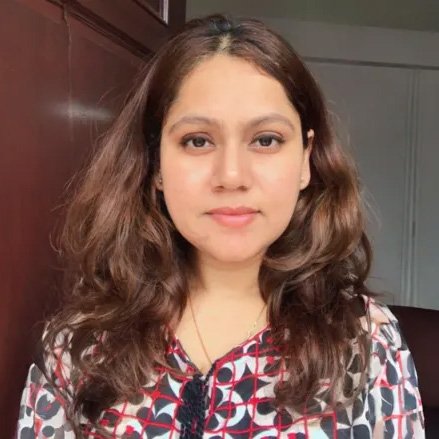
Dr. Poulami Basu

Dr. Poulami Basu

Psychiatrist

MBBS, MD (Psychiatry)

VIEW PROFILE
VIEW PROFILE

Dr. Poulami Basu

Psychiatrist

MBBS, MD (Psychiatry)

Experience: 6+ Years
Treatments: Depression, Anxiety Disorders, Alcohol & Substance Addiction, OCD, Bipolar Disorder, Schizophrenia & Psychosis, ADHD, Sleep Disorders, Stress & Burnout, Panic... more
Specialization: De-addiction Psychiatry, Child & Adolescent Psychiatry (NIMHANS-trained), Geriatric Psychiatry, Forensic Psychiatry, General Adult Psychiatry, Medication Management (Psychopharmacology), Psychiatric Evaluation &... more
Languages: Hindi, English, Bengali
₹ 1500 for 30 mins

Experience: 6+ Years

Video/Voice Call
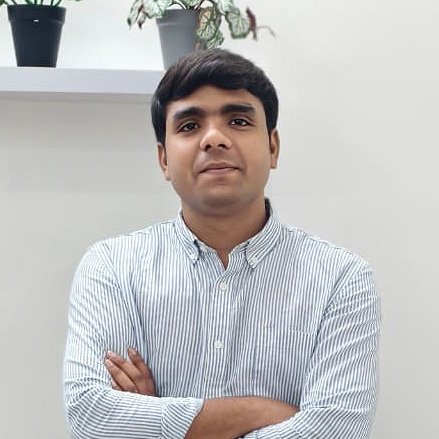
Dr. Abhineet Sayal

Dr. Abhineet Sayal

Consultant Psychiatrist

MBBS, MD (Psychiatry)

VIEW PROFILE
VIEW PROFILE

Dr. Abhineet Sayal

Consultant Psychiatrist

MBBS, MD (Psychiatry)

Experience: 15+ Years
Treatments: Depression, Generalized Anxiety Disorder (GAD), Social Anxiety, Obsessive-Compulsive Disorder (OCD), Phobias, Substance Use Disorders, Internet... more
Specialization: Addiction Psychiatry, Geriatric Psychiatry, Forensic Psychiatry, Telepsychiatry, Community Psychiatry, Patient-Centred Care, Psychopharmacotherapy, Biopsychosocial Assessment, Risk Assessment & Crisis... more
Languages: Hindi, English, Punjabi
₹ 2000 for 30 mins

Experience: 15+ Years

Video/Voice Call
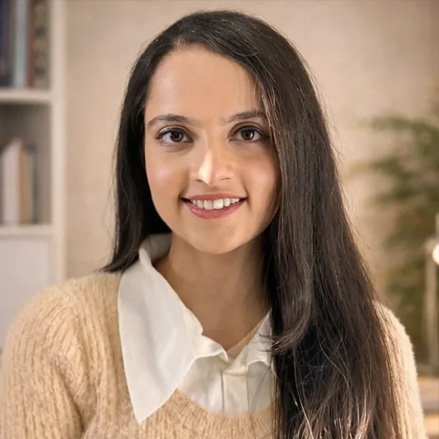
Dr. Palak Patel

Dr. Palak Patel

Psychiatrist

MBBS, DNB (Psychiatry)

VIEW PROFILE
VIEW PROFILE

Dr. Palak Patel

Psychiatrist

MBBS, DNB (Psychiatry)

Experience: 8+ Years
Treatments: Anxiety Disorders, Depression, OCD, Bipolar Disorder, Panic Attacks, Social Anxiety, ADHD, Autism Spectrum Disorders, Psychosis & Schizophrenia, Addiction & Substance... more
Specialization: General Adult Psychiatry, Anxiety & Mood Disorder Management, Child & Adolescent Psychiatry, Medication Management (Psychopharmacology), Psychiatric Evaluation & Diagnosis, De-addiction... more
Languages: Hindi, English, Gujarati
₹ 1500 for 30 mins

Experience: 8+ Years

Video/Voice Call
Dr. Kampila Kardam

Dr. Kampila Kardam

Psychiatrist & Addiction Specialist

MBBS | DPM (Psychiatry) | DNB (Neuropsychiatry)

VIEW PROFILE
VIEW PROFILE

Dr. Kampila Kardam

Psychiatrist & Addiction Specialist

MBBS | DPM (Psychiatry) | DNB (Neuropsychiatry)

Experience: 8+ Years
Treatments: Depression, Anxiety Disorders, OCD, Panic Disorder, Bipolar Disorder, ADHD, Autism Spectrum Disorders, Alcohol & Substance Addiction, Schizophrenia & Psychosis, Late-Life... more
Specialization: Child & Adolescent Psychiatry, Geriatric Psychiatry, Addiction Psychiatry & De-addiction, Medication Management (Psychopharmacology), Anxiety Disorder Treatment, Neuropsychiatry, Psychiatric Evaluation &... more
Languages: Hindi, English
₹ 1500 for 30 mins

Experience: 8+ Years

Video/Voice Call
Mr. Manish Kumar

Mr. Manish Kumar

Clinical Psychologist

M.A & M.Phil (Clinical Psychology)

VIEW PROFILE
VIEW PROFILE

Mr. Manish Kumar

Clinical Psychologist

M.A & M.Phil (Clinical Psychology)

Experience: 3+ Years
Treatments: Depression, Anxiety Disorders, OCD, Bipolar Disorder, PTSD & Trauma, ADHD, Autism Spectrum Disorders, Intellectual Disability, Conduct Disorder, Personality Disorders, Eating... more
Specialization: Psychological Assessment & Diagnosis, Cognitive Behavioral Therapy (CBT), Exposure & Response Prevention (ERP) for OCD, Crisis Intervention, Juvenile & Adolescent... more
Languages: Hindi, English
₹ 1500 for 60 mins

Experience: 3+ Years

Video/Voice Call
Ms. Kiran Tevtiya

Ms. Kiran Tevtiya

Child Psychologist

M.A (Psychology)

VIEW PROFILE
VIEW PROFILE

Ms. Kiran Tevtiya

Child Psychologist

M.A (Psychology)

Experience: 9+ Years
Treatments: Toddler Tantrums & Meltdowns, Separation & Stranger Anxiety, ADHD & Attention Difficulties, Behavioral Problems, Bedwetting & Potty Training Issues, Picky/Maladaptive... more
Specialization: Child Behavioral Psychology, Early Childhood Development (Ages 2–6), Parent Counselling & Parent Training, Behavior Modification Techniques, Play-Based Therapy, School Readiness... more
Languages: Hindi, English
₹ 3500 for 90 mins

Experience: 9+ Years

Ms. Ananya Singh

Ms. Ananya Singh

Clinical Psychologist

MA & M.Phil (Clinical Psychology)

VIEW PROFILE
VIEW PROFILE

Ms. Ananya Singh

Clinical Psychologist

MA & M.Phil (Clinical Psychology)

Experience: 3+ Years
Treatments: Depression, Anxiety Disorders, Stress & Burnout, OCD, Trauma & PTSD, Grief & Loss, ADHD, Learning Disabilities, Panic Attacks, Adjustment &... more
Specialization: Psychological Assessment & Diagnosis, IQ Testing & Intellectual Assessment, Personality Assessment, Learning Disability & ADHD Assessment, Cognitive Behavioral Therapy (CBT),... more
Languages: Hindi, English
₹ 1500 for 60 mins

Experience: 3+ Years

Video/Voice Call
Ms. Vamika Kumar

Ms. Vamika Kumar

Clinical Psychologist

M.Phil, RCI Registered

VIEW PROFILE
VIEW PROFILE

Ms. Vamika Kumar

Clinical Psychologist

M.Phil, RCI Registered

Experience: 5+ Years
Treatments: Depression, Anxiety Disorders, OCD, Trauma & PTSD, Panic Attacks, Exam & Performance Anxiety, Relationship & Family Distress, Emotional Dysregulation, Dissociative... more
Specialization: Cognitive Behavioral Therapy (CBT), Dialectical Behavior Therapy (DBT), Mindfulness-Based Therapy, Psychological & Diagnostic Assessment, Adolescent & Young Adult Therapy, Family... more
Languages: Hindi, English
₹ 2200 for 60 mins

Experience: 5+ Years

Video/Voice Call
Ms. Lata Arya

Ms. Lata Arya

Clinical Psychologist

MA (Clinical Psychology), RCI Registered

VIEW PROFILE
VIEW PROFILE

Ms. Lata Arya

Clinical Psychologist

MA (Clinical Psychology), RCI Registered

Experience: 5+ Years
Treatments: Depression, Anxiety Disorders, ADHD, Autism Spectrum Disorders, Behavioural Problems in Children, School-Related Anxiety, Stress & Burnout, Emotional Regulation Difficulties, OCD,... more
Specialization: Psychological Assessment & Diagnosis, Child & Adolescent Therapy, ADHD & Autism Assessment, Individualized Treatment Planning, De-addiction & Rehabilitation Support, Psychoeducation... more
Languages: Hindi, English
₹ 1500 for 60 mins

Experience: 5+ Years

Video/Voice Call

Why Families Choose Anvaya Healthcare

We bring together speech therapist and child mental health specialists under one roof which matters, because speech delays frequently travel alongside emotional, behavioural, or developmental concerns that need addressing together. Every therapy programme at Anvaya Healthcare is built around the specific child: their age, their diagnosis or concern, their family’s language environment, and what they’re working towards. There’s no generic curriculum applied to every child who comes in.

Our child-friendly approach means sessions are designed to feel engaging rather than clinical because a child who’s reluctant or anxious during sessions makes limited progress, and that’s something we work hard to prevent. Online and in-person consultations are both available. Our centres in Dwarka, Vasant Vihar, and Gurugram offer full in-clinic speech assessment and therapy. Progress is monitored consistently, and therapy goals are updated as the child develops.

  • AIIMS, NIMHANS & IHBAS Trained Specialists

    Children with speech and language difficulties need accurate assessment and targeted intervention. Our speech therapists use evidence-based approaches tailored to each child's communication needs.

  • Personalised, Not Templated

    Treatment is built around the individual — history, symptoms, family context, and goals for recovery. Not a standard protocol applied to everyone.

  • Complete Confidentiality

    Consult from home. The stigma around Speech Therapy for Children in India is among the harshest. Privacy is a clinical necessity, not just a feature.

  • Integrated Psychiatry + Psychology

    When both work in coordination, outcomes are substantially better. At Anvaya, that coordination actually happens — both are within the same clinical setting.

  • Pan-India Access

    A family in Kanpur, Bhopal, or any smaller city gets the same quality of psychiatric expertise as someone in South Delhi. That's the whole point.

Patient Satisfaction 96%
Avg. Relapse Reduction 60%

Long-Term Benefits of Early Speech Therapy

  • Clearer, more confident communication — children who struggled to make themselves understood are able to express their needs, thoughts, and feelings effectively
  • Better academic performance — reading, writing, and comprehension all depend on the language foundations that speech therapy helps build; early support directly reduces the risk of learning difficulties at school
  • Stronger social connections — children who communicate well make friends more easily, navigate classroom dynamics better, and don’t carry the social anxiety that communication difficulties can create
  • Reduced need for intervention later — early therapy is almost always more effective and less intensive than intervention started later

Online or In-Person What Works Best for Speech Therapy?

  • In-person sessions have a clear advantage for young children below 3, for initial assessments, and for oral motor work that needs the therapist to observe a child’s mouth and jaw movement closely.
  • Online sessions work well for older children working on language, fluency, or social communication — and for follow-up sessions after an initial in-person assessment. For families outside Delhi NCR, online therapy means access to specialist support that isn’t available locally.
  • Hybrid care  beginning with in-person assessment and continuing with a mix of in-person and online sessions — is what many families at Anvaya Healthcare find works best practically.

Frequently Asked Questions

As soon as a concern is identified. There's no minimum age. The earlier the better, and waiting to see if a child "grows out of it" past age 2 to 3 is usually not in the child's best interest.

Yes. The psychiatrists are qualified medical doctors registered with state medical councils. Under India's Telemedicine Practice Guidelines (2020), they can legally prescribe antipsychotics and other medications via online consultation.

It varies by the type and severity of the delay. Some children make significant progress in a few months; others need ongoing support over a year or more.

In most cases, yes particularly when identified and treated early. Some conditions require ongoing management rather than complete resolution, but meaningful improvement is typical.

For older children and for specific goals like language and fluency work, yes. For very young children or for detailed motor assessment, in-person is preferred.

Yes. At Anvaya Healthcare, online speech therapy uses interactive, play-based techniques and parent involvement to help toddlers develop speech and language skills from the comfort of home.

Yes. All consultations are completely confidential. You consult from the privacy of your home no one at a clinic reception, no waiting rooms. Privacy is treated as a clinical necessity at Anvaya Healthcare.

New Appointment
Please enable JavaScript in your browser to complete this form.
Preferred Appointment Date