
Rehabs for Gaming Addiction in Delhi
Gaming has become one of the most popular forms of entertainment among children, teenagers, and adults. While gaming is healthy for many, excessive or compulsive gaming can develop into a behavioral addiction that affects education, work, relationships, sleep, mental health, and overall quality of life. Delhi offers rehabilitation centers that provide psychological counseling, behavioral therapy, family intervention, and holistic treatment to help individuals regain a healthy balance.
View Top Centres ↓
Common Signs That Professional Help Is Needed
Professional treatment should be considered when gaming begins interfering with education, employment, family relationships, sleep, physical health, or emotional well-being. Warning signs include spending most waking hours gaming, inability to reduce gaming despite repeated attempts, neglecting personal hygiene, declining academic or work performance, social isolation, lying about gaming habits, irritability when interrupted, loss of interest in offline activities, poor sleep patterns, financial problems caused by gaming, and continued gaming despite significant personal consequences. Teenagers who become emotionally distressed or aggressive when gaming is restricted may also benefit from professional assessment.
Why Professional Rehabilitation Is Important for Gaming Addiction
Unlike substance addiction, gaming addiction does not involve chemical dependence, but it activates many of the same reward pathways in the brain. Professional rehabilitation helps individuals understand the emotional, psychological, and behavioral factors driving compulsive gaming. Rehabilitation programs combine psychiatric assessment, psychological counseling, behavioral therapy, family education, digital habit restructuring, and relapse prevention strategies. Many individuals with gaming addiction also experience depression, anxiety, ADHD, obsessive-compulsive traits, or social isolation that require simultaneous treatment. A structured rehabilitation environment helps patients gradually reduce gaming dependence while developing healthier routines, improving emotional regulation, and restoring social functioning. Specialized gaming addiction programs focus on addressing compulsive gaming behavior rather than simply restricting screen time.
How Long Does Gaming Addiction Rehabilitation Usually Take?
The duration of rehabilitation depends on addiction severity, emotional health, age, family circumstances, and treatment response. Some individuals benefit from intensive residential rehabilitation lasting four to eight weeks, while others recover through structured outpatient counseling over several months. Because gaming addiction often involves deeply established behavioral habits, long-term follow-up and continued psychological support remain important even after formal treatment ends. Recovery focuses on achieving sustainable behavioral change rather than temporary reduction in screen time.
Benefits of Choosing a Gaming Addiction Rehab in Delhi
Delhi offers access to experienced psychiatrists, clinical psychologists, behavioral therapists, addiction specialists, and adolescent mental health professionals capable of treating gaming addiction through multidisciplinary care. Patients benefit from advanced psychiatric evaluation, evidence-based psychological therapies, family-centered treatment, and structured rehabilitation programs. The city also provides residential and outpatient treatment options suitable for children, teenagers, young adults, and adults experiencing problematic gaming behavior. Strong family involvement and long-term follow-up further improve recovery outcomes.
Top Rehabs for Gaming Addiction in Delhi
1. Anvaya Retreat
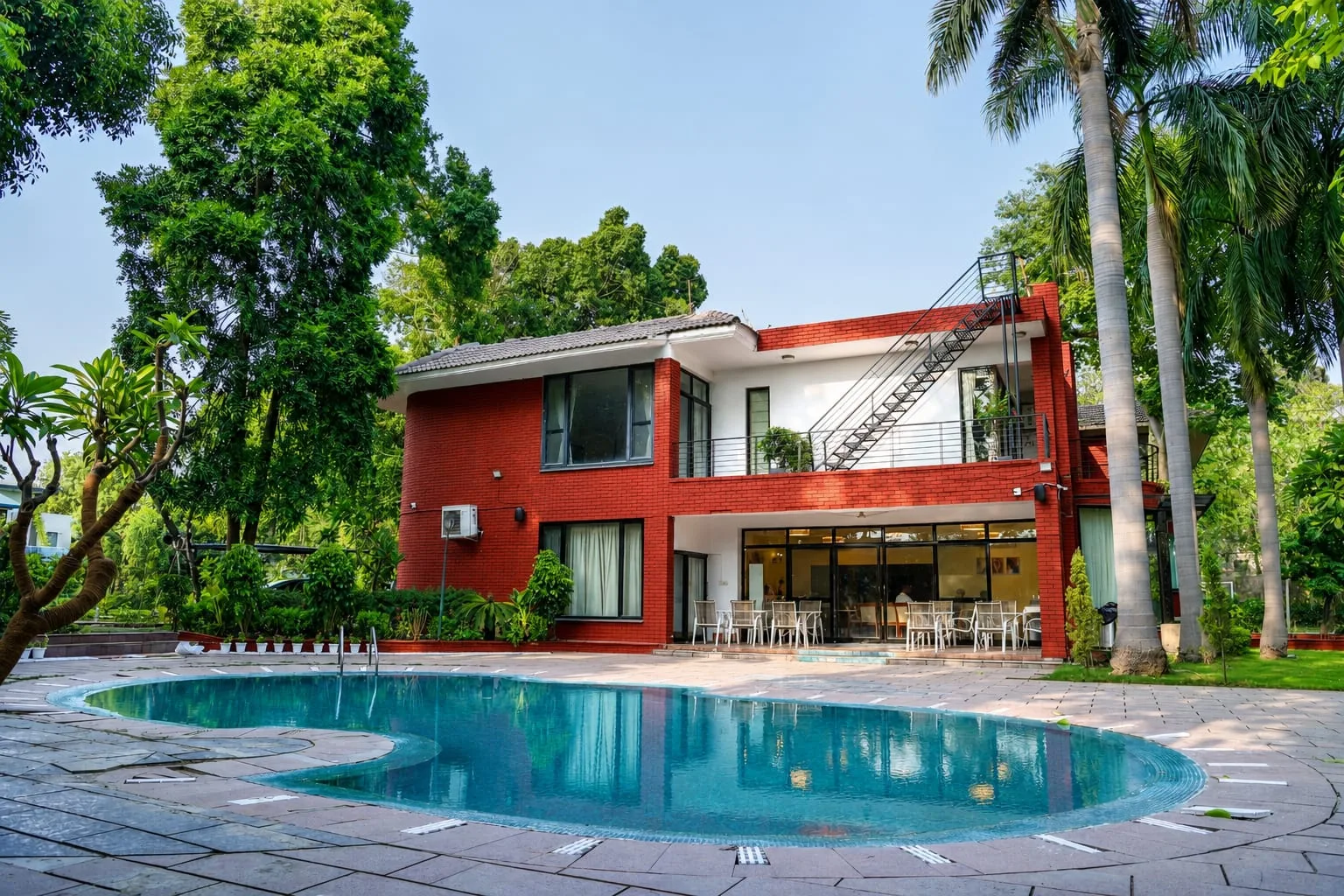
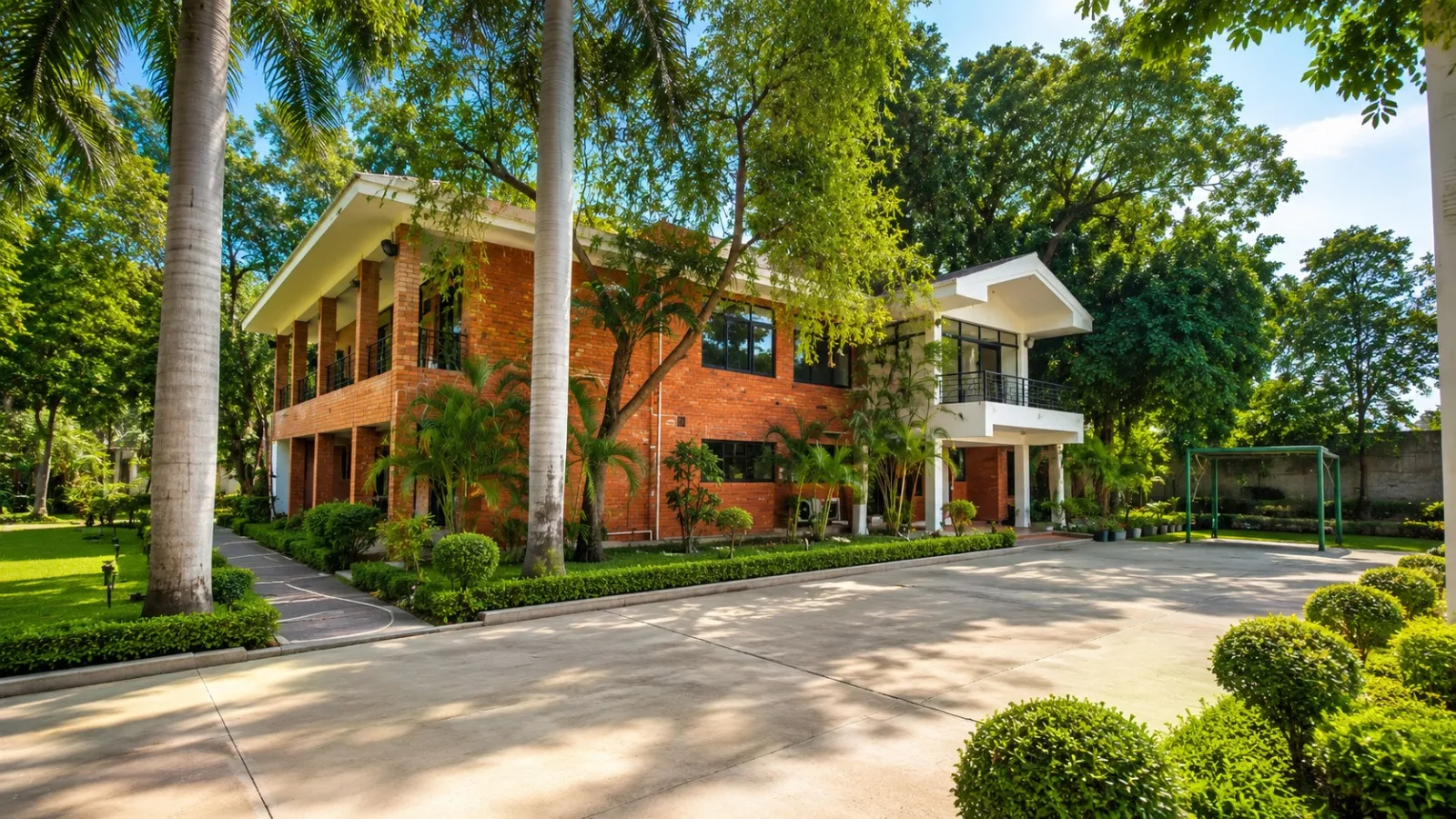
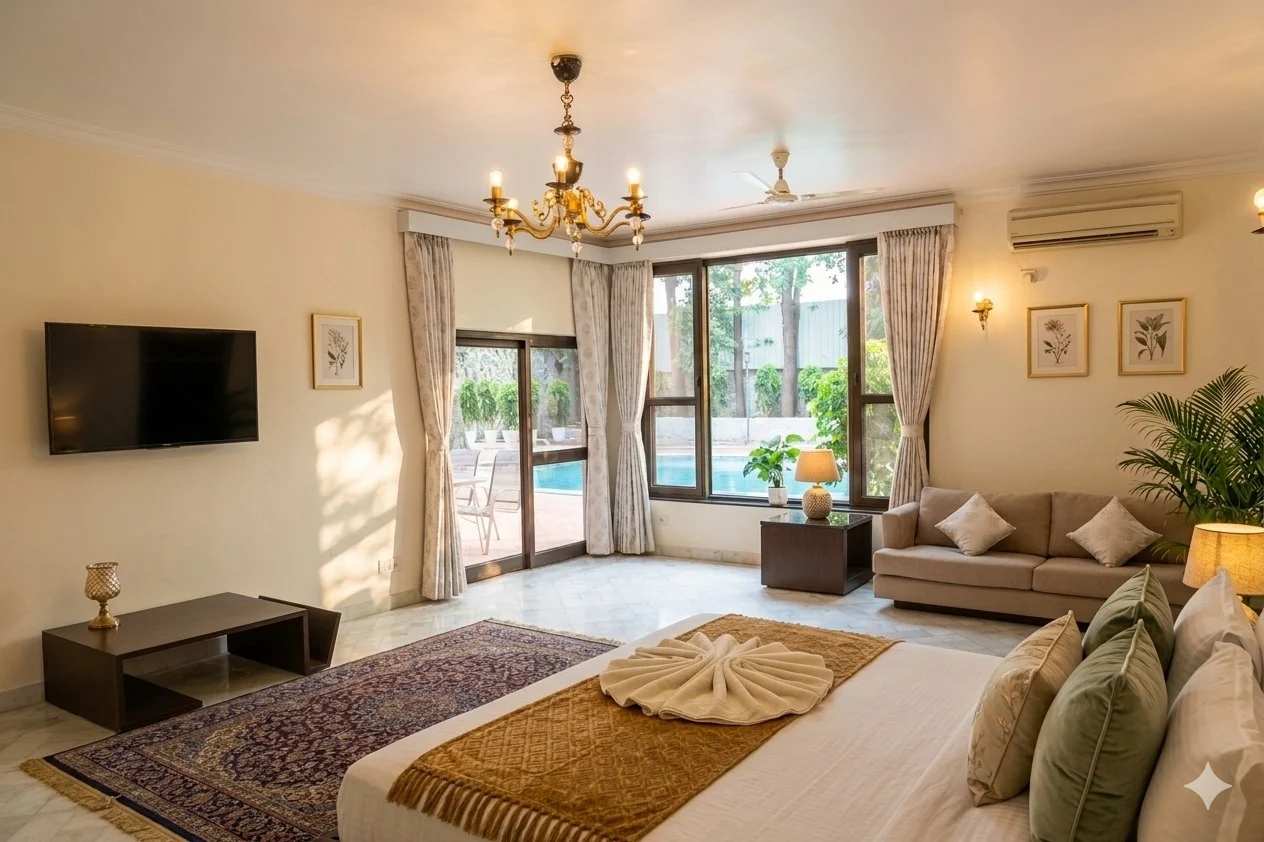
Anvaya Retreat is a private luxury wellness center and recovery retreat designed for individuals seeking premium mental health and wellness care. Located in Kapashera, South West Delhi, Anvaya Retreat offers comprehensive recovery programs for addiction and a wide range of mental health disorders. Anvaya blends evidence-based treatment with world-class hospitality in a serene, confidential environment, making it an ideal destination for professionals, business leaders, and executives seeking the highest standard of care. Anvaya is led by Dr. Sneha Sharma, Consultant Psychiatrist, and is supported by a multidisciplinary team of experienced psychiatrists, clinical psychologists, counselling psychologists, therapists, and wellness professionals who work together to provide personalized, holistic care. Nestled amidst lush greenery, Anvaya Retreat offers a peaceful, nature-inspired sanctuary where individuals can reduce stress, heal emotionally, and break free from unhealthy patterns. Every treatment journey is thoughtfully designed to address not only the symptoms but also the underlying emotional, psychological, social, and lifestyle factors that influence long-term recovery and overall well-being.
2. Athena Behavioral Health
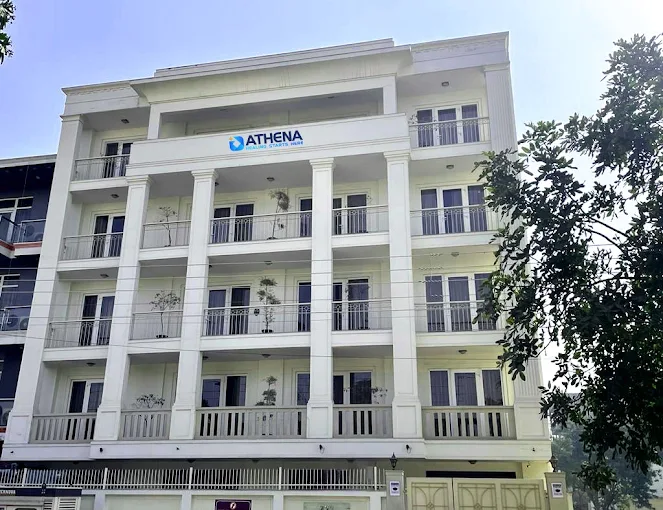
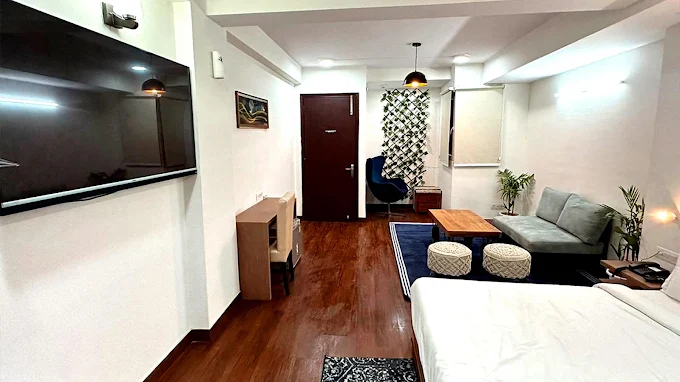
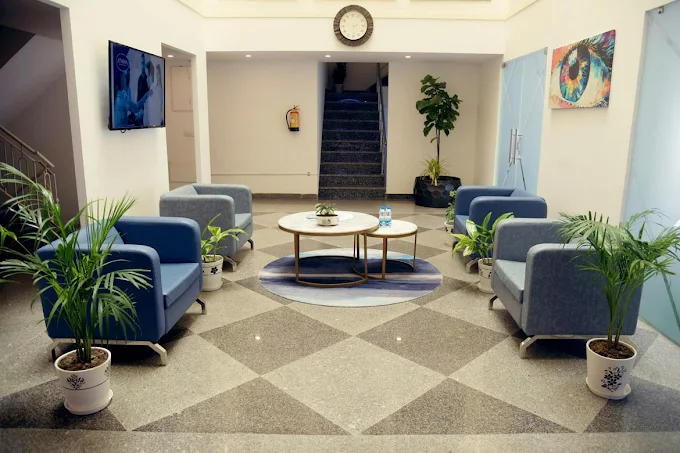
Athena Behavioral Health is dedicated to reshaping the landscape of mental health and addiction treatment in India. Founded by a team with firsthand experience of caregiving challenges and the complexities of mental health, Athena is driven by a commitment to compassionate, evidence-based care that truly makes a difference. Its approach integrates global best practices with a patient-centered philosophy, offering individualized therapy, holistic support, and innovative treatment solutions tailored to each client's unique needs. With a team of skilled professionals and a supportive environment, Athena Behavioral Health strives to be a sanctuary where individuals can begin their journey to recovery, rediscover hope, and regain control over their lives, promoting healing and empowering clients to pursue long-term wellness.
3. Jagruti Rehabilitation Centre
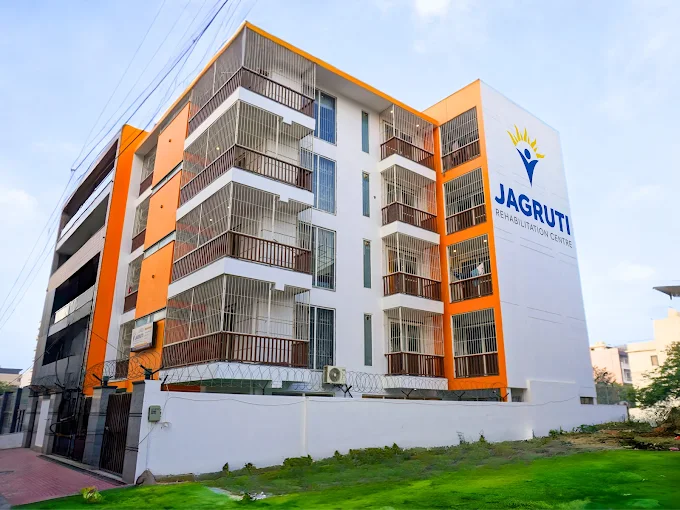
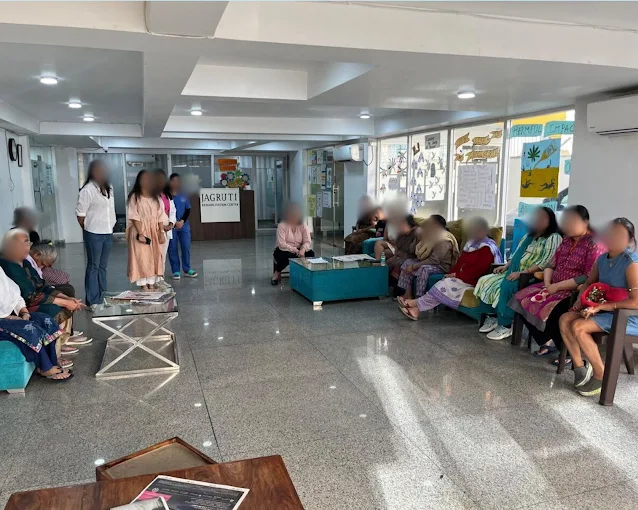
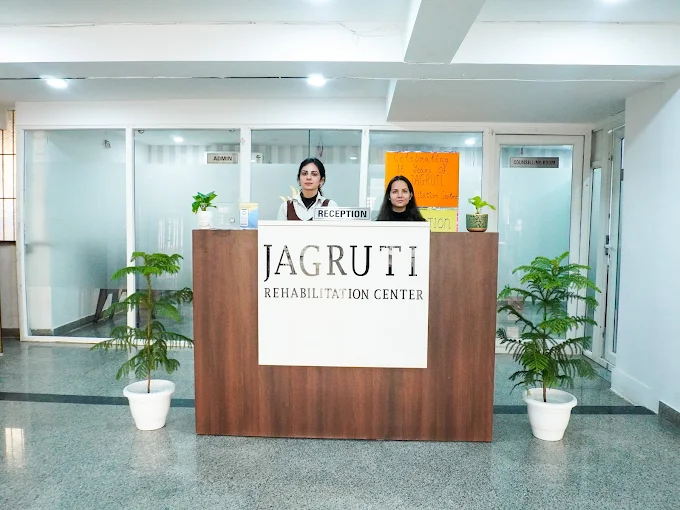
Jagruti Rehab is a rehabilitation and mental health centre in India that provides treatment for alcohol addiction, drug dependency, behavioural addictions, and mental health disorders. The centre follows a comprehensive recovery approach that combines the 12-Step Recovery Program with counselling, psychotherapy, and psychiatric care. Its multidisciplinary team includes psychiatrists, psychologists, counsellors, and addiction specialists who offer personalised treatment in a supportive and respectful environment. Established in 2006, Jagruti Rehab has grown into a major neuro-psychological rehabilitation facility in Maharashtra. The centre offers specialized care for addiction recovery, mental health conditions, dementia, and neurological disorders through dedicated treatment units and inpatient facilities.
4. Maarga Rehab
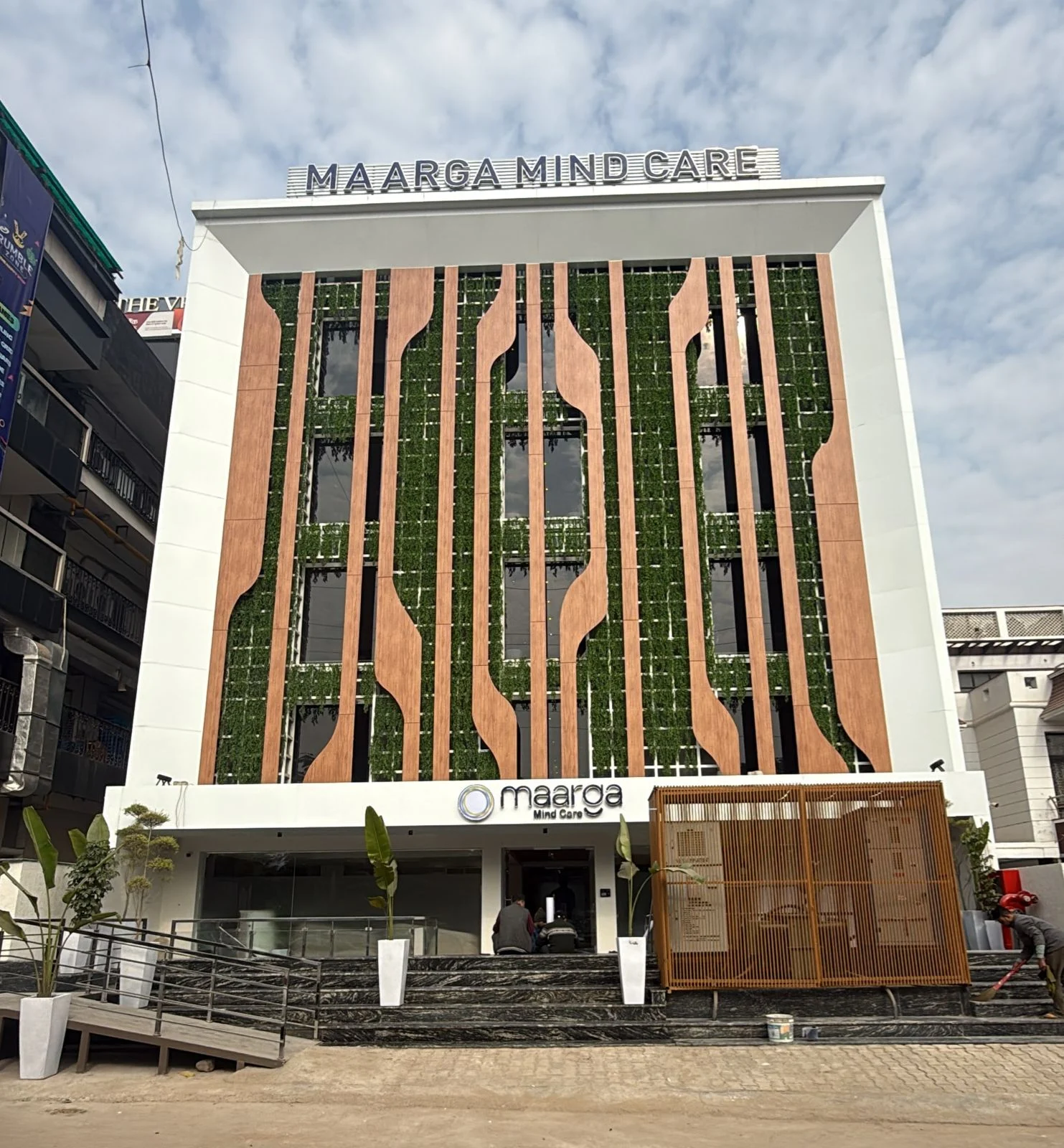
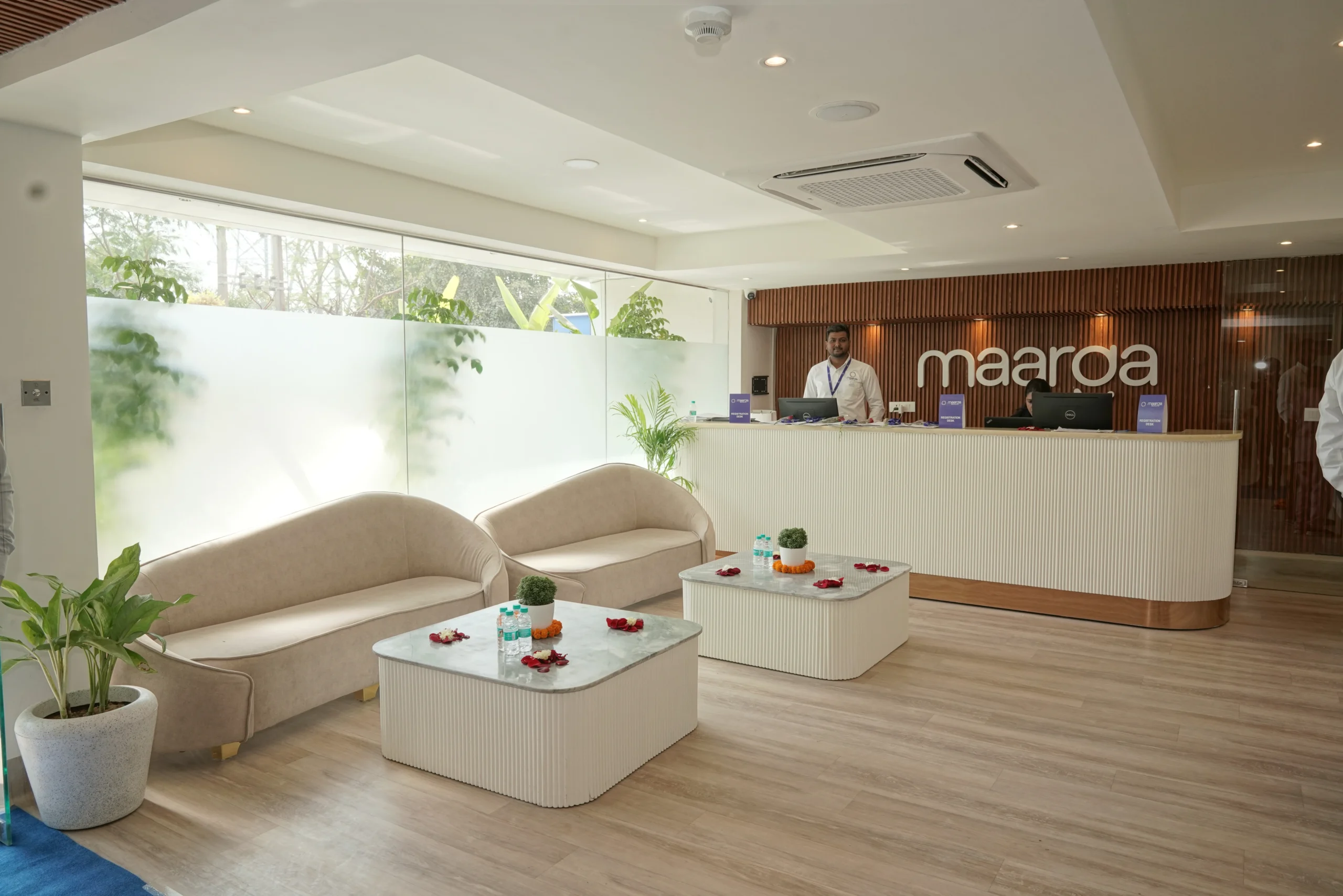
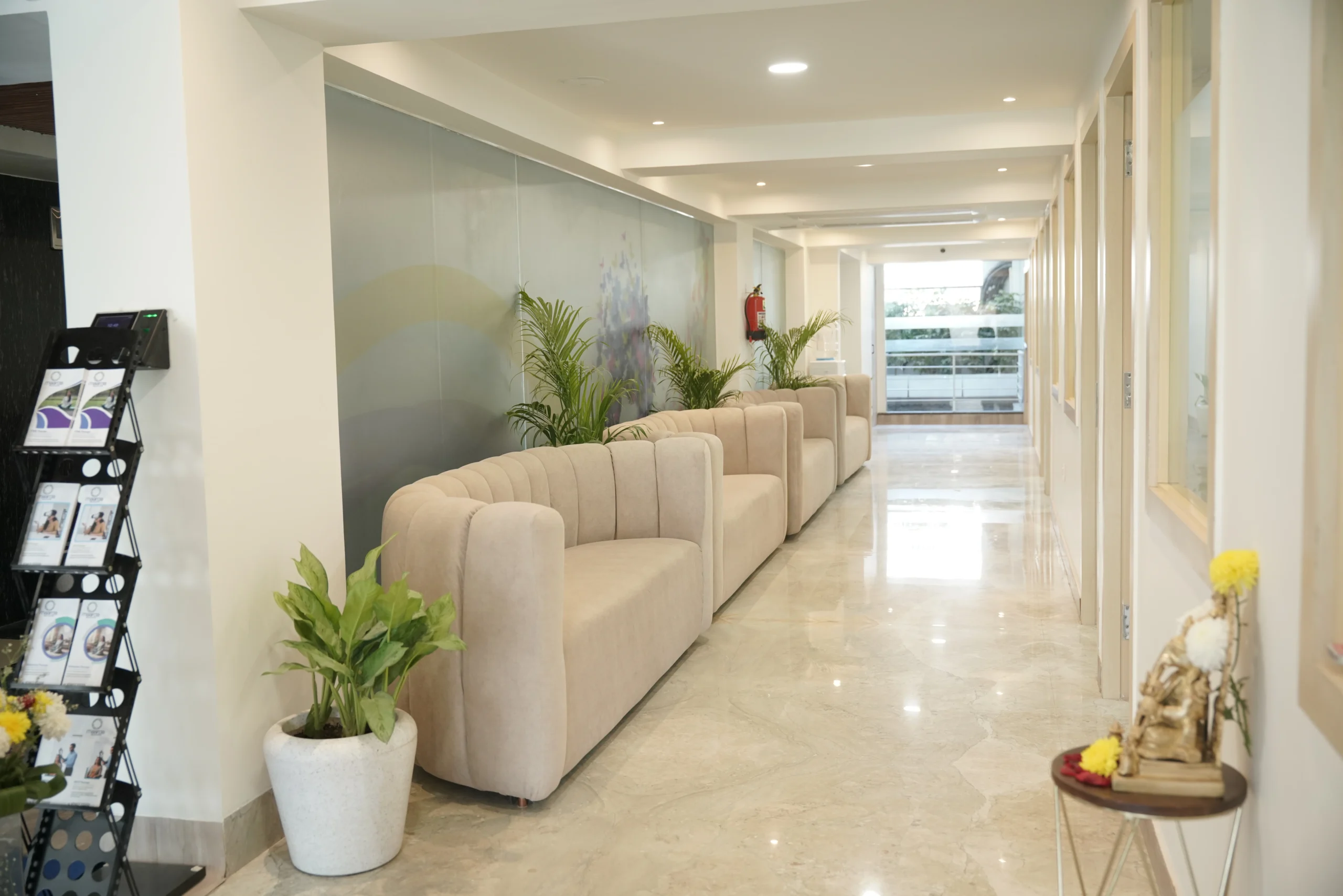
Maarga Mind Care is a state-of-the-art psychiatric hospital with rehabilitation and wellness centers, transforming mental healthcare in India, with facilities in Gurgaon (Delhi NCR). Its team of experienced psychiatrists and psychologists provides personalized and compassionate care, combining clinical expertise with evidence-based therapeutic interventions to help individuals navigate life's challenges and build resilience. The standalone facility features modern infrastructure and offers a holistic, multidisciplinary range of services, including acute and chronic psychiatric care, rehabilitation, and mental wellness programs. Dedicated to supporting individuals across all age groups, Maarga Mind Care delivers specialized mental health services tailored to diverse needs.
5. AIMAN Rehab

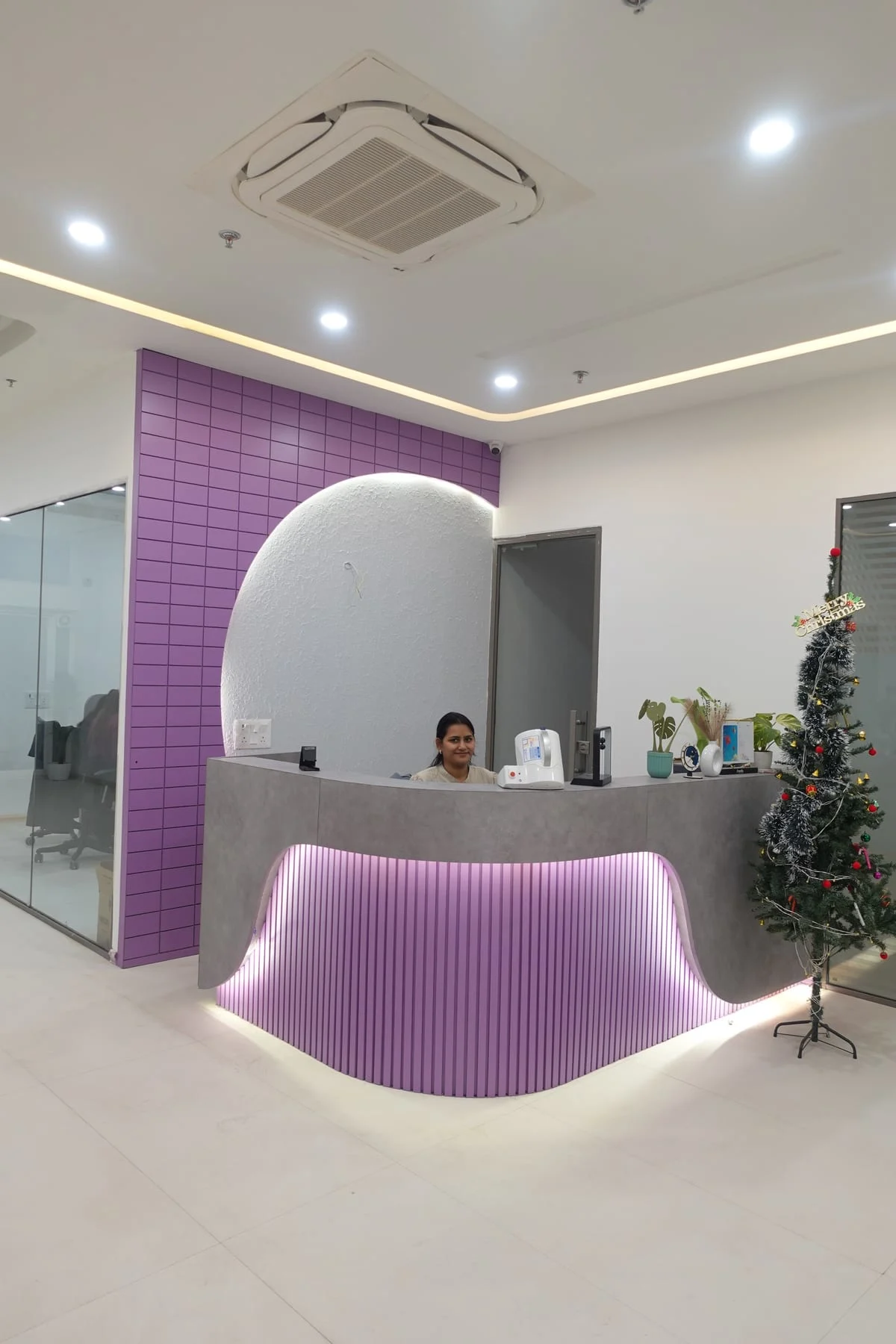
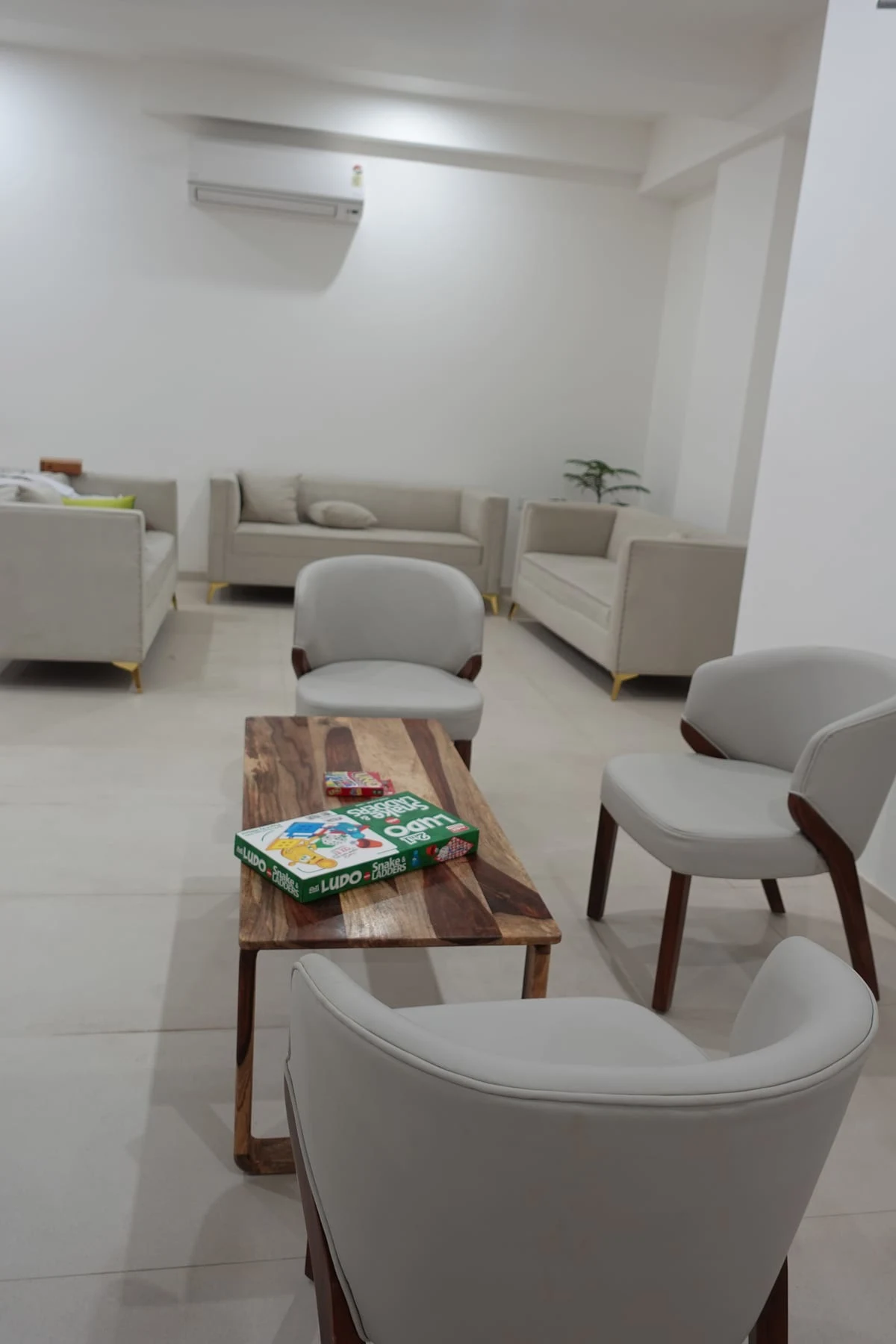
AIMAN – Ataraxia Institute of Mental Health & Neurosciences is dedicated to redefining how mental healthcare is accessed and delivered across India. The institute believes every individual deserves high-quality, evidence-based, and holistic mental health support, with a vision to prioritize mental health alongside physical health. Backed by a multidisciplinary team of psychiatrists, clinical psychologists, neurologists, and experienced counsellors, AIMAN offers world-class care through state-of-the-art facilities and evidence-led practices. Based in Gurugram Delhi NCR, the institute specializes in psychiatry, psychology, and neurology, including depression treatment, anxiety counseling, and addiction recovery, backed by over 25 years of clinical experience. AIMAN leads with empathy, innovation, and a long-term vision—driving a transformative shift toward inclusive, compassionate, and comprehensive mental health care for individuals and families.
6. Tulasi Healthcare
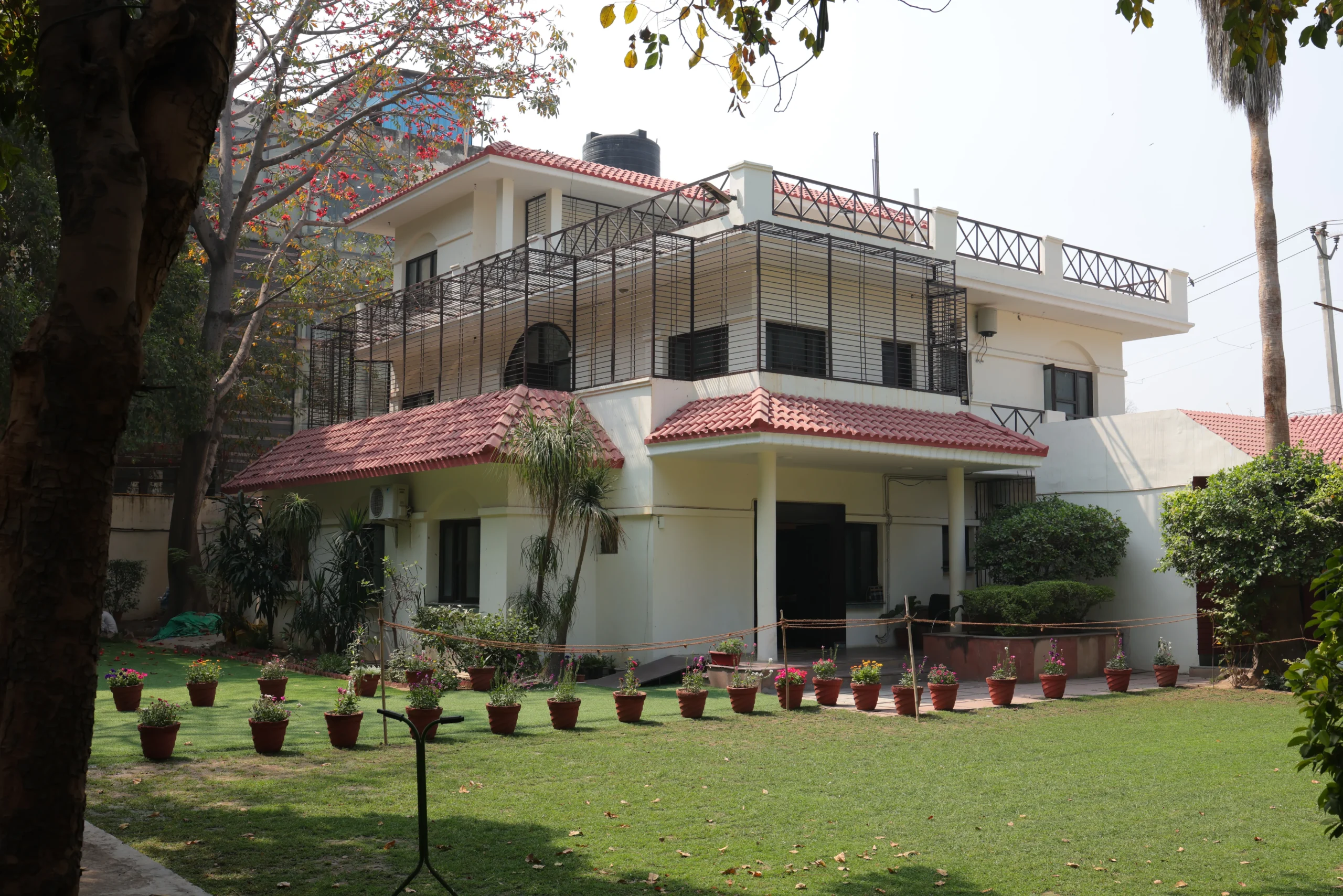
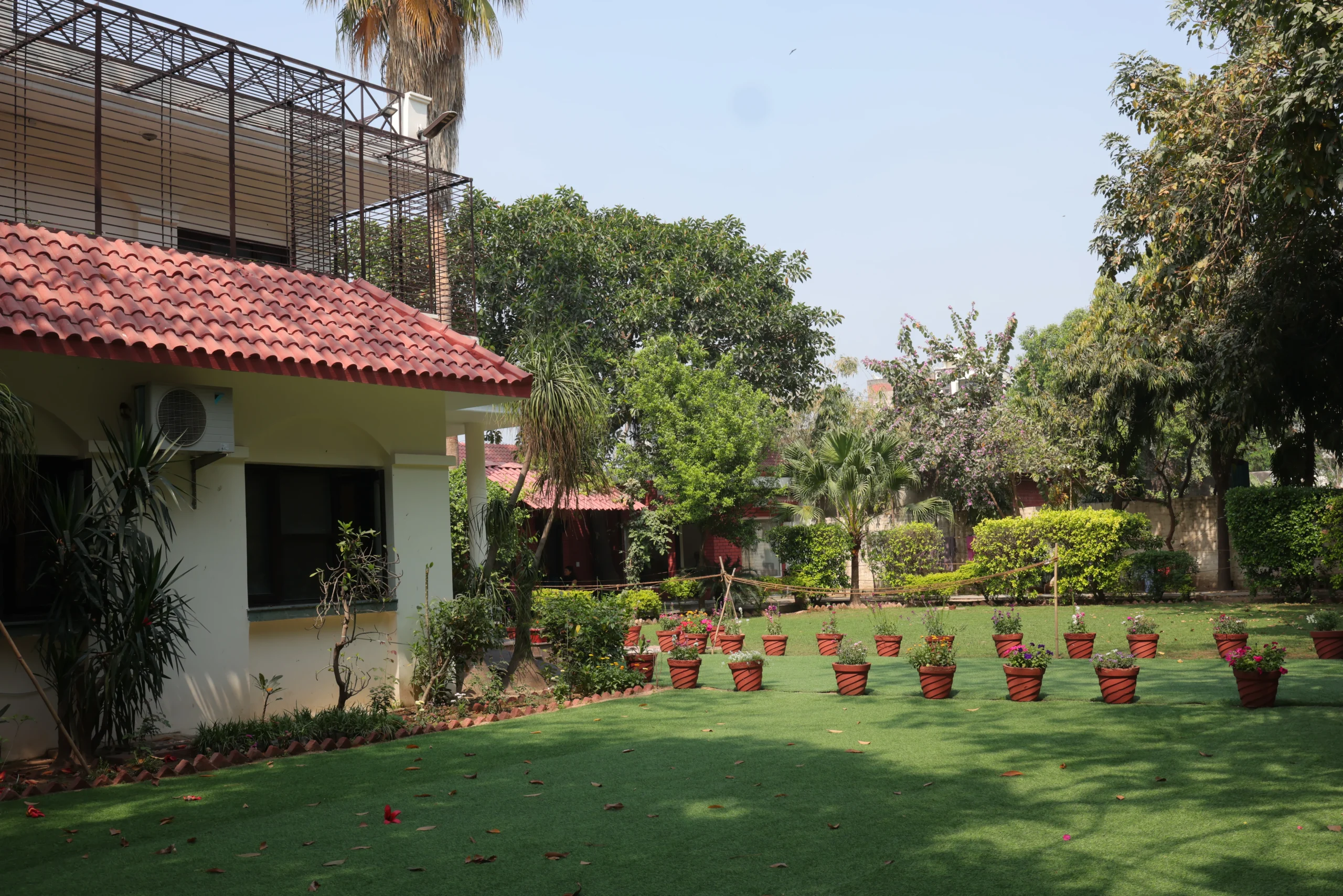
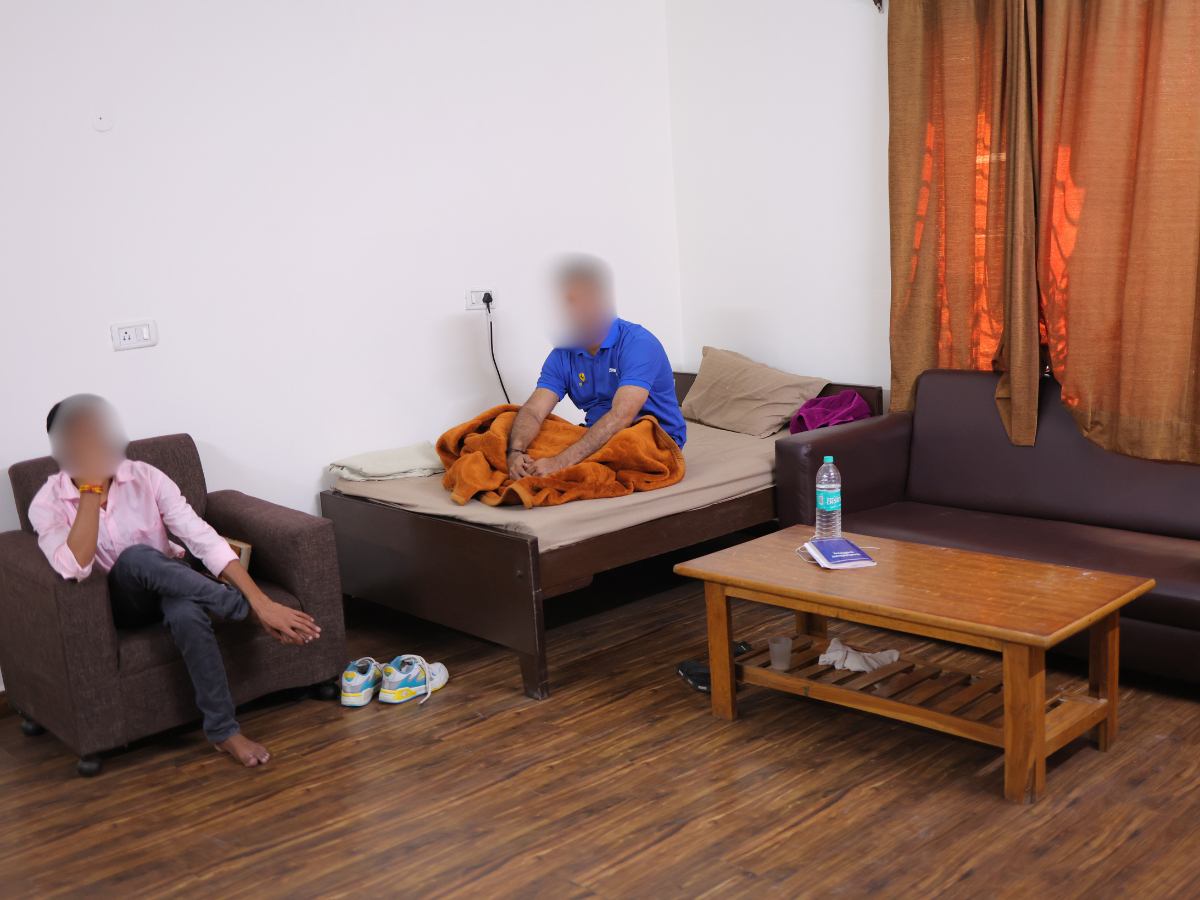
Tulasi Healthcare is a renowned group of psychiatric hospitals and rehabilitation centers in Delhi and Gurgaon, specializing in the treatment of substance abuse and mental illnesses. Starting with a small facility for 10 patients in Mehrauli, the center expanded through 'Tulasi' (a halfway house for chronic mental illnesses) and the Mandi Road center, increasing the total patient capacity to 125. A new state-of-the-art facility in Gurgaon will add capacity for another 125 patients, supported by a staff of 100. Treatment modalities include medication, psychosocial rehabilitation, and family education. The center treats conditions such as schizophrenia, bipolar disorder, OCD, dementia, and dual diagnosis, as well as substance addiction (alcohol, tobacco, marijuana, cocaine), utilizing CBT and integrative therapies like yoga and meditation.
7. Sukoon Health
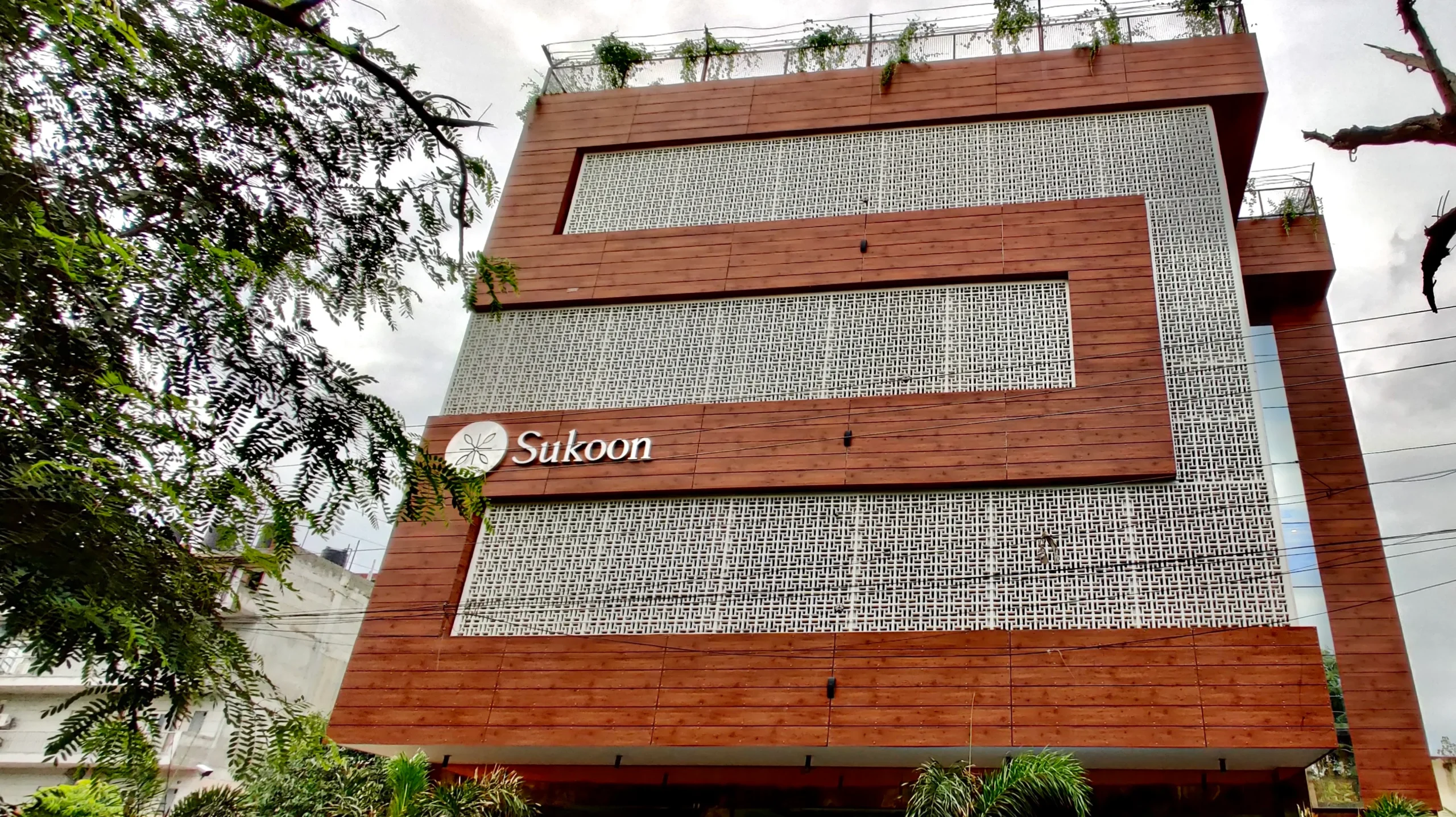
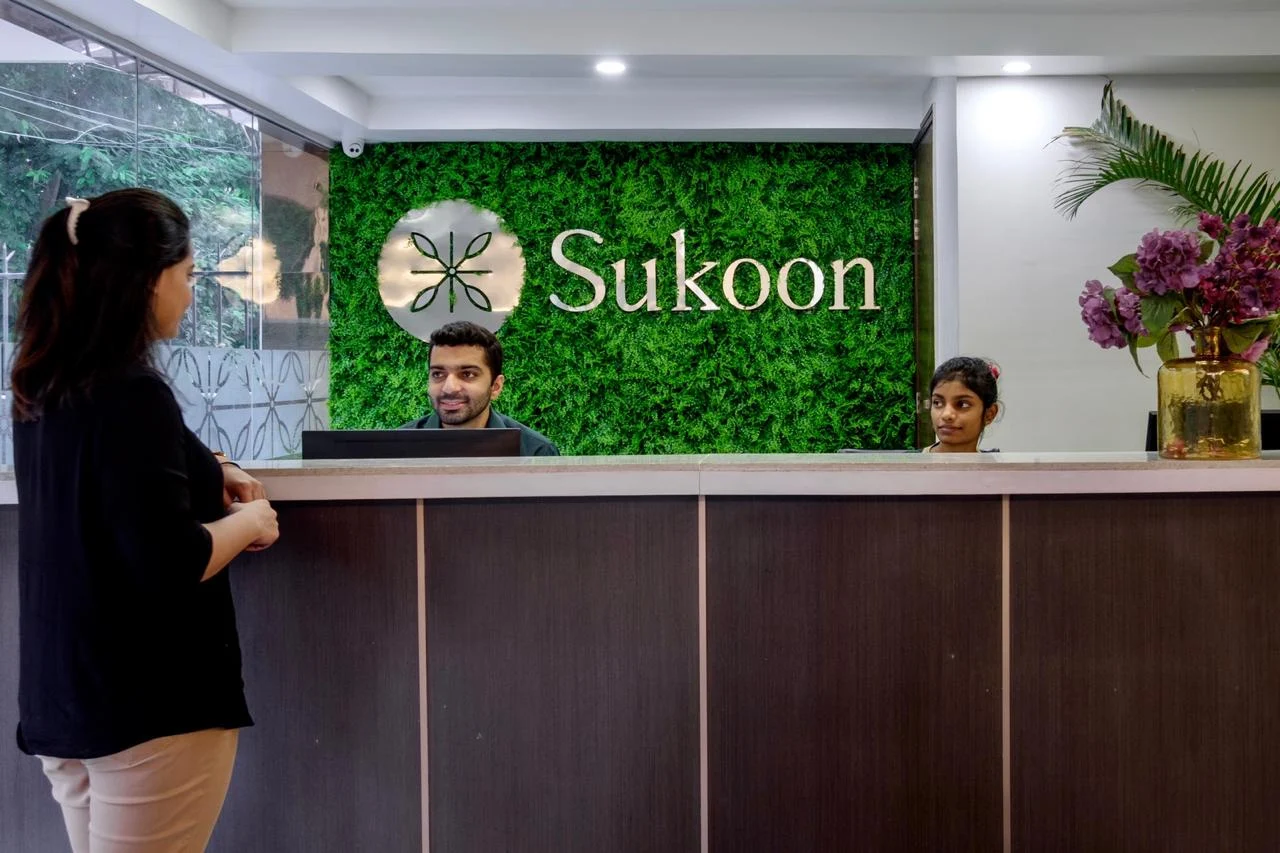
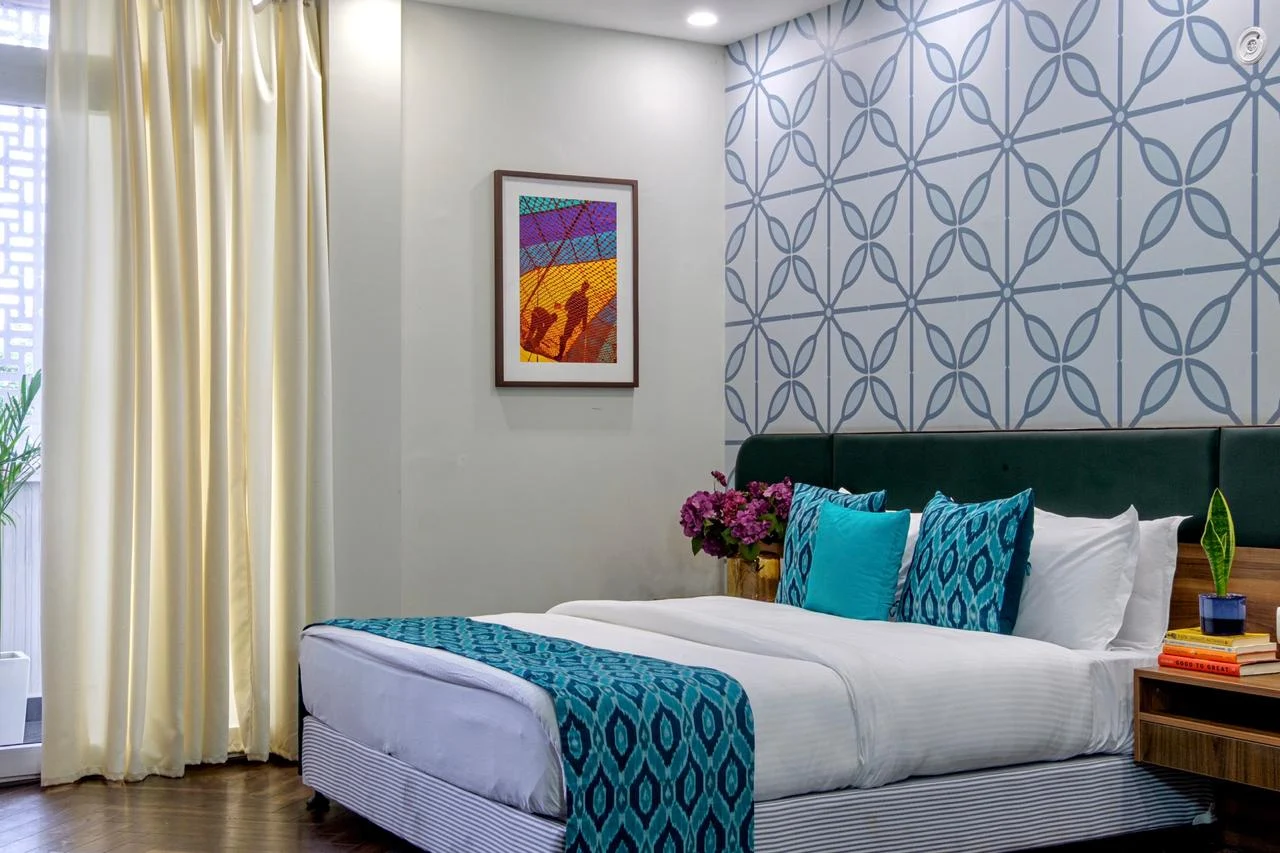
Sukoon Health is India's leading chain of mental health rehabilitation and wellness centers, offering residential and outpatient psychiatry, psychology, and de-addiction services across India, including Delhi NCR. The organization follows a personalized recovery model that places the individual at the center of the care ecosystem. Its multidisciplinary team—comprising psychiatrists, clinical psychologists, counsellors, psychiatric social workers, art therapists, nurses, general physicians, and pharmacists—delivers a comprehensive approach to mental healthcare, ensuring that every aspect of an individual's well-being is addressed with expertise, compassion, and empathy.
8. Roar Wellness Rehabilitation Center

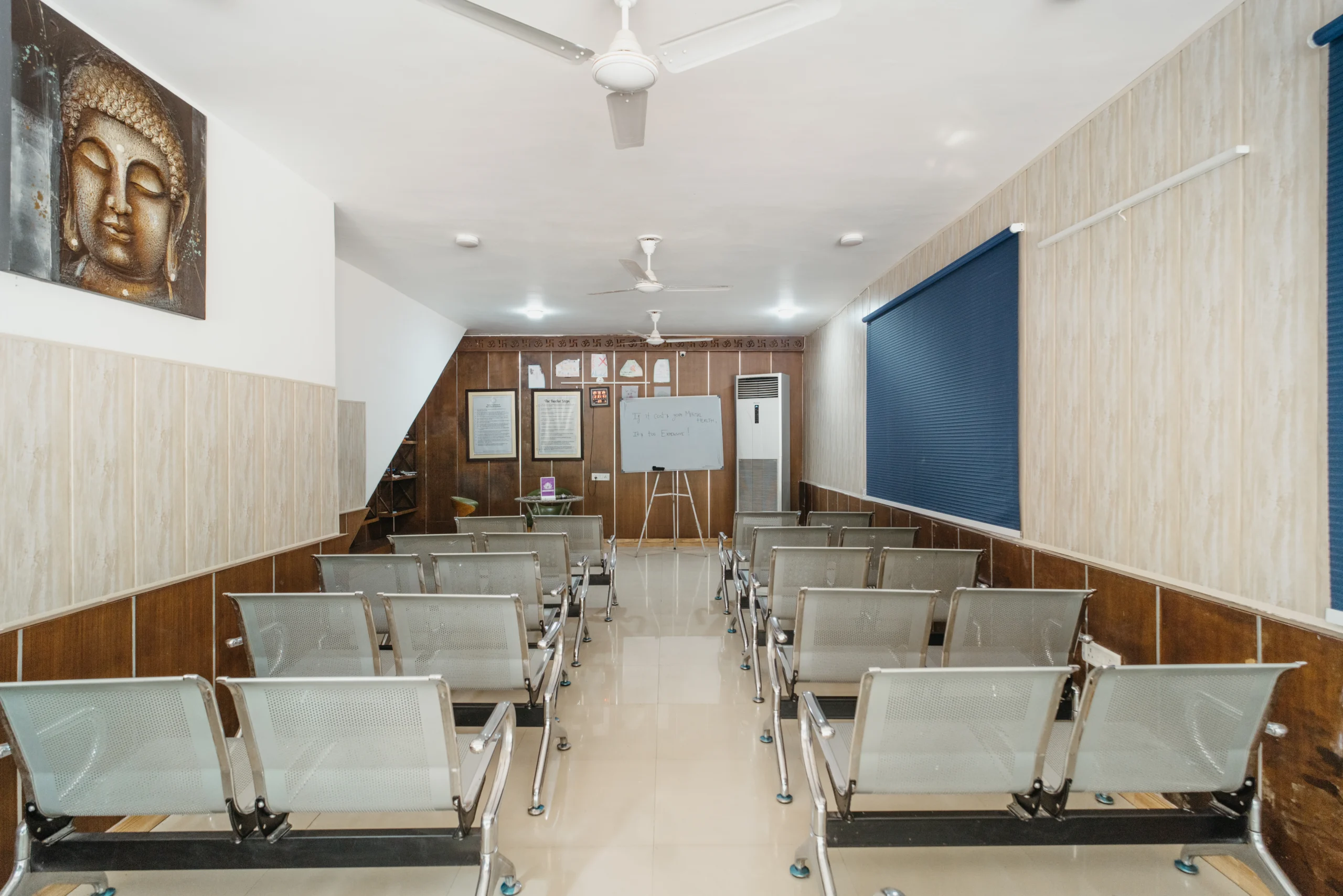
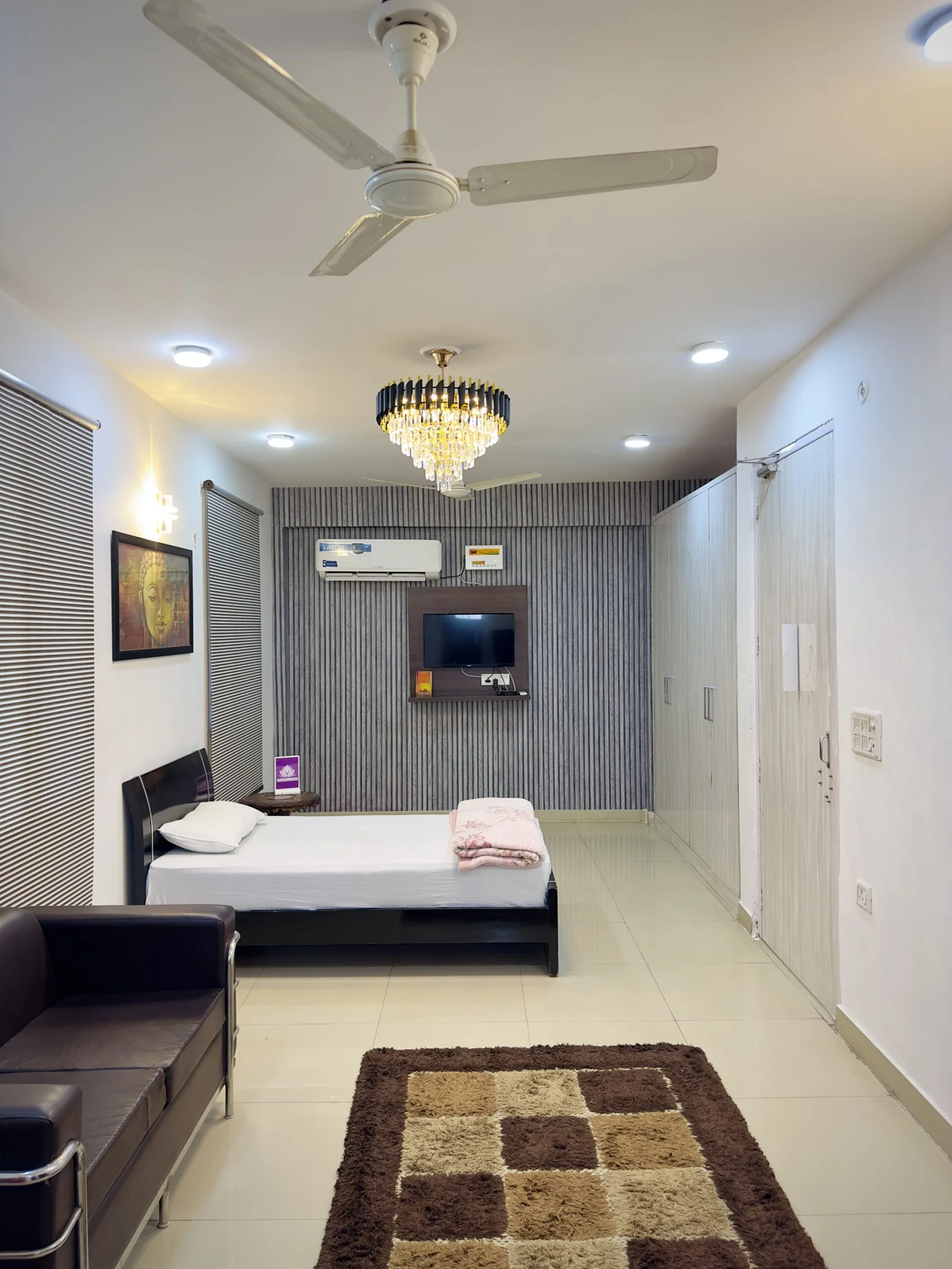
Roar Wellness Rehabilitation Center is a luxury rehab and wellness center in New Delhi, specializing in evidence-based treatment for addiction, mental health disorders, and dual diagnosis. Established in 2013, the center provides comprehensive recovery programs for alcohol addiction, drug addiction, opioid and heroin dependence, methamphetamine and marijuana addiction, depression, dementia, and co-occurring mental health conditions. With a multidisciplinary team of experienced psychiatrists, psychologists, therapists, and addiction specialists, Roar Wellness delivers personalized treatment in a safe, confidential, and supportive environment. The center combines medical care, psychotherapy, holistic wellness therapies, and relapse prevention strategies to promote long-term recovery and emotional well-being. Serving patients from Delhi NCR, Uttar Pradesh, Haryana, Punjab, Chandigarh, and across India, Roar Wellness is committed to helping individuals rebuild healthier, addiction-free lives with dignity and compassion.
9. Manovya Wellness Centre
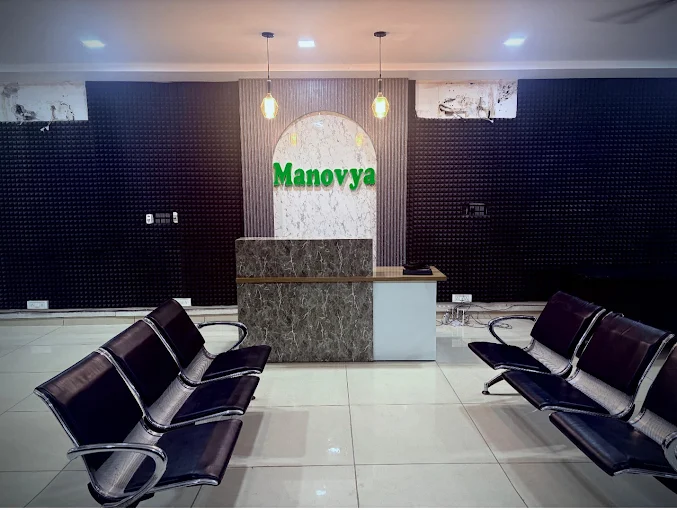
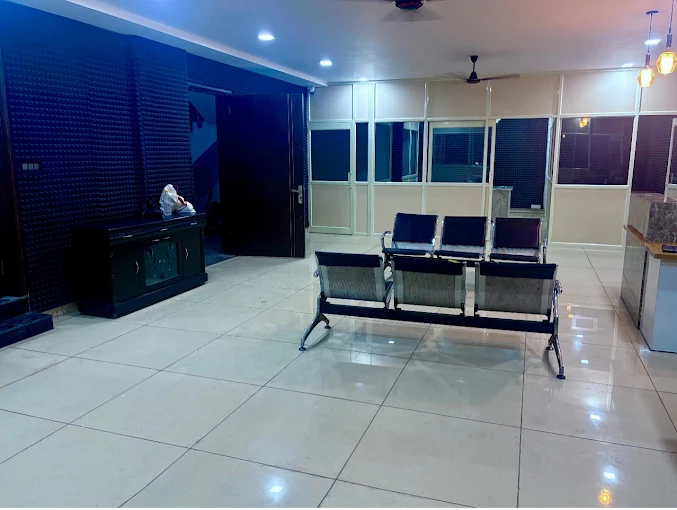
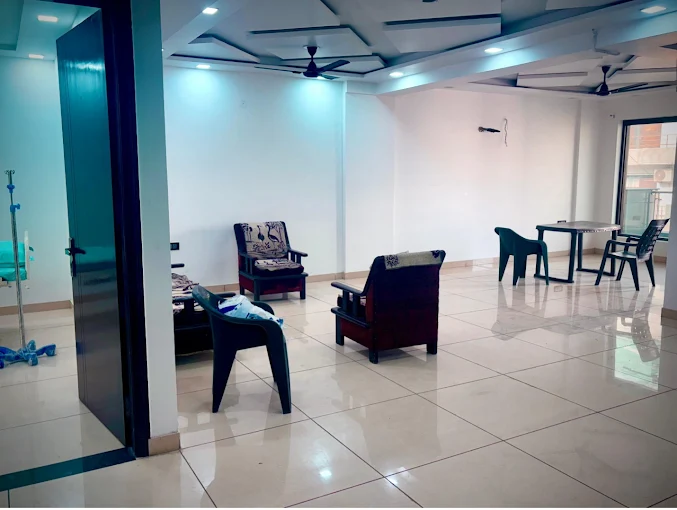
Manovya is a mental health and addiction treatment centre in Dwarka, New Delhi, dedicated to reshaping how mental health care is delivered in India. Combining compassion, science, and personalized attention, it offers a safe sanctuary for individuals recovering from mental health concerns, addiction, and neurological disorders, guided by a belief in accessible, respectful, and human-centred care. Its mission is to deliver world-class, confidential care through personalized treatment plans, while its vision is to become India's most trusted leader in mental health and addiction care nationwide. Core values include empathy, respect, integrity, collaboration, empowerment, and excellence. A multidisciplinary team of psychiatrists, psychologists, and therapists provides treatment for depression, anxiety, bipolar disorder, schizophrenia, PTSD, OCD, and neurological conditions supporting long-term recovery through a patient-first, evidence-based approach.
What Is Included in a Gaming Addiction Rehabilitation Program?
Psychiatric & Psychological Assessment
Treatment begins with a detailed psychiatric and psychological evaluation covering gaming patterns, screen time, emotional triggers, family dynamics, academic or occupational functioning, and co-occurring conditions such as depression, anxiety, or ADHD. Standardized assessments measure addiction severity, guiding an individualized treatment plan.
Individual Counseling & Cognitive Behavioral Therapy
Cognitive Behavioral Therapy (CBT) helps individuals identify unhealthy thinking patterns that reinforce excessive gaming and build healthier coping strategies. Individual counseling further addresses stress, loneliness, anxiety, or trauma contributing to compulsive gaming behavior.
Family & Group Therapy
Family therapy improves communication, establishes healthy digital boundaries, and reduces conflict within the home. Group therapy provides peer support and encourages healthier social interaction, supported by motivational interviewing to strengthen commitment to change.
Digital Habit Management
Rather than eliminating technology, treatment focuses on balanced digital habits through time management techniques, structured daily schedules, and healthy gaming limits. Digital detox programs gradually reduce dependence while replacing compulsive gaming with productive activities.
Holistic Wellness Programs
Yoga, mindfulness meditation, breathing exercises, physical fitness, outdoor recreation, art therapy, music therapy, and journaling help reduce stress and build emotional resilience. Recreational activities encourage face-to-face interaction and rediscovery of offline hobbies.
Behavioral Modification & Structured Aftercare
Programs include behavioral modification, life skills training, stress management, nutritional guidance, and relapse prevention education. Residential centers add supervised accommodation, 24-hour support, educational assistance for teenagers, and continuous progress monitoring.
Long-Term Recovery and Relapse Prevention
Recovery from gaming addiction continues well beyond completing a rehabilitation program. Most treatment centers provide structured aftercare that includes follow-up counseling, family education, relapse prevention planning, digital wellness coaching, academic or workplace support, and periodic psychiatric reviews when necessary. Patients learn to recognize emotional triggers, maintain balanced technology use, strengthen social relationships, improve stress management, and establish meaningful offline activities. Continued professional guidance significantly reduces the likelihood of relapse while supporting healthy long-term digital habits.