
Aftercare Rehabilitation Centres
Completing a rehabilitation program is a significant milestone, but lasting recovery requires continued care long after residential treatment ends. The transition from a structured rehabilitation environment back into everyday life often presents new emotional, social, and environmental challenges that can increase the risk of relapse. Aftercare rehabilitation programs provide ongoing medical, psychological, and social support that helps individuals maintain recovery, strengthen healthy habits, and successfully adapt to independent living. Whether recovering from addiction, mental illness, or behavioral disorders, structured aftercare significantly improves long-term treatment outcomes and overall quality of life. This guide explains aftercare rehabilitation, the services commonly included, and how to choose an effective aftercare program.
View Top Centres ↓
What Is an Aftercare Rehabilitation Program?
Aftercare rehabilitation is a structured continuation of treatment that begins after completing inpatient or intensive outpatient rehabilitation. Rather than ending treatment at discharge, aftercare provides ongoing professional support through counseling, psychiatric follow-up, relapse prevention planning, support groups, family therapy, and regular progress monitoring. Every aftercare plan is personalized according to the individual's diagnosis, treatment progress, recovery goals, home environment, employment status, and potential relapse risks. Effective aftercare serves as a bridge between formal rehabilitation and independent living, helping individuals maintain the progress achieved during treatment.
Why Aftercare Is Essential for Long-Term Recovery
Recovery does not end when someone leaves a rehabilitation center. Individuals often encounter familiar environments, stressful situations, emotional triggers, and social pressures that can challenge their newly developed coping skills. Aftercare provides continuous guidance during this vulnerable period through professional counseling, accountability, emotional support, and relapse prevention strategies. Research consistently shows that individuals who actively participate in structured aftercare programs experience higher long-term recovery rates, better emotional stability, and lower relapse risk than those who discontinue treatment immediately after discharge.
Who Should Participate in an Aftercare Program?
Aftercare benefits nearly every individual completing rehabilitation, regardless of the condition being treated. It is particularly valuable for individuals recovering from alcohol addiction, drug dependence, behavioral addictions, depression, bipolar disorder, schizophrenia, anxiety disorders, obsessive-compulsive disorder (OCD), post-traumatic stress disorder (PTSD), eating disorders, and dual diagnosis conditions. Patients with repeated relapses, limited family support, or ongoing emotional challenges often require more intensive aftercare services to maintain recovery and prevent future setbacks.
Benefits of Choosing a Rehabilitation Center with Strong Aftercare
Rehabilitation centers that provide structured aftercare offer significantly greater continuity of care than facilities that end treatment at discharge. Patients benefit from ongoing professional guidance, early intervention when challenges arise, consistent medication monitoring, stronger family involvement, and improved emotional stability. Long-term support also increases confidence, encourages accountability, and provides reassurance that help remains available whenever recovery becomes challenging. These factors collectively contribute to better treatment outcomes and sustained recovery.
Top Rehabilitation Centers That Offer Comprehensive Aftercare Programs
1. Anvaya Retreat
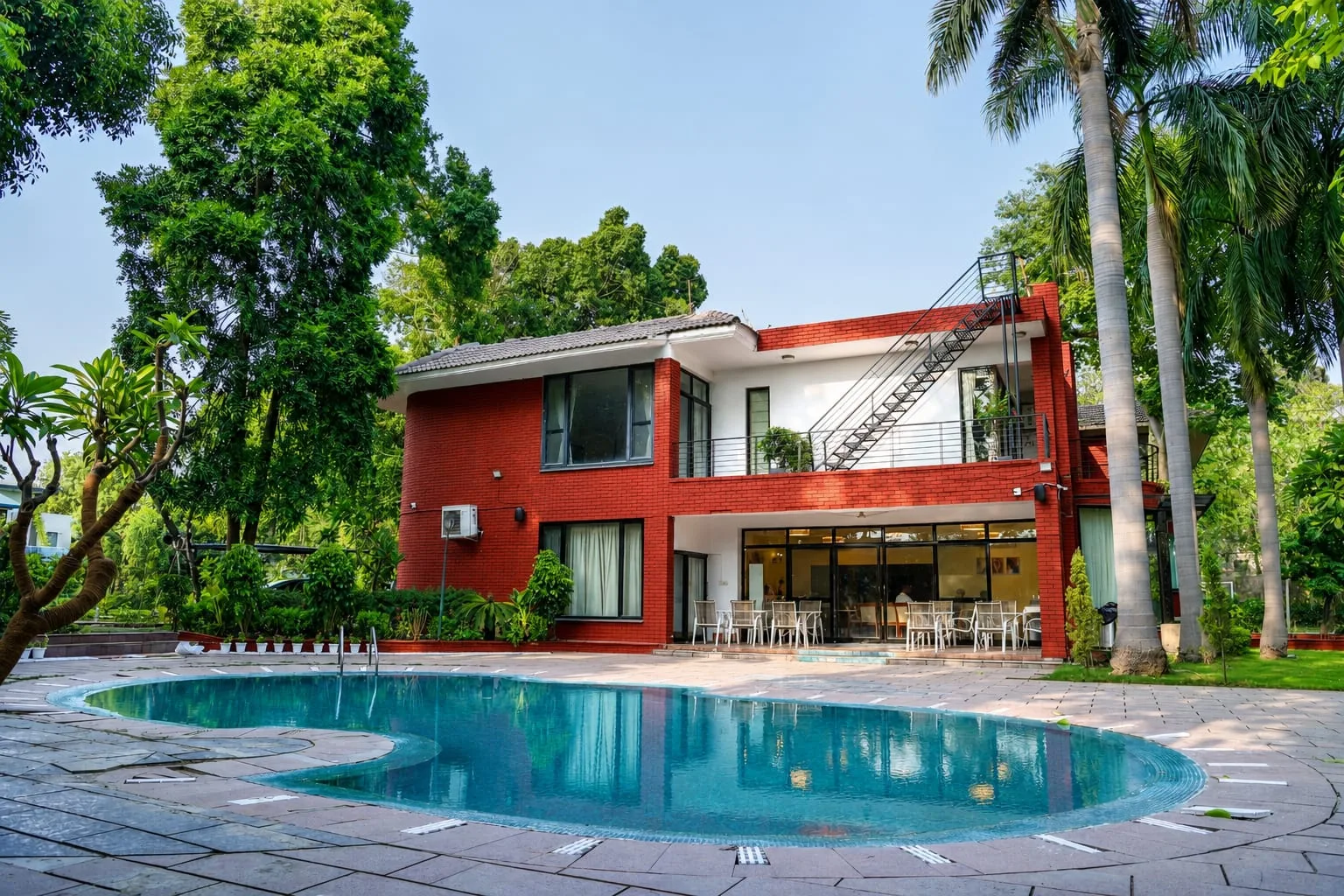
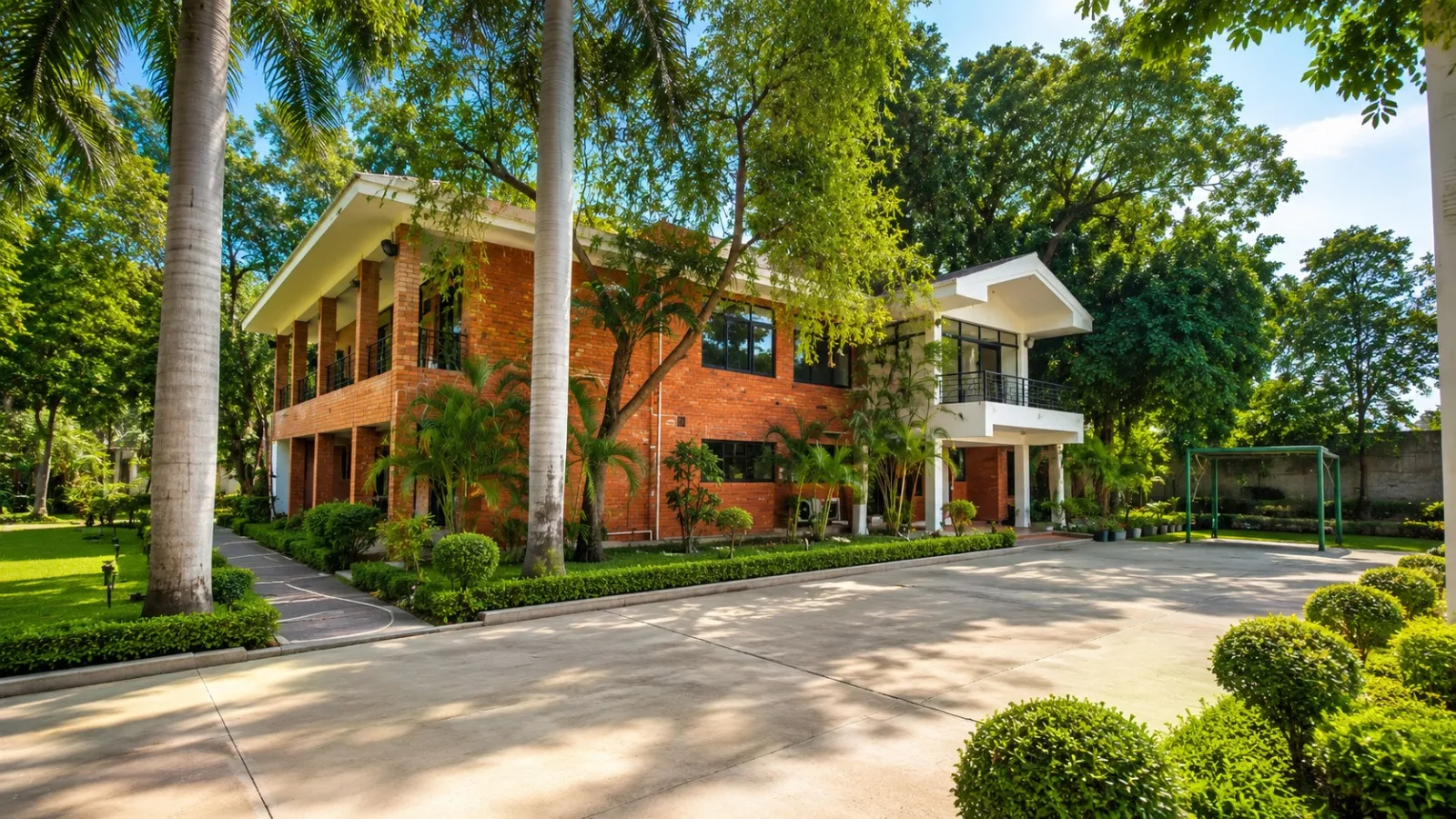
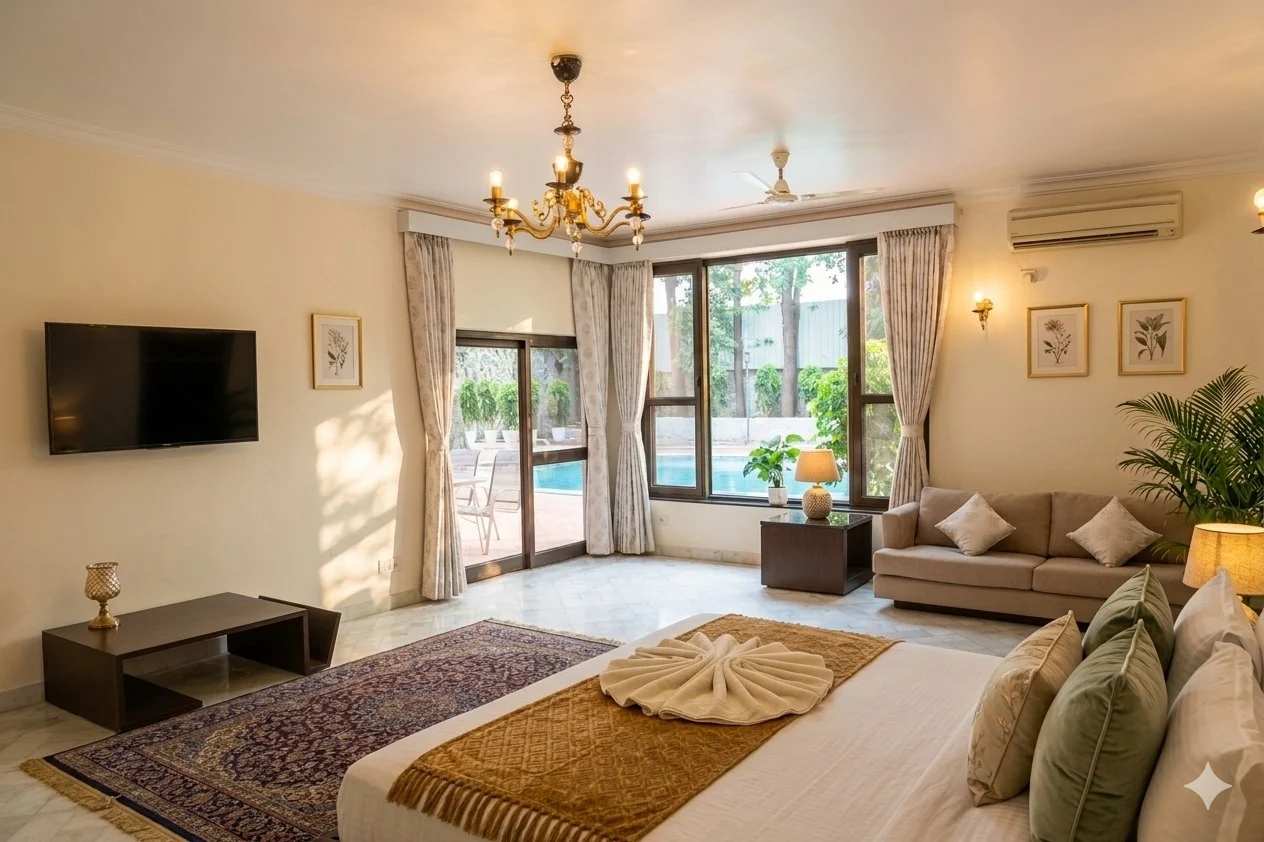
Anvaya Retreat is a private luxury wellness center and recovery retreat designed for individuals seeking premium mental health and wellness care. Located in Kapashera, South West Delhi, Anvaya Retreat offers comprehensive recovery programs for addiction and a wide range of mental health disorders. Anvaya blends evidence-based treatment with world-class hospitality in a serene, confidential environment, making it an ideal destination for professionals, business leaders, and executives seeking the highest standard of care. Anvaya is led by Dr. Sneha Sharma, Consultant Psychiatrist, and is supported by a multidisciplinary team of experienced psychiatrists, clinical psychologists, counselling psychologists, therapists, and wellness professionals who work together to provide personalized, holistic care. Nestled amidst lush greenery, Anvaya Retreat offers a peaceful, nature-inspired sanctuary where individuals can reduce stress, heal emotionally, and break free from unhealthy patterns. Every treatment journey is thoughtfully designed to address not only the symptoms but also the underlying emotional, psychological, social, and lifestyle factors that influence long-term recovery and overall well-being.
2. Athena Behavioral Health
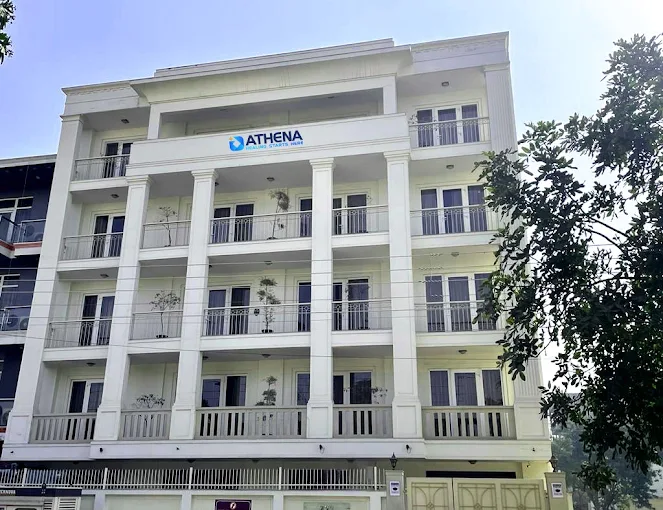
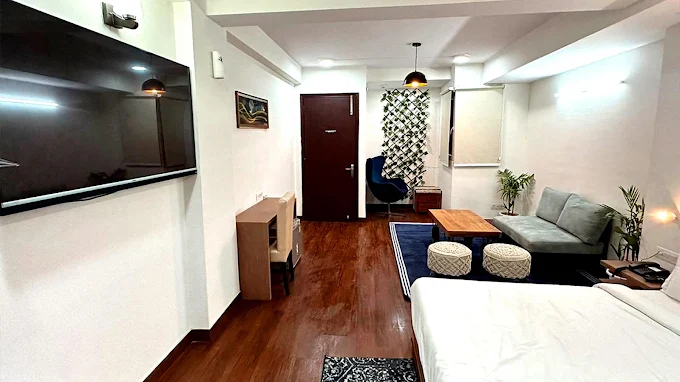
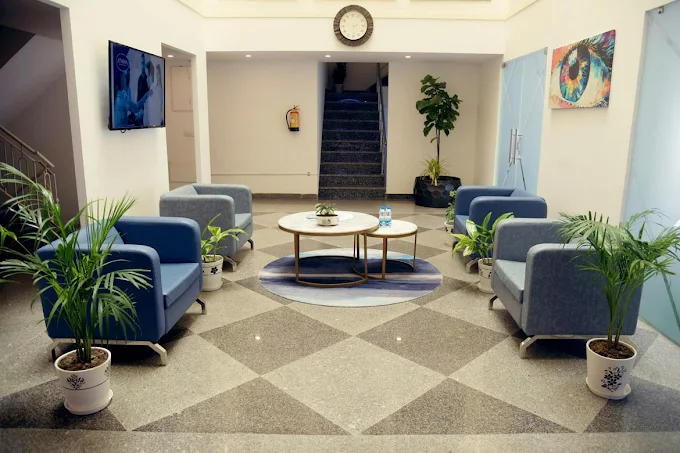
Athena Behavioral Health is dedicated to reshaping the landscape of mental health and addiction treatment in India. Founded by a team with firsthand experience of caregiving challenges and the complexities of mental health, Athena is driven by a commitment to compassionate, evidence-based care that truly makes a difference. Its approach integrates global best practices with a patient-centered philosophy, offering individualized therapy, holistic support, and innovative treatment solutions tailored to each client's unique needs. With a team of skilled professionals and a supportive environment, Athena Behavioral Health strives to be a sanctuary where individuals can begin their journey to recovery, rediscover hope, and regain control over their lives, promoting healing and empowering clients to pursue long-term wellness.
3. Jagruti Rehabilitation Centre
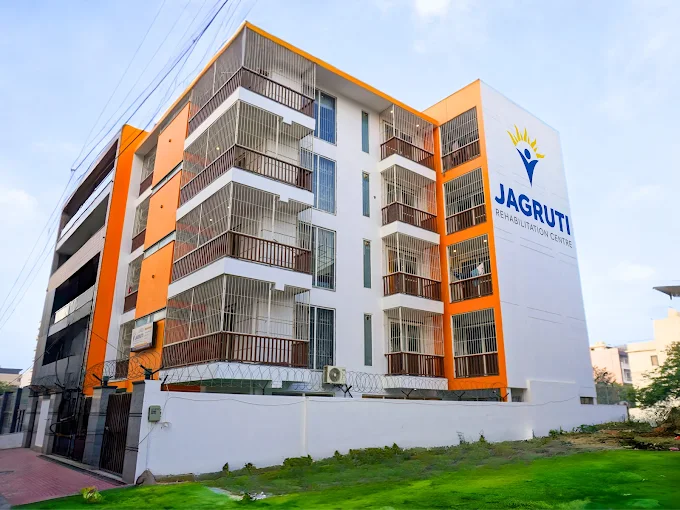
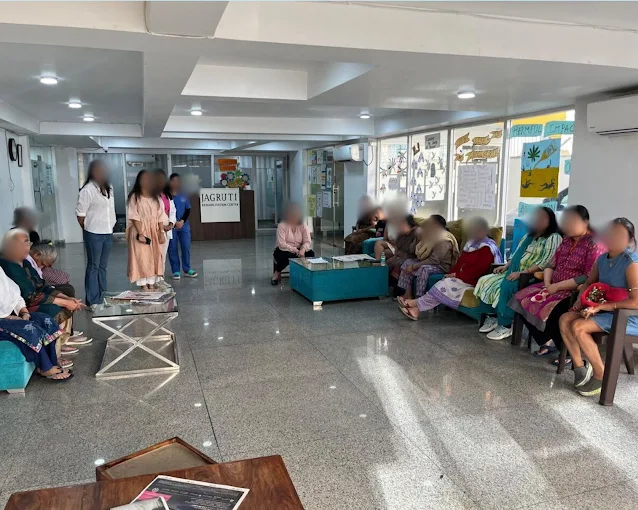
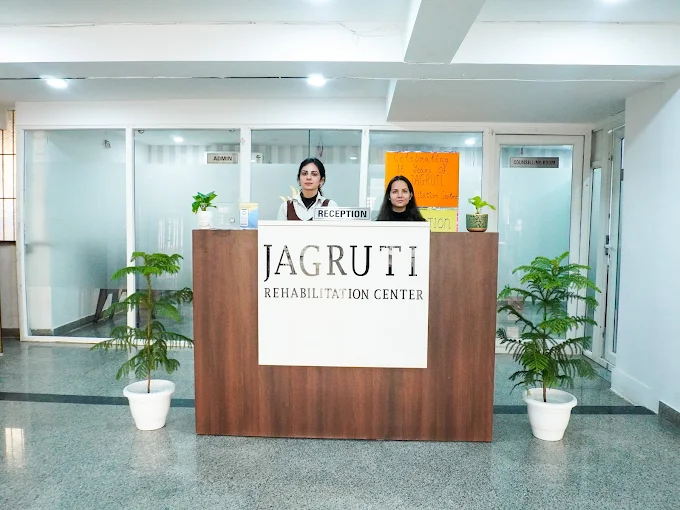
Jagruti Rehab is a rehabilitation and mental health centre in India that provides treatment for alcohol addiction, drug dependency, behavioural addictions, and mental health disorders. The centre follows a comprehensive recovery approach that combines the 12-Step Recovery Program with counselling, psychotherapy, and psychiatric care. Its multidisciplinary team includes psychiatrists, psychologists, counsellors, and addiction specialists who offer personalised treatment in a supportive and respectful environment. Established in 2006, Jagruti Rehab has grown into a major neuro-psychological rehabilitation facility in Maharashtra. The centre offers specialized care for addiction recovery, mental health conditions, dementia, and neurological disorders through dedicated treatment units and inpatient facilities.
4. Roar Wellness Rehabilitation Center

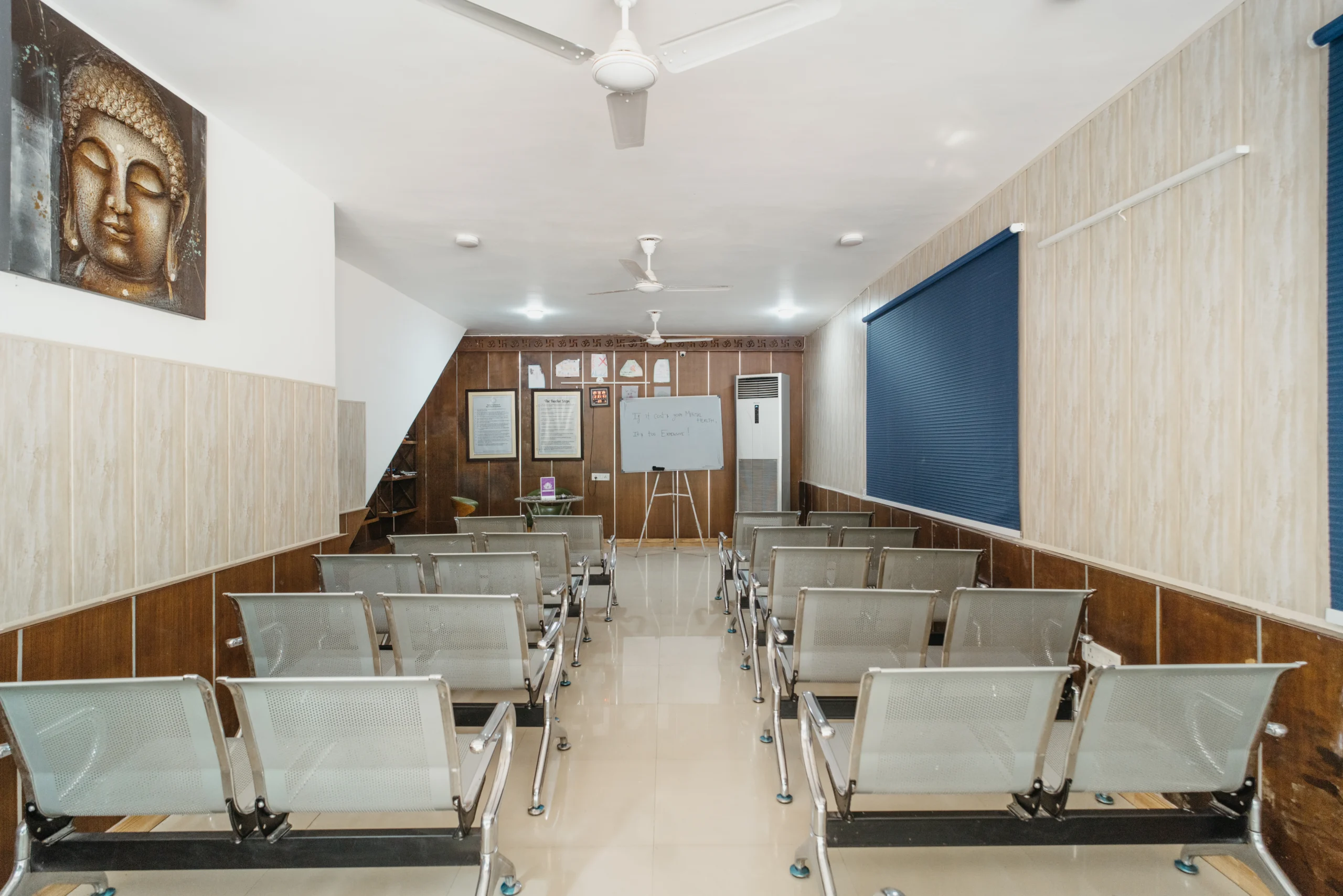
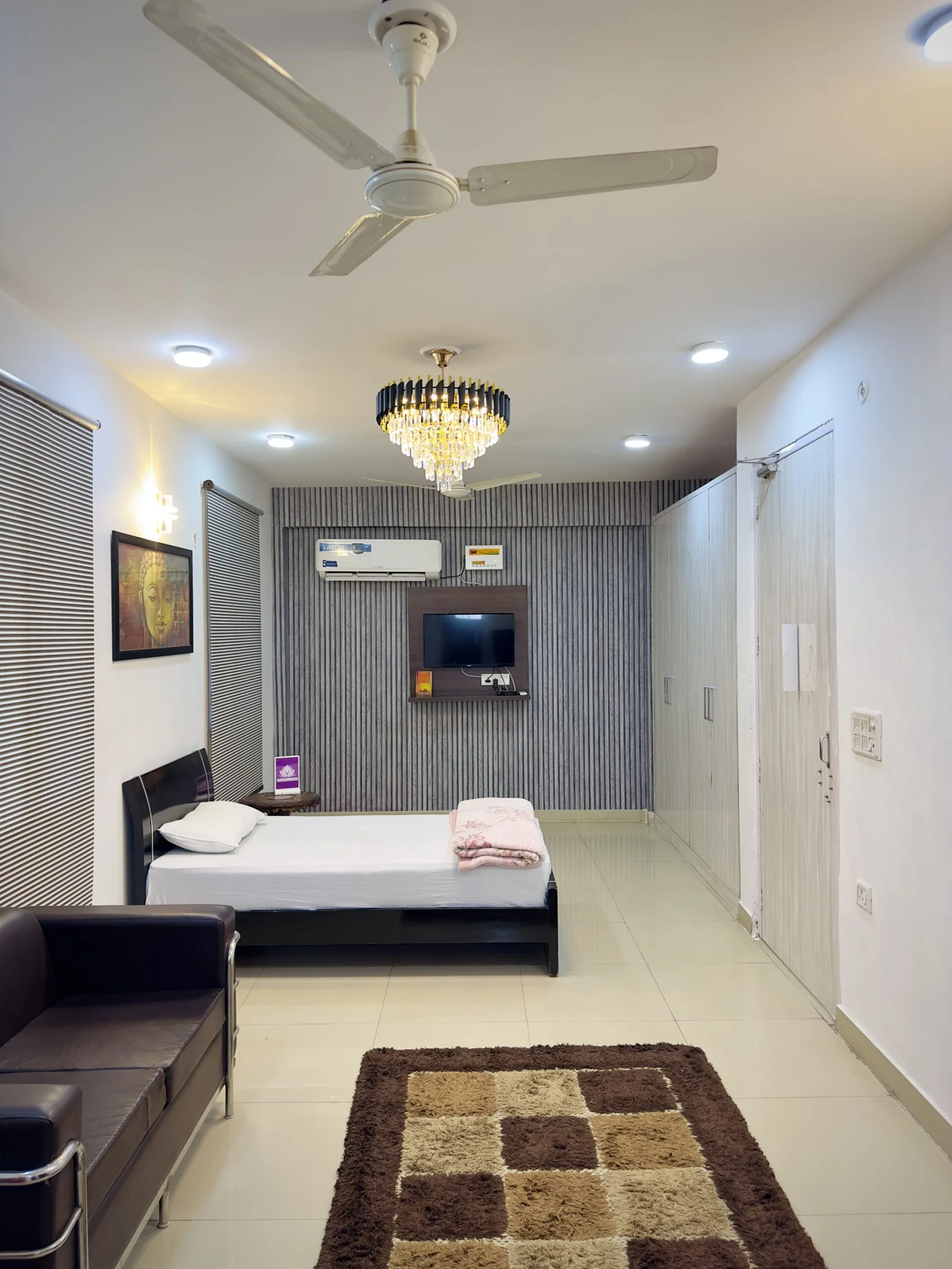
Roar Wellness Rehabilitation Center is a luxury rehab and wellness center in New Delhi, specializing in evidence-based treatment for addiction, mental health disorders, and dual diagnosis. Established in 2013, the center provides comprehensive recovery programs for alcohol addiction, drug addiction, opioid and heroin dependence, methamphetamine and marijuana addiction, depression, dementia, and co-occurring mental health conditions. With a multidisciplinary team of experienced psychiatrists, psychologists, therapists, and addiction specialists, Roar Wellness delivers personalized treatment in a safe, confidential, and supportive environment. The center combines medical care, psychotherapy, holistic wellness therapies, and relapse prevention strategies to promote long-term recovery and emotional well-being. Serving patients from Delhi NCR, Uttar Pradesh, Haryana, Punjab, Chandigarh, and across India, Roar Wellness is committed to helping individuals rebuild healthier, addiction-free lives with dignity and compassion.
5. Sukoon Health
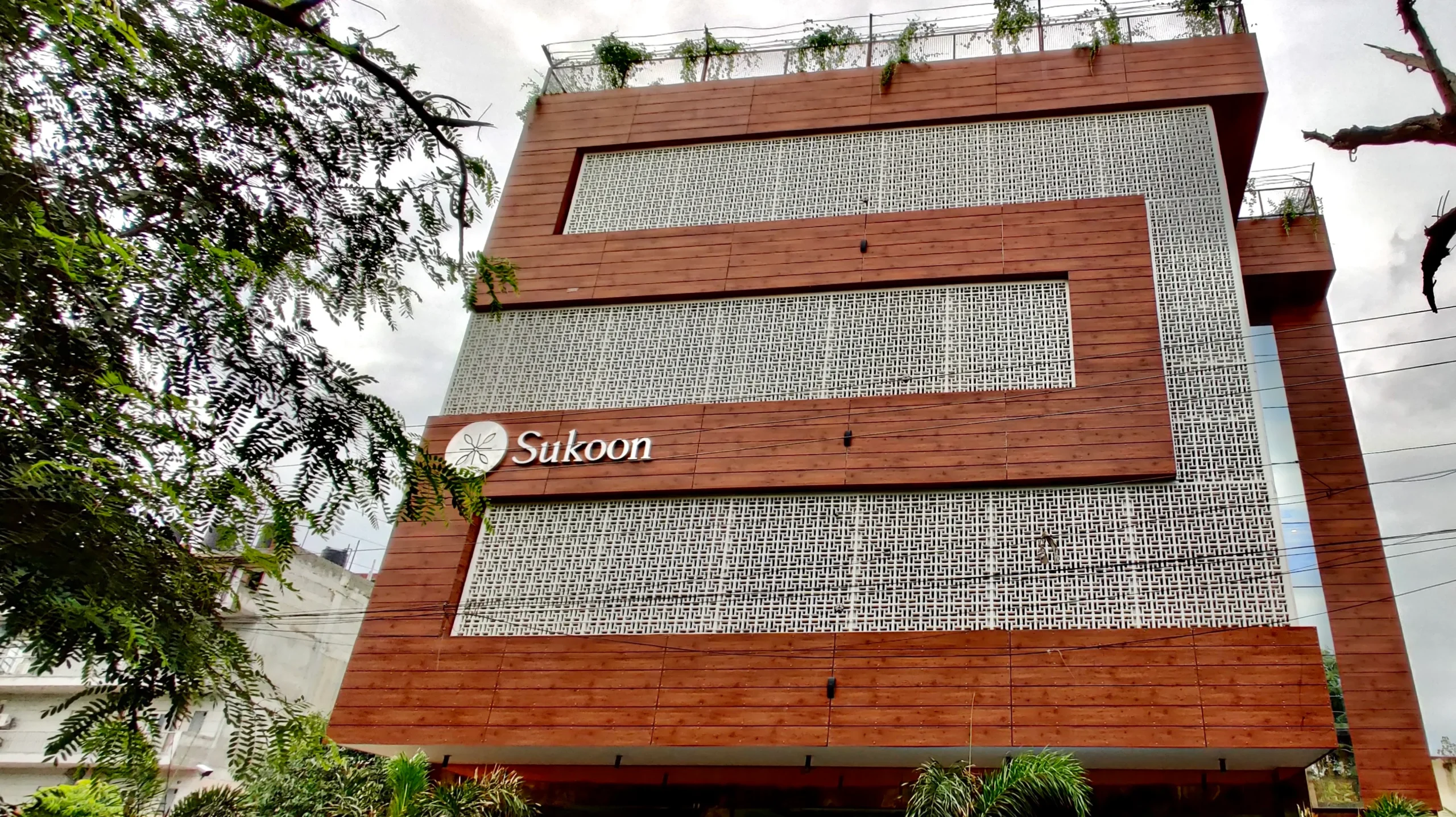
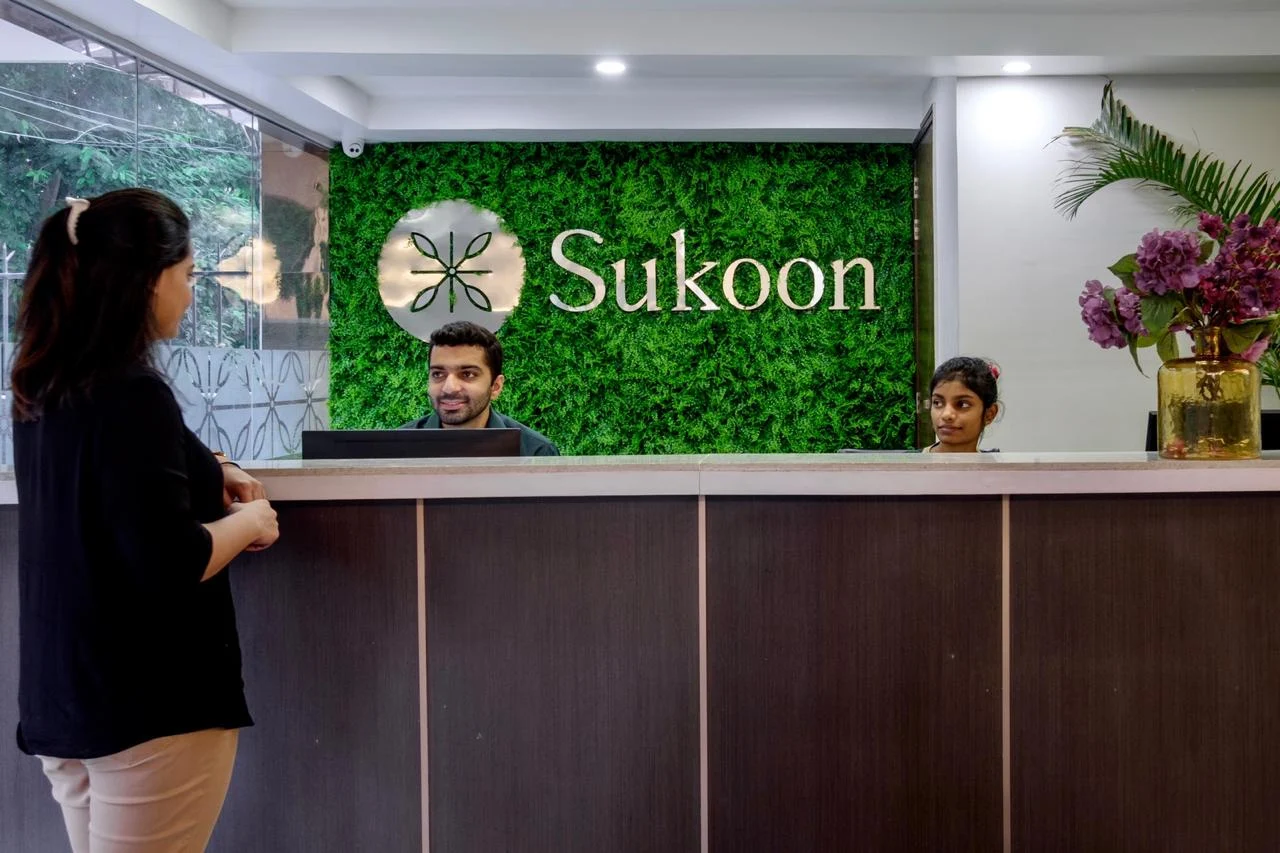

Sukoon Health is India's leading chain of mental health rehabilitation and wellness centers, offering residential and outpatient psychiatry, psychology, and de-addiction services across India, including Delhi NCR. The organization follows a personalized recovery model that places the individual at the center of the care ecosystem. Its multidisciplinary team—comprising psychiatrists, clinical psychologists, counsellors, psychiatric social workers, art therapists, nurses, general physicians, and pharmacists—delivers a comprehensive approach to mental healthcare, ensuring that every aspect of an individual's well-being is addressed with expertise, compassion, and empathy.
6. Tulasi Healthcare
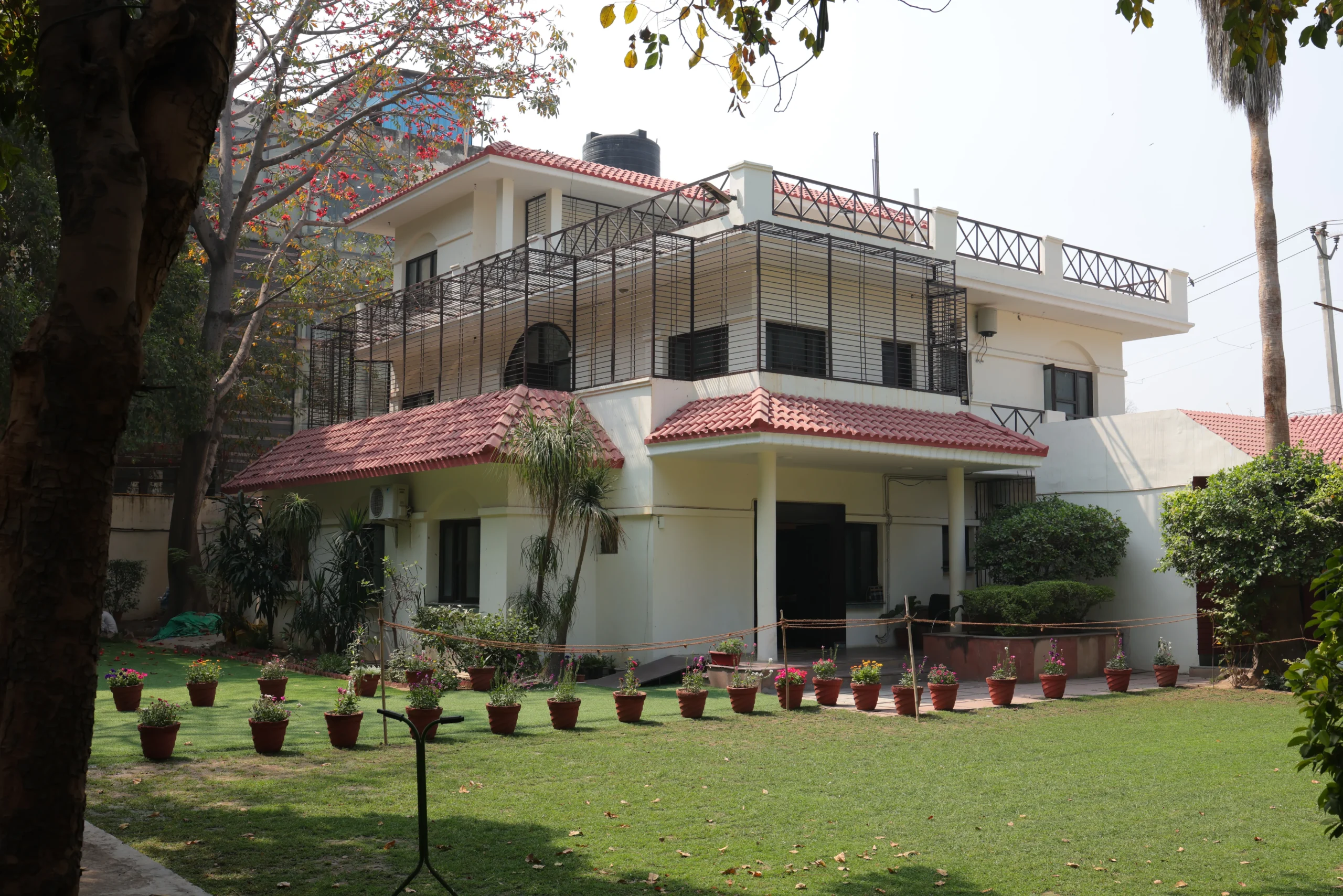
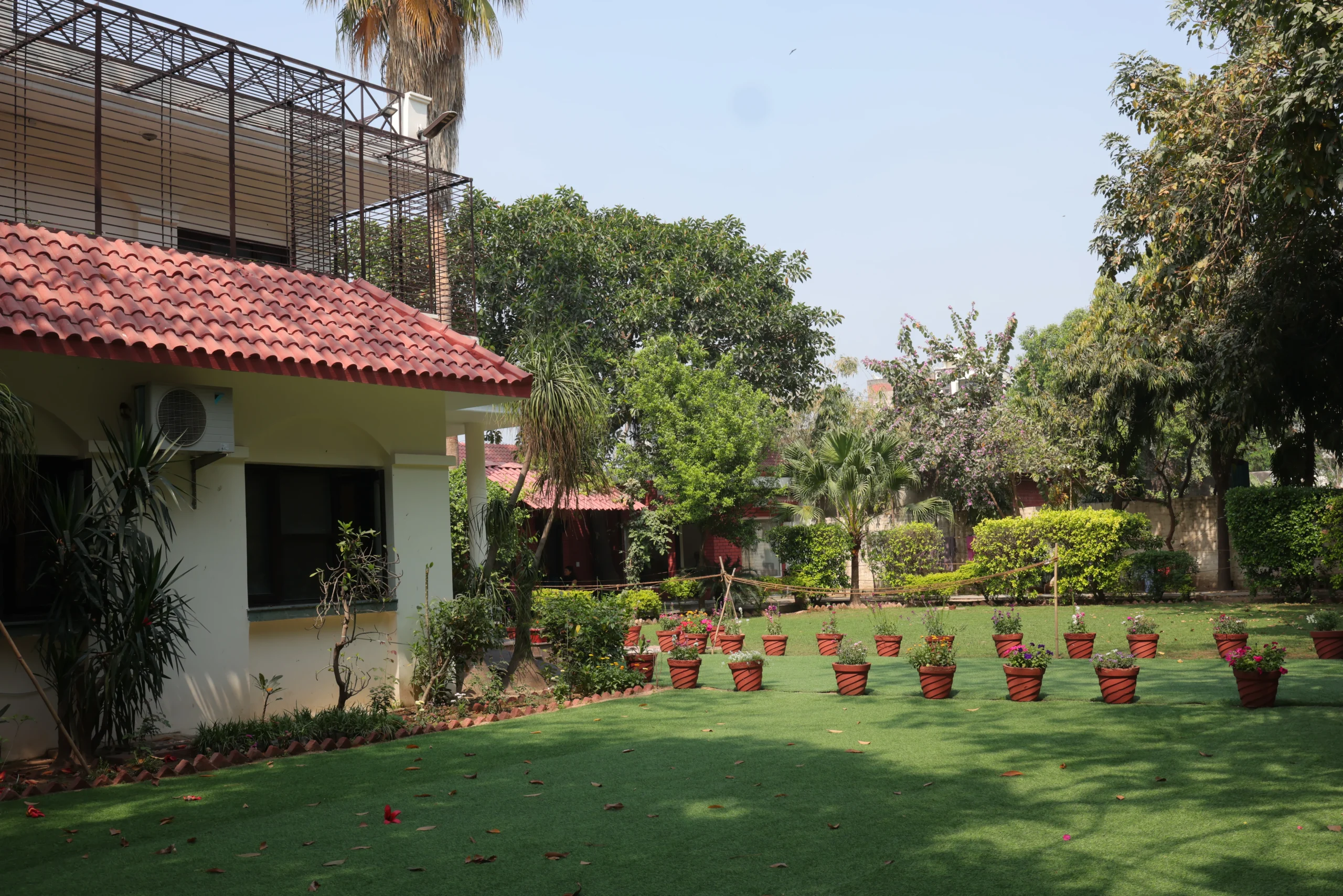
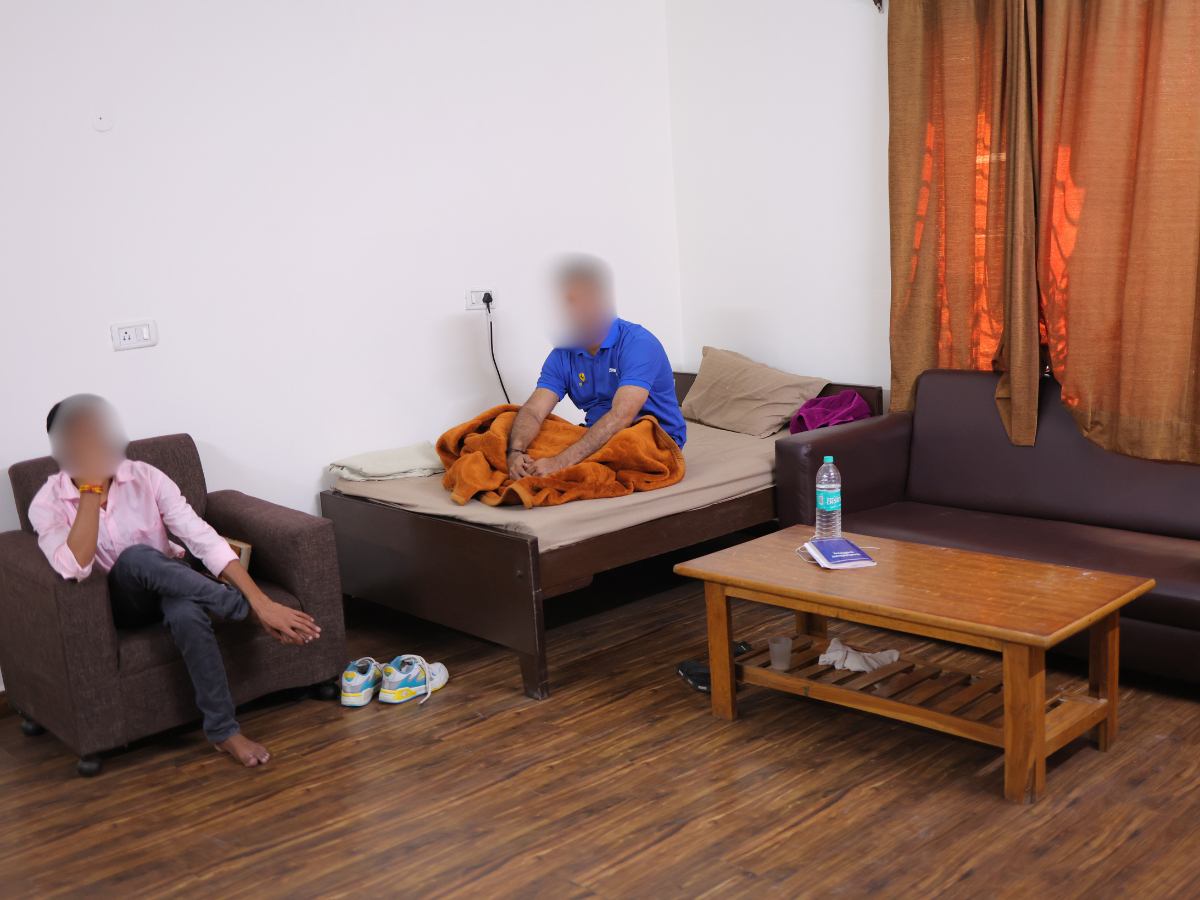
Tulasi Healthcare is a renowned group of psychiatric hospitals and rehabilitation centers in Delhi and Gurgaon, specializing in the treatment of substance abuse and mental illnesses. Starting with a small facility for 10 patients in Mehrauli, the center expanded through 'Tulasi' (a halfway house for chronic mental illnesses) and the Mandi Road center, increasing the total patient capacity to 125. A new state-of-the-art facility in Gurgaon will add capacity for another 125 patients, supported by a staff of 100. Treatment modalities include medication, psychosocial rehabilitation, and family education. The center treats conditions such as schizophrenia, bipolar disorder, OCD, dementia, and dual diagnosis, as well as substance addiction (alcohol, tobacco, marijuana, cocaine), utilizing CBT and integrative therapies like yoga and meditation.
7. Manovya Wellness Centre
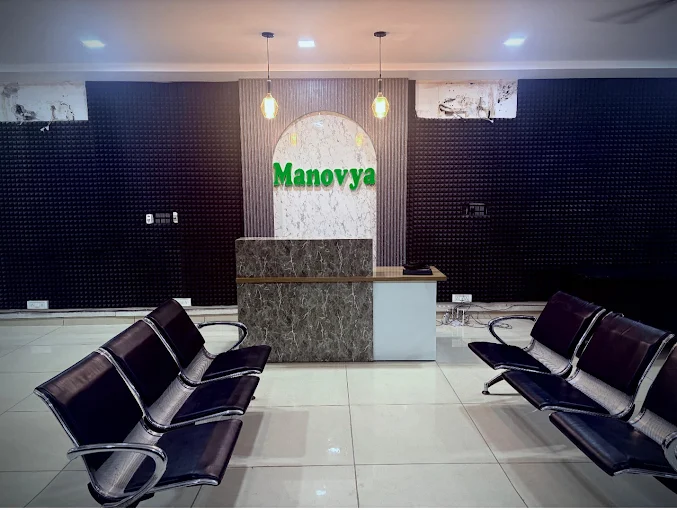
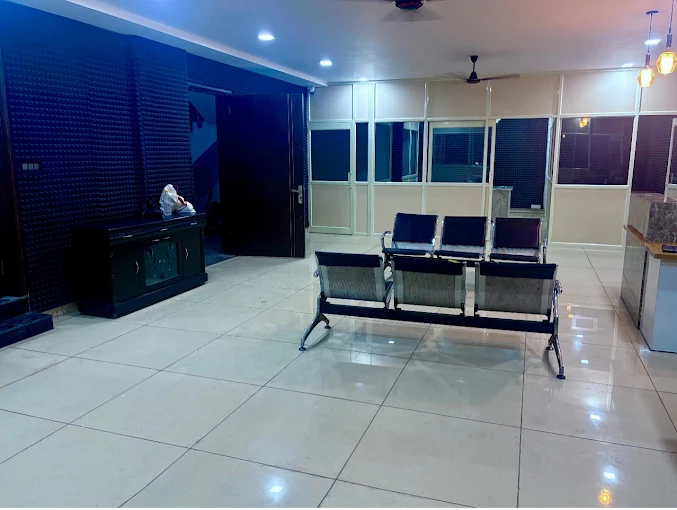
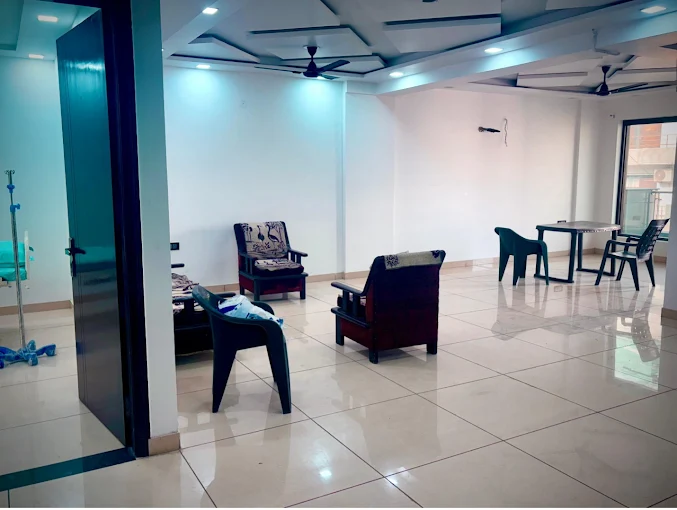
Manovya is a mental health and addiction treatment centre in Dwarka, New Delhi, dedicated to reshaping how mental health care is delivered in India. Combining compassion, science, and personalized attention, it offers a safe sanctuary for individuals recovering from mental health concerns, addiction, and neurological disorders, guided by a belief in accessible, respectful, and human-centred care. Its mission is to deliver world-class, confidential care through personalized treatment plans, while its vision is to become India's most trusted leader in mental health and addiction care nationwide. Core values include empathy, respect, integrity, collaboration, empowerment, and excellence. A multidisciplinary team of psychiatrists, psychologists, and therapists provides treatment for depression, anxiety, bipolar disorder, schizophrenia, PTSD, OCD, and neurological conditions supporting long-term recovery through a patient-first, evidence-based approach.
8. Maarga Rehab
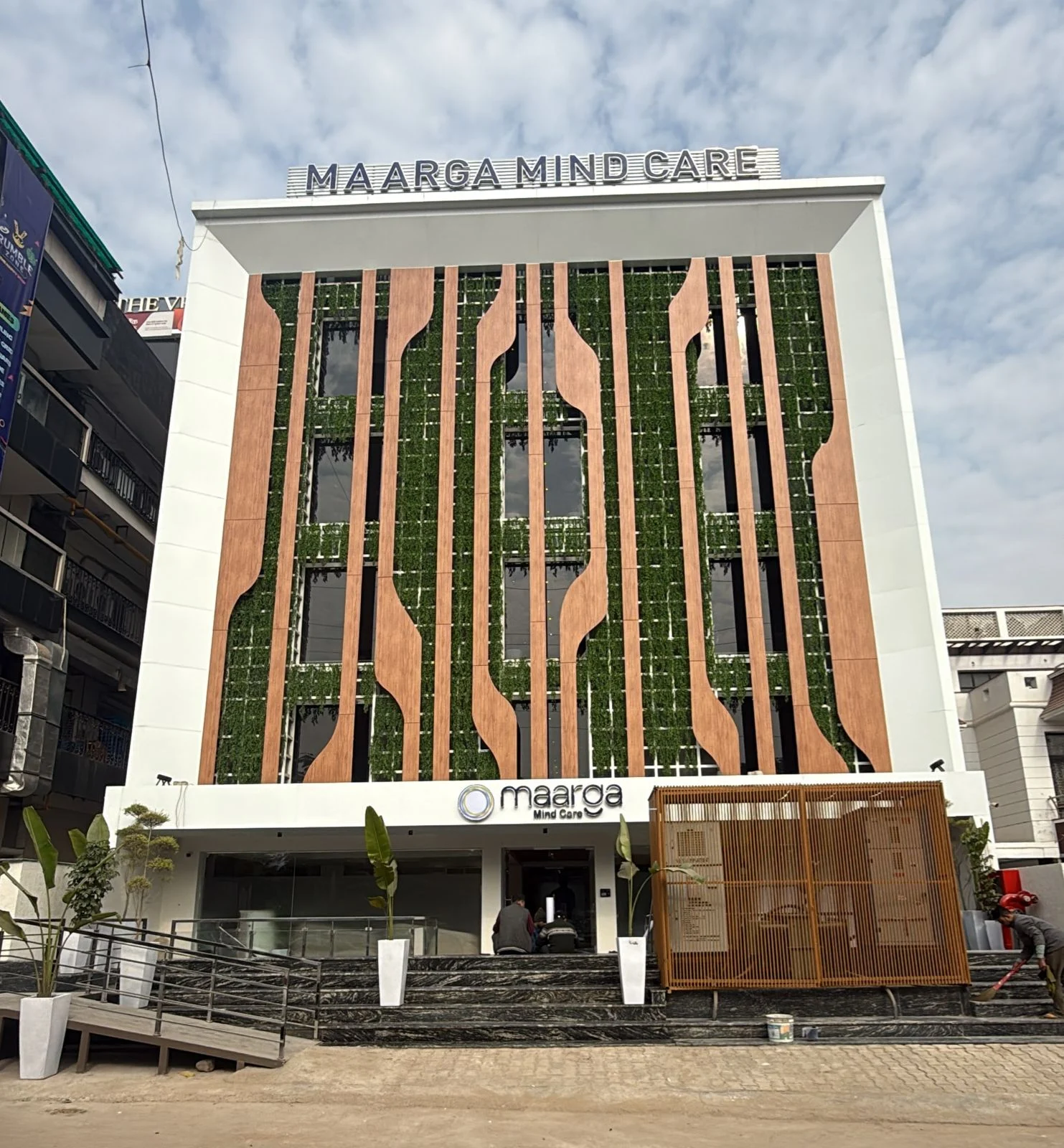
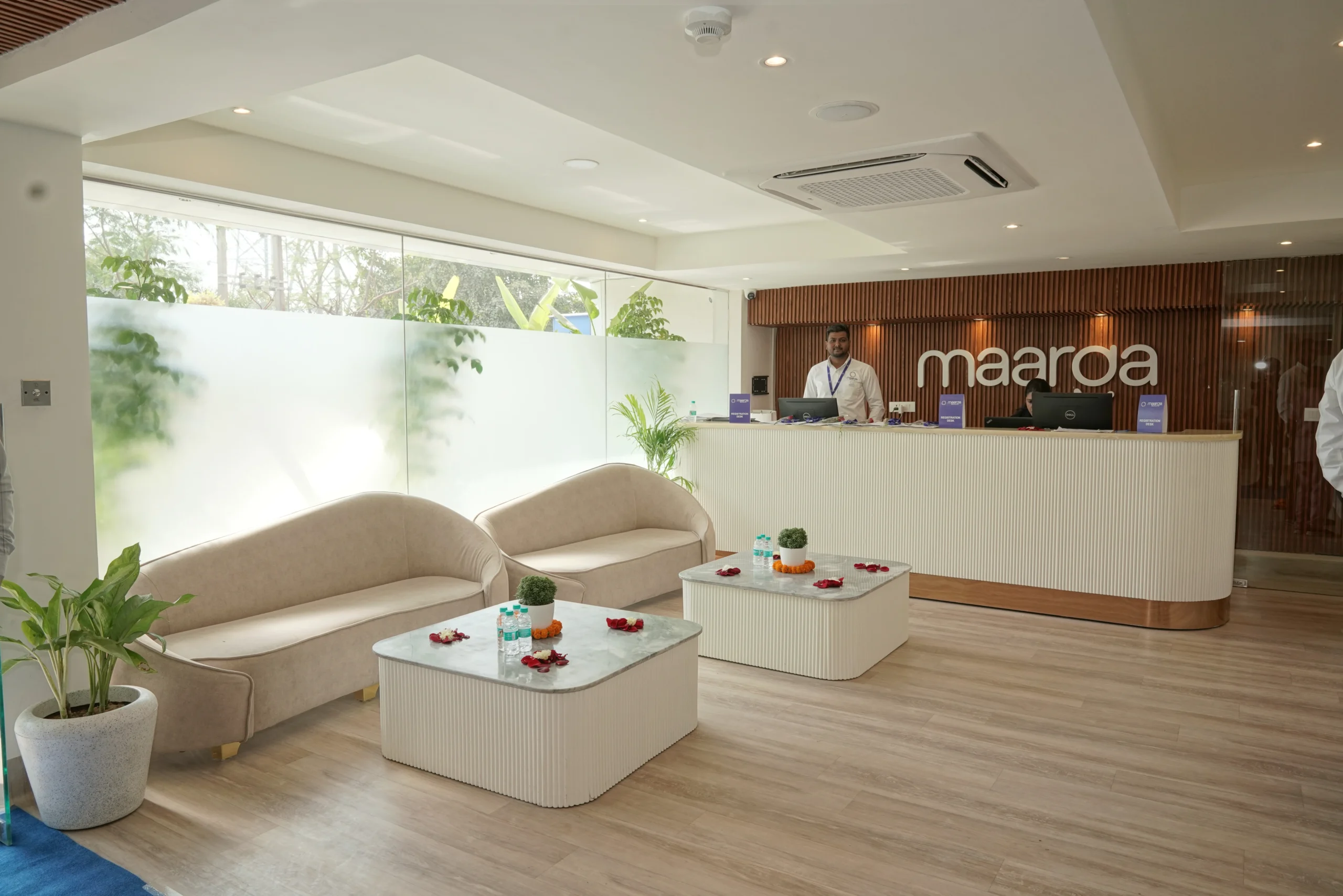
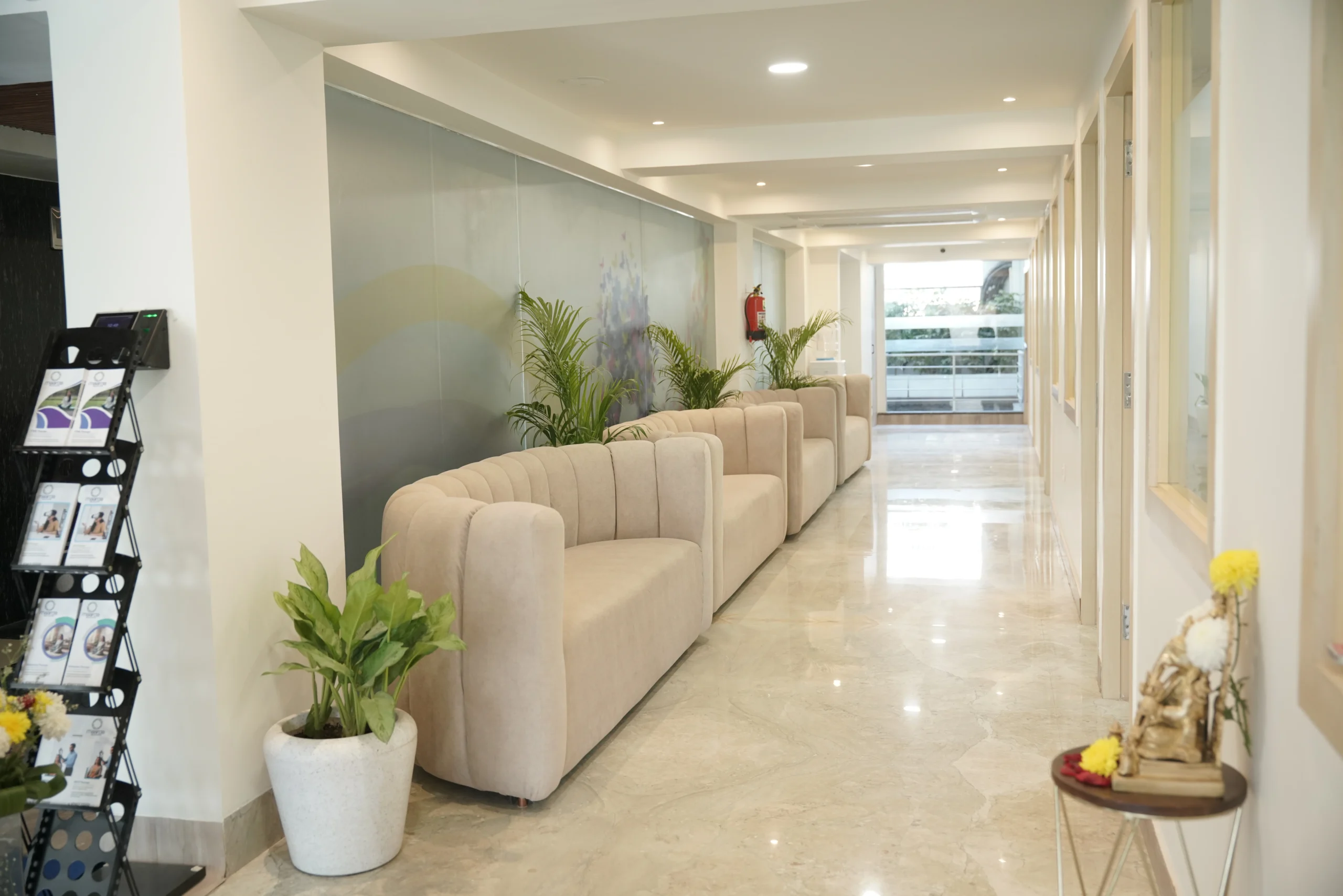
Maarga Mind Care is a state-of-the-art psychiatric hospital with rehabilitation and wellness centers, transforming mental healthcare in India, with facilities in Gurgaon (Delhi NCR). Its team of experienced psychiatrists and psychologists provides personalized and compassionate care, combining clinical expertise with evidence-based therapeutic interventions to help individuals navigate life's challenges and build resilience. The standalone facility features modern infrastructure and offers a holistic, multidisciplinary range of services, including acute and chronic psychiatric care, rehabilitation, and mental wellness programs. Dedicated to supporting individuals across all age groups, Maarga Mind Care delivers specialized mental health services tailored to diverse needs.
9. Kutumb Rehab
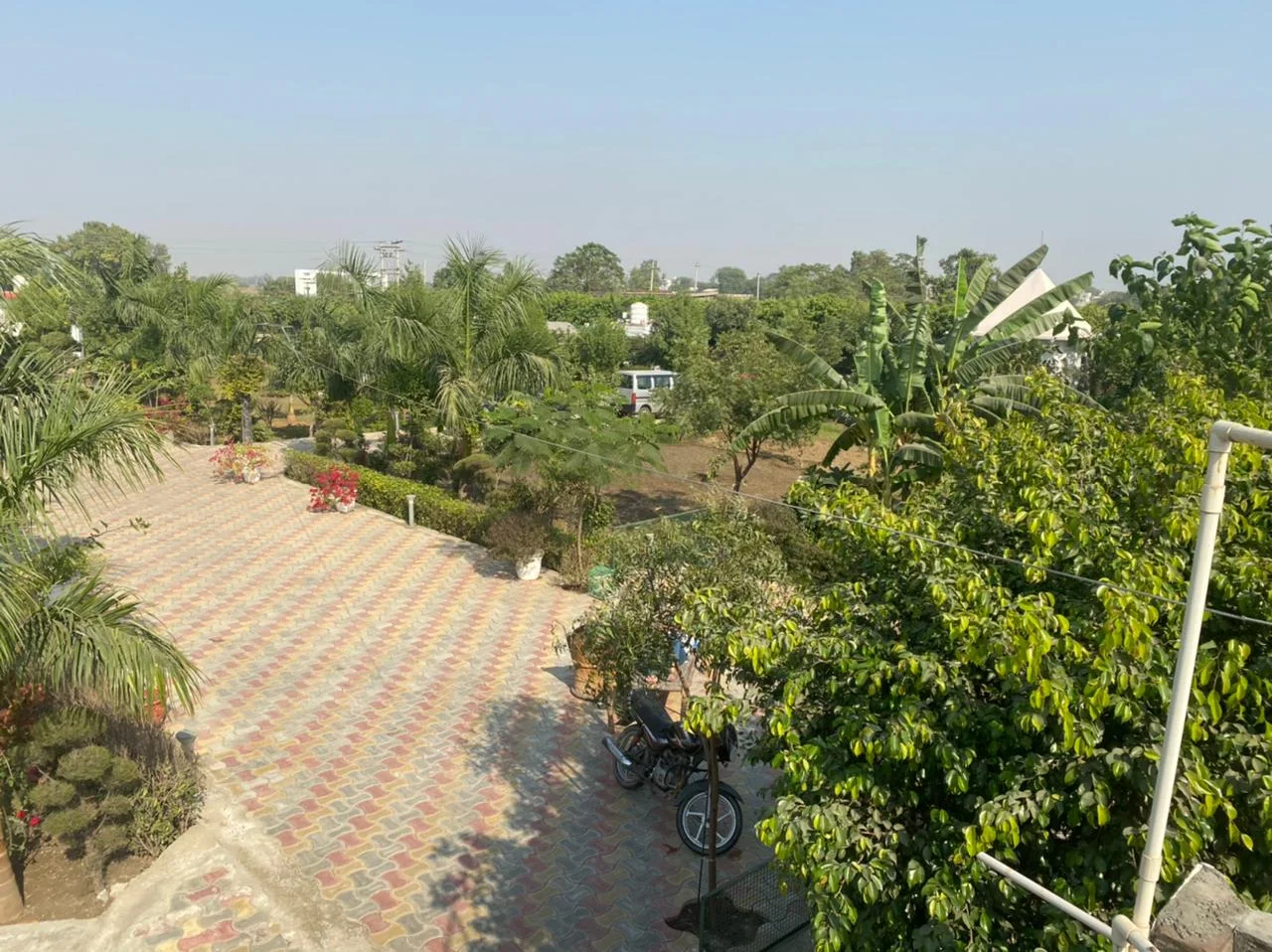
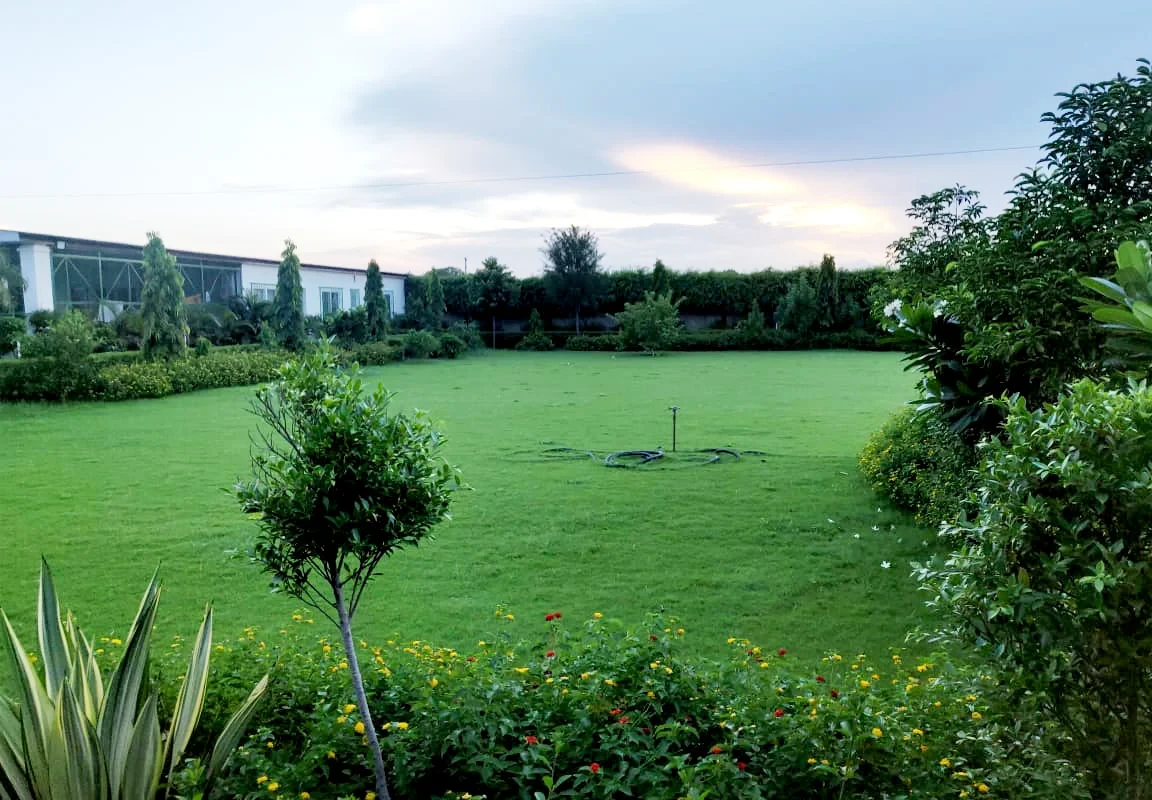
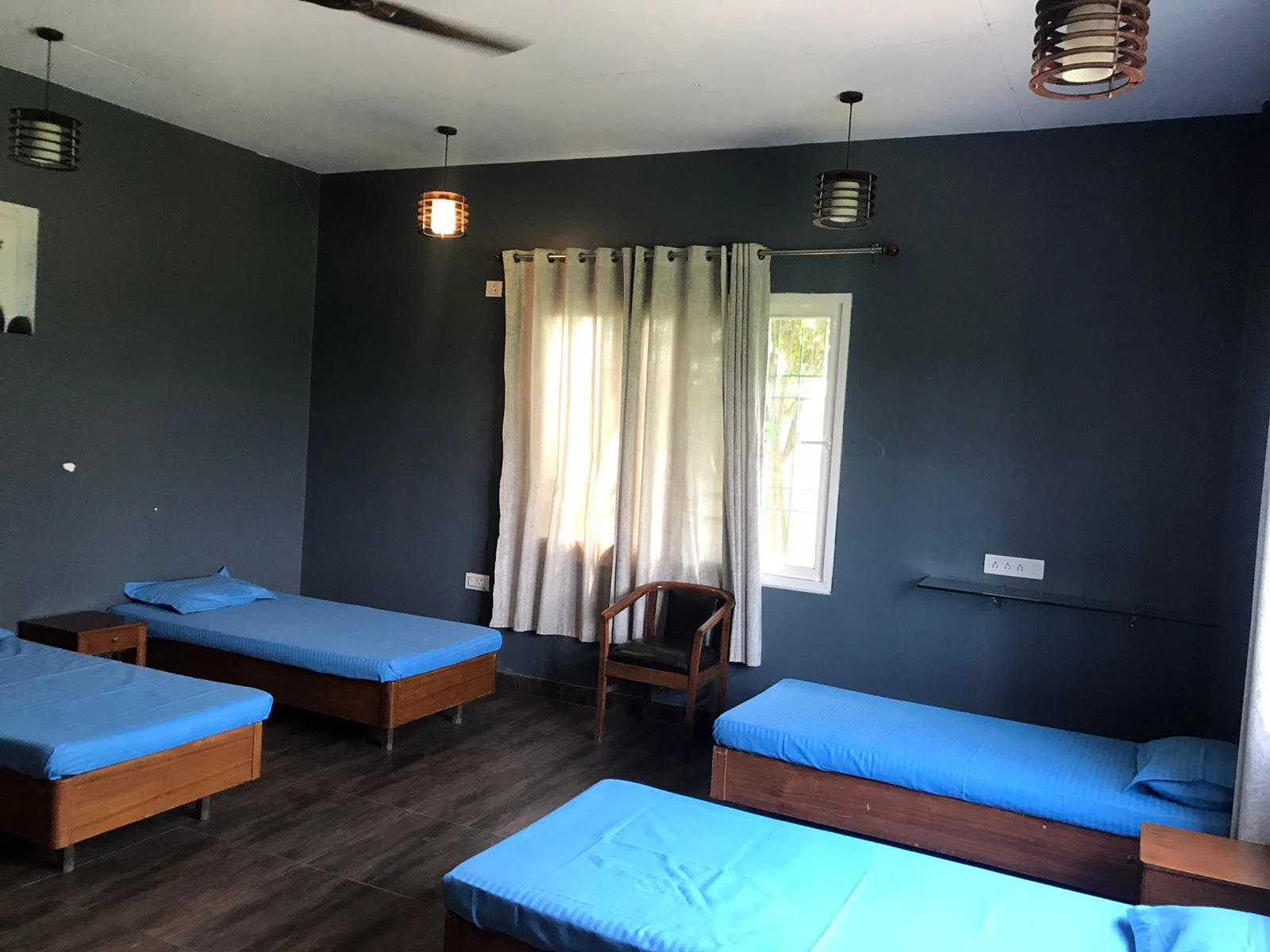
Kutumb Retreat provides comprehensive inpatient treatment that addresses not just the physical dependency of substance use disorders, but also the emotional, psychological, and social factors behind them. Each individual is treated with dignity and respect, with personalized treatment plans designed to honor their unique journey and support lasting recovery. Located in the countryside of Faridabad (Delhi NCR), India, Kutumb Retreat is a men's only residential rehab that uses a holistic approach, addressing co-occurring mental health conditions through varied therapies and tailored nutrition. Services include detox, individual counseling, family therapy, and diabetes management. Techniques such as relapse prevention, inner child therapy, art therapy, 12-Step care, yoga, and animal therapy are used during treatment, while nutrient-dense meals support a healthy diet throughout the recovery process.
10. AIMAN Rehab

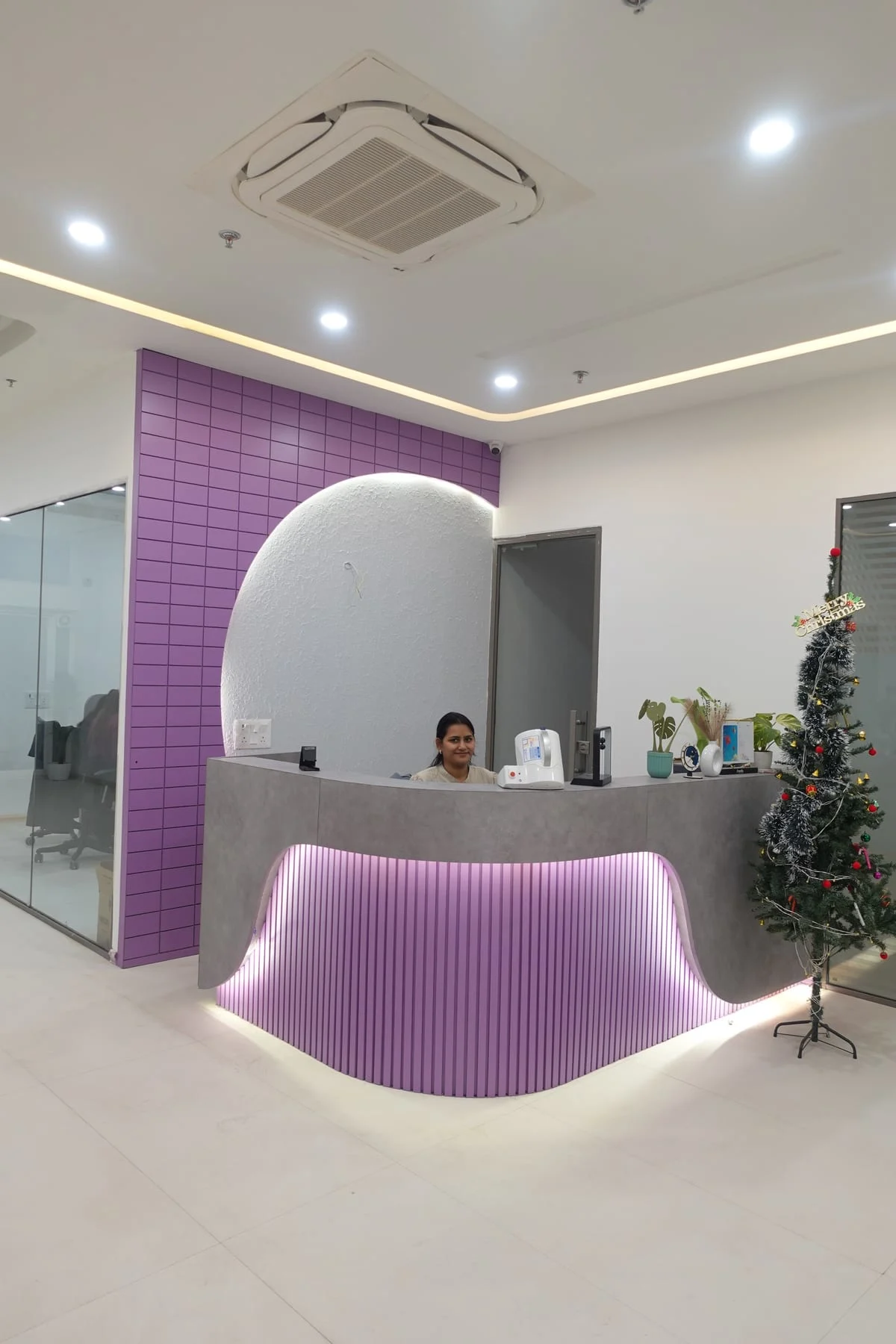
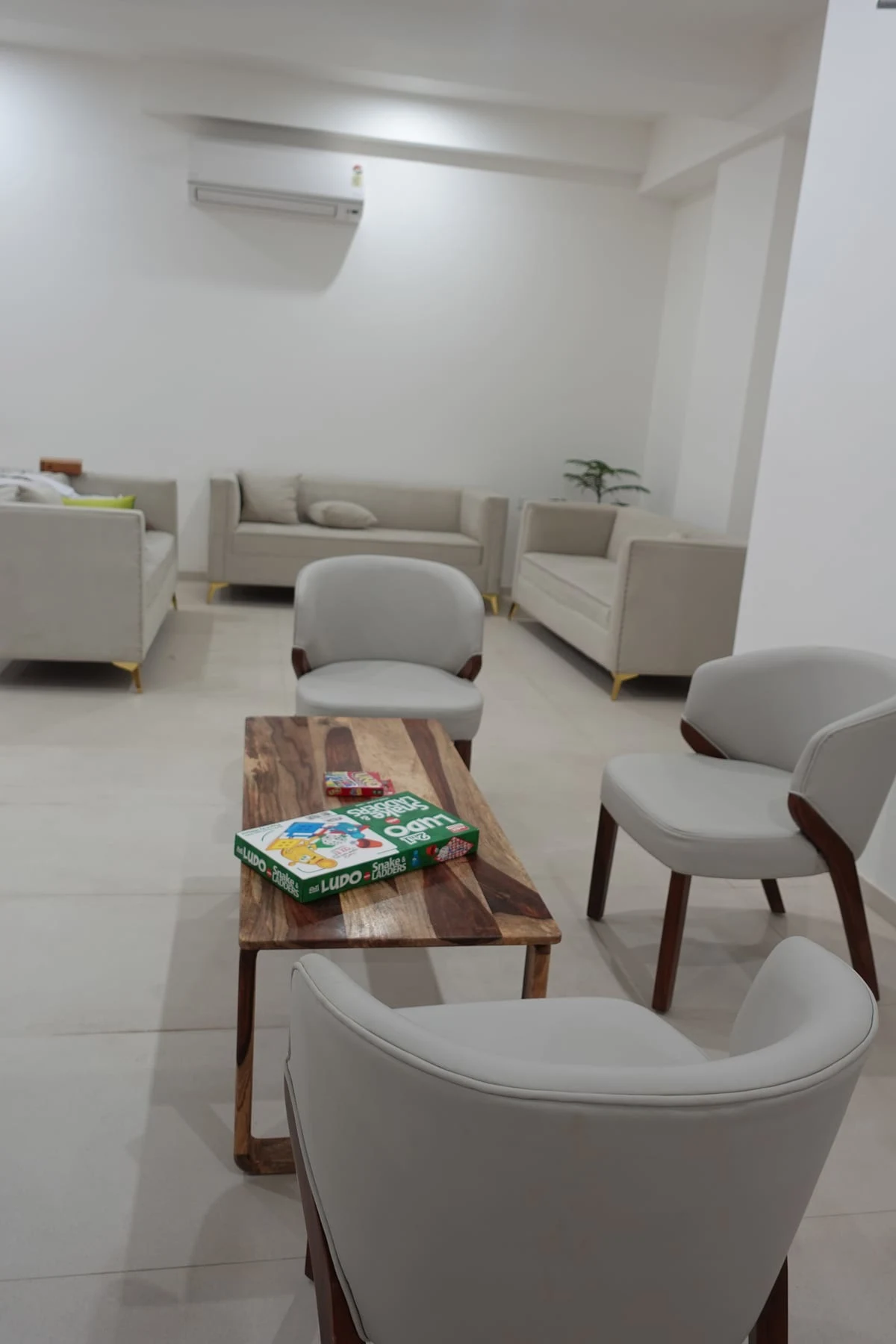
AIMAN – Ataraxia Institute of Mental Health & Neurosciences is dedicated to redefining how mental healthcare is accessed and delivered across India. The institute believes every individual deserves high-quality, evidence-based, and holistic mental health support, with a vision to prioritize mental health alongside physical health. Backed by a multidisciplinary team of psychiatrists, clinical psychologists, neurologists, and experienced counsellors, AIMAN offers world-class care through state-of-the-art facilities and evidence-led practices. Based in Gurugram Delhi NCR, the institute specializes in psychiatry, psychology, and neurology, including depression treatment, anxiety counseling, and addiction recovery, backed by over 25 years of clinical experience. AIMAN leads with empathy, innovation, and a long-term vision—driving a transformative shift toward inclusive, compassionate, and comprehensive mental health care for individuals and families.
What Is Included in an Aftercare Rehabilitation Program?
Comprehensive Assessment Before Creating an Aftercare Plan
An effective aftercare program begins with a thorough discharge assessment. Psychiatrists, psychologists, counselors, and rehabilitation specialists evaluate the patient's mental health, physical recovery, medication requirements, family environment, occupational goals, emotional stability, coping abilities, relapse risks, and social support network. This assessment helps clinicians design individualized aftercare plans that address each person's unique recovery needs while providing realistic long-term goals and ongoing professional supervision.
Counseling and Psychological Support During Aftercare
Regular counseling remains one of the most important components of successful aftercare. Individual psychotherapy helps patients process emotional challenges, manage stress, strengthen coping strategies, and maintain motivation for recovery. Cognitive Behavioral Therapy (CBT), Dialectical Behavioral Therapy (DBT), Motivational Enhancement Therapy, and relapse prevention counseling continue reinforcing the skills learned during rehabilitation. Group therapy provides peer encouragement, shared experiences, and accountability, while family counseling strengthens communication and helps loved ones provide effective emotional support.
Medication Management and Psychiatric Follow-Up
Many individuals recovering from addiction or psychiatric disorders require ongoing medication monitoring after rehabilitation. Regular psychiatric consultations ensure medications remain effective, dosages are adjusted appropriately, and side effects are carefully monitored. Consistent psychiatric follow-up also enables early identification of symptom recurrence or relapse, allowing clinicians to intervene before problems become severe. Medication adherence remains one of the strongest predictors of long-term recovery for many psychiatric conditions.
Relapse Prevention Strategies
Relapse prevention is one of the primary objectives of every aftercare rehabilitation program. Patients learn to identify personal triggers, recognize early warning signs, manage cravings, respond effectively to stress, and develop healthy coping mechanisms. Therapists work closely with patients to establish emergency action plans, strengthen support networks, improve problem-solving skills, and create structured daily routines that reduce the likelihood of relapse. Rather than viewing relapse as failure, aftercare programs teach individuals how to recognize setbacks early and seek timely professional support.
Family Support and Caregiver Education
Recovery affects the entire family, making caregiver education an essential component of aftercare. Family counseling helps relatives understand addiction or mental illness, improve communication, establish healthy boundaries, and avoid enabling behaviors. Educational sessions also teach caregivers how to recognize early warning signs of relapse and provide appropriate emotional support without increasing dependency. Strong family involvement consistently contributes to better treatment adherence and improved long-term recovery outcomes.
Lifestyle Modification and Holistic Wellness
Successful aftercare extends beyond counseling and medication. Many programs encourage healthy lifestyle habits through regular exercise, yoga, meditation, mindfulness training, nutritional counseling, sleep hygiene education, stress management, recreational activities, and vocational support. These holistic interventions improve physical health, emotional resilience, and overall well-being while helping individuals build balanced routines that support long-term recovery. Maintaining healthy daily habits significantly reduces stress and strengthens psychological resilience.
Long-Term Recovery Through Continued Support
Recovery is an ongoing journey rather than a single event. Individuals who remain actively engaged in aftercare often develop stronger emotional resilience, healthier relationships, greater self-confidence, improved occupational functioning, and more effective stress management skills. Regular professional support allows early intervention whenever new challenges arise while reinforcing healthy coping strategies developed during rehabilitation. Long-term engagement in recovery-focused activities significantly improves quality of life and reduces the likelihood of future relapse.