
Day Care for Alzheimer's Patients in Delhi
Day care centres for Alzheimer's patients provide structured daytime supervision, cognitive stimulation, medical support, and meaningful social engagement while allowing individuals to return home with their families each evening. These centres are designed specifically for people living with Alzheimer's disease and other forms of dementia, offering a secure environment managed by trained caregivers, nurses, therapists, and healthcare professionals. Delhi has several specialized dementia day care facilities that focus on memory care, behavioral management, rehabilitation, and caregiver support. Choosing the right Alzheimer's day care centre can improve quality of life, maintain cognitive function, reduce caregiver stress, and help individuals remain independent for as long as possible.
View Top Centres ↓
What is an Alzheimer's Day Care Centre?
An Alzheimer's day care centre is a specialized facility that provides daytime care for individuals living with Alzheimer's disease or dementia. Unlike residential care homes, these centres allow patients to spend the day participating in structured therapeutic activities before returning home in the evening. Programs typically include memory stimulation exercises, medication supervision, nutritious meals, physiotherapy, occupational therapy, recreational activities, and social interaction under continuous professional supervision. The goal is to maintain cognitive abilities, improve emotional well-being, promote independence, and provide respite for family caregivers.
Who Should Consider Alzheimer's Day Care?
Day care programs are suitable for individuals with early-stage and moderate Alzheimer's disease who benefit from structured daily routines, supervised activities, and social interaction while continuing to live with their families. They are also valuable for seniors experiencing mild cognitive impairment, dementia-related behavioral changes, memory loss, confusion, or loneliness. Families who work during the day or require temporary respite often find Alzheimer's day care to be a practical solution that balances professional care with continued family involvement.
How Often Should Alzheimer's Patients Attend Day Care?
Attendance depends on the stage of Alzheimer's disease, caregiver availability, and clinical recommendations. Some individuals attend one or two days each week for social engagement and cognitive stimulation, while others participate five or six days weekly to receive structured supervision and therapy. Regular attendance generally provides greater consistency, helps establish familiar routines, and maximizes the benefits of cognitive and social interventions.
Benefits of Choosing an Alzheimer's Day Care Centre in Delhi
Delhi offers access to experienced neurologists, geriatricians, psychologists, dementia specialists, nurses, physiotherapists, and trained caregivers who understand the unique needs of Alzheimer's patients. Specialized day care centres help maintain cognitive functioning, encourage independence, improve emotional well-being, and reduce caregiver burden through professional supervision and therapeutic activities. Families benefit from greater confidence knowing their loved ones are cared for in a secure environment specifically designed for dementia care.
Top Alzheimer's Day Care Centres in Delhi
1. Anvaya Retreat
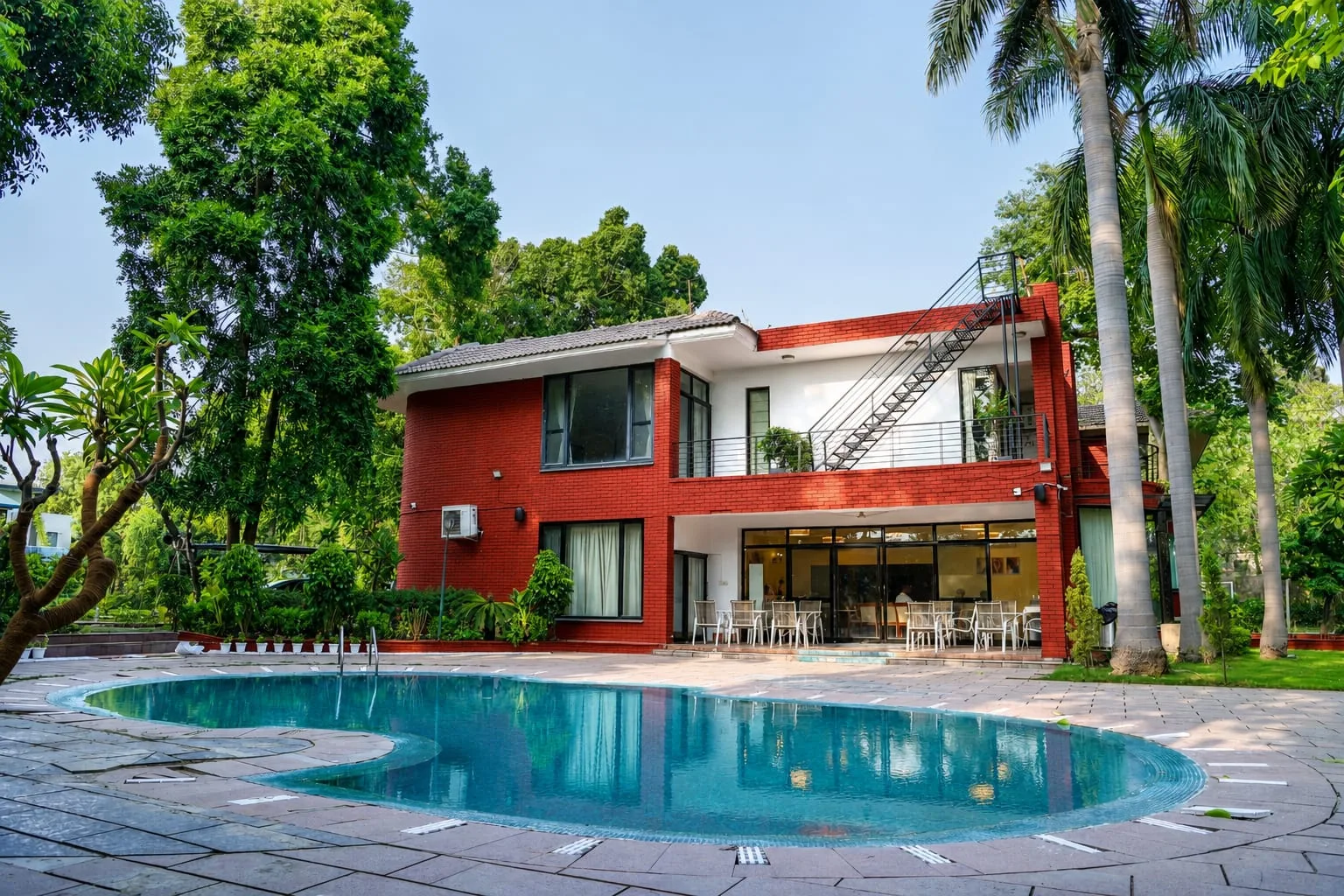
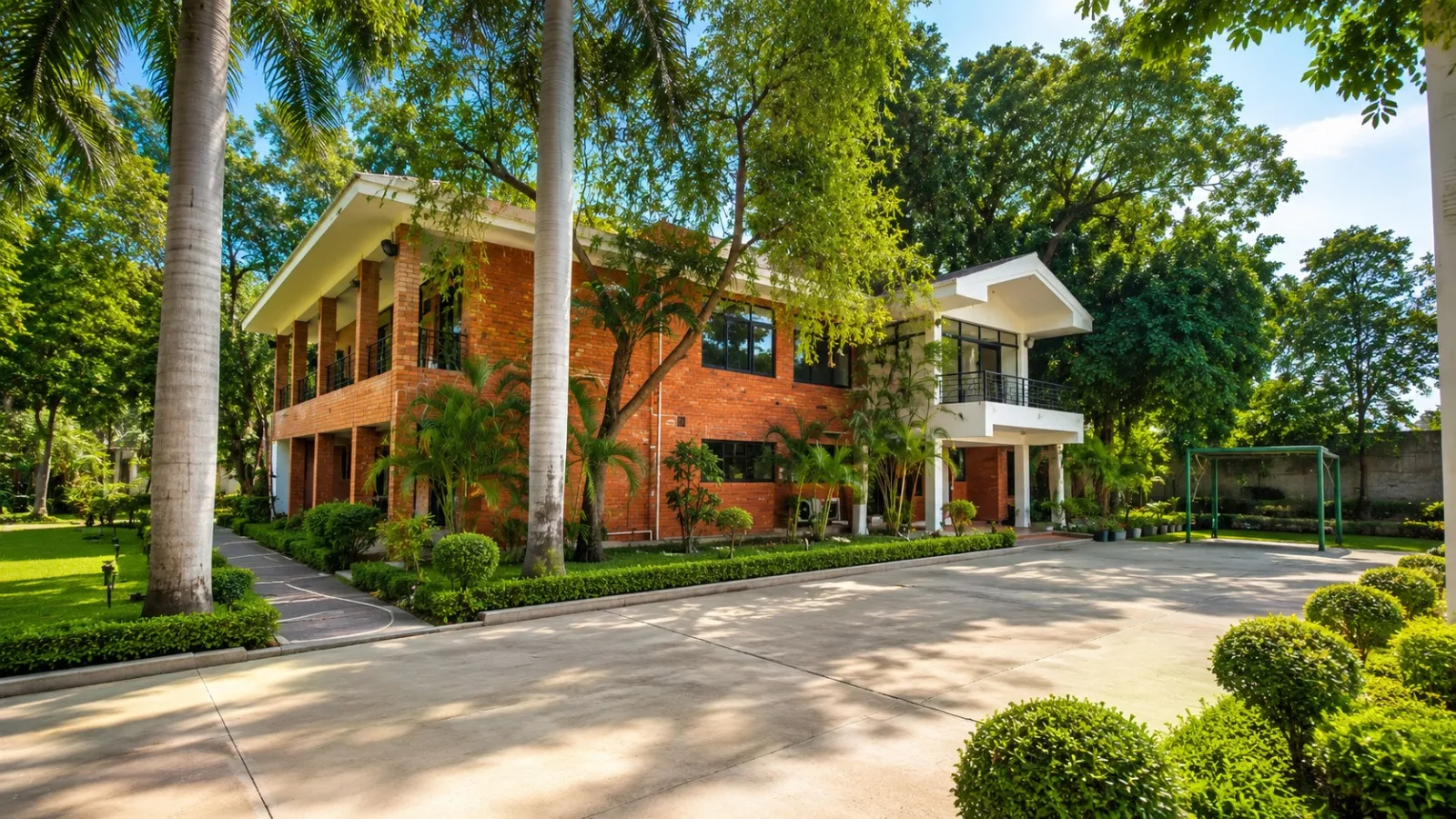
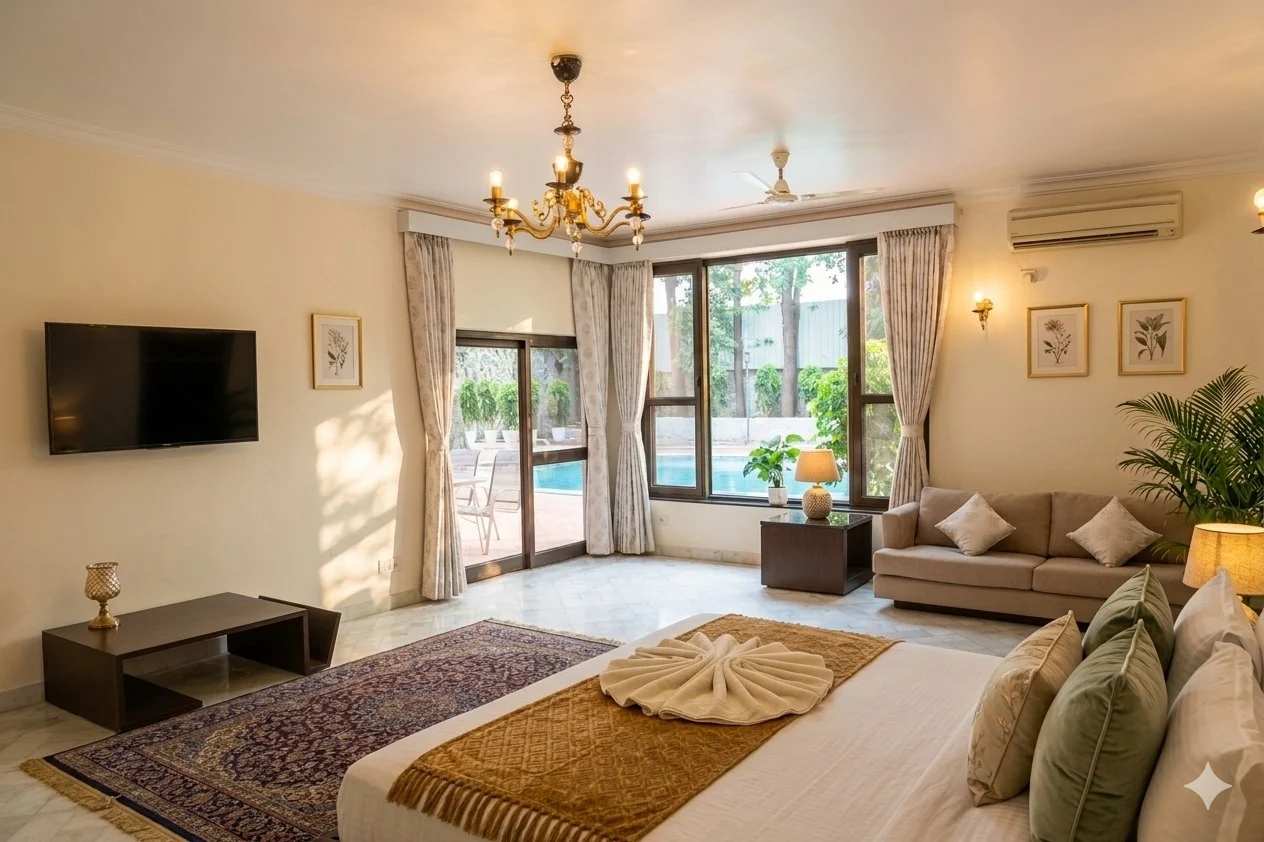
Anvaya Retreat is a private luxury wellness center and recovery retreat designed for individuals seeking premium mental health and wellness care. Located in Kapashera, South West Delhi, Anvaya Retreat offers comprehensive recovery programs for addiction and a wide range of mental health disorders. Anvaya blends evidence-based treatment with world-class hospitality in a serene, confidential environment, making it an ideal destination for professionals, business leaders, and executives seeking the highest standard of care. Anvaya is led by Dr. Sneha Sharma, Consultant Psychiatrist, and is supported by a multidisciplinary team of experienced psychiatrists, clinical psychologists, counselling psychologists, therapists, and wellness professionals who work together to provide personalized, holistic care. Nestled amidst lush greenery, Anvaya Retreat offers a peaceful, nature-inspired sanctuary where individuals can reduce stress, heal emotionally, and break free from unhealthy patterns. Every treatment journey is thoughtfully designed to address not only the symptoms but also the underlying emotional, psychological, social, and lifestyle factors that influence long-term recovery and overall well-being.
2. Athena Behavioral Health
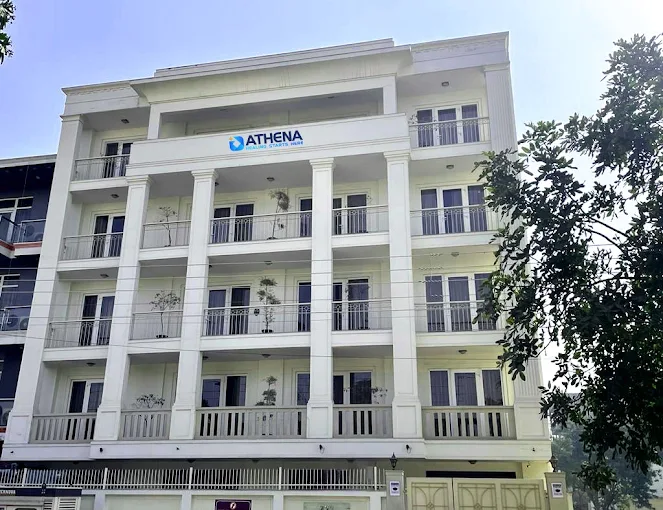
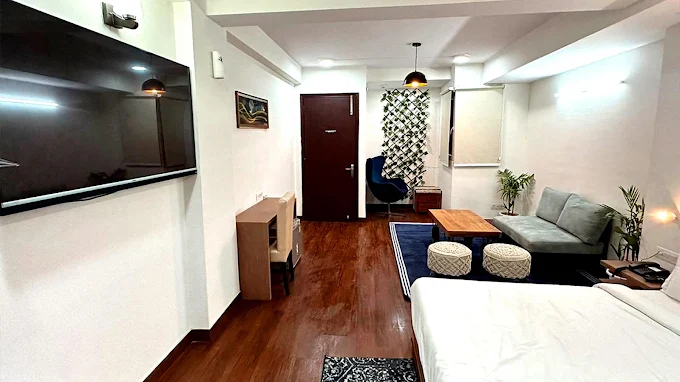
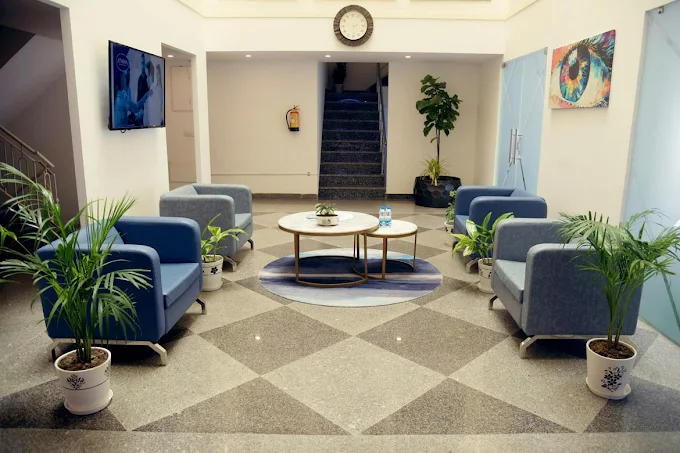
Athena Behavioral Health is dedicated to reshaping the landscape of mental health and addiction treatment in India. Founded by a team with firsthand experience of caregiving challenges and the complexities of mental health, Athena is driven by a commitment to compassionate, evidence-based care that truly makes a difference. Its approach integrates global best practices with a patient-centered philosophy, offering individualized therapy, holistic support, and innovative treatment solutions tailored to each client's unique needs. With a team of skilled professionals and a supportive environment, Athena Behavioral Health strives to be a sanctuary where individuals can begin their journey to recovery, rediscover hope, and regain control over their lives, promoting healing and empowering clients to pursue long-term wellness.
3. Maarga Rehab
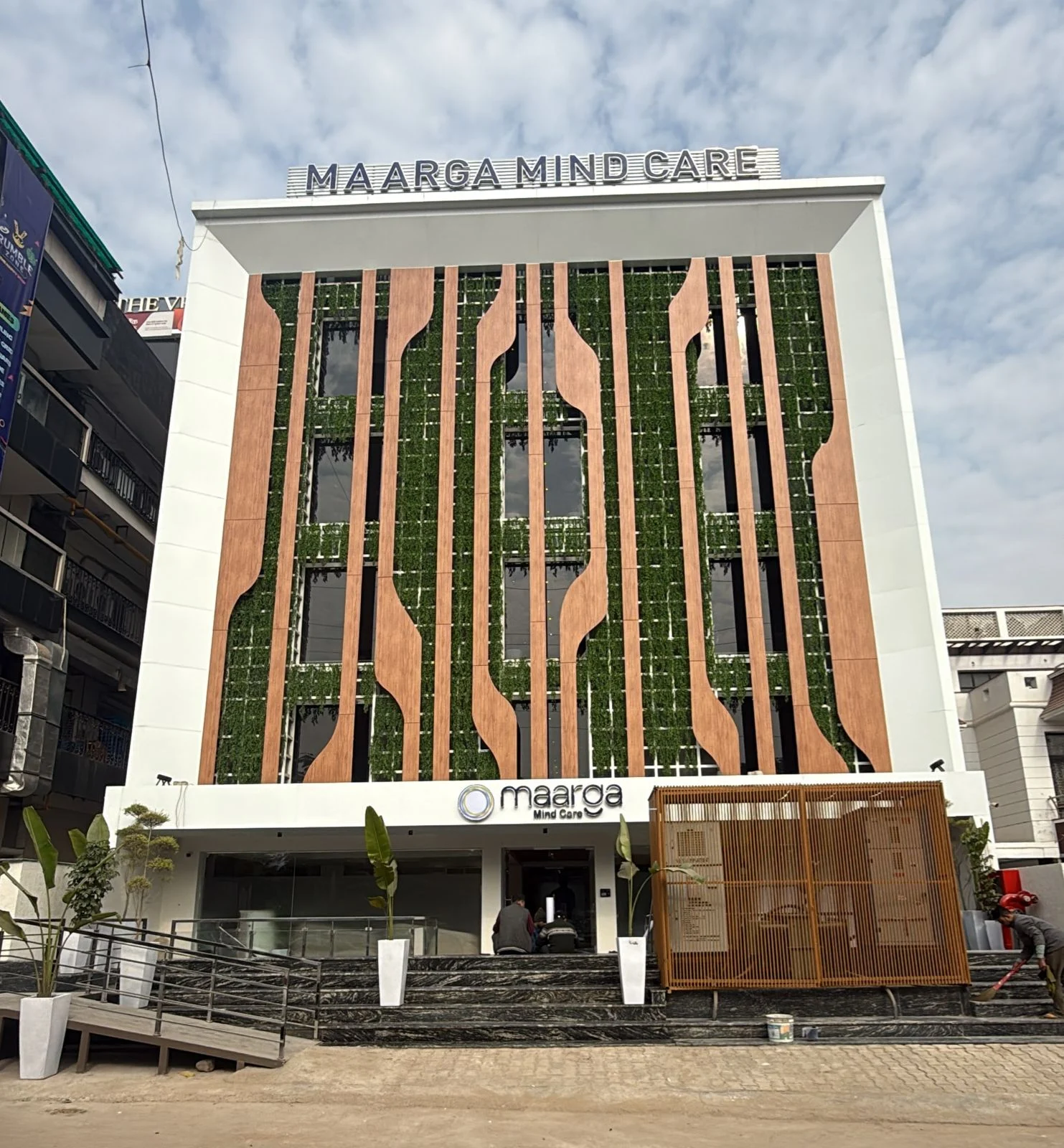
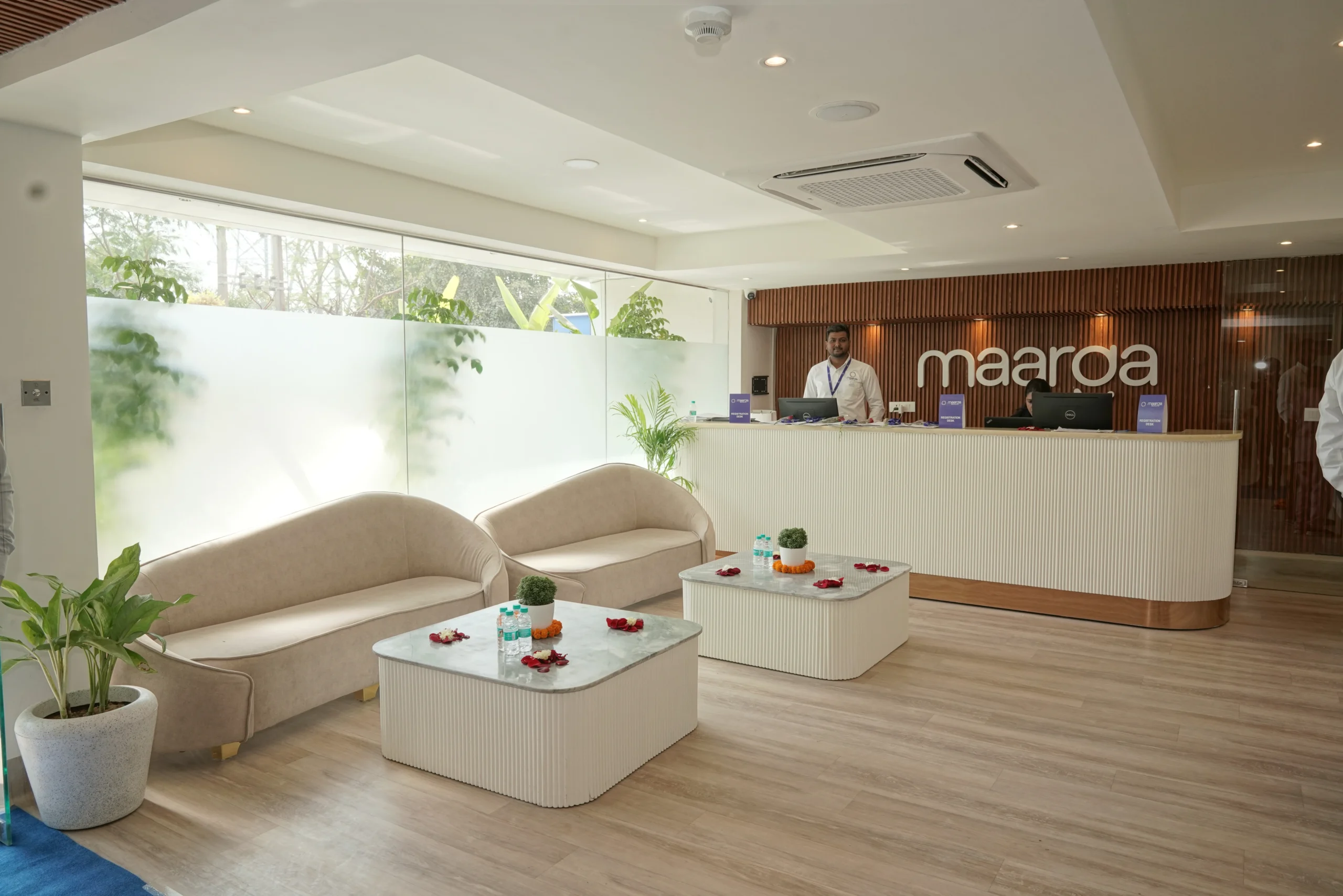
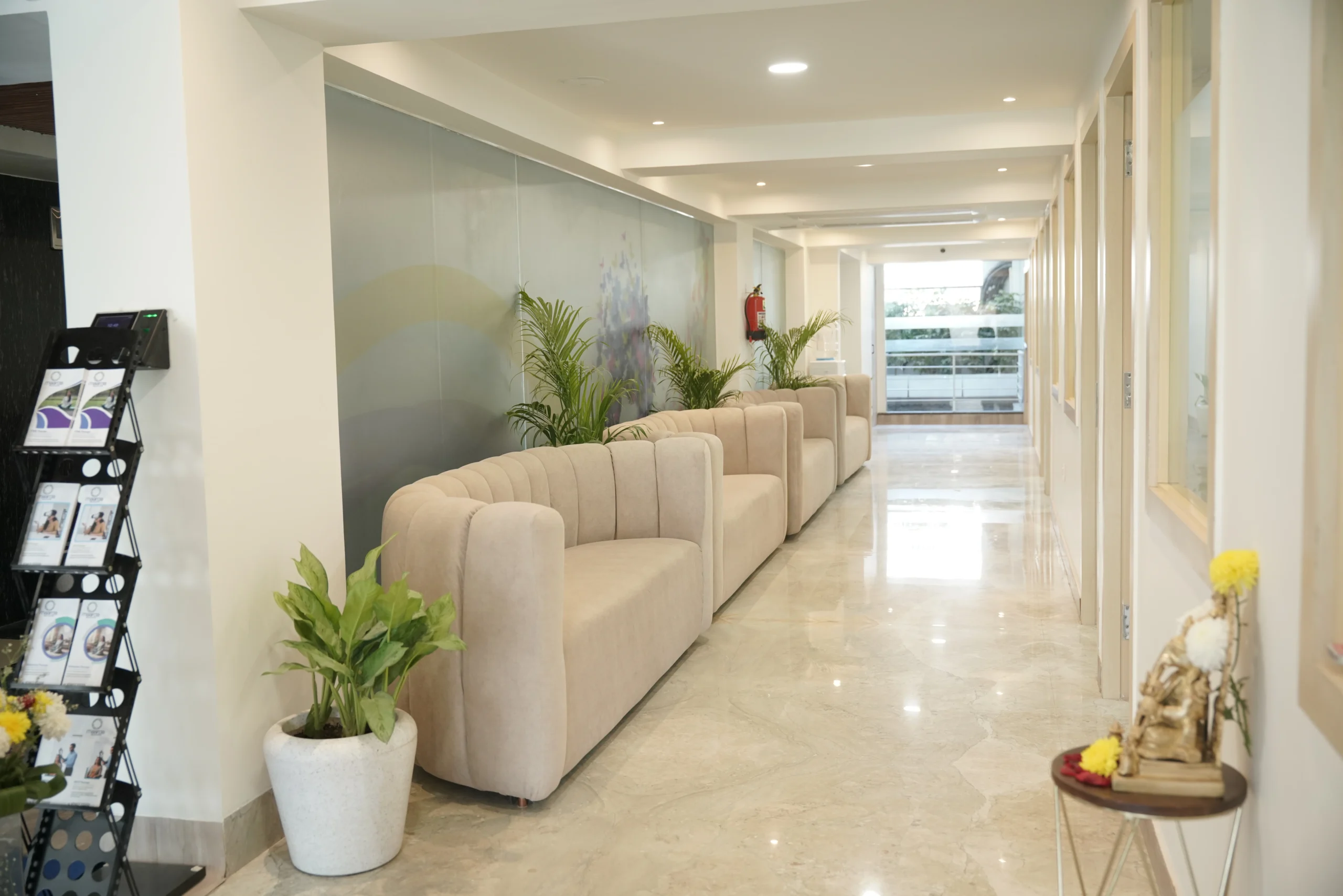
Maarga Mind Care is a state-of-the-art psychiatric hospital with rehabilitation and wellness centers, transforming mental healthcare in India, with facilities in Gurgaon (Delhi NCR). Its team of experienced psychiatrists and psychologists provides personalized and compassionate care, combining clinical expertise with evidence-based therapeutic interventions to help individuals navigate life's challenges and build resilience. The standalone facility features modern infrastructure and offers a holistic, multidisciplinary range of services, including acute and chronic psychiatric care, rehabilitation, and mental wellness programs. Dedicated to supporting individuals across all age groups, Maarga Mind Care delivers specialized mental health services tailored to diverse needs.
4. Jagruti Rehabilitation Centre
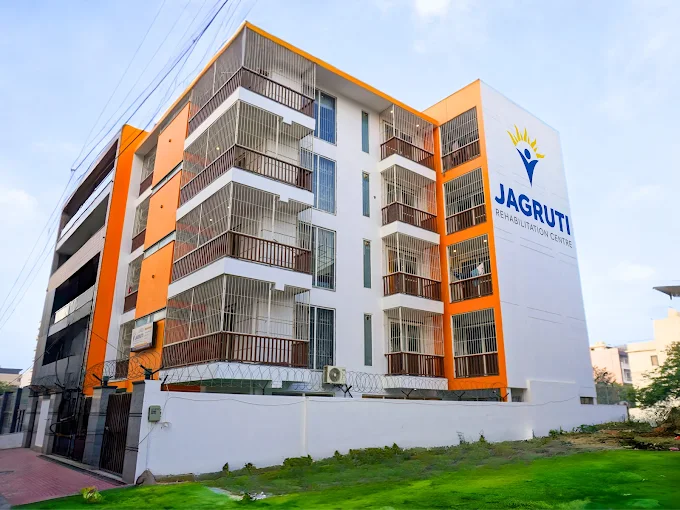
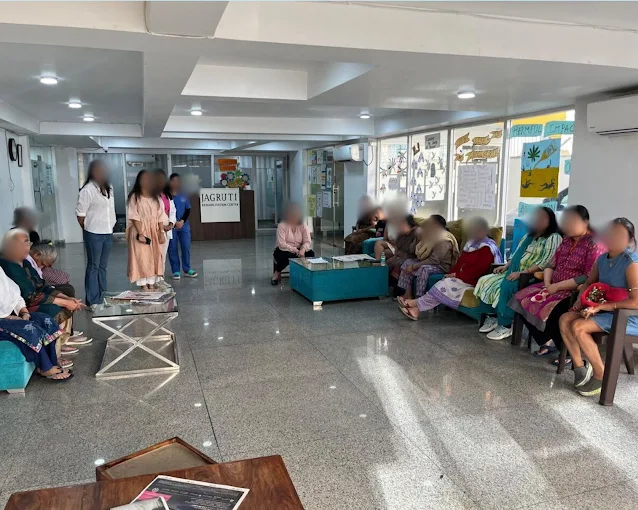
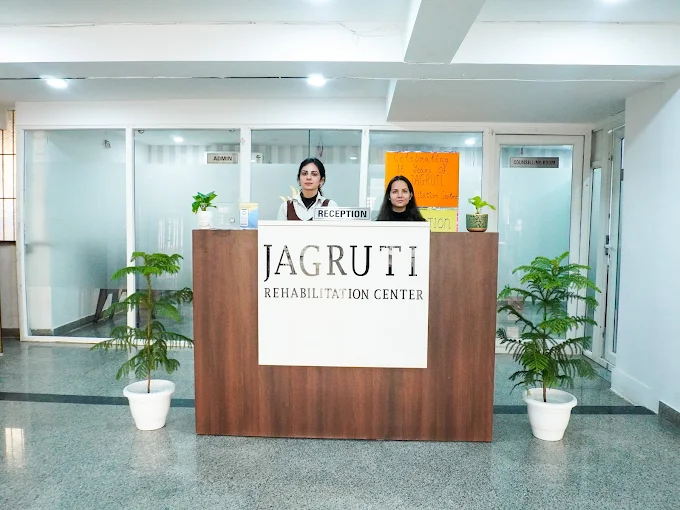
Jagruti Rehab is a rehabilitation and mental health centre in India that provides treatment for alcohol addiction, drug dependency, behavioural addictions, and mental health disorders. The centre follows a comprehensive recovery approach that combines the 12-Step Recovery Program with counselling, psychotherapy, and psychiatric care. Its multidisciplinary team includes psychiatrists, psychologists, counsellors, and addiction specialists who offer personalised treatment in a supportive and respectful environment. Established in 2006, Jagruti Rehab has grown into a major neuro-psychological rehabilitation facility in Maharashtra. The centre offers specialized care for addiction recovery, mental health conditions, dementia, and neurological disorders through dedicated treatment units and inpatient facilities.
5. AIMAN Rehab

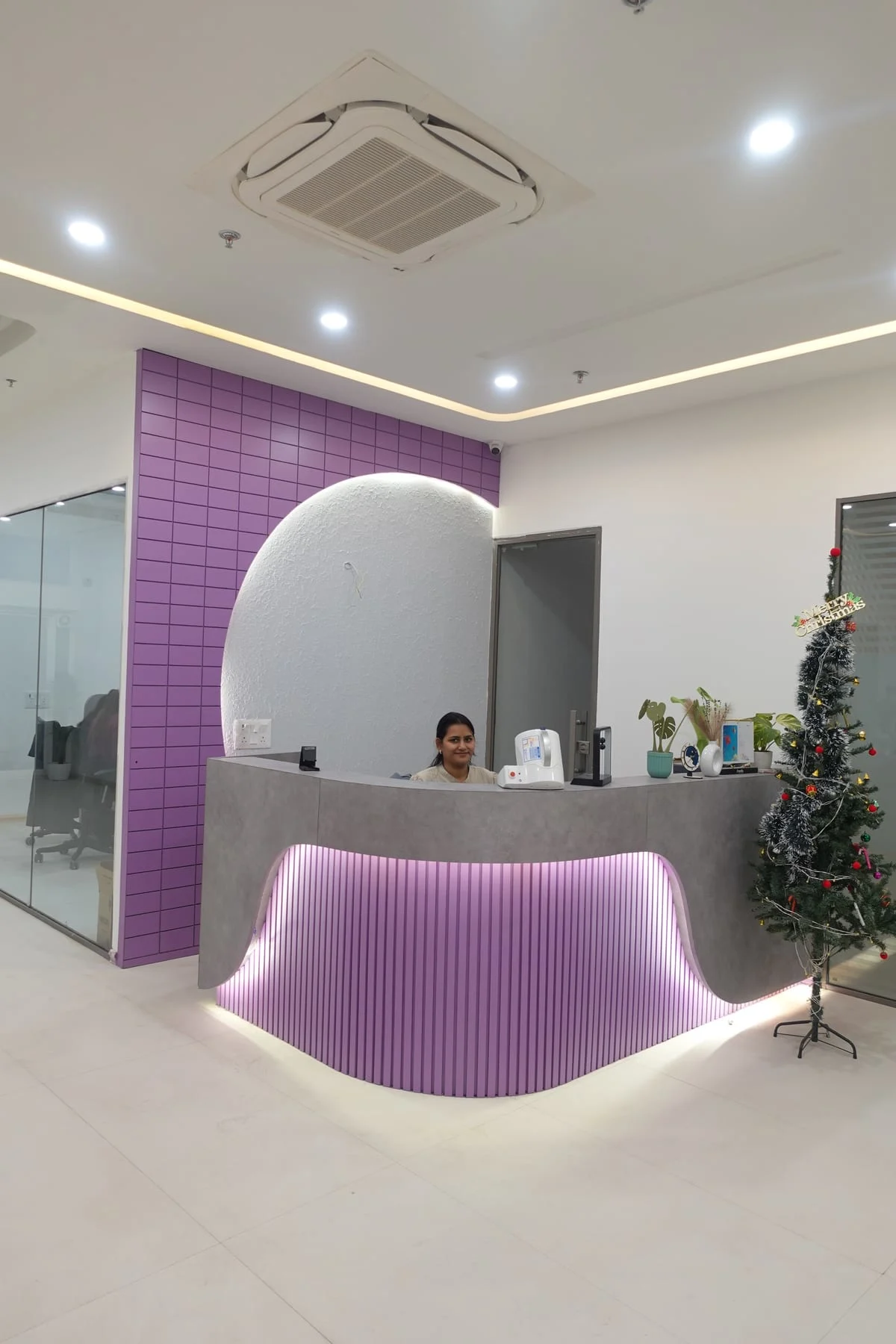
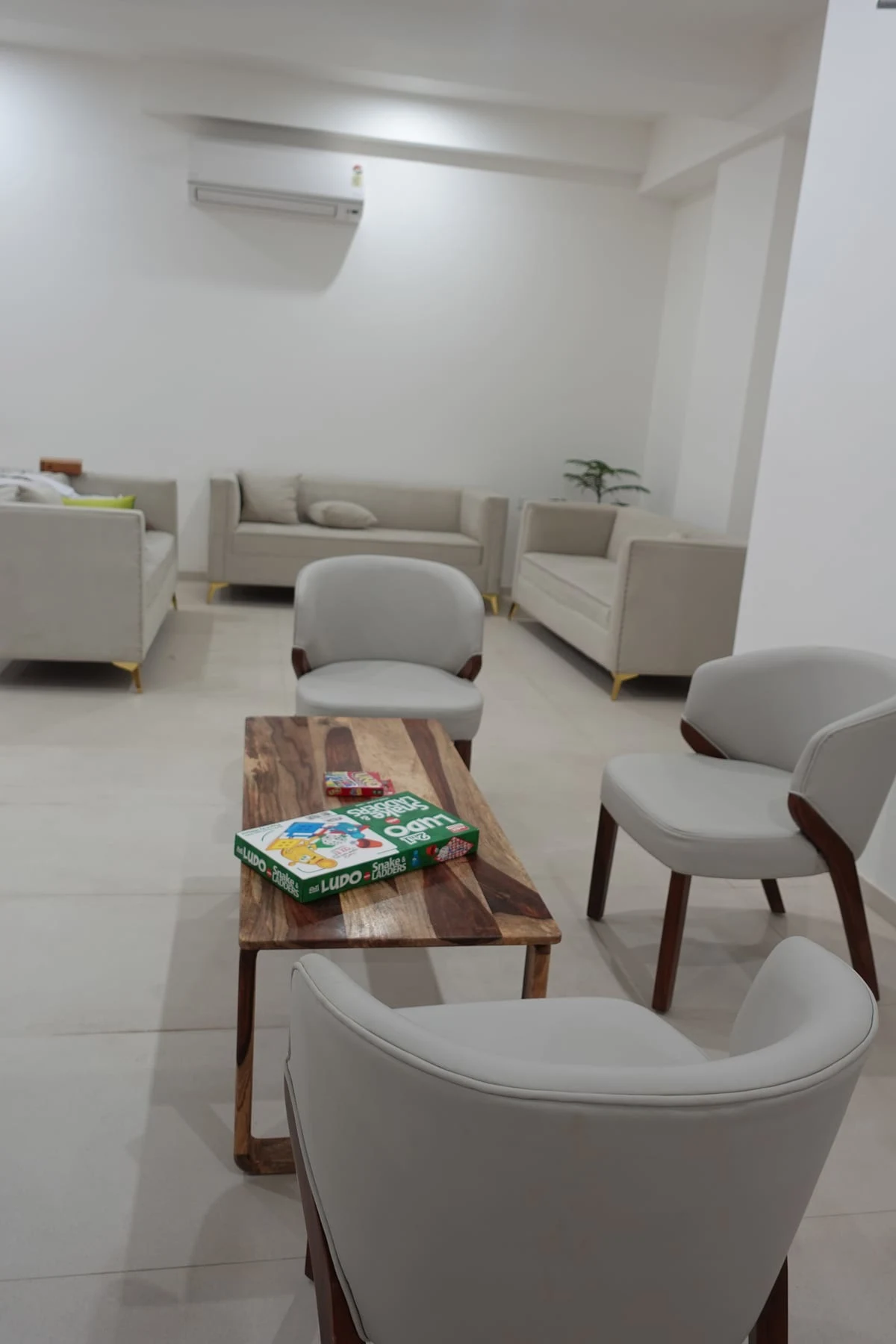
AIMAN – Ataraxia Institute of Mental Health & Neurosciences is dedicated to redefining how mental healthcare is accessed and delivered across India. The institute believes every individual deserves high-quality, evidence-based, and holistic mental health support, with a vision to prioritize mental health alongside physical health. Backed by a multidisciplinary team of psychiatrists, clinical psychologists, neurologists, and experienced counsellors, AIMAN offers world-class care through state-of-the-art facilities and evidence-led practices. Based in Gurugram Delhi NCR, the institute specializes in psychiatry, psychology, and neurology, including depression treatment, anxiety counseling, and addiction recovery, backed by over 25 years of clinical experience. AIMAN leads with empathy, innovation, and a long-term vision—driving a transformative shift toward inclusive, compassionate, and comprehensive mental health care for individuals and families.
6. Tulasi Healthcare
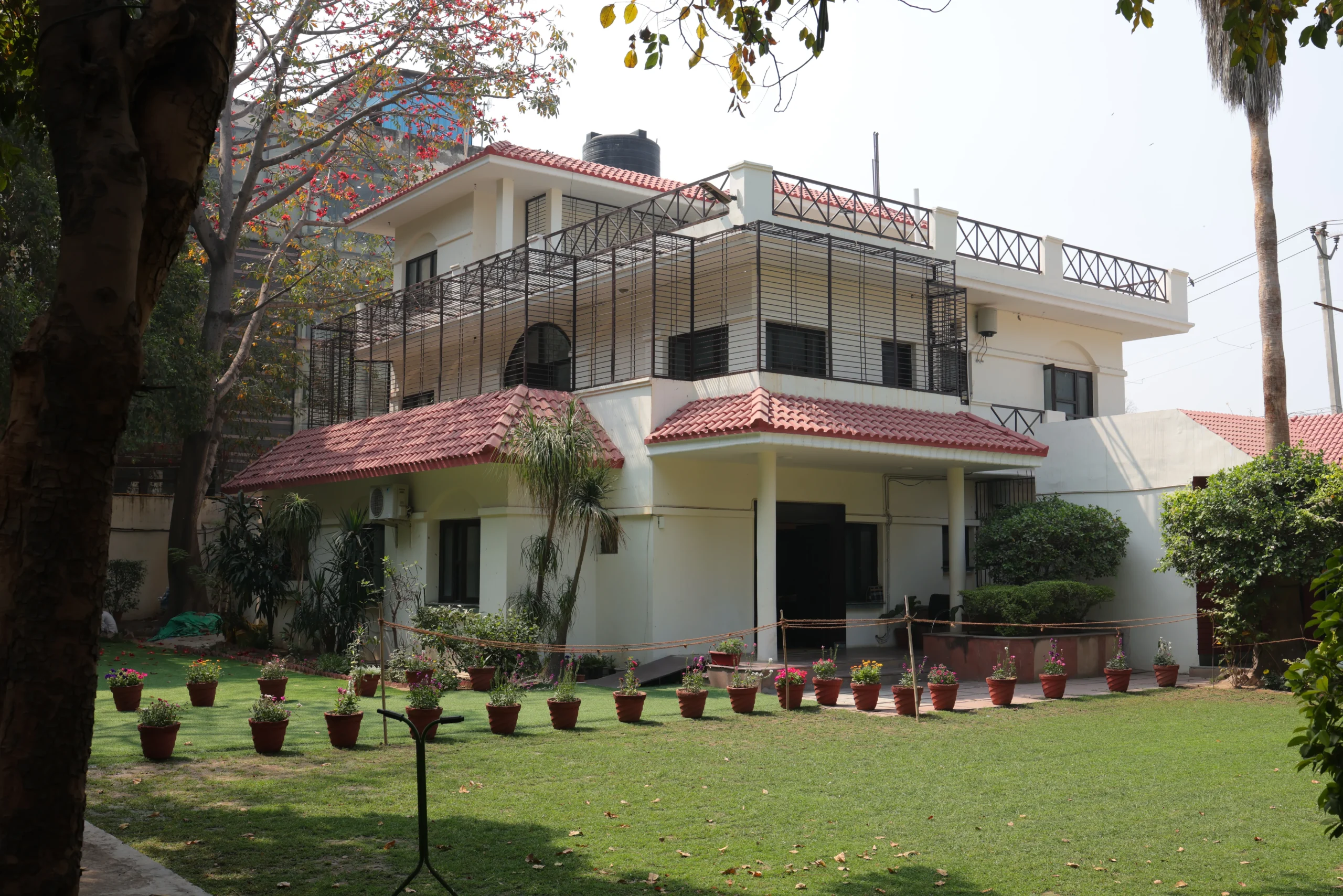
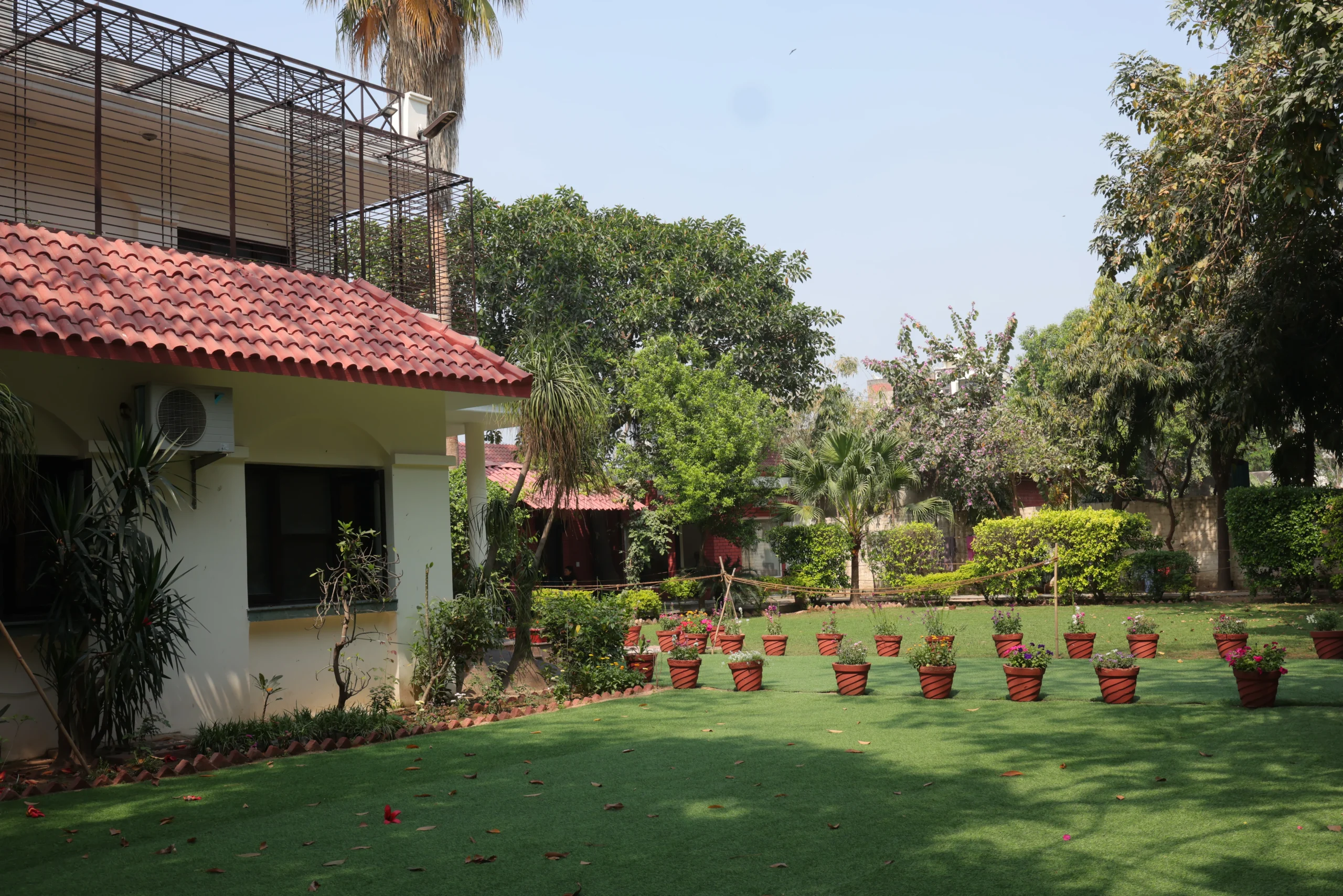
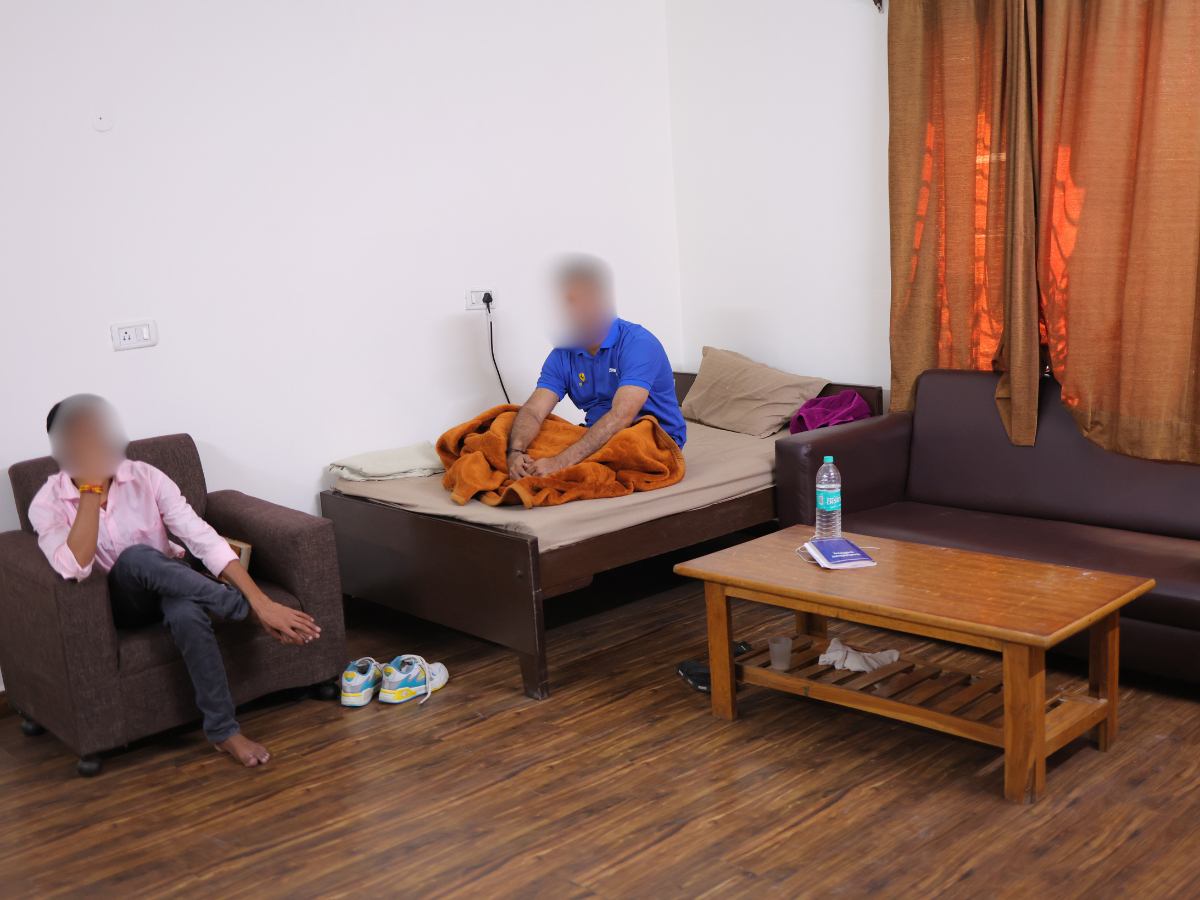
Tulasi Healthcare is a renowned group of psychiatric hospitals and rehabilitation centers in Delhi and Gurgaon, specializing in the treatment of substance abuse and mental illnesses. Starting with a small facility for 10 patients in Mehrauli, the center expanded through 'Tulasi' (a halfway house for chronic mental illnesses) and the Mandi Road center, increasing the total patient capacity to 125. A new state-of-the-art facility in Gurgaon will add capacity for another 125 patients, supported by a staff of 100. Treatment modalities include medication, psychosocial rehabilitation, and family education. The center treats conditions such as schizophrenia, bipolar disorder, OCD, dementia, and dual diagnosis, as well as substance addiction (alcohol, tobacco, marijuana, cocaine), utilizing CBT and integrative therapies like yoga and meditation.
7. Sukoon Health
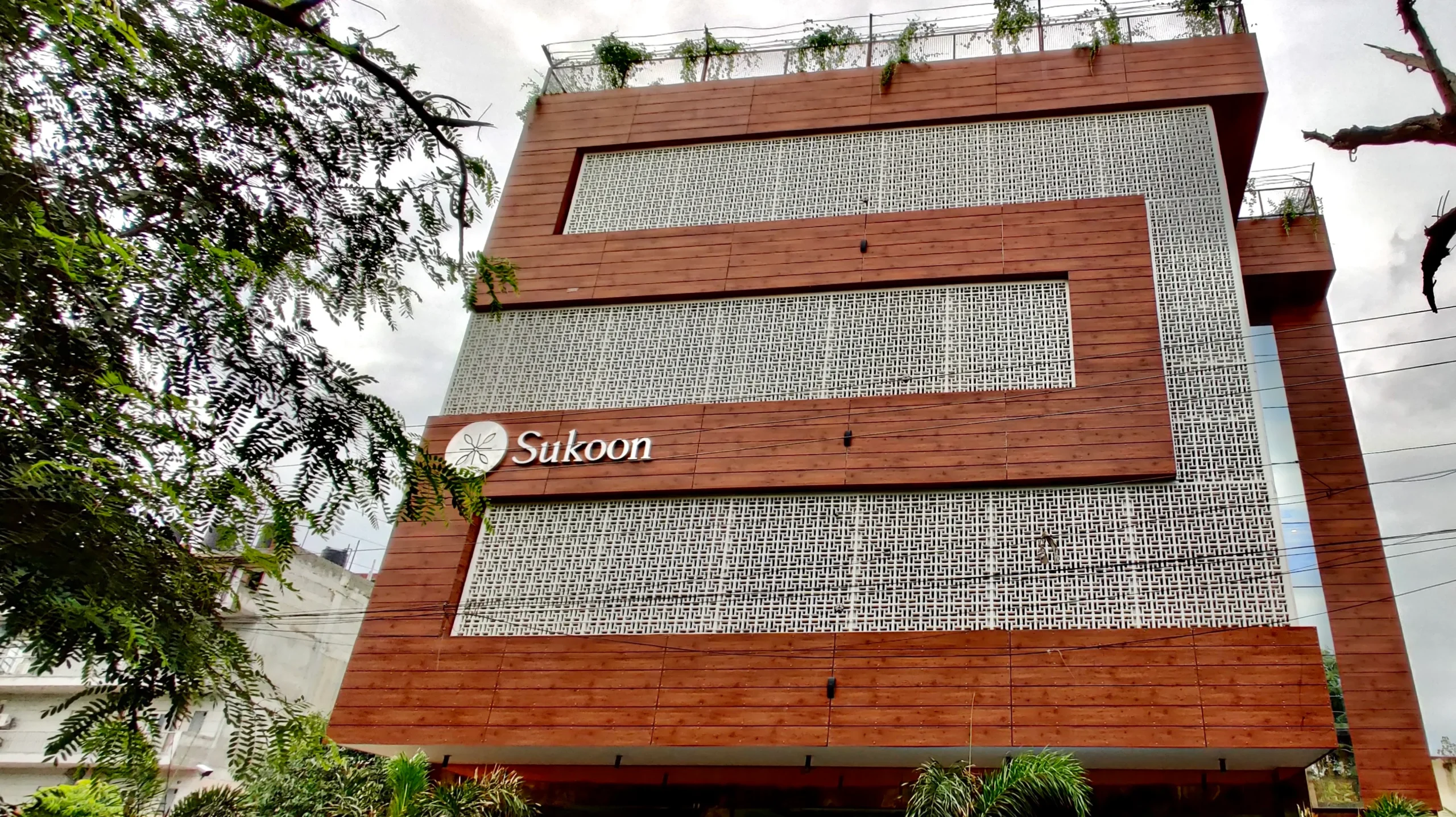
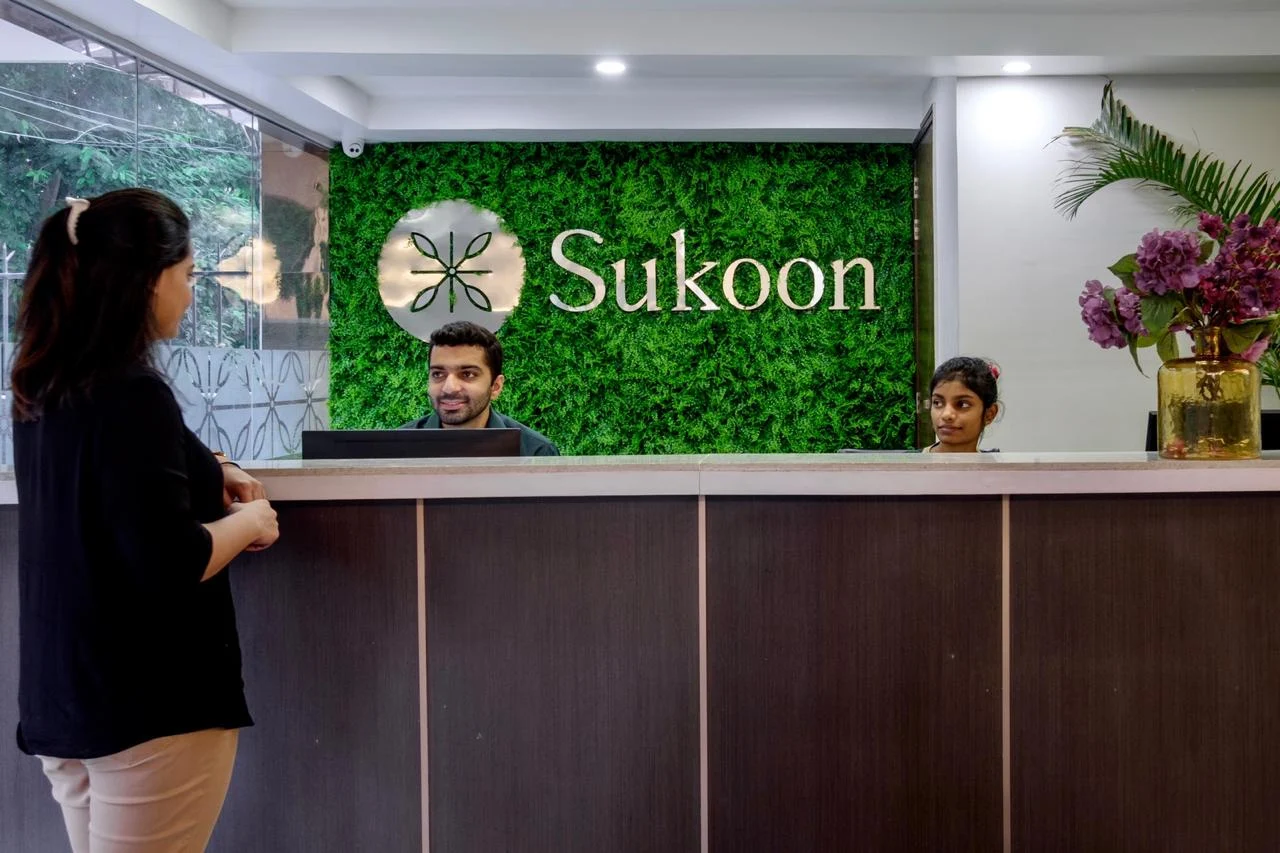
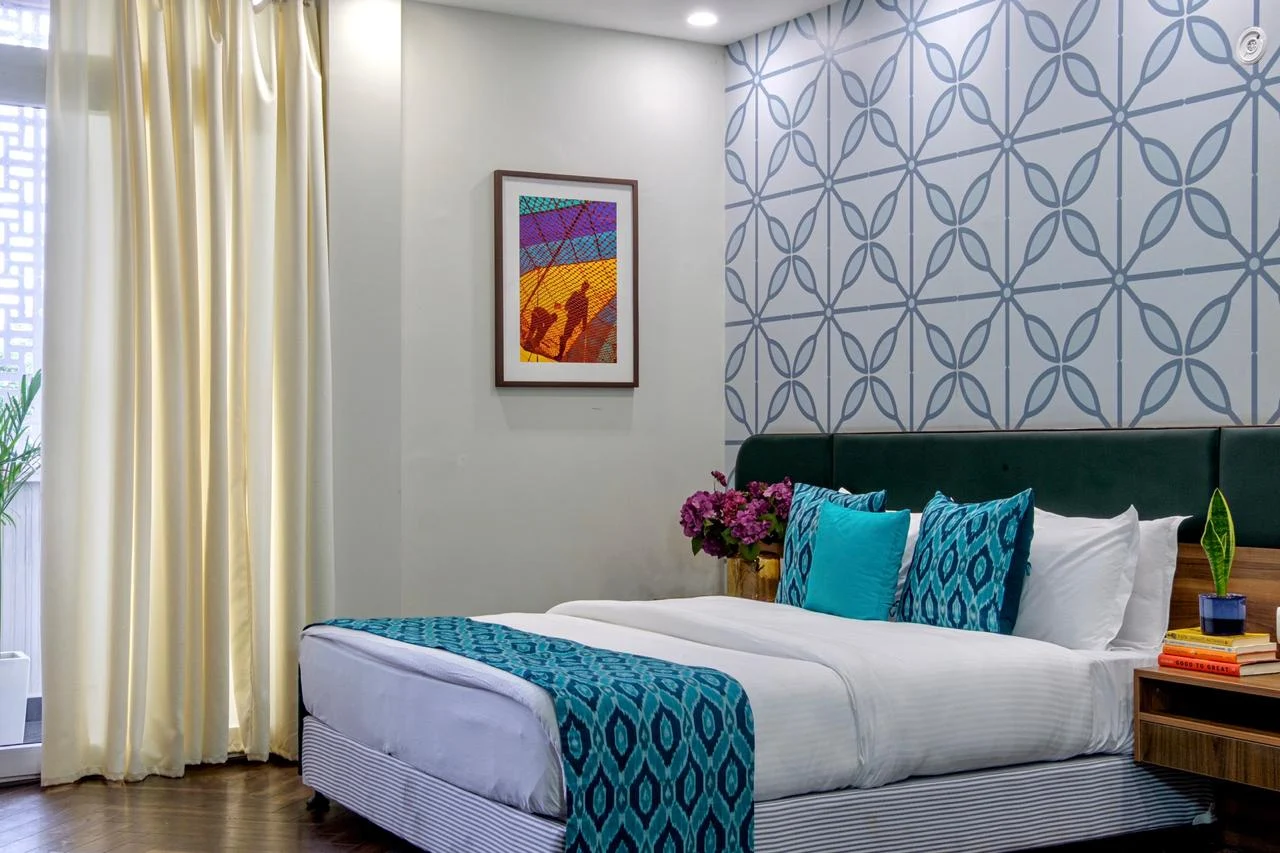
Sukoon Health is India's leading chain of mental health rehabilitation and wellness centers, offering residential and outpatient psychiatry, psychology, and de-addiction services across India, including Delhi NCR. The organization follows a personalized recovery model that places the individual at the center of the care ecosystem. Its multidisciplinary team—comprising psychiatrists, clinical psychologists, counsellors, psychiatric social workers, art therapists, nurses, general physicians, and pharmacists—delivers a comprehensive approach to mental healthcare, ensuring that every aspect of an individual's well-being is addressed with expertise, compassion, and empathy.
8. Roar Wellness Rehabilitation Center

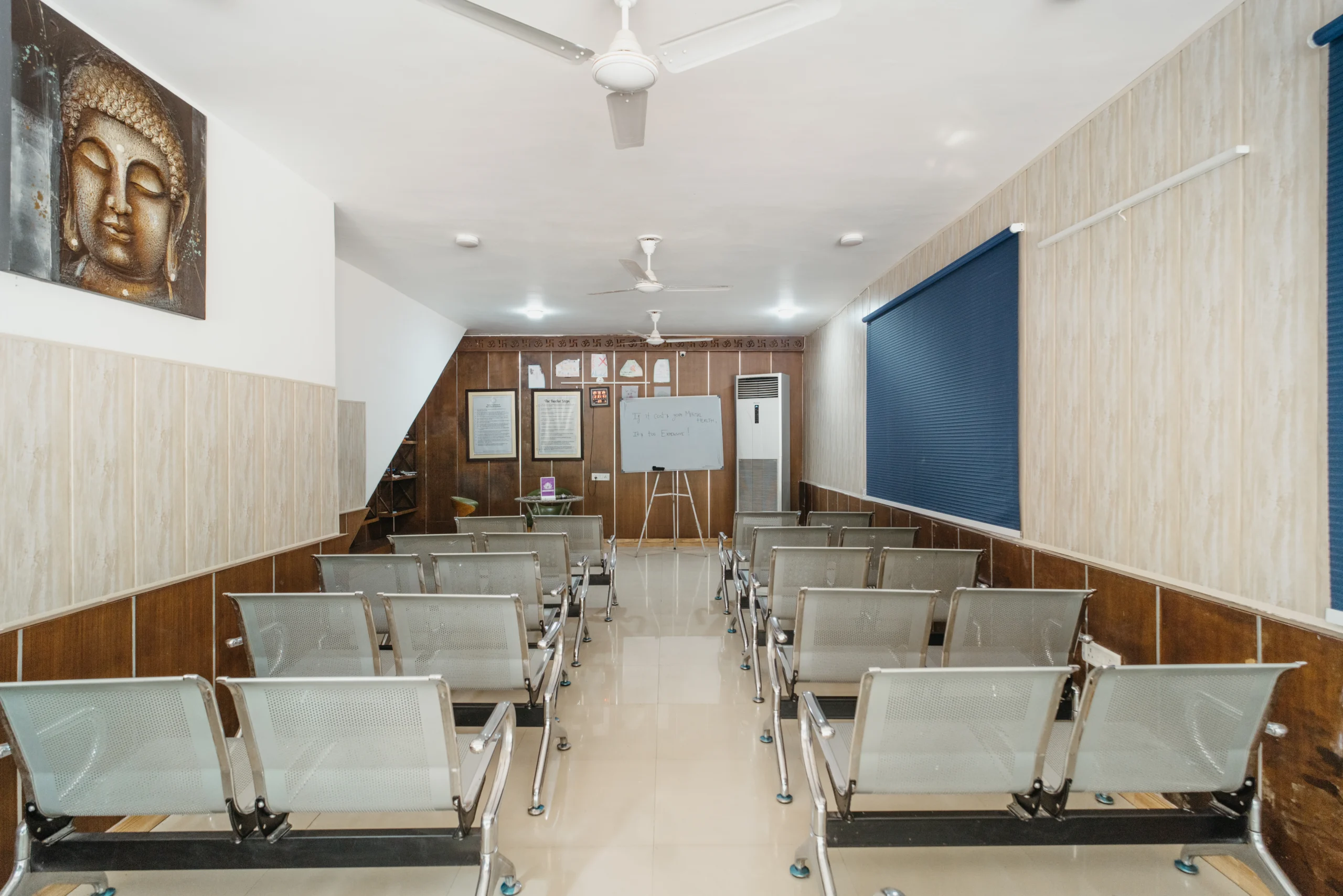
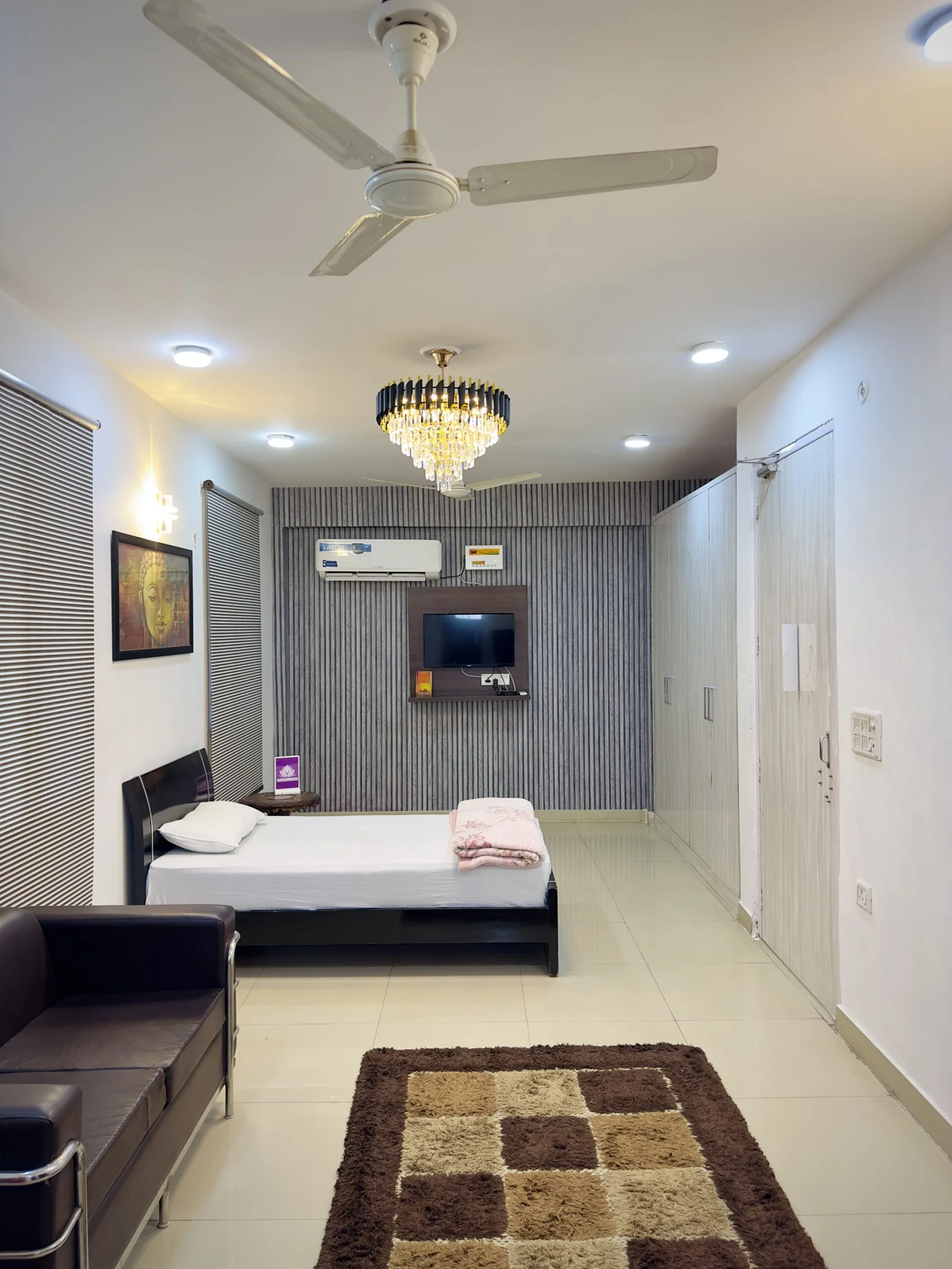
Roar Wellness Rehabilitation Center is a luxury rehab and wellness center in New Delhi, specializing in evidence-based treatment for addiction, mental health disorders, and dual diagnosis. Established in 2013, the center provides comprehensive recovery programs for alcohol addiction, drug addiction, opioid and heroin dependence, methamphetamine and marijuana addiction, depression, dementia, and co-occurring mental health conditions. With a multidisciplinary team of experienced psychiatrists, psychologists, therapists, and addiction specialists, Roar Wellness delivers personalized treatment in a safe, confidential, and supportive environment. The center combines medical care, psychotherapy, holistic wellness therapies, and relapse prevention strategies to promote long-term recovery and emotional well-being. Serving patients from Delhi NCR, Uttar Pradesh, Haryana, Punjab, Chandigarh, and across India, Roar Wellness is committed to helping individuals rebuild healthier, addiction-free lives with dignity and compassion.
9. Manovya Wellness Centre
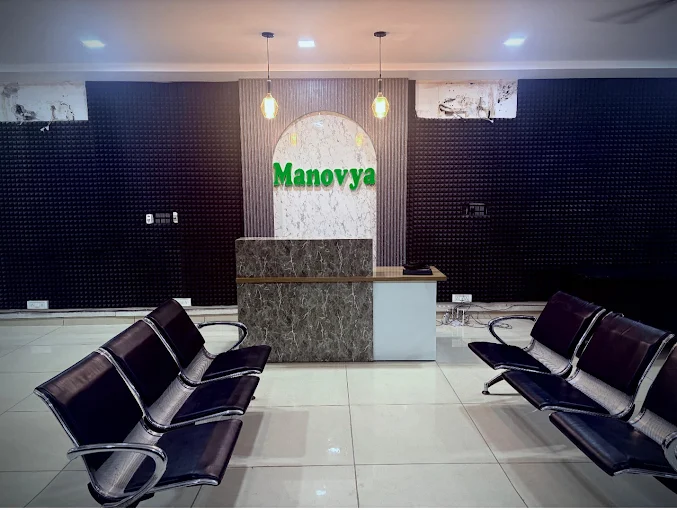
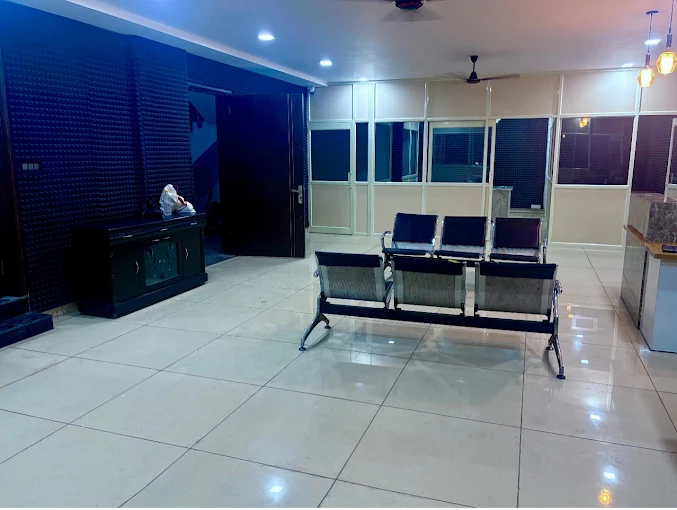
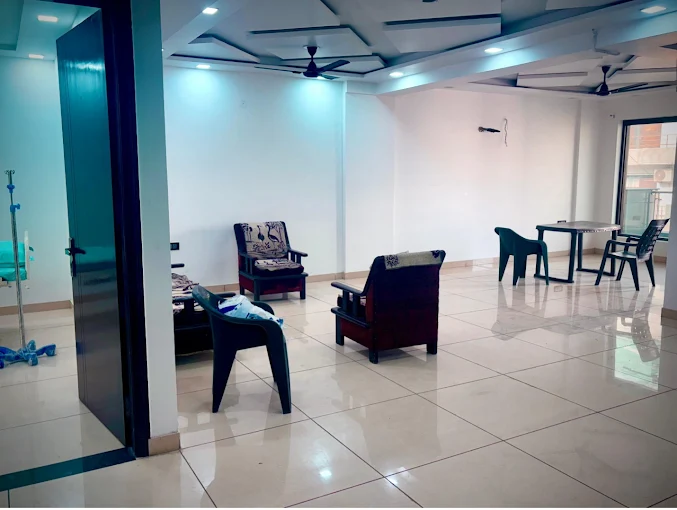
Manovya is a mental health and addiction treatment centre in Dwarka, New Delhi, dedicated to reshaping how mental health care is delivered in India. Combining compassion, science, and personalized attention, it offers a safe sanctuary for individuals recovering from mental health concerns, addiction, and neurological disorders, guided by a belief in accessible, respectful, and human-centred care. Its mission is to deliver world-class, confidential care through personalized treatment plans, while its vision is to become India's most trusted leader in mental health and addiction care nationwide. Core values include empathy, respect, integrity, collaboration, empowerment, and excellence. A multidisciplinary team of psychiatrists, psychologists, and therapists provides treatment for depression, anxiety, bipolar disorder, schizophrenia, PTSD, OCD, and neurological conditions supporting long-term recovery through a patient-first, evidence-based approach.
10. Kutumb Rehab
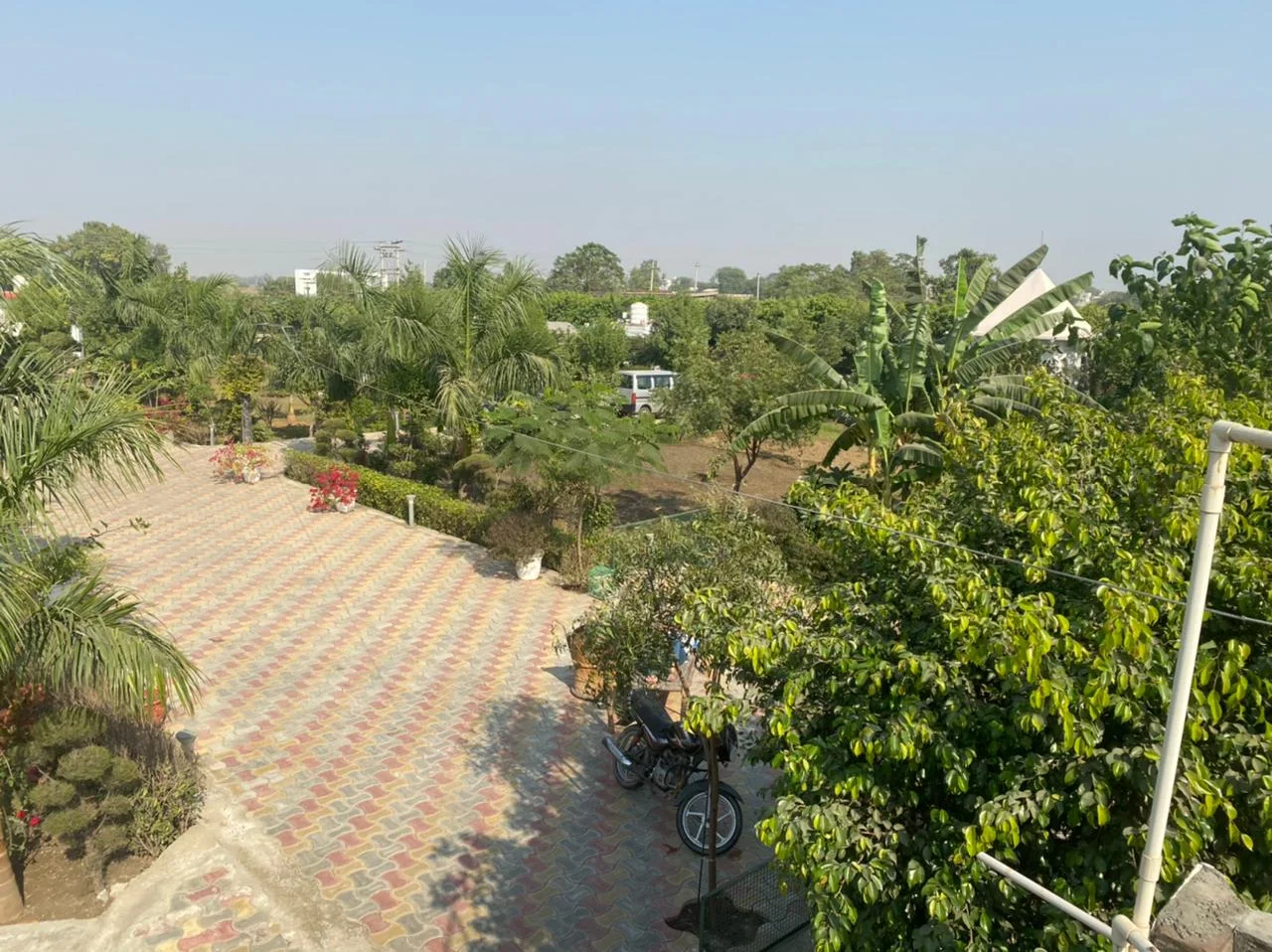

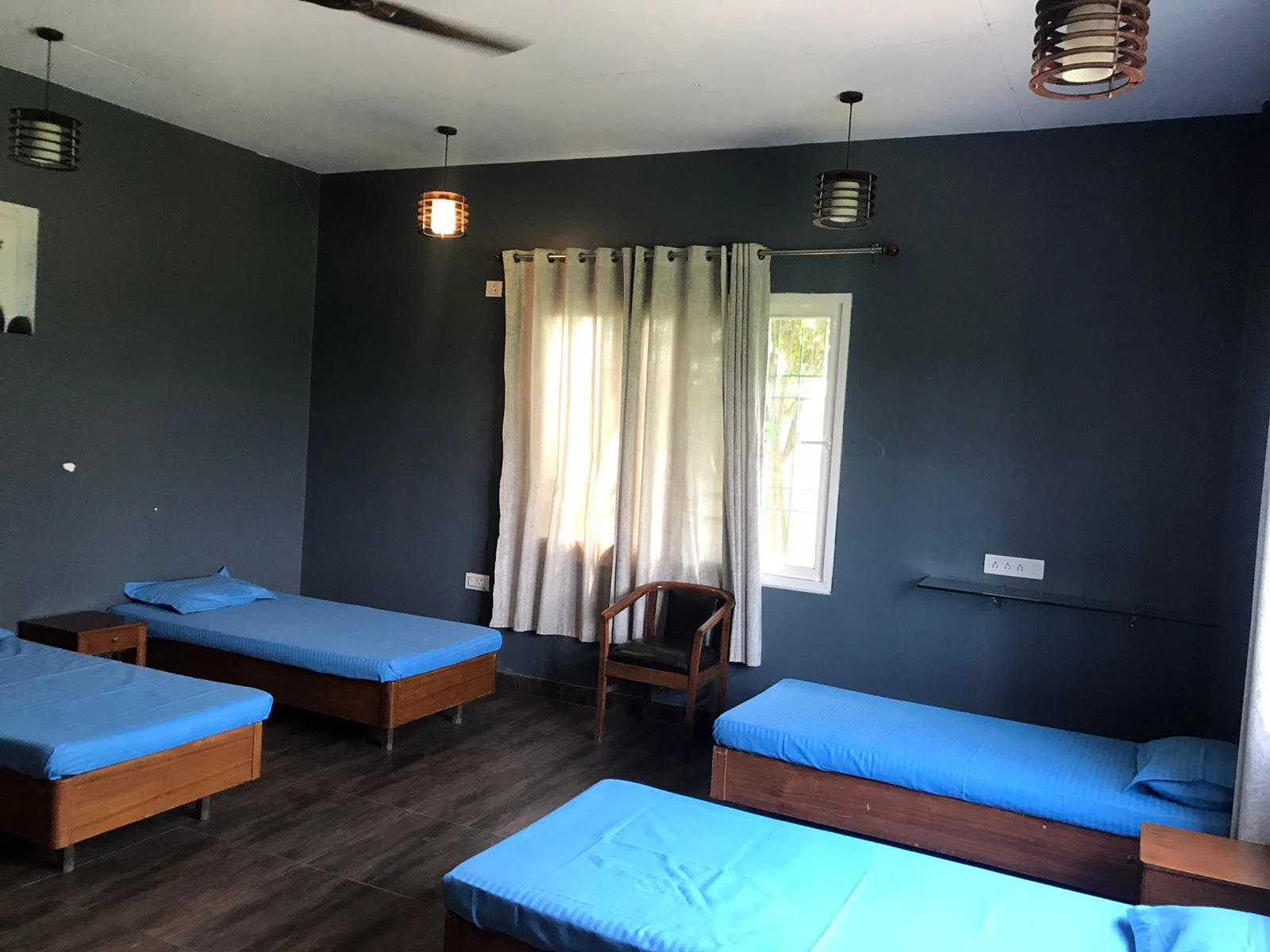
Kutumb Retreat provides comprehensive inpatient treatment that addresses not just the physical dependency of substance use disorders, but also the emotional, psychological, and social factors behind them. Each individual is treated with dignity and respect, with personalized treatment plans designed to honor their unique journey and support lasting recovery. Located in the countryside of Faridabad (Delhi NCR), India, Kutumb Retreat is a men's only residential rehab that uses a holistic approach, addressing co-occurring mental health conditions through varied therapies and tailored nutrition. Services include detox, individual counseling, family therapy, and diabetes management. Techniques such as relapse prevention, inner child therapy, art therapy, 12-Step care, yoga, and animal therapy are used during treatment, while nutrient-dense meals support a healthy diet throughout the recovery process.
What is Included in an Alzheimer's Day Care Program?
Initial Assessment Before Enrollment
Most professional dementia day care centres begin with a detailed assessment conducted by physicians, psychologists, nurses, or dementia specialists. The evaluation typically includes medical history, stage of Alzheimer's disease, cognitive function, mobility, communication abilities, medication requirements, nutritional status, behavioral symptoms, and daily living skills. Based on these findings, an individualized care plan is developed to meet each participant's physical, cognitive, emotional, and social needs.
Cognitive Rehabilitation and Memory Stimulation
Cognitive stimulation forms the foundation of Alzheimer's day care programs. Activities commonly include memory games, puzzles, orientation exercises, storytelling, reading sessions, music therapy, reminiscence therapy, art and craft, brain exercises, sensory stimulation, and group discussions. These structured interventions encourage cognitive engagement, improve social interaction, and help maintain remaining abilities while providing enjoyable daily experiences. Although Alzheimer's disease cannot currently be cured, regular cognitive rehabilitation may help preserve function and enhance quality of life.
Medical Supervision and Healthcare Support
Professional day care centres provide continuous health monitoring throughout the day. Services may include medication reminders, blood pressure and blood sugar monitoring, nursing care, physician consultations, physiotherapy, occupational therapy, nutritional supervision, fall prevention, emergency response, and coordination with neurologists or geriatric specialists. Ongoing medical observation allows early recognition of health concerns while ensuring patient safety in a structured environment.
Physical Activity and Therapeutic Exercise
Regular physical activity contributes significantly to healthy aging and dementia management. Alzheimer's day care centres often include chair exercises, stretching routines, balance training, physiotherapy, walking sessions, yoga for seniors, breathing exercises, and light recreational games. These activities help maintain mobility, reduce fall risk, improve circulation, preserve muscle strength, and enhance overall physical function. Exercise also supports mood regulation and may reduce behavioral symptoms associated with dementia.
Social Engagement and Emotional Well-Being
Isolation can worsen confusion, anxiety, and depression among individuals with Alzheimer's disease. Day care centres encourage meaningful social interaction through music programs, group activities, celebrations, games, gardening, religious gatherings, storytelling, movie sessions, and creative workshops. Building relationships with caregivers and fellow participants promotes emotional security, reduces loneliness, and creates a familiar daily routine that many dementia patients find reassuring.
Nutrition and Daily Living Support
Balanced nutrition is essential for maintaining health in older adults with dementia. Most Alzheimer's day care centres provide freshly prepared meals and snacks while monitoring hydration and dietary intake. Staff assist with feeding when necessary and accommodate special diets for diabetes, hypertension, swallowing difficulties, or other medical conditions. Daily living assistance may also include support with mobility, personal hygiene, toileting, and medication adherence depending on individual needs.
Supporting Families and Caregivers
Alzheimer's affects entire families, not only the individual living with the condition. Many day care centres provide caregiver education, counseling, support groups, behavioral management training, and guidance on communication strategies. These services help families better understand disease progression, manage challenging behaviors, reduce caregiver stress, and improve the overall quality of home care.