Punjabi Bagh is synonymous with busy commercial lanes, heavy traffic flow, and a fast-paced life. On the flip side, Punjabi Bagh is also recording a steady growth of mental ailments. The incessant rush and crowd at markets and the lack of quiet public zones have affected emotional well-being severely.
- Depression & Anxiety: The stress of maintaining work-life balance, increasing expenses, and extended working hours has resulted in increasing anxiety and low mood amongst residents in Punjabi Bagh.
- Chronic Stress: Business owners, professionals, and homemakers have demanding schedules, financial responsibilities, and personal commitments which contribute to emotional exhaustion and burnout.
- Youth and Mental Health: Academic pressure, congestion in available leisure spaces, and fierce competition make students feel stressed, doubt themselves, and be anxious.
- Environmental Stress: Traffic congestion, noise, and growing levels of pollution disrupt sleep patterns and result in irritability and fatigue.
Other common issues associated with this include anger outbursts, social isolation, mood instability, and insomnia. This leads to many residents juggling demanding routines and having their emotional strength drained. Structured therapies by Anvaya Healthcare help an individual identify patterns that cause stress, build resilience, and restore work-life harmony for better mental and emotional health.
Why Mental Illness Is Growing in Punjabi Bagh, West Delhi?
The residents are suffering from increased stress, fatigue, and emotional instability due to the evolving urban lifestyle of Punjabi Bagh. A combination of commercial activity, dense traffic, and the daily rush in the area is affecting the mental balance of the people.
- Pressure because of Urban Routine: The hectic schedule of work, financial burdens, and meeting deadlines continuously are driving many an individual towards burnout and anxiety.
- Traffic Congestion & Noise: Continuous movement on main roads and the noise of marketplaces often disrupt sleep and heighten irritability.
- Pollution-based Exhaustion: Air pollution in the surroundings leads to lethargy, lack of energy, and reduced mental sharpness.
- Academic and Career Stress: There is increasing competition, uncertainty over future prospects, and a lack of peaceful environments.
Why Mental Illness Is on the Rise in Punjabi Bagh, West Delhi?
Due to the busy lifestyle and continuous movement in the Punjabi Bagh area, anxiety, stress, and emotional exhaustion among its inhabitants are growing gradually.
- Fast-Paced Urban Routine: The feeling of burnout emanates from the overwhelming demands of work schedules, increased living expenses, and competitive careers.
- Traffic & Noise Disturbance: Continuous movement on the main roads and noise in the market contributes to mental fatigue and disturbed sleep.
- Pollution-Related Exhaustion: Poor quality of air and vehicle pollution create physical and emotional tiredness.
- Academic Pressure on Students: Young learners experience excessive study pressure, coaching competition, and very limited peaceful study places; this affects their motivation and mental health.
Recognizing Punjabi Bagh’s Increasing Mental Health Concerns
With posh neighbourhoods, busy eateries, and an active lifestyle culture, Punjabi Bagh is fast becoming known for increased mental health problems among its residents. The pace at which movements occur on jammed roads, crowded commercial pockets, and fast routines raise stress levels among people who are either living or working in this area.
Work-life imbalance: Pressure of running businesses, managing long office hours, and household responsibilities leaves the residents with hardly any rest or recovery time. It results in a continuous stressful situation, which causes irritability, persistent stress, and emotional burnout, making mental well-being a growing concern in the Punjabi Bagh community.
Current Observations
In Punjabi Bagh, recent evaluations have shown that businessmen, working professionals, students, and homemakers are increasingly suffering from symptoms of anxiety, irritability, mood disturbances, and emotional exhaustion. Specialists in mental health feel this rise is strongly connected with the area’s bustling lifestyle, growing financial demands, elevated noise levels, and the high social expectations associated with living in a prominent West Delhi neighbourhood.
Overview of the Outcomes
Most people in Punjabi Bagh seem to be fighting their battles in silence, overwhelmed by the pace and pressure associated with life in a high-activity urban zone.
- Key Stressors: Heavy traffic movement, increasing living expenses, busy work commitments, and constant noise from commercial blocks are all contributing to everyday stress.
- Higher Impact on Women: Working women who have to fulfill both professional and household obligations are more prone to mood swings, anxiety, and persistent tiredness.
- Unresolved emotional problems remain hidden due to prevailing stigma in the form of misconceptions and fear of social judgment that prevents people from seeking timely counseling or psychiatric support.
- Possible consequences could include burnout, irritability, low productivity, and an inability to maintain harmony either at a personal or professional level if left unaddressed.
- Way to Improvement: Accessibility in therapy services, workshops related to mental wellness, and creating awareness at the community level will go a long way in improving mental health standards in Punjabi Bagh.
Why Choose Anvaya Healthcare Psychiatrists in Punjabi Bagh, Delhi?
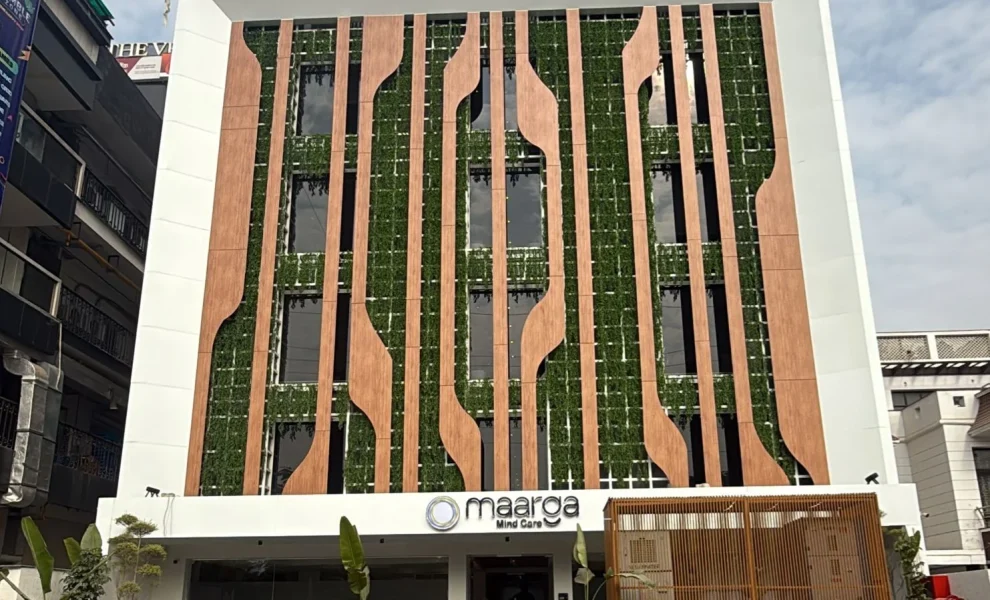
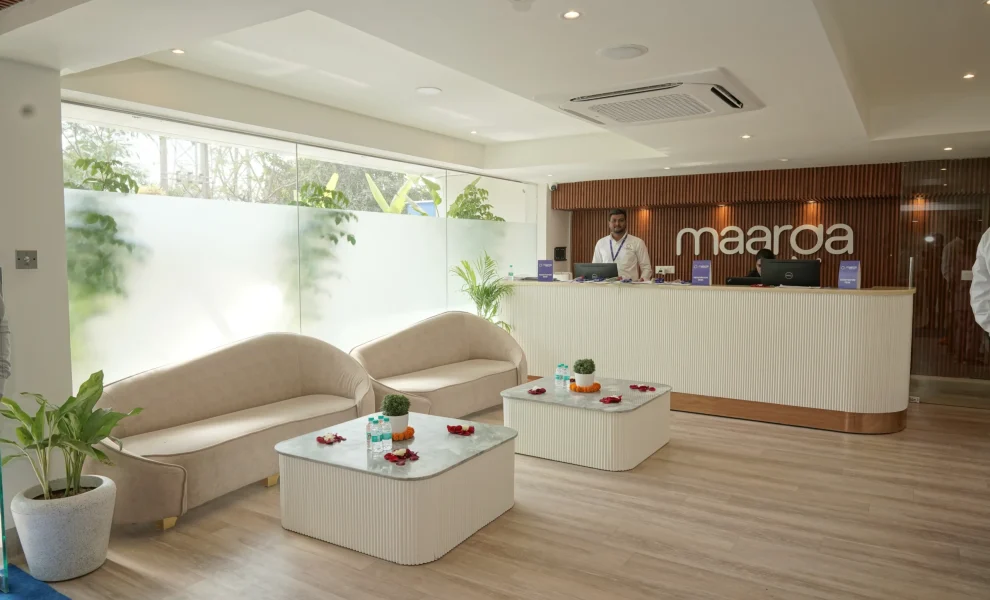
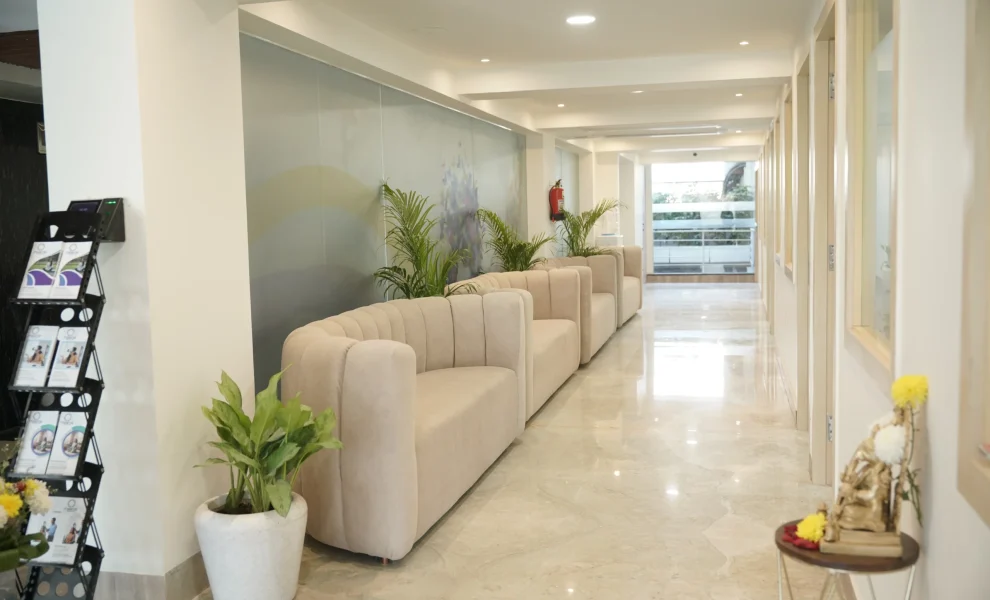
Anvaya Healthcare in Punjabi Bagh offers dependable, compassionate, and personalized mental healthcare to people dealing with the stressors of modern life. Though living in a bustling neighbourhood filled with busy junctions, crowding market lanes, and a fast pace of life generally contributes to mental stress, our psychiatrist understands these challenges quite profoundly. Every treatment plan is designed thoughtfully to fit your routine, responsibilities, and emotional needs.
We integrate evidence-based therapies with a supportive environment to ensure you feel constantly heard, understood, and empowered throughout your healing journey.